[미국] 세계은행, 스마트 물이용 확대로 100억 인구 식량 공급 가능…약 2억5천만개 일자리 창출 기대
글로벌 식량 시스템 물이용 재조정 필요…사하라 이남 아프리카 일자리 창출 전망
농업용수 관리 프레임워크 제시…관개·무역·빗물농업으로 생산·성장 확대
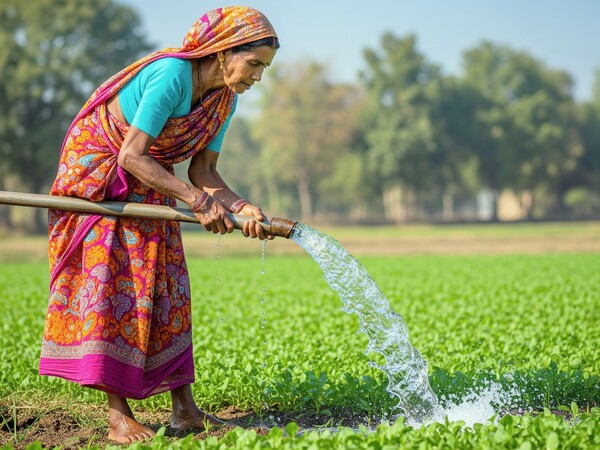
세계은행그룹(World Bank Group)은 농업용수 관리 개선을 통해 2050년까지 100억 인구의 식량 수요를 충족하고 약 2억4천500만 개의 일자리를 창출할 수 있다고 밝혔다. [사진출처(Photo Source) = Pixabay]
19일 세계은행그룹(World Bank Group)은 보고서를 통해 전 세계 식량 시스템 전반에서 물이용을 재조정하는 것이 미래 식량 수요를 지속 가능하게 충족하는 핵심 과제라고 밝혔다. 아울러 이러한 전환을 통해 장기적으로 약 2억4천500만 개의 일자리가 창출될 수 있으며, 그 대부분은 사하라 이남 아프리카 지역에서 발생할 것으로 전망했다.
보고서 ‘Nourish and Flourish: Water Solutions to Feed 10 Billion People on a Livable Planet(지속 가능한 지구에서 100억 인구를 먹여 살리기 위한 물 해법)’에 따르면, 일부 국가는 물을 과도하게 사용하고 다른 국가는 충분히 활용하지 못하는 등 불균형한 농업용수 관리로 인해 현재 방식으로는 전 세계 인구의 절반에도 못 미치는 식량만을 지속 가능하게 생산할 수 있는 것으로 나타났다.
또한 보고서는 2050년까지 약 100억 명의 식량 수요를 충족하기 위해서는 물부족 지역에서의 과잉 사용을 줄이는 동시에, 수자원이 풍부한 지역에서 활용되지 못한 물과 생산 역량을 적극 활용하는 것이 필수적이라고 강조했다.
보고서는 물가용성과 식량 생산, 무역을 연계한 새로운 농업용수 관리 프레임워크를 제시했다. 이 프레임워크는 국가를 물스트레스 수준과 식량 수입·수출 구조에 따라 구분하며, 빗물 의존 농업 확대를 통해 식량 생산을 늘릴 수 있는 지역, 관개 투자로 일자리와 성장을 촉진할 수 있는 지역을 식별할 수 있다. 또한 생태계와 미래 생산성을 보호하기 위해 물이용을 재조정해야 하는 지역과 자국 생산보다 무역이 더 지속 가능한 대안이 되는 지역도 구분해 제시한다.
파스칼 도노휴(Paschal Donohoe) 세계은행그룹 상무이사 겸 최고지식책임자는 “식량 생산을 위한 물관리 방식은 일자리와 생계, 경제 성장에 중요한 영향을 미친다”며 “작물 재배 지역 선정과 물배분, 무역을 통한 식량 안보 지원 방식에서 보다 현명한 선택을 할 경우 회복력을 강화하고 기회를 확대하는 동시에 우리가 의존하는 자원을 보호할 수 있다”고 밝혔다.
이러한 성과를 실현하기 위해서는 식량 생산 확대와 일자리 창출, 지속 가능한 성장을 뒷받침할 수 있도록 효과적인 정책과 제도, 규제 기반 아래 공공 투자와 함께 민간 부문의 참여와 금융 확대가 강화돼야 한다.
또한 관개 확대와 성과 개선, 지속적인 운영을 위해 필요한 서비스와 혁신, 규모를 공공 재원만으로는 충족하기 어렵다. 관개의 주요 이용자이자 핵심 투자자인 농민들은 이미 금융 접근성, 양질의 장비, 시장, 디지털 도구 확보를 통해 위험과 거래 비용이 줄어들 경우 공동 투자에 나설 의지가 있는 것으로 나타났다.
광저 천(Guangzhe Chen) 세계은행그룹 플래닛(Planet) 부문 부총재는 “인프라와 천연자원에 대한 투자, 기업 친화적 정책, 민간 자본 동원이 결합될 때 그 효과는 단순한 합을 넘어설 수 있다”고 밝혔다. 이어 “이 프레임워크는 글로벌 근거와 각국의 현실을 연결해 정책결정자들이 상충 관계를 조정하고, 현재의 물·기후 여건에 맞춰 식량 생산을 조정할 수 있도록 지원할 것”이라며 “이를 통해 식량 공급과 일자리 창출, 회복력 강화를 동시에 달성할 수 있다”고 말했다.
수자원이 확보된 지역에서 관개를 확대하고 기존 시스템을 현대화하기 위해서는 2050년까지 연간 240억~700억 달러(약 36조~104조 원)의 추가 투자가 필요할 것으로 추정된다. 현재 각국 정부는 농업 지원에 연간 약 4천900억 달러(약 731조 원)를 지출하고 있으며, 이 가운데 상당 부분이 보조금에 집중돼 있다.
보고서는 기존 지출의 일부를 재조정하고 규제 개혁과 혼합금융(blended finance), 민관협력(PPP)을 병행할 경우 농민의 공동 투자 등 민간 자본 유입을 확대하고, 재정적으로 지속 가능한 물관리와 식량 안보를 뒷받침할 수 있다고 밝혔다.
세계은행은 정책 개혁과 공공 투자, 민간 자본을 결합해 식량 시스템을 강화하고 일자리를 창출하며 천연자원을 보호하는 한편, 이러한 통찰을 실제 행동으로 전환하기 위해 각국 정부와 기업, 파트너, 지역사회와 협력하고 있다.
또한 2030년까지 연간 농식품 산업 금융 지원을 90억 달러로 두 배 확대하고, ‘애그리커넥트(AgriConnect)’ 이니셔티브를 통해 연간 50억 달러의 추가 자금을 동원해 소규모 농가가 자급 수준에서 잉여 생산 단계로 전환할 수 있도록 지원할 예정이다.
아울러 ‘물과 식량(Water for Food)’ 및 ‘지구를 위한 물(Water for the Planet)’을 축으로 한 ‘물 전략 이행 계획(Water Strategy Implementation Plan)’을 통해 물과 식량 안보라는 이중 과제에 대응하며, 식량 생산 시스템 강화와 농가 생계 개선을 추진하고 있다.
[원본보기]
Smarter Water Use Could Feed 10 Billion and Create Nearly 250 Million Jobs
Rebalancing water use across the global food system is key to meeting future food demand sustainably and could generate 245 million long-term jobs, largely in Sub-Saharan Africa, according to a new World Bank Group report launched today.
The report – Nourish and Flourish: Water Solutions to Feed 10 Billion People on a Livable Planet – notes that current agricultural water management practices, marked by overuse in some countries and underuse in others, can only sustainably support food production for less than half the global population.
By 2050, 10 billion people will need to be fed. Addressing both the overuse that depletes water in stressed regions and the underuse that leaves available water and productive capacity untapped in water-abundant regions will be essential to meet that demand sustainably.
It introduces a new framework for agricultural water management that links water availability with food production and trade. By categorizing countries based on water stress and their food import or export status, the framework helps identify where expanding rainfed agriculture can increase food production, where irrigation investments can unlock jobs and growth, where water use must be rebalanced to protect ecosystems and future productivity, and where trade offers a more sustainable path than local production.
“The way we manage water for food will have profound implications for jobs, livelihoods, and economic growth. By making smarter choices about where crops are grown, how water is allocated, and how trade supports food security, we can strengthen resilience, expand opportunity, and safeguard the resources which we all rely on,” said Paschal Donohoe, Managing Director and Chief Knowledge Officer of the World Bank Group.
Realizing these outcomes will require stronger private sector participation and financing alongside public investment, supported by effective policies, institutions, and regulations to boost food production, create jobs, and support sustainable growth.
Public funding alone cannot deliver the sustained services, innovation, and scale needed to expand irrigation, improve performance, and maintain results. Farmers, who are the primary users of irrigation and its main investors, are already willing to co-invest when access to finance, quality equipment, markets, and digital tools reduces the risks and transaction costs they face.
“When investments in infrastructure and natural resources, business-enabling policies, and private capital mobilization come together, the impact can be greater than the sum of its parts,” said Guangzhe Chen, Vice President for Planet at the World Bank Group.
“By linking global evidence with country realities, this framework can help policymakers navigate trade-offs and adapt food production to today’s water and climate realities—delivering food, jobs, and resilience together.”
Expanding irrigation where water is available, alongside modernizing existing systems, is estimated to require an additional $24–70 billion per year through 2050. Governments already spend roughly $490 billion annually on agricultural support, most of it on subsidies.
Redirecting a portion of current spending—combined with regulatory reform, use of blended finance, and public-private partnerships—will crowd in private capital, including co-investment by farmers themselves, and support financially sustainable water and food security.
The World Bank Group works alongside countries, companies, partners and people to translate these insights into action by combining policy reform, public investment, and private capital to strengthen food systems, create jobs, and protect natural resources.
It has committed to doubling annual agribusiness financing to $9 billion by 2030 and mobilizing an additional $5 billion per year under the AgriConnect initiative to help smallholders move from subsistence to surplus.
Through the Water for Food and Water for the Planet **pillars of its Water Strategy Implementation Plan, the World Bank Group addresses the twin challenge of water and food security by strengthening food production systems and improving farmer livelihoods.
[출처 = 세계은행(World Bank)(https://www.worldbank.org/en/news/press-release/2026/03/19/smarter-water-use-could-feed-10-billion-and-create-nearly-250-million-jobs) / 2026년 3월 19일]
|  즐겨찾기 추가
 시작페이지로 설정
























