[미국] 웨인주립대, 오대호수청과 이리호 및 루지강 수질 보호 위한 공동 프로젝트 착수
오대호수청, 하수처리시설 인 제거 강화 위해 3년간 47만3천566달러 지원
첨단 화학 분석 기법 활용해 인 이동 경로 및 형태 규명
운영 최적화를 위한 실시간 예측 모델 개발 및 의사결정 지원
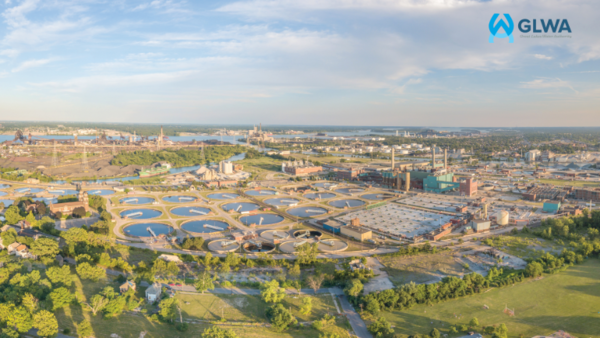
미국 웨인주립대학교(Wayne State University)가 이끄는 연구팀은 미국 최대 규모의 단일 부지 하수처리시설에서 인(P) 제거 효율을 높이기 위한 주요 협력 프로젝트를 수행하기 위해 미국 오대호수청(Great Lakes Water Authority, GLWA)로부터 3년간 47만3천566달러(약 7억988만 원)의 연구비를 지원받았다. [사진제공(Photo Source) = Wayne State University]
미국 웨인주립대학교(Wayne State University)가 이끄는 연구팀은 미국 최대 규모의 단일 부지 하수처리시설에서 인(P) 제거 효율을 높이기 위한 주요 협력 프로젝트를 수행하기 위해 미국 오대호수청(Great Lakes Water Authority, GLWA)로부터 3년간 47만3천566달러(약 7억988만 원)의 연구비를 지원받았다.
GLWA 수자원 회수 시설(WRRF)은 디트로이트를 포함한 77개 지역사회에 서비스를 제공하며, 약 1천 제곱마일에 달하는 하수 유역에서 유입되는 유량을 관리한다. 이번 프로젝트는 루즈강(Rouge River)과 이리호(Lake Erie)를 보호하기 위해 인 제거 효율을 개선하고, 점점 더 엄격해지는 환경 규제를 준수해 유해 조류 번성을 줄이는 것을 목표로 한다.
션 맥엘머리(Shawn McElmurry) 웨인주립대 토목·환경공학과 학과장은 “이번 프로젝트는 많은 지역사회에 식수, 식량, 여가를 제공하는 그레이트 레이크스를 보호하는 데 매우 중요하다"며 "인은 농업 및 도시 유출수, 하수 및 폐기물 등 다양한 경로를 통해 수계로 유입되며, 환경으로 유입되는 양이 지나치게 많아지면 조류 번성 같은 심각한 문제를 일으킬 수 있다"고 설명했다. 이이 "이러한 문제를 해결하기 위해 인 제거 능력을 지속적으로 개선하는 것이 필수적"이라고 강조했다.
연구팀은 첨단 화학 분석 기법을 활용해 WRRF 내에서 인이 어떻게 이동하는지에 대한 종합적인 이해를 구축하고, 인의 다양한 형태를 식별·정량화할 예정이다. 또한 생물학적·화학적 처리 과정을 나란히 비교·시험할 수 있는 소규모 실험 시스템(bench-scale system)을 구축해 인 제거 효율을 높일 계획이다. 더 나아가, 연구팀은 새로운 예측 모델을 개발해 수처리 시설 운영자가 실시간으로 인 제거를 최적화할 수 있도록 지원함으로써 데이터 기반의 수자원 관리 수준을 한 단계 끌어올릴 예정이다.
이번 프로젝트는 지역 수계 수질 개선뿐 아니라 학생들에게도 중요한 교육 기회를 제공한다. 학생들은 하수처리와 환경 보호 분야의 전문가로 성장할 수 있는 실질적인 훈련을 받게 된다.
존 노턴(John Norton) GLWA 에너지·연구·혁신 담당 국장은 “웨인주립대와의 이번 협력은 지역 수자원 보호 역량을 강화하는 혁신 중심 파트너십을 보여준다”며 "이번 연구를 통해 WRRF의 처리 역량을 향상시킬 뿐 아니라 차세대 수자원 전문가 양성에도 기여할 것”이라고 밝혔다.
프로젝트 팀에는 맥엘머리 박사 외에도, 웨인주립대 토목·환경공학과 부교수이자 공동 연구 책임자인 티모시 디트리히(Timothy Dittrich) 박사, GLWA 소속 MSESE 학생 브룩 발라드(Brooke Ballard), GLWA 에너지·연구·혁신 국장 존 노턴(John Norton) 박사, 그리고 GLWA 선임 연구 엔지니어 앤드루 마커스(Andrew Marcus) 박사가 참여한다.
[원문보기]
Wayne State University and Great Lakes Water Authority launch major collaboration to protect Lake Erie and Rouge River
A research team led by Wayne State University was awarded a $473,566, three-year grant from the Great Lakes Water Authority (GLWA) for a major collaborative initiative focused on enhanced phosphorus removal at the nation’s largest single-site wastewater treatment facility.
The GLWA Water Resource Recovery Facility (WRRF) serves 77 communities — including Detroit — and manages flows from a nearly 1,000‑square‑mile sewer shed. The project aims to protect the Rouge River and Lake Erie by improving phosphorus removal efficiency and ensuring compliance with increasingly stringent environmental regulations designed to reduce harmful algal blooms.
“This project is critical for protecting the Great Lakes, which provide drinking water, food and recreation for many local communities,” said Dr. Shawn McElmurry, chair of Wayne State’s Department of Civil and Environmental Engineering in the James and Patricia Anderson College of Engineering. “Phosphorus enters our water systems through various ways like agricultural and urban runoff, sewage and waste, and when the amount entering the environment is too large, it can cause significant problems like algal blooms. It is critical that we continue to improve our ability to remove this nutrient to address these challenges.”
The research team will develop a comprehensive understanding of how phosphorus moves through the WRRF using advanced chemical analyses to identify and quantify phosphorus species. They will build bench-scale treatment systems that allow controlled, side-by-side testing of biological and chemical processes to enhance phosphorus removal. Moreover, they will create new predictive models to help water treatment facility operators optimize phosphorus removal in real-time, which will advance data-driven water management.
In addition to improving local water systems, the project will provide critical training for Wayne State students to become experts in wastewater treatment and environmental protection.
“This collaboration with Wayne State University represents the kind of innovation-focused partnerships that strengthen our ability to protect the region’s water resources,” said Dr. John Norton, director of energy, research and innovation at GLWA. “Through this research, we will not only enhance our treatment capabilities at the WRRF but also help train the next generation of water professionals.”
“This collaboration is an excellent example of Wayne State’s Grand Challenges initiative, which aims to address increasingly complex problems and how we can deliver real-world solutions that impact our local communities and beyond,” said Dr. Ezemenari M. Obasi, vice president for research & innovation at Wayne State. “This project will aid in driving lifelong health and fostering sustainable environments — two of the major themes of our initiative — by creating discoveries that will improve lives and our critical environmental resources.”
The project team includes McElmurry; Dr. Timothy Dittrich (co-PI), associate professor of civil and environmental engineering, Wayne State; Brooke Ballard, MSESE student, GLWA; Norton; and Dr. Andrew Marcus, senior research engineer, GLWA.
[출처 = 미국 웨인주립대학교(Wayne State University)(https://research.wayne.edu/news/wayne-state-university-and-great-lakes-water-authority-launch-major-collaboration-to-protect-lake-erie-and-rouge-river-68545) / 2026년 3월 17일]
|  즐겨찾기 추가
 시작페이지로 설정
























