[파키스탄] ADB, 국가협력전략 수립…지속가능·포용 성장 및 기후 대응 강화
민간부문 중심 성장 전환…투자 확대·일자리 창출 추진
기후 적응·홍수·수자원 관리 등 환경·재난 대응 확대
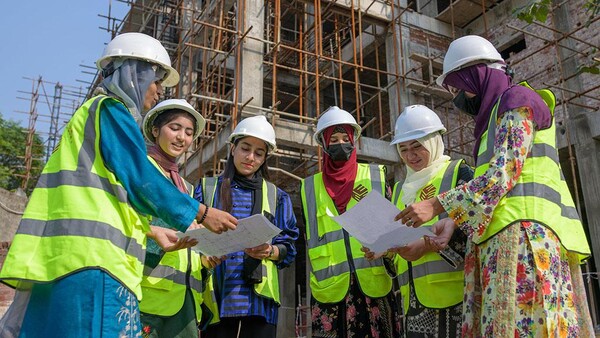
이번 5개년 전략은 민간부문 개발 촉진, 포용성 및 역량 강화, 회복력 및 지속가능성 제고의 세 가지 경로에 중점을 둔다. [사진제공(Photo Source) = ADB]
아시아개발은행(Asian Development Bank, ADB)은 2026~2030년 파키스탄 국가협력전략(Country Partnership Strategy, CPS)을 발표하고, 민간 주도 개발을 통해 지속 가능하고 포용적인 성장으로의 전환을 지원하기 위한 로드맵을 제시했다.
이번 5개년 전략은 △민간 부문 개발 촉진 △포용력 및 역량 강화 △회복력 및 지속가능성 제고의 세 가지 경로에 중점을 둔다. 또한 이러한 우선 과제는 △좋은 거버넌스 및 제도 역량 강화 △성평등과 사회적 포용 △디지털 전환 △지역 협력 및 통합 등 범 분야 과제를 통해 뒷받침될 예정이다.
엠마 판(Emma Fan) ADB 파키스탄 사무소장은 “이번 신규 CPS는 파키스탄의 구조적 과제를 해결하고, 특히 빈곤층과 취약계층을 포함한 국민 모두에게 혜택이 돌아가는 견고하고 지속적인 성장을 촉진하기 위해 마련됐다”고 밝혔다. 또한 “핵심 분야 전반에 걸친 전략적 투자와 개혁을 통해 경제 성장을 촉진하고 일자리 창출을 도모할 것”이라며 “ADB는 이러한 야심찬 의제를 이행하는 데 있어 파키스탄의 공공 및 민간 부문을 적극 지원할 것”이라고 덧붙였다.
파키스탄은 일련의 대외 충격 이후 거시 경제 여건을 안정시키고, 주요 구조개혁에 착수한 상태다. 이번 CPS는 이러한 변화된 국가 상황을 반영해 수출 및 투자 주도 성장을 강조하며, 이를 위해 공공 재정 관리 개선, 기업 친화적 환경 조성, 고효과 분야에 대한 투자 확대를 핵심 지원 방향으로 제시했다.
민간 부문 개발은 이번 전략의 핵심 축이다. CPS에 따라 ADB는 규제 및 준수 부담 완화, 인프라 개선, 금융 접근성 확대, 민관협력(PPP) 활성화, 민간 부문 활동 확대를 위한 개혁과 투자를 지원할 계획이다. 또한 CPS는 핵심 광물, 철도 및 복합 물류 연결성, 에너지 안보와 청정에너지, 농업 생산성과 가치사슬, 통합 수자원 관리, 기술 역량 개발 및 고용 등 분야에서 구조적 전환을 이끌 기회를 제시했다.
ADB는 새롭게 부상하는 과제에 효과적으로 대응하기 위해 정책 개혁, 공공·민간 대상 금융 지원(주권·비주권 금융), 기술지원, 지식 지원을 결합한 통합적 해법을 파키스탄 전역에 확대 적용할 계획이다. 또한 포용성과 역량 강화를 위해 인적자본 개발, 양질의 사회서비스 접근성 확대, 여성의 경제활동 참여 촉진을 위한 투자와 개혁을 우선 추진할 방침이다.
파키스탄은 극한 기상현상과 재난에 대한 취약성이 높은 만큼, 회복력과 지속가능성은 이번 전략의 핵심 축으로 자리 잡았다. ADB는 재난위험관리, 기후변화 적응 및 완화, 통합 홍수 및 수자원 관리, 농업 가치사슬과 식량안보, 대기질 개선 등 분야의 이니셔티브를 지원할 계획이다.
이번 CPS는 파키스탄의 ‘국가 경제 전환 계획’과 ADB의 ‘전략 2030 중기 검토’와도 연계된다. 이를 통해 견고한 경제 성장, 사회적 포용, 회복력, 환경적 지속가능성 달성을 위한 공동 의지를 반영했다. 또한 세계은행(World Bank), 국제통화기금(International Monetary Fund, IMF) 등 주요 개발 파트너와의 긴밀한 협력을 강화해 개발 효과를 극대화할 방침이다.
ADB는 파키스탄이 창립 회원국으로 가입한 1966년 이후 지원을 이어오고 있으며, 총 586억 달러(약 88조 원) 규모의 공공부문 대출, 보조금, 기술지원 764건을 제공해 왔다.
[원문보기]
ADB Launches New Country Partnership Strategy for Pakistan to Promote Sustainable and Inclusive Growth
The Asian Development Bank (ADB) today launched a new country partnership strategy (CPS) for Pakistan, 2026–2030, setting out a roadmap to support the country’s transition to sustainable and inclusive growth through private sector-led development.
The five-year strategy will focus on three pathways: enabling private sector development, advancing inclusion and empowerment, and enhancing resilience and sustainability. These priorities will be reinforced by crosscutting themes of good governance and institutional strengthening, gender equality and social inclusion, digital transformation, and regional cooperation and integration.
"The new CPS is tailored to address Pakistan's structural challenges and promote robust and lasting growth, which benefits the whole country, especially the poor and vulnerable," said ADB Country Director for Pakistan Emma Fan. "It promotes strategic investments and reforms across key sectors to stimulate economic growth and create jobs. ADB looks forward to supporting Pakistan’s public and private sectors in delivering on this ambitious agenda."
Pakistan has stabilized its macroeconomic conditions following a series of external shocks and has initiated important structural reforms. The CPS responds to this evolving country context by emphasizing export- and investment-led growth, supported by improved public financial management, an enabling business environment, and investments in high-impact sectors.
Private sector development is a central feature of the strategy. Under the CPS, ADB will support reforms and investments to reduce regulatory and compliance burdens, improve infrastructure, expand access to finance, promote public–private partnerships, and boost private sector operations. The CPS also identifies transformative opportunities in critical minerals, railways and multimodal connectivity, energy security and clean energy, agricultural productivity and value chains, integrated water resource management, and skills development and employment.
To effectively address emerging challenges, ADB will increasingly deploy integrated solutions, combining policy reforms, sovereign and nonsovereign financing, technical assistance, and knowledge support across Pakistan. To advance inclusion and empowerment, ADB will prioritize investments and reforms to strengthen human capital, expand access to quality social services, and promote women’s economic participation.
With Pakistan’s high vulnerability to extreme weather events and disasters, resilience and sustainability form a core pillar of the strategy. ADB will support initiatives on disaster risk management, climate change adaptation and mitigation, integrated flood and water resource management, agriculture value chains and food security, and air quality improvement.
The CPS aligns with Pakistan’s National Economic Transformation Plan (2024–2029) and ADB’s Strategy 2030 Midterm Review, reflecting shared commitments to achieving robust economic growth, social inclusion, resilience, and environmental sustainability. It also reinforces ADB’s close coordination with the World Bank, the International Monetary Fund, and other development partners to maximize development impact.
ADB has been supporting Pakistan since the country became a founding member in 1966, committing 764 public sector loans, grants, and technical assistance totaling $58.6 billion.
[출처 = 아시아개발은행(ADB)(https://www.adb.org/news/adb-launches-new-country-partnership-strategy-pakistan-promote-sustainable-and-inclusive) / 2026년 3월 18일]
|  즐겨찾기 추가
 시작페이지로 설정
























