[캐나다] 브리티시컬럼비아대 연구진 “산불 이후 식수 오염 위험 장기 지속”
산불 영향 수개월부터 수년 뒤까지 나타나…수질 오염 장기 지속 확인
연기·산불 지연제 등 화학물질도 식수원 오염 위험 높여
국제 환경과학 학술지 『Science of the Total Environment(종합 환경 과학)』 1017호에 게재
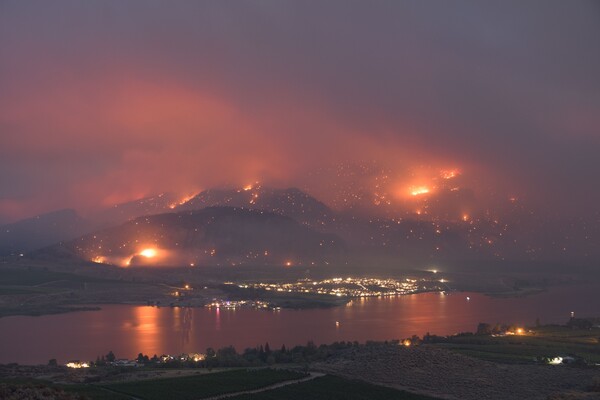
브리티시컬럼비아대(University of British Columbia) 연구진은 산불 이후 식수원 오염이 수개월에서 수년 뒤까지 나타날 수 있어 장기적인 수질 모니터링과 대응이 필요하다고 밝혔다. [사진제공(Photo Source) = 브리티시컬럼비아대(University of British Columbia)]
캐나다 식수는 산불이 진화된 이후에도 장기간 위험에 노출될 수 있다는 연구 결과가 나왔다. 브리티시컬럼비아대학교(University of British Columbia, UBC)가 주도한 글로벌 검토 연구에 따르면, 산불로 인한 수질 영향은 화재 직후뿐 아니라 수개월에서 수년이 지난 뒤에도 나타나는 경우가 많은 것으로 확인됐다.
연구진은 전 세계 유역을 대상으로 한 23건의 연구를 분석해 산불 전후의 퇴적물, 영양염류, 금속, 유기탄소, 이온, 산불 진화 과정에서 사용된 화학물질 등의 농도를 비교했다. 그 결과 기후대와 관계없이 시간이 지날수록 오염이 심화되는 경우가 많았으며, 특히 폭우나 눈 녹은 물이 쌓여 있던 재와 잔해가 하천으로 유입될 때 이런 현상이 두드러졌다.
앨버타 지역 사례 연구, 장기적 영향 확인
이번 검토 연구는 산불 이후 수질 변화를 최소 6개월 이상 추적한 연구들을 중심으로 분석해, 영향이 시간이 지나며 감소하거나 확대되는지 확인하는 데 초점을 맞췄다.
연구 저자인 라울 데 레온 라바고(Raúl de León Rábago) 토목공학 석사과정생은 “동일한 지연성 오염 패턴이 반복적으로 나타났다”고 말했다.
2016년 포트맥머리(Fort McMurray) 산불 이후 유역의 4분의 1 미만만 피해를 본 지역에서도 하천의 퇴적물과 질소, 인, 납 농도가 상승한 것으로 나타났다. 또한 우드버펄로 지역자치구(Regional Municipality of Wood Buffalo)는 산불로 인한 원수 수질 변화에 대응하기 위해 연간 수처리 화학약품 비용을 약 50만 달러(dir 7억 3cjs950만 원) 늘렸다.
앨버타(Alberta) 남부 로키산맥에서 2003년 로스트크리크(Lost Creek) 산불이 발생한 이후 인과 질소 농도는 수년간 높은 수준을 유지한 것으로 나타났다. 2013년 홍수로 쌓여 있던 재와 토양이 다시 하천으로 유입되면서 인 농도는 최대 7~9배까지 급증했으며, 일부 증가 현상은 하류 지역에서 14년 이상 지속됐다. 이와 유사한 장기적 영향은 다른 국가에서도 보고되고 있다.
UBC 산림·환경관리과학부 조교수인 칭스 투(Qingshi Tu) 박사는 “욕조에 재 한 양동이를 쏟아 넣는 상황을 떠올려보라”며 “물을 흔들면 가라앉았던 재가 다시 떠오르듯, 대형 산불 이후 유역에서도 비슷한 현상이 나타날 수 있다”고 설명했다.
연기와 산불 진화 화학물질도 위험 요인
검토 대상 연구 전반에서 산불 발생 이후 퇴적물과 영양염류, 중금속, 다환방향족탄화수소(polycyclic aromatic hydrocarbons, PAHs) 농도가 증가한 것으로 나타났다. PAHs는 식생 등 다양한 물질이 연소될 때 생성되는 화학물질이다. 또한 산불 연기는 오염물질을 불에 타지 않은 유역까지 운반할 수 있는 것으로 확인됐다.
캐나다에서는 브리티시컬럼비아(British Columbia, B.C.)와 앨버타 등지에서 포스체크(Phos-Chek)와 같은 장기 지속형 산불 지연제를 널리 사용하고 있다. 이러한 제품에는 영양염류와 미량 금속이 포함돼 있어 조류 번성을 촉진하고 수처리 비용을 높일 수 있다. 포트맥머리 산불 이후에는 산불의 영향을 받은 원수를 처리하기 위해 화학약품 투입량을 늘려야 했던 것으로 나타났다.
장기 모니터링 통해 지역사회 보호
연구진은 산불 이후 상황에 대한 상수도 운영기관의 대응 능력이 화재의 강도와 지속 기간, 규모, 무엇이 불에 탔는지, 기상 조건, 그리고 정수 처리 시스템 설계 등에 따라 달라진다고 설명했다. 또한 모든 지역의 대응 역량이 동일한 것은 아니며, 예산이 제한된 소규모 지역사회일수록 산불 이후 장기간 이어지는 영향에 더 취약할 수 있다고 덧붙였다.
연구팀은 산불의 확산 양상과 연기, 하천 시스템을 연계한 모델을 개발해 캐나다 수도·정수 운영기관이 수년에 걸친 위험을 예측할 수 있도록 하는 방안을 추진하고 있다. 연구진은 특히 “브리티시컬럼비아와 앨버타 등 산불 위험이 큰 주에서는 장기적인 수질 모니터링과 대응 계획을 통합적으로 마련할 필요가 있다”고 강조했다. 특히 “산불이 식수원 인근에서 발생할 경우 이러한 대비가 더욱 중요하다”고 설명했다.
이 연구의 교신저자이자 UBC 토목공학 교수인 로레타 리(Loretta Li) 박사는 “캐나다는 새로운 산불 위험의 시대에 접어들고 있다”며 “식수를 보호하려면 산불 영향을 단기 문제가 아닌 장기적인 문제로 인식해야 한다”고 강조했다.
연구 결과는 환경과학분야 국제학술지 『Science of the Total Environment(종합 환경 과학)』에 ‘Impacts of wildfire-related chemicals on surface drinking water sources: Status and research gaps(산불 관련 화학물질이 지표 식수원에 미치는 영향: 연구 현황과 공백)’라는 제목의 논문으로 게재됐다.
[원문보기]
Canadian drinking water at risk long after wildfires, UBC study warns
Canada’s drinking water can remain at risk long after wildfires burn out, according to a UBC-led global review that found water-quality impacts often emerge months or years later—not just immediately after a fire.
Researchers analyzed 23 studies across 28 watersheds worldwide, comparing pre- and post-fire levels of sediment, nutrients, metals, organic carbon, ions and wildfire-fighting chemicals. Across climates, contamination often intensified over time, particularly when storms or snowmelt washed stored ash and debris into rivers.
The findings carry particular weight for Canada, where wildfire activity has intensified. In 2023, over 15 million hectares burned, more than twice the previous national record.
Alberta studies show long-lasting impacts
The review focused on studies tracking water quality for at least six months to determine whether impacts fade or grow.
“The same delayed contamination pattern kept appearing,” said Raúl de León Rábago, study author and master’s student in civil engineering.
After the 2016 Fort McMurray wildfire, rivers showed elevated sediment, nitrogen, phosphorus and lead even where less than one-quarter of the watershed had burned. The Regional Municipality of Wood Buffalo increased annual treatment chemical spending by roughly $500,000 to manage wildfire-related changes in raw water.
In Alberta’s southern Rockies following the 2003 Lost Creek wildfire, phosphorus and nitrogen remained high for years. Floods in 2013 washed stored ash and soil back into rivers, causing phosphorus levels to jump to seven to nine times higher, with some increases persisting more than 14 years downstream. Similar long-term effects have been documented internationally.
“Imagine emptying a bucket of ash into a bathtub,” said Dr. Qingshi Tu, assistant professor in the faculty of forestry and environmental stewardship. “When the water is stirred, the ash resurfaces. That’s what can happen in watersheds after large fires.”
Smoke and firefighting chemicals add to risk
Across the reviewed studies, wildfire activity increased sediment, nutrients, heavy metals and polycyclic aromatic hydrocarbons—chemicals formed when vegetation and other materials burn. Smoke can also carry contaminants into unburned watersheds.
Canada relies heavily on long-term fire retardants such as Phos-Chek in B.C. and Alberta. These products contain nutrients and trace metals that can fuel algal blooms and raise treatment costs. After the Fort McMurray wildfire, higher chemical dosing was required to treat wildfire-affected water.
Protecting communities through long-term monitoring
Researchers note that water utilities’ ability to respond depends on fire intensity, duration, size, what burned, weather conditions and treatment system design. Not all systems have equal capacity to adapt, and smaller communities with limited budgets face greater risk from prolonged post-fire impacts.
The team is developing a model linking wildfire behaviour, smoke and river systems to help Canadian utilities anticipate multiyear risks. They say fire-prone provinces such as B.C. and Alberta need coordinated long-term water monitoring and preparedness planning, especially when fires burn near drinking water sources.
“Canada is entering a new era of wildfire risk,” said Dr. Loretta Li, senior author and UBC civil engineering professor. “If we want to protect drinking water, we have to treat wildfire impacts as long-term, not short-term.”
[출처 = 브리티시컬럼비아대(University of British Columbia)(https://news.ubc.ca/2026/03/canadian-drinking-water-at-risk-long-after-wildfires/) / 2026년 3월 4일]
[연구논문 출처 = 『Science of the Total Environment(종합 환경 과학)』(https://www.sciencedirect.com/science/article/pii/S0048969726001324?via%3Dihub) / 2026년 2월 20일]
|  즐겨찾기 추가
 시작페이지로 설정
























