[EU] 뉴캐슬대 등 4개 공동연구팀, “박테리아로 하수로 쉬었다”
국제공동연구팀, 하수 내화학에너지·비료 성분 회수화 가능성 분석
전투전기화학 기술, 기존 하수 조정 에너지 전환 개선
하수가능성을 통해 물·위생 가능성 가능성 목표(SDG 6)로 인해 오염 가능성 제시
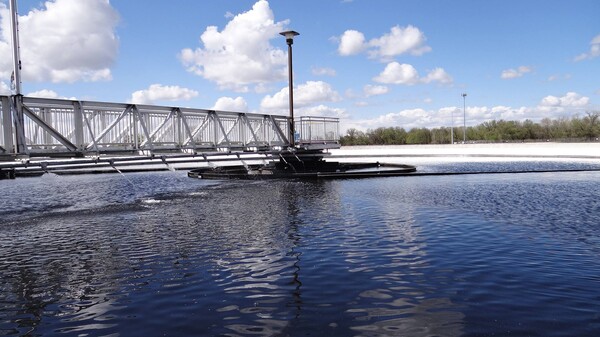
독일·영국·벨기에 합류하는 국제 공동 연구 결과, 전기를 생성하는 성분을 활용한 '미생물 전기 기술(METs)'이 하수에 포함된 에너지와 영양분을 회수해 물재이용과 분리에 기여할 수 있는 화학 능력을 찾을 수 있습니다. [사진출처(사진 출처) = 아이다호주(State of Idaho)]
독일·영국·벨기에 합류하는 국제 공동 연구 결과, 전기를 생성하는 성분을 활용한 '미생물 전기 기술(Microbial Electrochemical Technologies, METs)'이 하수에 포함된 에너지와 영양분을 회수해 물재이용과 분리 개선에 기여할 수 있는 능력을 가지고 있습니다.
이 연구는 영국 뉴캐슬대학교(Newcastle University), 독일 그라이프스발트대학교(University of Greifswald), 사우샘프턴대학교(University of Southampton), 벨기에 플랑드르 기술연구소(Flemish Institute for Technological Research, VITO)가 공동으로 조사했으며, 국제학술지 『Frontiers in Science(런티어즈 인사이언스)』최근호에 게재되었습니다.
마찰에 따라서는 매년 약 3천590억m³의 하수 발생이 발생하고, 호수(제네바 호수)를 네 번재울 수 있는 크기다. 이 가운데 오직 하수의 오류는 처리되지 않은 채 오류를 범하고, 나머지는 오직이용을 위해 비용이 많이 비효율적인 방식으로 처리되고 있습니다.
하수는 화장실, 샤워, 세탁 등 일상 생활에서 발생하는 생활하수뿐 아니라 산업·상업 활동에서 발생하는 세척수, 냉각수, 청소수, 그리고 가정 주방, 음식점, 식품 가공 과정에서 발생하는 배출수를 포함한다. 이러한 하수에는 유기물과 영양분이 다량 포함돼 있다.
연구진은 하수에 포함된 이러한 자원이 회수될 경우 농업과 전세계 위생 시스템, 하수 처리 공정 자체에 활용될 수 있으며, 유엔의 지속가능발전목표(SDGs) 달성에도 기여할 수 있다고 분석했다.
엘리자베스 하이드리히(Elizabeth Heidrich) 뉴캐슬대학교 환경공학 선임강사이자 공과대학 연구책임자는 “하수에 포함된 물질들은 우리가 버릴 수 없는 귀중한 화학물질”이라며 “이를 제거한 뒤 남은 물은 농작물 관개나 산업용 냉각 등 다양한 방식으로 재이용할 수 있고, 추가 처리를 거쳐 식수로도 사용할 수 있다”고 밝혔다.
연구진의 분석에 따르면 전세계 하수에는 80만GWh 이상의 화학에너지가 포함돼 있으며, 이는 원자력발전소 100기의 연간 발전량에 해당한다. 또한 하수에는 농업용 비료에 사용되는 영양분이 풍부해, 이를 회수할 경우 전세계 암모니아 수요의 11%, 인산염 수요의 약 7%를 충당할 수 있는 것으로 나타났다.
우베 슈뢰더(Uwe Schröder) 독일 그라이프스발트대학교 교수는 “전세계 하수에는 막대한 양의 화학에너지가 포함돼 있으며, 이는 원자력발전소 100기의 연간 전력 생산량에 해당한다”며 “하수에 포함된 영양분을 회수할 경우 전 세계 암모니아 수요의 11%, 인산염 수요의 약 7%를 공급할 수 있다”고 설명했다.
연구진은 미생물 전기화학 기술(METs)이 전자를 생성하는 박테리아를 활용해 하수를 처리하는 방식이라고 설명했다. 기존 하수 처리 공정에서 활용되는 혐기성 소화 기술은 하수 내 화학에너지의 약 28%만을 전기로 전환하는 데 그치지만, METs는 실험실 조건에서 최대 35%까지 전환이 가능한 것으로 나타났다.
이 박테리아들은 연료전지 내 전극과 연결될 경우 주변으로 전자를 전달해 전류를 생성한다. 연구진은 이러한 기술이 기존 하수 처리 시스템에 통합될 경우 처리 효율을 개선할 수 있다고 분석했다. 또한 이론적으로는 이렇게 생성된 전력이 현재 전세계 에너지 사용량의 약 4%를 차지하는 물 관리 부문 운영에도 활용될 수 있다고 설명했다.
METs는 이미 여러 현장 실험을 통해 성능이 검증됐다. 소변을 연료로 사용하는 MET 시스템인 ‘Pee Power®’는 2015년 영국 글래스턴베리 페스티벌(Glastonbury Festival)에서 시범 운영됐으며, 이후 우간다, 케냐, 남아프리카공화국에서 장기 현장 실험을 통해 성과를 입증했다. 이 시스템은 하수를 전기로 전환해 화장실 주변 조명을 공급함으로써 전력 공급이 없는 지역의 안전 위험을 줄이는 데 활용됐다.
연구진은 METs가 하수에서 영양분을 제거함으로써 자원 회수와 수질 오염 저감을 동시에 달성할 수 있다고 평가했다. 영양분이 풍부한 하수가 수계로 방류될 경우 조류 번성을 유발해 물고기의 산소를 고갈시키는 문제를 일으킬 수 있기 때문이다.
이오아니스 이에로풀로스(Ioannis Ieropoulos) 사우샘프턴대학교 교수는 “전 세계적으로 약 35억 명이 관리된 위생 서비스에 접근하지 못하고 있다”며 “하수 처리 확대는 세계 최빈층의 생활 여건을 개선하고 생태계 피해를 예방하는 데 기여할 수 있으며, 미생물 전기화학 기술은 유해한 하수를 가치 있는 자원으로 전환하는 지역 기반 해법이 될 수 있다”고 말했다.
연구진은 METs의 광범위한 도입을 위해서는 규제와 기술적 과제를 해결해야 한다고 지적했다. 많은 국가에서 폐기물 재활용을 전제로 한 순환경제가 기존 규제 체계와 충돌하고 있으며, 예를 들어 소변 유래 비료는 식량이나 사료 생산에 사용할 수 없는 경우가 많다. 또한 MET 소재가 연속 운전 환경에서도 높은 성능을 유지하도록 하는 공학적 과제도 남아 있다.
팔크 하르니슈(Falk Harnisch) 독일 헬름홀츠 환경연구센터(Helmholtz Centre for Environmental Research) 교수는 “하수로 가정에 전력을 공급하는 것은 현실적으로 어려울 수 있지만, 미생물 전기화학 기술은 기존 하수 처리 공정을 강화할 수 있다”며 “특히 고농도 하수나 기존 처리 방식이 비용 문제로 적용되지 않는 지역에서 METs의 도입은 큰 효과를 낼 수 있다”고 밝혔다.
[원문보기]
Bacteria could unlock untapped resources from wastewater
Scientists reveal how bacteria could help reclaim energy, nutrients and clean water from wastewater.
Wastewater contains untapped resources that, if reclaimed, could power agriculture, global sanitation, and its own treatment to help us meet UN SDG goals, according to a review co-authored by Newcastle University experts and published in Frontiers in Science.
Every year, we produce about 359 billion cubic meters of wastewater globally—enough to fill Lake Geneva four times over.
Half of global wastewater is discarded, with the rest expensively and inefficiently treated for re-use. Emerging microbially-powered tech could reclaim these resources from the drain, save money, and reduce environmental harms.
Wastewater is water that’s been used and carries organic matter and nutrients—from everyday sewage (toilets, showers, laundry), industrial/commercial water (rinsing, cooling, cleaning), and food-related streams (kitchens, restaurants, food processing).
Dr Elizabeth Heidrich, Senior Lecturer in Environmental Engineering, Director of Research for the School of Engineering and co-author of the review, said: “These are valuable chemicals that we cannot afford to throw away. After removal, the resulting water can be reused in many ways, like watering crops or industrial cooling. It could then be further treated to produce drinking water.”
“Globally, our wastewater contains over 800,000 GWh of chemical energy—equivalent to the annual output of 100 nuclear power plants. It’s also rich in nutrients used in agricultural fertilizers which, if reclaimed, could supply 11% of global demand for ammonia and about 7% for phosphate,” said lead author Prof Uwe Schröder at the University of Greifswald, Germany.
This new review by an international team of researchers explores how technologies using electricity-generating bacteria—like those already piloted at the UK’s Glastonbury Festival and in field trials in Uganda, Kenya, and South Africa—could help us reclaim resources currently being flushed away.
However, the researchers argue that deploying this on a larger scale will need a broad coalition of researchers, water providers, and policymakers, to overcome its challenges—which range from the over-regulation of circular economics to engineering obstacles.
A circular economy of energy and nutrients
The researchers discuss microbial electrochemical technologies (METs) as a more efficient way to treat wastewater, using microbes known as electrogenic bacteria.
While microbes are already used to treat wastewater through anaerobic digestion, this approach converts just 28% of chemical energy to electricity. METs could be integrated into, and improve, such systems.
These bacteria transfer electrons to their surroundings, creating an electrical current when they are connected to electrodes in a fuel cell. In laboratory settings, they can convert up to 35% of wastewater’s chemical energy into electricity. The authors say that, in principle, the power generated could even help run the water sector itself, which currently accounts for around 4% of global energy use.
The microbes can also help to extract nutrients from wastewater, cleaning it for further use. These critical fertilizer ingredients are typically produced in energy-intensive or unsustainable processes.
Removing these compounds from wastewater would have the double benefit of reclaiming valuable resources and reducing pollution—as releasing nutrient-rich wastewater can cause algal blooms in waterways, which starves fish of oxygen.
There may be many other niche applications, from recycling nutrients in hydroponic systems to powering self-sustaining sensors that detect pollution.
Sanitation for all
The researchers argue that, by enhancing both sanitation and resource recovery, METs present a compelling solution to address the UN’s sixth Sustainable Development Goal to ensure availability and sustainable management of water and sanitation for all.
METs have proved efficient in pilot trials, offering the opportunity to treat more water under a wider range of conditions. For example, a urine-powered MET called Pee Power® was trialed at the Glastonbury Festival in 2015, one of the world’s largest outdoor music festivals.
It has since proved successful in longer-term field trials in Uganda, Kenya, and South Africa. The system converts wastewater to electricity, powering lighting around the toilets to reduce safety risks in areas without an electricity supply.
“The journey of METs over the last twenty years has moved us from understanding the 'microbial black box' to building modular, scalable systems capable of real-world impact. We are now at a stage where these technologies are technically feasible; the next step is ensuring they are economically competitive with traditional treatment methods.
By strategically integrating METs into our existing infrastructure, we can transform global wastewater management into a self-sustaining engine for resource recovery,” said Dr Deepak Pant from the Flemish Institute for Technological Research (VITO), Belgium.
“Globally, about 3.5 billion people cannot access managed sanitation. Expanding wastewater treatment could help improve living conditions for many of the world’s poorest people, as well as preventing ecological damage. Microbial electrochemical technologies could be a local solution to turn harmful sewage into a valuable resource,” said co-author Prof Ioannis Ieropoulos from University of Southampton, who also serves as a director of MET-C which is commercializing the microbial fuel cell technology.
Overcoming obstacles
Despite their potential, these technologies face challenges to widespread adoption. Tight regulatory frameworks are often not suited for circular economies that repurpose waste. For example, in many countries, urine-derived fertilizer cannot be used for growing food or animal feed.
There are also engineering obstacles in ensuring that the MET materials maintain high performance when running continuously.
“While it would be a stretch to imagine powering our homes with wastewater, microbial electrochemical technologies could enhance existing water treatment processes. Rolling METs out widely would be especially beneficial for heavy loaded types of wastewater or in places where existing treatment is too expensive or doesn’t reach everyone,” said co-author Prof Falk Harnisch, from the Helmholtz Centre for Environmental Research, Germany.
[출처 = 뉴캐슬대학교(Newcastle University)(https://www.ncl.ac.uk/press/articles/latest/2026/02/wastewaterbacteria/) / 2026년 2월 24일]
[연구논문 출처 = 『Frontiers in Science(프런티어즈 인사이언스)』 ( https://www.frontiersin.org/journals/science/articles/10.3389/fsci.2026.1688727/full ) / 2026년 2월 24일]
|  즐겨찾기 추가
 시작페이지로 설정
























