[북아메리카] [2026] [미국] 라이스대 연구진, 차세대 물·에너지 분리막 개발 방향 제시
이름
관리자
작성일
2026-02-23
조회수
1786
파일첨부
[미국] 라이스대 연구진, 차세대 물·에너지 분리막 개발 방향 제시
분자 수준 이동 메커니즘 규명 통해 고효율·고선택성 막 설계 로드맵 제시
파리 워크숍 계기 RiCeME 출범…물·에너지·지속가능성 분야 연구 거점 본격화
국제학술지 『Nature Water』 최근호에 게재
라이스대학교(Rice University) 연구진이 막 내부 물·이온 이동 메커니즘을 분자 수준에서 규명하기 위한 다중 스케일 전략을 제시하며 차세대 물·에너지 분리막 설계 방향을 제안했다. [사진제공(Photo Source) = 라이스대학교(Rice University)]
수도꼭지를 틀거나 전기차를 충전하고, 청정 수소로 만든 제품을 사용할 때 우리는 그 기반 기술을 쉽게 떠올리지 않는다. 그러나 이러한 공정을 가능하게 하는 핵심 기술이 바로 눈에 보이지 않을 만큼 작은 기공이 뚫린 초박형 필름, 즉 ‘막(membrane)’이다. 막 기술은 수질 정화와 유용 광물 회수는 물론, 차세대 청정에너지 시스템 구현에도 중요한 역할을 한다.
그러나 이처럼 막 기술의 중요성에도 불구하고, 물과 이온이 이들 필름을 통과하는 분자 수준의 이동 메커니즘은 아직 완전히 규명되지 않았다.
미국 라이스대학교(Rice University) 연구진과 국제 공동 연구진이 주도한 초청 관점 논문이 국제학술지 『Nature Water(네이처 워터)』에 게재됐다. 연구진은 이번 논의를 통해 그간 충분히 규명되지 않았던 막 내부에서의 물과 이온 이동 메커니즘에 대한 이해를 한 단계 끌어올리겠다는 목표를 제시했다.
해당 논문은 지난 3월 프랑스 파리에 위치한 라이스 글로벌 파리 센터(Rice Global Paris Center)에서 열린 워크숍을 계기로 마련됐다. 이 자리에는 전 세계 전문가들이 참석해 막 과학의 미래 발전 방향을 집중적으로 논의했다.
아울러 같은 행사에서 라이스대는 물·에너지·지속가능성 분야에 적용할 차세대 막 소재 개발을 목표로 하는 ‘라이스 막 우수성 센터(Rice Center for Membrane Excellence, RiCeME)’ 출범을 공식 발표했다.
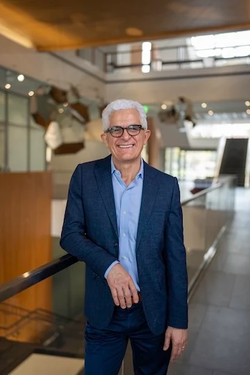
메나헴 엘리멜렉(Menachem Elimelech) 라이스대학교(Rice University) 토목·환경공학과 낸시 앤 클린트 칼슨 석좌교수이자 라이스 막 우수성 센터(Rice Center for Membrane Excellence, RiCeME) 소장. [사진제공(Photo Source) = 라이스대학교(Rice University)]
이번 논문의 교신저자인 메나헴 엘리멜렉(Menachem Elimelech) 라이스대학교 토목·환경공학과의 낸시 앤 클린트 칼슨 석좌교수이자 RiCeME 소장은 “이번 연구는 막 과학의 새로운 시대를 여는 토대를 마련했다”고 밝혔다.
이어 “그동안 우리는 막을 일종의 ‘블랙박스’처럼 다뤄왔다”며 “이제는 분자 규모에서 물질 이동 과정을 이해하기 시작했고, 이는 훨씬 성능이 뛰어난 막을 설계할 수 있는 길을 열어준다”고 설명했다.
캐롤라인 레반더(Caroline Levander) 라이스대학교 글로벌 전략 담당 부총장은 “이번 연구 성과가 구체화되면서 라이스대가 애초에 라이스 글로벌 파리 센터에 투자한 이유를 다시 확인하게 됐다”고 말했다.
그는 “해당 센터에서 개최하는 워크숍과 학술대회는 지속적이고 국제적인 지적 교류를 촉진하기 위해 마련됐다”며 “이번 『Nature Water』 관점 논문은 이러한 논의가 엄밀한 공동 연구로 이어지고, 나아가 현실 세계에 영향을 미칠 수 있음을 보여준다”고 설명했다. 그는 이어 “이는 우리 대학의 글로벌 연구 생태계가 의도대로 작동하고 있음을 보여준다”고 덧붙였다.
막 기술은 해수담수화와 정수 처리, 안전한 하·폐수 재이용, 리튬과 같은 유가 원소 회수, 그린 수소 생산 등 우리가 일상적으로 의존하는 다양한 공정의 핵심 기반이다.
캐롤라인 레반더(Caroline Levander) 라이스대학교(Rice University) 글로벌 전략 담당 부총장. [사진제공(Photo Source) = 라이스대학교(Rice University)]
이들 기술의 공통된 목표는 물이나 특정 이온을 통과시키고 다른 물질은 차단하는 데 있다. 그러나 기존 막은 성능 간 상충 관계를 안고 있다. 투과 속도를 높이면 선택도가 떨어지기 쉽고, 선택도를 높이면 공정 속도가 느려지는 한계가 있다.
엘리멜렉 석조교수는 “점진적인 개선만으로는 전 세계 물·에너지 문제를 해결할 수 없다”며 “이들 막 내부에서 실제로 어떤 일이 일어나는지에 대한 보다 근본적인 과학적 이해가 필요하다”고 강조했다.
해당 관점 논문은 최근 빠르게 발전하고 있는 세 가지 연구 분야의 주요 성과를 조명했다.
분자 시뮬레이션(Molecular simulations)
컴퓨터 모델을 활용한 분자 시뮬레이션 기술이 발전하면서, 연구자들은 옹스트롬 규모의 미세 기공을 통과하는 물과 이온의 움직임을 관찰할 수 있게 됐다. 그 결과 물은 개별 분자가 아니라 클러스터 형태로 이동하며, 이온은 기공 내부로 들어가는 데 필요한 데 물분자 ‘수화 껍질(hydration shell)’을 제거하기 어렵다는 사실이 확인됐다.
나노유체역학·옹스트로플루이딕스(Nanofluidics and angstrofluidics)
단일 나노튜브와 2차원 슬릿 구조를 활용한 실험에서는 초고속 물이동, 강한 이온 차단 현상, 나아가 양자 효과의 가능성까지 시사하는 예상 밖의 거동이 관찰됐다. 이 같은 미세 ‘시험 채널(test channels)’은 실제 막에서 작동하는 물리적 원리를 규명하는 데 중요한 단서를 제공한다.
첨단 실험 기법(Advanced experimental tools)
최신 현미경 기술과 엑스선, 중성자 분석 기법의 발전으로 막의 구조를 그 어느 때보다 정밀하게 관찰할 수 있게 됐다. 그 결과, 성능이 가장 우수한 막조차도 복잡하고 역동적인 기공 네트워크를 지니고 있다는 사실이 확인됐다.
이들 접근법을 결합함으로써 연구자들은 막을 구성하는 치밀하고 복잡한 통로를 따라 물과 이온이 어떻게 이동하는지 구체적으로 파악하고 있다. 또한 어떤 이온은 차단되고 다른 이온은 통과하는 이유에 대해서도 이해의 폭을 넓혀가고 있다.
연구진은 분자 수준의 통찰을 실제 막 설계로 연결하기 위한 다중 스케일 전략도 제시했다. 우선, 근본적 거동을 분리해 분석하기 위해 구조가 명확히 규정된 단일 나노채널을 연구한다. 다음으로 동일한 채널을 다수 포함한 모델 막을 구축해 집단적 수송 특성을 파악한다. 마지막으로 이렇게 축적된 지식을 구조가 훨씬 복잡한 상용 고분자 막 개선에 적용한다는 전략이다.
엘리멜렉은 “이것이 우리가 그동안 놓치고 있던 연결고리”라며 “단일 분자 수준에서 일어나는 현상을 실제 장치의 성능과 연결할 수 있다면, 전례 없는 수준의 효율성과 선택성을 갖춘 막을 설계할 수 있을 것”이라고 밝혔다.
특히 이번 관점 논문은 파리 워크숍을 이끈 협력 정신과 RiCeME에 담긴 포부를 그대로 반영하고 있다.
엘리멜렉 석조교수는 “라이스대학교는 분자 모델링과 나노유체역학, 첨단 소재, 대규모 막 공학을 아우를 수 있는 독보적인 역량을 갖추고 있다”고 말했다. 이어 그는 “이러한 강점을 결집하면 막 설계 방식을 근본적으로 재구상하고, 깨끗한 물과 지속 가능한 화학 산업, 재생에너지 분야를 위한 해법을 마련할 수 있을 것”이라고 말했다.
[원문보기]
New Rice-led perspective charts path to next-generation water and energy membranes
When you turn on a faucet, charge an electric vehicle or use products made with clean hydrogen, you may not realize that membranes — ultrathin films perforated with pores too small to see — make these modern processes possible. They purify water, recover valuable minerals and help power emerging clean-energy technologies.
But despite their enormous importance, researchers still don’t fully understand how water and ions move through these films at the molecular level.
A new invited perspective in Nature Water, led by Rice University researchers and international collaborators, aims to change that. The paper emerged from a workshop held in March at the Rice Global Paris Center, where experts from around the world gathered to discuss the future of membrane science.
At the same event, Rice announced the launch of the Rice Center for Membrane Excellence (RiCeME), a hub focused on designing advanced membrane materials for water, energy and sustainability applications.
“This work sets the foundation for a new era of membrane science,” said Menachem Elimelech, corresponding author of the paper, the Nancy and Clint Carlson Professor in Civil and Environmental Engineering and director of RiCeME.
“Our models have traditionally treated membranes as black boxes. Now, we’re beginning to understand transport at the molecular scale, which opens the door to designing far better membranes.”
“Seeing work like this take shape affirms why Rice invested in the Rice Global Paris Center in the first place,” added Caroline Levander, vice president for global strategy. “The workshops and conferences we host there are designed to create sustained, international intellectual exchange, and this perspective in Nature Water demonstrates how those conversations can translate into rigorous, collaborative research with real-world impact. It is tangible evidence that our global research ecosystem is functioning as intended.”
Membranes are central to processes we depend on every day, including desalination and water purification, safe wastewater reuse, recovering valuable elements such as lithium and producing green hydrogen.
At the heart of all these technologies is the same goal: letting water or certain ions pass through while keeping others out. But existing membranes face trade-offs. Increasing speed often reduces selectivity, and improving selectivity can slow everything down.
“We can’t solve global water and energy challenges with incremental tweaks,” Elimelech said. “We need a deeper scientific understanding of what actually happens inside these membranes.”
The perspective highlights breakthroughs from three rapidly advancing areas of research:
Molecular simulations: Computer models now allow scientists to watch water and ions move through angstrom-scale pores — revealing that water flows in clusters, not as individual molecules, and that ions struggle to shed tightly bound “shells” of water needed to squeeze inside.
Nanofluidics and angstrofluidics: Experiments with single nanotubes and 2D slits show surprising behaviors, including ultrafast water transport, strong ion exclusion and even hints of quantum effects. These tiny “test channels” help researchers uncover the physics that governs real membranes.
Advanced experimental tools: New microscopy, X-ray and neutron techniques can probe the structure of membranes more precisely than ever, confirming that even the best-performing membranes have complex, dynamic pore networks.
By combining these approaches, researchers are beginning to map how water and ions navigate the dense, tangled pathways that make up a membrane, and they are helping to shed light on why some ions are rejected while others slip through.
The team outlines a multiscale strategy to connect molecular insights to real-world membrane design: first, study single, well-defined nanochannels to isolate fundamental behavior; second, build model membranes with many identical channels to understand collective transport; and third, apply this knowledge to improve commercial polymer membranes, which have much more complex structures.
“This is the bridge we’ve been missing,” Elimelech said. “If we can connect what happens at the scale of single molecules to performance at the scale of real devices, we can design membranes with unprecedented efficiency and selectivity.”
Notably, this perspective reflects the collaborative spirit that drove the Paris workshop — and the ambition behind RiCeME.
“Rice is uniquely positioned to bring together molecular modeling, nanofluidics, advanced materials and large-scale membrane engineering,” Elimelech said. “By uniting these strengths, we can rethink how membranes are designed and unlock solutions for clean water, sustainable chemistry and renewable energy.”
 즐겨찾기 추가
 시작페이지로 설정