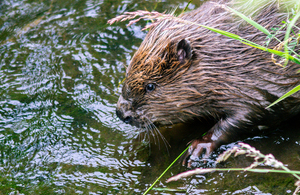
영국 자연청(Natural England)은 자연 복원을 위해 영국 사우스 웨스트 잉글랜드 지역 두 곳에 비버 방사를 승인했다고 밝혔다.
비버는 뛰어난 생태계 조성자이자 기후 변화에 대한 방어벽을 만들고 야생 동물의 풍요로운 서식지인 습지를 조성하는 데 기여하는 중요한 종이다. 비버는 자신이 만든 서식지가 수많은 다른 종에게 이롭기 때문에 핵심종으로 알려져 있으며, 한때 영국에 풍부했지만 남획으로 인해 자연에서 자취를 감쳤다.
이에 영국 정부(UK GOV)는 지난해 2월 28일(현지시각) 생태계 엔지니어인 유라시아 비버(Eurasian beaver)를 재도입을 허용한 바 있으며, 이에 따라 최근 몇 년 동안, 비버는 허가된 방사 시설과 데번 지역의 제한적인 야생 방사 시범 사업을 통해 수로로 다시 돌아오고 있다.
마리안 스페인(Marian Spain) 영국 자연청 최고경영자는 "사우스 웨스트 잉글랜드에 비버를 재도입하는 것은 이 지역의 자연 복원에 큰 변화를 가져올 잠재력을 지닌 중요한 이정표"라면서 "비버의 성공적인 복귀는 헌신과 신뢰를 바탕으로 한 잘 계획된 협력 프로젝트에 달려 있으며, 우리는 자연과 지역 사회 모두를 위해 올바른 방향으로 나아가기 위해 최선을 다할 것"이라고 말했다.
메리 크레그(Mary Creagh) 영국 환경식품농림부(Defra) 자연 담당 장관은 "비버는 우리의 자연 경관에 놀라운 이점을 가져다준다. 다른 야생 동물에게 안식처를 제공하고, 홍수와 가뭄의 영향을 줄이며, 하천의 수질을 개선하는 데 도움을 준다"고 말했다.
이어 "비버의 복귀는 자연을 보호하고 복원하려는 정부의 사명에 있어 매우 중요한 부분입니다. 저는 이러한 프로젝트들이 시작되고 앞으로 더 많은 비버 방사가 이루어지기를 기대한다"고 덧붙였다.
제니 발머(Jenni Balmer) 영국 환경청(Environment Agency) 자연복원 부국장 "사우스 웨스트 잉글랜드 두 유역에 새로운 비버를 방사하게 되어 기쁘다. 자연청과 협력하여 홍수 위험과 어업 등 여러 가지 어려움을 관리하면서 이점을 극대화할 수 있도록 이러한 프로젝트를 구체화했다. 잘 계획된 이번 방사는 사람과 자연 모두에게 큰 이익을 가져다줄 것이며, 전국적인 야생 동물 방사 사업의 일환으로 앞으로도 계속해서 적극적으로 지원할 것"이라고 말했다.
비버의 귀환은 농업, 식량 생산 및 기반 시설과의 잠재적 갈등을 최소화하기 위해 신중하게 관리되고 있다. 야생 방사 프로젝트는 비버가 해당 지역에 성공적으로 정착할 수 있도록 10년 계획을 제시해야 하며, 이를 바탕으로 영국 자연청은 허가를 내줄 예정이다.
영국 자연청은 비버 야생 방사 기준을 충족할 가능성이 있는 32개 프로젝트를 선정했으며, 그중 11개 프로젝트에 신청 자격을 부여했다. 이 프로젝트들은 잘 계획되고 자원이 풍부하며, 혜택이 위험보다 큰 프로젝트에 우선순위를 두고 있다. 이러한 점진적인 접근 방식은 지역 사회가 적응할 시간을 확보하고 신뢰를 쌓으며 비버가 영구적이고 가치 있는 환경의 일부가 되도록 보장한다.
[원문보기]
Beavers to be released in South West England in coming weeks
Natural England has approved the release of beavers at two projects in South West England.
In the latest milestone for nature recovery, Natural England has approved the release of beavers at two projects in South West England.
It follows the first licensed release of wild Eurasian beavers in Dorset last year after a landmark government decision to allow wild beaver release after centuries of absence from our waterways.
Beavers are prodigious ecosystem engineers and proven climate champions – creating natural flood defences and building wetlands which are thriving havens for wildlife. Known as a keystone species because the habitats they create benefit myriad other species, they were once abundant in England but became extinct due to overhunting. In recent years, beavers have been returning to our waterways through a system of licensed releases into enclosures, and a limited trial of wild release in Devon.
Chief Executive of Natural England Marian Spain said:
"Reintroducing beavers to South West England is a significant milestone with the potential to make a huge difference to nature recovery in the region."
"The successful return of beavers depends on well-planned, collaborative projects built on engagement and trust, and we are committed to getting it right for both nature and communities."
Nature Minister Mary Creagh said:
"“Beavers bring extraordinary benefits to our natural landscapes – they create havens for other wildlife, help reduce the impact of flood and droughts, and improve water quality in our rivers."
"The return of beavers is a vital part of this government’s mission to protect and restore nature. I look forward to these projects getting going and more future beaver releases."
Environment Agency Deputy Director for Nature Recovery Jenni Balmer said:
"We’re excited to back new beaver releases in two south‑west catchments. Working with Natural England, we’ve helped shape these projects to maximise benefits while managing challenges, especially for flood risk and fisheries. These well‑planned releases promise big wins for people and nature, and we’ll keep championing them as part of our wider work on wild releases nationwide."
The return of beavers is being carefully managed to minimise any potential conflict with farming, food production and infrastructure. Wild release projects need to demonstrate 10-year plans to support the introduction of beavers into a landscape before Natural England will consider granting them a licence.
Natural England has identified 32 projects with potential to meet the beaver wild release criteria, and eleven have already been invited to apply - prioritising well-planned and well-resourced projects where the benefits outweigh the risks. This gradual approach allows local communities time to adapt, building trust and ensuring that beavers become a permanent and valued part of the landscape.
 즐겨찾기 추가
 시작페이지로 설정