[호주] 남호주 환경·수자원부, 1천700만달러 규모 습지 서식지 복원 사업 착수
1천700만달러 투입, 남호주 습지 35곳·서식지 120㎞ 대상
쿠롱·로어 레이크스·머리 머스 람사르 습지 포함
연방정부 재원·남호주 주정부 시행 공동 프로그램
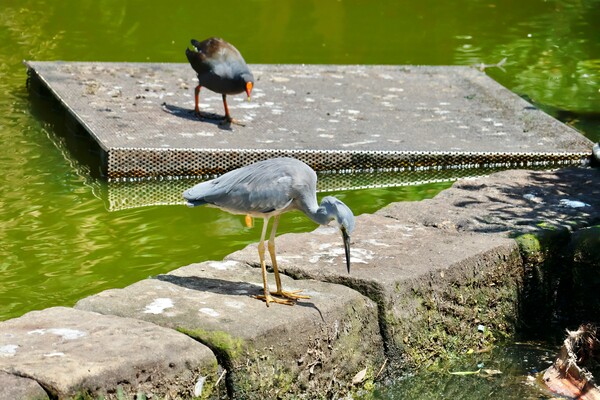
남호주 주정부가 호주 연방정부 재원을 바탕으로 1천700만 달러(약 246억8천만 원) 규모의 도요·물새 및 습지 서식지(Shorebird and Wetland Habitat, SaWH) 공동 프로그램을 시행하며, 남호주 전역 30곳 이상의 습지 개선과 핵심 서식지 복원 사업에 착수했다. [사진제공(Photo Source) = Unsplash]
남호주 주정부가 호주 연방정부 재원을 바탕으로 1천700만 달러(약 246억8천만 원) 규모의 도요·물새 및 습지 서식지(Shorebird and Wetland Habitat, SaWH) 공동 프로그램을 시행하며, 남호주 전역 30곳 이상의 습지 개선과 핵심 서식지 복원 사업에 착수했다.
SaWH 프로그램은 국제적으로 인정받은 쿠롱(Coorong)과 알렉산드리나(Lake Alexandrina)·앨버트(Lake Albert) 호수 람사르 습지를 포함해 쿠롱, 로어 레이크스(Lower Lakes), 머리 머스(Murray Mouth) 지역과 남동부 지역 전반을 지원한다.
이 프로그램은 35개 습지 부지와 120㎞에 달하는 서식지에서 25개 사업을 추진하며, 최근 ‘위급(Critically Endangered)’ 등급으로 지정된 로어 머리강(Lower Murray River) 생태계를 포함한 지역의 다양한 식물과 동물을 대상으로 한다.
투입되는 예산은 물관리 개선을 위한 신규 기반시설 구축, 먹이활동을 하는 물새와 기타 멸종위기종의 핵심 번식 서식지 개선, 들여온 여우와 고양이의 위협 저감, 해로운 어종 차단을 통한 잡초 관리 및 핵심 종 보호 강화를 지원하는 데 활용된다.
주요 사업으로는 머리 머스의 생태·문화적으로 중요한 지역에 위치한 문두 아일랜드 스테이션(Mundoo Island Station) 매입이 포함된다. 기존 소·양 방목지는 확장된 쿠롱 국립공원에 편입되며, 1월 초 매입 발표 이후 수십 종의 철새를 지원하는 람사르 지정 지역에서 대규모 습지 복원과 재생 작업이 진행될 예정이다.
쿠롱 지역 해변 번식 도요·바닷새 핵심 서식지 보호 사업도 추진된다. 이 사업은 버드라이프 오스트레일리아가 주도하며, 머리 머스와 쿠롱 해변 28㎞ 구간에 걸쳐 취약한 요정제비갈매기(fairy tern)와 동부후디드도요(eastern hooded plover) 번식지를 보호한다. 사업팀은 나렌제리(Ngarrindjeri) 원주민 법인과 협력해 울타리와 안내 표지판을 설치하고 지역사회 참여를 통해 성공적인 번식 여건을 마련할 계획이다.
부처스 레이크(Butchers Lake) 유입구 개선 사업은 사우스이스트워터(South Eastern Water) 수자원 보전·배수위원회가 주도한다. 킹스턴(Kingston) 남쪽에 위치한 부처스 레이크의 노후 수문을 교체해 수위 관리를 개선하고 물공급을 확대함으로써 지속 가능한 먹이터를 조성한다.
쿠마랑크(Kumarangk) 힌드마시 아일랜드(Hindmarsh Island)의 그레이 크릭(Grey Creek) 수로망 서식지 및 수리 환경 개선 사업은 머리랜즈·리버랜드(Murraylands and Riverland) 경관위원회가 주도하며, 16헥타르 규모의 습지 서식지와 수로 일부를 대상으로 한다. 노후 횡단 구조물과 갈대를 제거하고 여울을 낮춰 수리 흐름을 개선함으로써 토착 멸종위기 어종의 재도입을 가능하게 한다. 헌터스 크릭(Hunters Creek)과의 연결성 향상은 물새 이용을 늘리고 수생식물, 개구리, 거북류의 서식지를 제공한다.
마운트 버르(Mount Burr) 습지 서식지 복원 보호구역 사업은 네이처 글레넬그 트러스트(Nature Glenelg Trust)가 주도한다. 소규모 유량 조절 구조물을 설치해 최대 40헥타르까지 습지를 확장하고, 복원된 환경으로 모기어(mosquitofish)가 유입돼 취약한 남부종개구리의 알과 올챙이를 포식하는 것을 차단한다. 보호구역 내 식생 복원 작업을 통해 오스트랄라시아비터(Australasian bittern)와 브롤가(brolga) 등 토착종을 위한 가장자리 서식지도 조성된다.
남호주 환경·수자원부는 지역사회 단체, 토지 소유주, 경관위원회와 협력해 사업 기획과 추진을 지원하고, 소규모 습지를 대상으로 한 복원이 누적적으로 각 지역 전반에 큰 효과를 내도록 할 계획이다. 퍼스트 네이션 공동체도 협의에 참여해 전통적 땅과의 연결과 문화적 책무를 이행하는 동시에, 건강한 도요 개체군과 습지 서식지의 장기적 보전을 지원한다.
SaWH 프로그램은 호주 연방정부가 재원을 지원하고 남호주 주정부가 시행한다.
[원문보기]
$17 million Shorebird and Wetland Habitat program takes flight
Works to improve more than 30 South Australian wetlands and restore vital habitat are underway through a joint $17 million government program.
The Shorebird and Wetland Habitat (SaWH) program will support sites across the Coorong, Lower Lakes and Murray Mouth – including the internationally recognised Coorong and Lakes Alexandrina and Albert Ramsar wetland – as well as South East regions.
Spanning 25 projects across 35 wetland sites and 120 kilometres of habitat, the program covers a diverse range of plants and animals in a region encompassing the Lower Murray River ecosystem – recently listed as critically endangered.
The funding will help deliver new infrastructure for better water management, improve critical breeding habitat for foraging waterbirds and other threatened species, and strengthen weed control and protection of key species by reducing threats from feral foxes and cats and screening for pest fish.
Examples of projects building on habitat restoration and resilience activities include:
Mundoo Island Station acquisition: Located at an important ecological and cultural site at the Murray Mouth, the former cattle and sheep station will be transformed from a grazing property and added into an expanded Coorong National Park. Following the acquisition announced in early January, the site will undergo significant wetland restoration and rehabilitation in an Ramsar listed area which supports dozens of migratory bird species.
Protecting critical habitat of beach-nesting shorebirds and seabirds in the Coorong: Led by Birdlife Australia, the project will protect vulnerable fairy tern and eastern hooded plover breeding colonies at the Murray Mouth and along a 28-kilometre stretch of the Coorong Ocean Beach.
Partnering with the Ngarrindjeri Aboriginal Corporation, the team will install fencing and signage and engage the local community to give the birds every chance of a successful breeding season.
Inlet upgrade at Butchers Lake: Led by the South Eastern Water Conservation and Drainage Board, the project will replace the old regulator at Butchers Lake, south of Kingston, to improve water level management and increase water availability, creating sustainable foraging habitats.
Enhancing habitat and hydrology in the Grey Creek Channel network on Kumarangk, Hindmarsh Island: Led by the Murraylands and Riverland Landscape Board, covering 16 hectares of wetland habitat and an
area of the Grey Creek Channel, the project will improve water flow with the removal of old crossings and reeds as well as the lowering of a ford to allow for the re-introduction of native threatened fish species.
Improved connectivity to Hunters Creek will encourage visitation by waterbirds and provide habitat for aquatic plants, frogs and turtles.
Mount Burr Swamp Habitat Restoration Reserve: Led by Nature Glenelg Trust, construction of a small, flow-regulating structure will expand the wetland habitat by up to 40 hectares and prevent mosquitofish from migrating into the restored environment and preying on the eggs and tadpoles of the vulnerable southern bell frog.
Revegetation works in the reserve will establish fringing habitats for threatened birds, such as the Australasian bittern, and native species like the brolga.
The Department for Environment and Water will work closely with local community groups, landholders and Landscape Boards to help plan and deliver the projects and ensure habitat restoration targeting smaller wetlands cumulatively have a large impact across each region.
First Nations groups will also be consulted to connect to Country and meet cultural obligations while supporting the long-term future of healthy shorebird populations and wetland habitat.
The SaWH program is funded by the Australian Government and delivered by the South Australian Government.
For a list of projects, head to: Department for Environment and Water - Shorebird and Wetland Habitat.
[출처 = 남호주 환경·수자원부(Department for Environment and Water)(https://www.environment.sa.gov.au/news-hub/news/articles/2026/01/17-million-shorebird-and-wetland-habitat-program-takes-flight) / 2026년 1월 28일]
|  즐겨찾기 추가
 시작페이지로 설정
























