[미국] 네바다의 핵심 담수 자원 관리 돕는 신규 도구 개발
지하수 의존 생태계 물 수요·민감도 정량화로 관리 효율 제고
가뭄·기후변화 속 네바다 지하수 관리 의사결정 지원
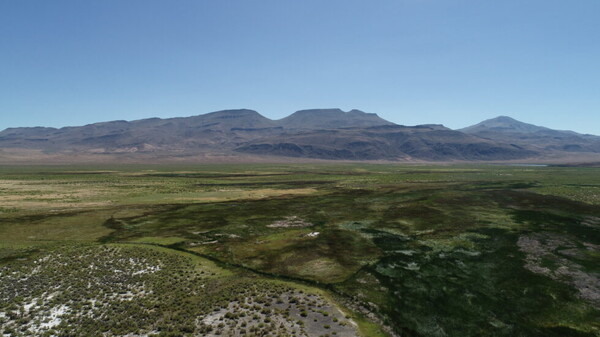
네바다 블랙록 사막(Black Rock Desert in Nevada)을 향해 동쪽을 바라본 솔저 메도우스(Soldier Meadows) 전경. [사진출처(Photo Source) = 데저트연구소(Desert Research Institute)]
네바다 자연보전협회(The Nature Conservancy in Nevada), 데저트연구소(Desert Research Institute), 위스콘신대학교 매디슨 캠퍼스(University of Wisconsin–Madison)는 ‘네바다 GDE 물수요 탐색 도구(Nevada GDE Water Needs Explorer Tool)’를 공동 개발했다.
이 온라인 도구는 지하수가 지하수 의존 생태계(Groundwater-Dependent Ecosystems, GDEs)를 어떻게 지탱하는지, 또 지하수 수위 변화가 해당 생태계에 어떤 영향을 미칠 수 있는지를 토지·수자원 관리자가 보다 쉽게 이해할 수 있도록 마련됐다.
로럴 사이토(Laurel Saito) 네바다 자연보전협회 수자원 전략국장은 “지하수는 네바다의 생태계와 지역사회 모두에 필수적인 자원”이라며 “이 자원을 어떻게 관리하고 보호할 것인지를 이해하는 것이 지속 가능한 미래를 위해 매우 중요하다”고 말했다.
초지와 습지, 하천, 일부 산림과 관목지대 등 지하수에 의존해 유지되는 지하수 의존 생태계는 자연과 인간 모두에게 핵심적인 역할을 한다. 그러나 건조한 기후의 네바다에서는 가뭄과 기온 상승, 인간과 자연을 위한 물수요 증가로 인해 이러한 생태계가 갈수록 큰 압박을 받고 있다. 지하수 수위가 낮아질 경우 식물과 야생동물, 지역사회가 필요로 하는 물에 접근하지 못하게 되며, 이는 서식지 훼손은 물론 지역 경제와 공중보건에도 위협이 된다.
스티븐 로하이드(Steven Loheide) 위스콘신대학교 매디슨 캠퍼스 수자원공학과 교수는 “생태수문학은 생태계가 수자원에 어떤 영향을 미치는지, 또 수문 환경의 변화가 생태계에 어떻게 작용하는지를 이해하는 학문”이라며 “이러한 상호작용을 정량적으로 이해해야만 수자원과 생태계를 효과적으로 관리할 수 있다”고 말했다.
크리스틴 알바노(Christine Albano) 데저트연구소 선임 책임연구원이자 부교수는 “네바다처럼 지형이 다양한 지역에서는 지하수 의존 생태계가 서늘하고 습한 고산 지대부터 북미에서 가장 덥고 건조한 지역에 이르기까지 광범위하게 분포할 수 있어 이러한 이해가 특히 중요하다”며 “이처럼 다양한 환경 조건에 따라 지하수 의존 생태계와 지하수 간 상호작용은 크게 달라지기 때문에, 이번 연구의 목표는 이러한 차이를 정량적으로 규명하는 데 있었다”고 말했다.
그동안 관리 당국은 지하수 의존 생태계가 사용하는 지하수의 양과 수위 변화에 대한 생태계의 민감도를 신속하게 추정할 수 있는 수단이 부족했다. 이로 인해 지속 가능한 물이용을 위한 계획 수립이 어려웠고, 변화하는 환경 조건 속에서 서식지를 보호하는 데도 적지 않은 제약이 따랐다.
샹탈 이오소(Chantal Iosso) 네바다 자연유산국(Nevada Division of Natural Heritage) 습지 프로그램 전문가는 “이 도구를 통해 우리가 관리·모니터링하는 종과 생태계를 유지하는 데 필요한 물의 양을 추정하고, 향후 강수량과 기온 변화가 이들에 어떤 영향을 미칠지 파악할 수 있다”고 말했다.
이 도구는 수자원 계획 수립에도 활용될 수 있다. 크리스티안 크로프(Christian Kropf) 트러키 메도우스 수도청(Truckee Meadows Water Authority) 수석 수문학자는 “식물이 사용하는 물의 양을 추정해 수자원 지속가능성 모델에 반영하는 데 유용할 수 있다”고 말했다.
도구의 활용 방식은 다음과 같다. 사용자는 특정 지역과 지하수 의존 생태계 유형을 선택해 지하수 심도와 토양, 기후 조건이 식물의 생장과 물이용에 어떤 영향을 미치는지를 살펴볼 수 있다.
‘네바다 GDE 물수요 탐색 도구’는 이를 바탕으로 식물이 지하수에서 끌어다 쓰는 물의 양, 즉 증발산 중 지하수 기여분(groundwater component of evapotranspiration, ETGW)을 추정한다.
아울러 지하수가 식물 뿌리에 닿을 만큼 지표 가까이에 있을 경우 추가로 이용 가능한 물의 양도 산정하는데, 이는 ‘지하수 보조 효과(groundwater subsidy)’로 불린다. 이 같은 정량적 추정치는 네바다와 같은 건조 지역에서 수자원 관리를 보다 체계적으로 수행하는 데 도움을 줄 수 있다.
킵 앨랜더 네바다 수자원국 수문국장은 “네바다 GDE 물수요 탐색 도구를 활용해 네바다주의 지하수 관리를 한층 개선할 수 있기를 기대한다”고 말했다.
이번 연구는 미국 국토개발국(U.S. Bureau of Reclamation)의 워터스마트 응용과학 프로그램(WaterSMART Applied Science Program)의 지원을 받아 수행됐다.
[원문보기]
New Tool Will Help Manage One of Nevada’s Most Critical Freshwater Sources
The Nature Conservancy in Nevada (TNC in Nevada), DRI, and the University of Wisconsin – Madison (UW-Madison) have developed the Nevada GDE Water Needs Explorer Tool. This new online resource helps land and water managers understand how groundwater supports groundwater-dependent ecosystems (GDEs) and how changes in water levels can affect them.
“Groundwater is essential for both Nevada’s ecosystems and communities,” said Laurel Saito, Water Strategy Director for The Nature Conservancy in Nevada. “Understanding how to manage and protect this resource is critical for a sustainable future.”
GDEs like meadows, wetlands, rivers, and some forests and shrublands that rely on groundwater to thrive are critical for both nature and people. Yet in Nevada’s arid climate, these ecosystems face mounting pressure from drought, rising temperatures, and water demands for people and nature. When groundwater levels drop, plants, wildlife, and people can lose access to the water they need, which threatens habitats, economic prosperity, and human health.
“Ecohydrology is understanding the way in which ecosystems affect water resources and how changing hydrology impacts our ecosystems,” said Steven Loheide, Professor of Water Resources Engineering at UW-Madison. “We need quantitative understanding of these two-way interactions to manage either resource effectively.”
“This is especially important in places with varied terrain, like Nevada, where groundwater-dependent ecosystems can occur anywhere from high mountain environments that are cool and wet to some of the hottest and driest places in all of North America,” said Lead Principal Investigator Christine Albano, Associate Research Professor at DRI.
“Groundwater-dependent ecosystems’ interactions with groundwater are going to differ dramatically across this range of conditions, so our goal was to quantify these differences.”
Until now, managers lacked a way to quickly estimate how much groundwater GDEs use and how sensitive ecosystems are to changes in water levels. This makes it harder to plan for sustainable water use and creates challenges for protecting habitats under changing conditions.
“This tool helps us estimate the water needed to support species and ecosystems we track, and how they may be impacted by changing precipitation and temperature in the future,” said Chantal Iosso, Wetland Program Specialist at Nevada Division of Natural Heritage.
The tool can also help with planning. Christian Kropf, the principal hydrologist at Truckee Meadows Water Authority, said the tool “could be useful for estimating water used by plants to incorporate into our water resource sustainability models.”
Here’s how it works: Users select a location and GDE type to explore how groundwater depth, soil, and climate conditions affect plant growth and water use. The Nevada GDE Water Needs Explorer then estimates how much water plants draw from groundwater (called groundwater component of evapotranspiration or ETGW) and how much extra water becomes available to plants when groundwater is close enough to the surface for their roots to reach it—a benefit known as the groundwater subsidy. Having these estimates can help with managing water in a dry state like Nevada.
“The Nevada Division of Water Resources looks forward to using the Nevada GDE Water Needs Explorer to improve management of groundwater in Nevada,” said Kip Allander, Chief of Hydrology at the Nevada Division of Water Resources.
This research was funded by the U.S. Bureau of Reclamation’s WaterSMART Applied Science program.
To learn more about the tool, visit this link: Nevada GDE Water Needs Explorer Tool
[출처 = 데저트연구소(Desert Research Institute)(https://www.dri.edu/new-tool-will-help-manage-one-of-nevadas-most-critical-freshwater-sources/) / 2026년 1월 26일]
|  즐겨찾기 추가
 시작페이지로 설정
























