[EU] WHO·UNICEF 공동 UN-Water GLAAS “WASH 시스템 이행 역량 강화 시급”
WHO·UNICEF 공동 개발 유엔 물 글로벌 식수·위생 분석·평가(GLAAS) 2025 보고서
국가 WASH 계획 대비 이행 역량·재정·규제 구조 분석
기후 위험·질병 확산 속 식수·위생 시스템 취약성 확인
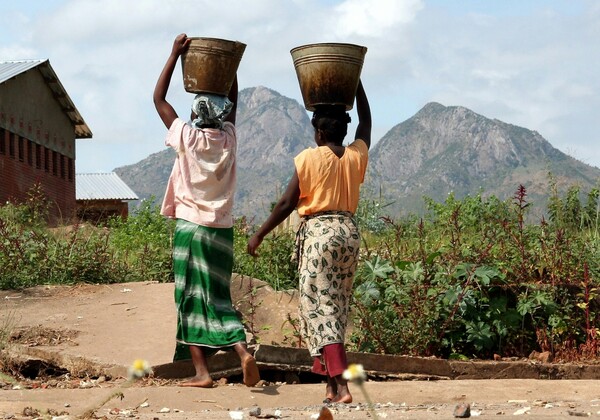
세계보건기구(World Health Organization, WHO)와 유니세프(United Nations Children’s Fund, UNICEF)가 공동으로 개발한 유엔 물 글로벌 식수·위생 분석·평가(Global Analysis and Assessment of Sanitation and Drinking-Water, GLAAS) 2025 보고서는 각국의 물·위생·위생환경(Water· Sanitation·Hygiene, WASH) 시스템 이행 역량을 분석한 결과, 지속가능발전목표(SDG) 6 달성을 가속화하고 건강을 보호하기 위해 국가 차원의 WASH 시스템 강화가 시급하다고 밝혔다. [사진제공(Photo Source) = Unsplash]
세계보건기구(World Health Organization, WHO)와 유니세프(United Nations Children’s Fund, UNICEF)가 공동으로 개발한 유엔 물 글로벌 식수·위생 분석·평가(Global Analysis and Assessment of Sanitation and Drinking-Water, GLAAS) 2025 보고서는 각국의 물·위생·위생환경(Water· Sanitation·Hygiene, WASH) 시스템 이행 역량을 분석한 결과, 지속가능발전목표(SDG) 6 달성을 가속화하고 건강을 보호하기 위해 국가 차원의 WASH 시스템 강화가 시급하다고 밝혔다.
이번 보고서는 '식수·위생·위생환경 시스템 현황: 2025년 글로벌 업데이트(State of systems for drinking-water, sanitation and hygiene: Global update 2025)'에 담긴 분석 결과를 토대로 WASH 서비스 진전을 가로막는 구조적 요인을 제시한다. 분석에는 전 세계 인구의 62%를 포괄하는 105개국·지역과 유엔 기구, 다자개발금융기관, 국제 비정부기구를 포함한 21개 개발 파트너의 데이터가 활용됐다.
보고서에 따르면 다수 국가에서 WASH 관련 정책과 목표는 수립돼 있으나, 실제 이행 역량은 충분하지 않은 것으로 나타났다. 계획은 존재하지만 제도적 분절, 인력 공백, 재원이 성과로 안정적으로 이어지지 않는 구조로 인해 실행이 제한되고 있다는 설명이다.
구체적으로 WASH 계획을 이행할 충분한 재정 및 인적 자원을 보유했다고 보고한 국가는 13% 미만이었다. 또한 64%의 국가는 정부 기관 간 역할과 책임이 중복돼 비효율적이거나 조정되지 않은 노력이 발생하고 있다고 답했다. 대부분 국가가 식수와 위생에 대한 국가 목표를 설정하고 있음에도 불구하고, 국가 차원의 손 위생 목표를 보유했다고 보고한 국가는 49%에 불과했다.
이 같은 이행 격차는 여전히 광범위한 미충족 수요로 이어지고 있다. 세계보건기구와 유니세프 공동모니터링프로그램(Joint Monitoring Programme, JMP) 추정에 따르면 전 세계적으로 21억 명이 안전하게 관리되는 식수를 이용하지 못하고 있으며, 34억 명은 안전하게 관리되는 위생시설을 이용하지 못하고 있다. 기본적인 위생 서비스를 이용하지 못하는 인구도 17억 명에 달한다.
세계보건기구 환경·기후변화·원헬스·이주 부서 직무대행 국장인 루디거 크레흐(Ruediger Krech)는 “안전한 식수와 위생, 위생환경에 대한 접근 부족으로 매년 수백만 명의 생명이 계속해서 희생되고 있다”며 “이는 물과 위생 서비스가 어떻게 계획되고, 자원이 배분되며, 운영되는지를 포함한 보다 강력한 WASH 시스템과 모두에게 안전하게 관리되는 서비스를 제공하기 위한 정부와 파트너의 더 큰 투자를 요구한다”고 말했다.
보고서는 재정과 운영 효율 측면에서도 한계를 지적했다. 20개국 데이터를 분석한 결과, 국가 목표 달성에 필요한 재원과 실제 가용 재원 사이에는 46%의 격차가 존재했다. 보고된 국가에서 비수익 물(non-revenue water)은 평균 39%로 나타나 자원 손실이 서비스 제공을 약화시키고 있는 것으로 분석됐다.
규제 체계의 미비도 확인됐다. 식수 수질에 대한 공개 보고서를 규제 기관이 발행한다고 답한 국가는 절반 미만이었으며, 식수 감시가 요구 빈도에 근접해 이뤄진다고 답한 국가는 약 5분의 1에 불과했다. 대부분 국가가 정책과 규제에 물 안전 계획을 포함하고 있으나, 이를 대규모로 이행하는 데에는 한계가 있는 것으로 나타났다.
기후 변화 대응과 관련해 많은 국가가 WASH 시스템에 기후 요소를 통합하고 있는 것으로 조사됐다. 응답 국가의 80%는 WASH 정책과 계획에서 기후 위험을 다루고 있다고 보고했다. 그러나 기후 변화로 인해 불균형적으로 영향을 받는 인구를 지원하기 위한 재정 조치를 보유한 국가는 20%에 그쳤으며, 해당 분야의 진전을 모니터링하는 조치를 보고한 국가는 42%에 불과했다.
유엔 물 의장이자 국제농업개발기금(International Fund for Agricultural Development, IFAD) 총재인 알바로 라리오(Alvaro Lario)는 “2030년까지 5년도 채 남지 않은 지금은 SDG 6을 점검하고 이행을 가속화하기 위한 결정적인 조치를 취해야 할 중대한 시점”이라며 “지금 우리가 내리는 선택이 공동 목표 달성 여부와, 특히 취약계층을 위해 WASH가 공중보건 개선과 전환적 혜택의 촉매제가 될 수 있는지를 결정할 것”이라고 말했다.
유니세프 글로벌 물·위생·위생환경 담당 국장인 세실리아 샤프(Cecilia Scharp)는 “이번 GLAAS 분석 결과는 SDG 6의 진전이 재정, 정책, 거버넌스, 역량, 데이터 등을 포함한 더 강력한 WASH 시스템과 부문에 달려 있음을 보여준다”며 “2026년 유엔 물 회의를 준비하는 과정에서, 가장 취약한 아동에게까지 서비스가 도달할 수 있도록 보다 회복력 있는 시스템으로 전환하는 데 근거를 제공한다”고 밝혔다.
한편, 해당 보고서는 2026년 12월 본회의에 앞서 세네갈과 아랍에미리트가 공동 주최한 2026년 유엔 물 회의 고위급 준비회의(2026년 1월 26~27일, 세네갈 다카르) 개막에 맞춰 공개됐다.
[원문보기]
New UN-Water GLAAS findings: stronger WASH systems needed for safe drinking-water, sanitation and hygiene for all
Urgent action is needed to strengthen national water, sanitation and hygiene (WASH) systems so countries can accelerate progress towards Sustainable Development Goal (SDG) 6 and protect health, especially in the face of growing climate-related risks and recurring disease outbreaks.
New findings from State of systems for drinking-water, sanitation and hygiene: Global update 2025, the UN-Water Global Analysis and Assessment of Sanitation and Drinking-Water (GLAAS) report developed jointly by WHO and UNICEF, provide a comprehensive picture of what is holding WASH services back. The analysis draws on data from 105 countries and territories (covering 62% of the global population) and 21 development partners, including UN agencies, multilateral financing institutions, and international nongovernmental organizations.
“With less than five years until 2030, we are at a critical moment to review SDG 6 and take decisive action to accelerate implementation,” said Dr Alvaro Lario, Chair of UN-Water and President of the International Fund for Agricultural Development (IFAD). “The choices we make now will determine whether we achieve our common goals and ensure WASH is a catalyst for better public health and its transformational benefits, particularly for vulnerable people.”
Delivery capacity holds progress back
Across countries, the pattern is clear: plans exist, but delivery capacity is thin. Many countries have policies and targets in place, but implementation is constrained by fragmentation, workforce gaps, and financing that does not reliably translate into results. For example:
fewer than 13% of countries reported having sufficient financial and human resources to implement their WASH plans;
sixty-four per cent of countries reported overlapping roles and responsibilities across government institutions – often leading to inefficiencies and uncoordinated efforts; and
while most countries have national targets for drinking-water and sanitation, only 49% reported a national hand hygiene target.
Despite steady global progress, unmet needs remain vast. WHO/UNICEF Joint Monitoring Programme (JMP) estimates show that 2.1 billion people still lack safely managed drinking-water, 3.4 billion lack safely managed sanitation, and 1.7 billion lack basic hygiene services.
“Millions of lives continue to be lost each year due to inadequate access to safe drinking-water, sanitation and hygiene,” said Dr Ruediger Krech, Director a.i., Department of Environment, Climate Change, One Health & Migration at the World Health Organization. “This demands stronger WASH systems – how water and sanitation services are planned, resourced and run – and greater investment from governments and partners to deliver safely managed services for all.”
Financing, regulation and climate resilience
The report identifies major opportunities to accelerate progress by improving how WASH resources are planned, executed and regulated. Data from 20 countries participating indicate a funding gap of 46% between identified needs and available funding to reach national targets. Efficiency losses further undermine services, with non-revenue water averaging 39% among reporting countries.
Less than half of countries reported that regulatory authorities publish publicly accessible reports on drinking-water quality, and only about one fifth reported drinking-water surveillance occurring at nearly all of the required frequency. While most countries include water safety planning in policies and regulations, implementation at scale remains limited.
Encouragingly, many countries are integrating climate considerations into WASH systems: 80% address climate risks in WASH policies and plans. However, targeted measures for populations disproportionately affected by climate change are much weaker – only 20% of countries reported having measures to finance actions that support these populations, and just 42% reported measures to monitor progress in this area.
“The new GLAAS findings underline how accelerating progress on SDG 6 depends on stronger WASH systems and sectors – including financing, policy, governance, capacity and data, which will promote sustainability and build upon what is already working,” said Cecilia Scharp, Director, Global Water, Sanitation and Hygiene Practice, UNICEF. “As countries prepare for the 2026 UN Water Conference later this year, this report provides timely evidence to inform shifts towards more resilient systems that ensure services reach the most vulnerable children.”
Health impacts remain severe
These gaps have severe health consequences: at least 1.4 million people died in 2019 from preventable causes linked to unsafe water and poor sanitation, and in 2024 there were over 560 000 cholera cases and 6000 reported deaths across 60 countries.
The report was released at the opening of the High-Level Preparatory Meeting for the 2026 UN Water Conference (26–27 January 2026, Dakar, Senegal), co-hosted by Senegal and the United Arab Emirates, ahead of the main conference in December 2026.
[출처 = 세계보건기구(WHO)(https://www.who.int/news/item/26-01-2026-new-un-water-findings--stronger-wash-systems-needed-for-safe-drinking-water--sanitation-and-hygiene-for-all) / 2026년 1월 26일]
|  즐겨찾기 추가
 시작페이지로 설정
























