[독일] PFAS 오염수 처리하기 위한 소형 전자 가속기 개발
독일 헬름홀츠 베를린 재료·에너지 연구센터(HZB)서 개발
고에너지 전자 방사분해로 PFAS 분해… SRF 광전자 주입기 기반 기술 제시
토르스텐 캄프스 교수 연구진, 컨테이너형 가속기로 오염 집중 지역 현장 처리 가능성 확인
국제학술지 「플로스 원(PLOS One)」 게재
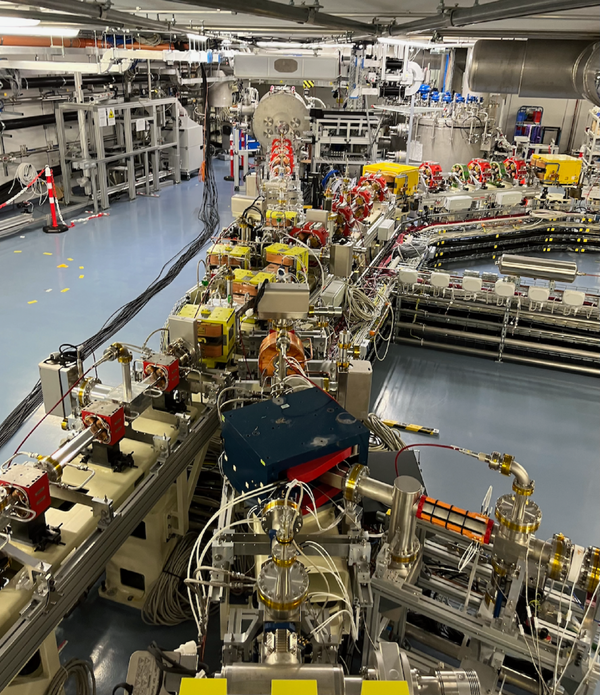
독일 헬름홀츠 베를린 재료·에너지 연구센터(Helmholtz-Zentrum Berlin fur Materialien und Energie, HZB)에서 개발한 가속기가 PFAS에 오염된 물과 토양을 처리하기 위한 새로운 해법이 가속기 물리학 분야에서 제시됐다. HZB에서는 다양한 응용 분야를 제공하는 새로운 입자 가속기 개념이 개발되고 테스트되고 있다. [사진출처(Photo source) = 독일 헬름홀츠 베를린 재료·에너지 연구센터(HZB)]
이른바 ‘영원한 화학물질(forever chemicals)’로 불리는 PFAS 화합물은 점점 심각해지는 환경 문제로 떠오르고 있다. PFAS에 오염된 물과 토양을 처리하기 위한 새로운 해법이 가속기 물리학 분야에서 제시됐다. 고에너지 전자는 ‘방사분해’라는 과정을 통해 PFAS 분자를 무해한 성분으로 분해할 수 있다.
국제학술지 「플로스 원(PLOS One)」에 최근 게재된 연구에 따르면, SRF 광전자 주입기(SRF photoinjector)를 기반으로 독일 헬름홀츠 베를린 재료·에너지 연구센터(Helmholtz-Zentrum Berlin für Materialien und Energie, HZB)에서 개발한 가속기가 이러한 전자빔을 제공할 수 있는 것으로 나타났다.
PFAS 화합물은 이제 우리 환경 곳곳에서 검출되고 있다. 이러한 합성 화학물질은 물과 토양에 축적되며, 이를 통해 먹이사슬로 유입된다. 탄소(C)-불소(F) 결합은 매우 안정적이어서 자연적 과정에서는 거의 분해되지 않고, 일부 PFAS는 인체에 유해한 물질로 간주된다.
실제로 독일 베를린의 옛 테겔 공항(Tegel Airport) 주변 지역은 과거 소방 훈련 과정에서 PFAS가 토양과 지하수로 유입되면서 심각한 오염이 발생했다.
PFAS 대응을 위한 고에너지 전자
가속기 물리학은 이 문제를 해결하기 위한 새로운 접근법을 제시하고 있다. 고에너지 전자는 방사분해 과정을 통해 PFAS 분자를 무해한 성분으로 분해할 수 있다. Thorsten Kamps(토르스텐 캄프스) 교수가 이끄는 연구진은 타당성 연구를 통해, SRF 광전자 주입기를 기반으로 HZB에서 개발한 가속기가 이러한 목적에 필요한 전자빔을 제공할 수 있음을 확인했다.
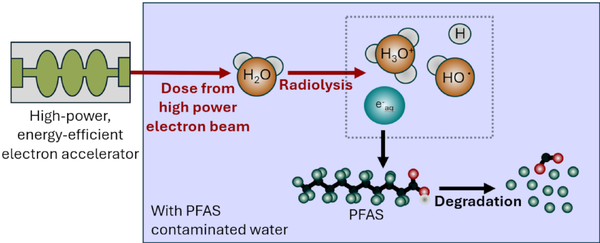
방사성 분해 : 전자빔이 물을 조사하여 물 속의 PFAS와 반응하는 수화된 전자를 생성하여 분해를 일으킨다. [그림출처(picture source) = 독일 헬름홀츠 베를린 재료·에너지 연구센터(HZB)]
이러한 전자빔은 특정 에너지 수준과 높은 평균 출력이 요구된다. SRF 광전자 주입기는 고주파 전자기장을 이용해 전자를 가속하는 초전도 고주파 공진기를 활용한 새로운 가속기 개념이다. 가속 전기장을 상시 유지할 수 있어, 전자빔을 이용한 수처리에 필요한 높은 평균 빔 출력을 생성할 수 있다는 장점이 있다.
이번 연구의 주저자인 타샤 스포어(Tasha Spohr)는 “SHF 광전자 주입기(SHF photoinjector) 개념은 유연성이 매우 높아 가속기 기반 PFAS 수처리 기술을 한층 더 발전시키는 데 최적화돼 있다. 이를 통해 특정 PFAS 화합물에 대해 화학적 수율을 극대화하는 전자빔 조건이 무엇인지 규명할 수 있다”고 말했다.
PFAS 처리를 위한 경쟁력 있는 대안
이번 사례에서 연구진은 옛 베를린 테겔 공항에서 현재 PFAS 제거에 사용되고 있는 여과 시스템과, 새롭게 제안된 가속기 개념을 비교했다.
그 결과 캄프스 교수는 “운영 비용 측면에서 향후 수년 내 기존 기술과 충분히 경쟁할 수 있을 것으로 본다”고 밝혔다. 이어 “가속기 물리학은 흥미로운 기초 연구를 위한 도구에 그치지 않고, 시급한 사회적 과제를 해결할 수 있는 새로운 기술을 제공할 수 있다는 점을 입증했다”고 덧붙였다.
컨테이너형 소형 가속기
이 기술이 지향하는 비전은 컨테이너에 탑재할 수 있을 정도로 소형화된 전자 가속기다. 이는 기존 여과 시스템을 활용한 정화 기술보다 비용과 작업 부담을 줄이면서, 테겔 공항과 같은 집중 오염 지역에서 활용될 수 있을 것으로 기대된다.
아직 실제 적용을 위해서는 추가적인 개발이 필요하지만, 이번 연구는 SRF 광전자 주입기가 이러한 시스템의 효과, 효율성, 비용을 체계적으로 최적화할 수 있는 적합한 플랫폼임을 보여준다.
이번 연구는 헬름홀츠 연합 하이-액츠 이니셔티브(HGF Hi-Acts Initiative)의 지원을 받아 수행됐다.
[원문보기]
Compact electron accelerator for treating PFAS-contaminated water
So-called forever chemicals or PFAS compounds are a growing environmental problem. An innovative approach to treating PFAS-contaminated water and soil now comes from accelerator physics: high-energy electrons can break down PFAS molecules into harmless components through a process called radiolysis.
A recent study published in PLOS One shows that an accelerator developed at HZB, based on a SRF photoinjector, can provide the necessary electron beam.
PFAS compounds can now be detected in many places in our environment. These synthetic chemicals accumulate in water and soil, from where they enter the food chain. Due to their extremely stable carbon-fluorine bonds, they are hardly degraded by natural processes.
Some PFAS are considered harmful to health. For instance, the area around the former Tegel Airport is heavily contaminated with PFAS, which entered the soil and groundwater as a result of previous firefighting exercises.
High energy electrons against PFAS
Accelerator physics now offers a new approach to tackling this problem: high-energy electrons can break down PFAS molecules into harmless components through a process called radiolysis.
In a feasibility study, a team led by Prof. Dr. Thorsten Kamps has shown that an accelerator developed at HZB based on an SRF photoinjector can deliver the electron beam required for this purpose.
This electron beam must have a specific energy and high average power. An SRF photoinjector is a new accelerator concept using a superconducting radio-frequency cavity with high frequency electromagnetic fields to accelerate electrons. Since the acceleration field can be always on, one can generate high average beam power, as required by electron beam water treatment.
‘The SHF photoinjector concept is highly flexible and perfectly suited for the further development of accelerator-based PFAS water treatment. This allows us to find out which beam parameters optimise the chemical yield for specific PFAS compounds,’ says Tasha Spohr, lead author of the study.
Competitive alternative for PFAS treatment
In the case study, the team compared the filter system currently used for PFAS removal at the former TXL airport with the proposed accelerator concept. ‘In terms of operating costs, we could be competitive with conventional technology within the next years,’ says Kamps.
‘We have demonstrated that accelerator physics is not only a tool for exciting basic research, but can also deliver new technologies to address urgent societal issues.’
Compact accelerator in a box
The vision for this technology is a compact electron accelerator that fits into a container. This could be used at contamination hotspots – such as the former Berlin Tegel Airport – at potentially lower costs and with less effort than conventional remediation technology using filter systems.
Although development work is still needed before practical implementation, the study shows that the SRF photoinjector is a suitable platform for systematically optimising the benefits, efficiency and costs of such systems.
Note: The study was funded as part of the HGF Hi-Acts Initiative.
[출처 = 독일 헬름홀츠 베를린 재료·에너지 연구센터(HZB)(https://www.helmholtz-berlin.de/pubbin/news_seite?nid=32266;sprache=en) / 2026년 1월 16일]
[연구논문출처 = 플로스 원(PLOS One)(https://journals.plos.org/plosone/article?id=10.1371/journal.pone.0323581) / 2026년 1월 14일]
|  즐겨찾기 추가
 시작페이지로 설정
























