[미국] 스콧 위너 상원의원, 태양광 및 히트펌프 허가 절차 간소화 위한 법안 2건 발의
미국에서 두 번째로 높은 캘리포니아 전기요금 부담 완화 위해…비용 절감형 청정에너지 접근성 향상
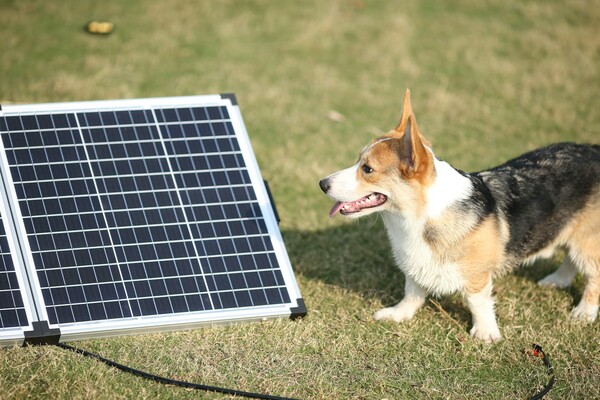
스콧 위너 상원의원은 현지시각 1월 6일 '히트펌프 접근법'과 사진은 기사와 관련 없음. [사진출처 = 언스플래시(Unsplash) Newpowa]
스콧 위너(Scott Wiener) 상원의원(캘리포니아)은 현지시각 1월 6일 '히트펌프 접근법(the Heat Pump Access Act, SB 222)'과 '플러그 앤 플레이 태양광법(The Plug And Play Solar Act, SB 868)' 등 두 가지 법안으로 구성된 청정 주택 및 에너지 경제성 패키지(CHEAP)를 발표했다.
SB 222는 공조용 히트펌프 및 온수기 시스템에 대한 허가 절차 간소화에 대한 내용은, SB 868은 플러그로 연결되는 태양광 시스템 승인 절차 간소화에 대한 내용을 담고 있다. 플러그인 태양광 시스템은 캘리포니아의 수백만 명의 세입자, 아파트 거주자 및 주택 소유자의 에너지 비용을 절감할 수 있는 잠재력을 가진 새로운 형태의 소규모 이동식 태양광 발전 시스템이다.
스콧 위너 상원의원은 "캘리포니아 주민들은 특히 최근 몇 년간의 재앙적인 요금 인상 수준을 고려해 에너지 비용을 낮출 수 있는 모든 도구를 갖추어야 한다"면서 "특히 아파트 건물의 세입자와 주민들은 주택 소유자가 옥상 태양광에 접근할 수 있는 것처럼 비용을 낮추고 깨끗한 에너지를 이용할 수 있는 옵션을 가질 자격이 있다. 이러한 기술은 윈윈(Win-Win)이며, 이러한 기술에 대한 접근을 가능하게 하는 것이 좋은 정부다"라고 말했다.
두 법안 모두 캘리포니아 주민들이 가정에서 비용 절감형 청정 에너지 기술에 접근성을 향상해 에너지 요금을 절약할 수 있도록 한다. 모델과 가정에 따라 플러그인 태양광 시스템을 설치하면 캘리포니아 가구는 연간 최대 450달러(약 66만 원)를 절약할 수 있으며, 일반 가구들은 히트펌프로 전환해 연간 400달러(약59만 원)에 가까운 에너지 비용을 절약할 수 있다. 특히, 캘리포니아 북부 및 중부 지역 천연가스·전력 공급업체인 PG&E의 경우, 2022년부터 2025년까지 전기요금을 약 40% 인상해 캘리포니아는 현재 하와이에 이어 미국에서 두 번째로 전기요금이 높은 상황이다.
플러그 앤 플레이 태양광법(The Plug And Play Solar Act, SB 868)
플러그인 태양광 시스템은 휴대용 태양광 시스템 또는 발코니 태양광으로도 알려져 있으며, 캘리포니아의 풍부한 일조량을 이용해 소비자들이 안전하고 깨끗하고 저렴한 전기를 쉽게 생산할 수 있는 방법을 제공한다.
플러그인 태양광 시스템은 몇 개의 태양광 패널, 인버터, 가정의 표준 120볼트 콘센트에 직접 연결되는 소형 배터리로 구성되며, 이 시스템에서 생성된 전기는 가장 가까운 냉장고, 에어컨 등 가전제품에 직접 플러그를 꽂아 사용할 수 있다. 이러한 시스템은 크기가 작기 때문에 일반적으로 생성되는 모든 에너지는 가정 내에서 전적으로 소비됩니다. 전자가 집을 떠나 전력망으로 흘러들어 옆집에 도착하는 경우는 드물며, 그렇게 되면 소비자는 일반적으로 어떤 방식으로도 효용의 보상을 받지 못합니다.
이러한 시스템은 독일에서 폭발적으로 증가해 100만 대 이상의 시스템이 설치되어 연간 수천만 달러의 에너지 비용을 절감하고 독일이 청정 에너지 목표를 달성하는 데 도움을 주었다. 유타주는 이미 이러한 혁신적인 시스템을 허용하는 법안을 통과시킨 바 있다.
플러그인 시스템은 대규모 공사가 필요하지 않기 때문에 오래된 지붕, 그늘진 지붕, 발코니, 작은 뒷마당, 세입자, 콘도 등 대부분의 사람이 사용할 수 있다. 캘리포니아에는 약 천,400만 가구, 약 40%의 임대 주택이 있어 청정 에너지에 대한 접근성을 확대하는 데 특히 강력한 도구다.
가정용 옥상 태양광 시스템이 5천~1만 와트이지만 플러그인 태양광 시스템은 약 200~1천800와트로, 가정용 옥상 태양광 시스템(5천~1만 와트) 더 작지만 가정 평균 에너지 사용량의 최대 1/5을 충당할 수 있다. 200와트 시스템의 경우 400달러, 배터리가 없는 800와트 시스템의 경우 최대 2천 달러(약 295만 원)로 에너지 비용을 절감하고 더 넓은 범위의 사람들이 태양광의 혜택을 누릴 수 있는 저렴한 솔루션이다.
이러한 시스템은 의미 있는 절감 효과를 제공할 수 있고 작고 안전하지만, 유틸리티는 훨씬 더 큰 에너지 시스템에 사용하는 것과 동일한 요구 사항으로 인해 부담을 주고 있다. PG&E는 플러그인 태양광 시스템을 사용하려면 주민들이 상호 연결 계약을 신청해야 하므로 발전소나 대규모 태양광 설비와 동일한 규제 절차를 통과해야 한다고 주장하고 있다.
SB 868은 소비자의 에너지 요금을 낮추고, 에너지 자원을 다양화하며, 전력망에 가해지는 부담을 줄이며, 안전 기준을 마련하고, 완전한 상호 연결 계약을 요구하는 등 불필요한 유틸리티 불필요한 요식(Red Tape)을 금지함으로써 대기 오염을 줄이는 데 도움을 준다.
히트펌프 접근법(the Heat Pump Access Act, SB 222)
히트펌프난 공조 시스템과 온수기 시스템에 있어 고효율의 탄소중립 대안으로 가정의 냉난방을 깨끗하고 안전하며 경제적으로 만들어 준다. 히트펌프는 에너지 효율이 매우 높아(난방 시 전기 사용량을 최대 75%까지 절감), 미국 가정은 히트펌프로 교체함으로써 연간 약 400달러의 에너지 비용을 절약할 수 있다. 태양광 및 배터리 시스템과 결합하고 수요 반응 기능을 갖추면 히트펌프는 더욱 큰 비용 절감 효과를 볼 수 있다.
화석 연료를 사용하는 공조 또는 온수 펌프 시스템을 히트펌프로 교체하면 유해 오염물질이 배출되지 않아 캘리포니아 주민들의 건강이 향상되고 기후 변화로 인한 온실가스 배출량이 크게 저감할 수 있다. 또한 히트펌프는 공기 여과 기능을 통해 산불 연기와 같은 다른 원인으로 인한 실내 공기 오염도 줄일 수 있다.
캘리포니아에서는 폭염과 급격한 산불과 같은 극한 기상 현상이 증가하고 있으며, 이는 화석 연료 사용으로 인해 더욱 악화되고 있다. 캘리포니아 주민의 4분의 1 이상이 에어컨 없이 생활하고 있으며, 저소득 가구와 소수 인종 거주 지역은 폭염 속에서도 건강 유지하는 데 필요한 냉방 시설을 이용할 가능성이 현저히 낮다.
캘리포니아는 역사상 가장 파괴적인 산불 재해 중 하나에서 회복 중이며, 이 산불로 인해 유해 오염물질이 대기 중으로 퍼져 나갔다. 히트펌프의 공기 여과 시스템은 오염된 외부 공기를 집 안으로 유입시키는 대신 실내 공기를 여과해 더욱 건강한 실내 환경을 조성하는 데 도움을 줄 수 있다. SB 222는 생명을 구하는 냉방, 공기 여과 및 기후 변화에 대한 회복력을 위해 가정에서 히트펌프를 설치하는 과정을 가속화하는 데 매우 중요하다.
히트펌프 허가를 간소화하는 것은 캘리포니아가 2030년까지 600만 개의 히트펌프를 설치하고 2045년까지 탄소 중립을 달성하겠다는 개빈 뉴섬(Gavin Newsom) 주지사의 목표 달성에도 매우 중요하다. 히트펌프는 이미 상당한 성장세를 보이고 있으며, 2024년에는 가스난로 판매량을 넘어섰다. 하지만 캘리포니아주에 설치된 히트펌프는 200만 대에 못 미치며, 4년 안에 400만 대 이상을 추가로 설치하기 위해 히트펌프 허가 절차 간소화는 필수적이다.
현재 캘리포니아의 복잡한 허가 시스템으로 인해 히트펌프의 보급이 저해되고 불필요한 비용도 증가시키고 있다. 600개 이상의 관할 구역에서 히트펌프 허가 권한을 보유하고 있지만 지역별로 허가 요건이 다른 상황이다. 이로 인해 시공업체는 각 도시 또는 지역의 새로운 절차를 익혀야 하는 큰 어려움을 겪고 있다. 현행 허가 절차에는 검사 대기 시간이 길고, 여러 종류의 허가가 필요하며, 수수료가 높고, 불필요한 지역별 요구 사항이 많아 히트펌프 설치가 지연되고 프로젝트 비용이 증가하고 있다.
이 두 법안은 히트펌프 허가 절차를 간소화하고 캘리포니아 주가 기후 목표를 달성할 수 있도록 다음과 같은 내용을 담고 있다.
- 표준 히트펌프 설치에 대한 자동 허가 시스템 의무화
- 주택소유자협회(HOA)가 친환경 가전제품 설치에 대한 건축 심사 요구 금지
- 히트펌프 온수기 설치 시 최대 1개의 허가만 요구
- 히트펌프 설치 시 과도한 이격 거리, 소음 제한 또는 서류 요구 금지
- 히트펌프 허가 수수료를 서비스 제공에 필요한 합리적인 비용으로 제한
히트펌프 접근법(Heat Pump Access Act)은 베이 에어리어 대기질 관리 지구(Bay Area Air Quality Management District), 건물 탈탄소화 연합(Building Decarbonization Coalition), 그리고 SPUR가 공동 발의했습니다.
'히트펌프 접근법'은 베이 에어리어 대기질 관리 지구(Bay Area Air Quality Management District), 건물 탈탄소화 연합(Building Decarbonization Coalition), 그리고 SPUR이 공동 발의했습니다.
[원문보기]
To Slash Energy Costs & Climate Emissions, Senator Wiener Introduces Legislative Package to Streamline Plug-in Solar, Heat Pump Permitting
The Clean Homes and Energy Affordability Package (CHEAP) allows Californians to access cost-saving clean energy technologies, helping to tackle skyrocketing energy costs in the state with the second highest electricity rates.
Today, Senator Scott Wiener (D-San Francisco) announced the Clean Homes and Energy Affordability Package (CHEAP), which consists of SB 222, The Heat Pump Access Act, and SB 868, The Plug And Play Solar Act. SB 222 streamlines permitting for heat pump HVAC and water heater systems, and SB 868 streamlines approvals for plug-in solar systems, a new form of small-scale, mobile solar with the potential to lower energy costs for millions of California renters, apartment dwellers, and homeowners.
Both bills allow Californians to save on energy bills by accessing cost-saving clean energy technologies at home. Depending on the model and the home, a plug-in solar system can save a California household up to $450 per year, while the average household in the US can save nearly $400 a year in energy costs by switching to a heat pump. Californians urgently need relief from skyrocketing high energy prices: Electricity rates for PG&E customers increased nearly 40% between 2022 and 2025. California now has the second highest electricity rates in the nation after Hawaii.
“Californians should have every tool available to lower energy costs, especially given the disastrous rate hikes in recent years,” said Senator Wiener. “Renters and residents of apartment buildings in particular deserve options to lower costs and access clean energy the same way homeowners can access rooftop solar. These technologies are a win-win-win, and enabling access to them is simply good government.”
SB 868, The Plug And Play Solar Act
Plug-in solar systems, also known as portable solar systems or “balcony” solar, offer an easy way for consumers to generate safe, clean and low-cost electricity using California’s abundant sunshine.
Plug-in solar systems consist of a few solar panels, an inverter, and a small battery that plug directly into a home’s standard 120?volt outlet. The electricity they generate flows directly to the nearest refrigerator, air conditioner, or other appliance that’s running. Because these systems are small, typically all the energy they generate will be consumed entirely within the home. Rarely will the electrons leave the house and flow to the grid, ending up at the house next door and when they do, the consumer is typically not compensated by the utility in any way.
These systems have exploded in Germany, with over 1 million systems installed, saving tens of millions per year in energy costs and helping Germany reach its clean energy goals. Utah has already passed a law to allow these innovative systems, and SB 868 would make California the second state to do so.
Because plug?in systems do not require roof ownership or major construction, they open the solar market to people with old roofs, shaded roofs, balconies, small backyards or patios, renters, and condo owners. California has roughly 14 million rental units, around 40 percent of households, making this an especially powerful tool for expanding access to clean energy.
Where a residential rooftop solar system tends to be 5,000-10,000 watts, plug-in solar systems are smaller, typically around 200-1800 watts. These systems can cover up to 1/5th of a household's average energy usage. At only $400 for a 200-watt system and up to $2000 for an 800-watt system without a battery, these are an affordable solution that can reduce energy costs and allow a broader range of people to access the benefits of solar.
Even though these systems can provide meaningful savings and are both small and safe, utilities are burdening them with the same requirements they use for much larger energy systems. PG&E claims residents are required to apply for an interconnection agreement to use plug-in solar systems, making them jump through the same regulatory hoops as a power plant or large solar installation.
SB 868 lowers consumer energy bills, diversifies energy resources, reduces strain on the electric grid, and helps cut air pollution by establishing safety standards portable solar energy devices and prohibiting unnecessary utility red tape, such as requiring a full interconnection agreement.
“Energy insecurity, increased temperatures, and air pollution are triple threats that require our immediate attention,” said Bernadette Del Chiaro, Senior Vice President, California, Environmental Working Group. “Fortunately, California consumers have yet another no-brainer solution: Balcony Solar. SB 868 helps put portable solar energy devices in the hands of more consumers lowering utility bills and increasing clean energy.”
"Everyone wants clean, reliable, safe energy, but not everyone has enough room to install the best source of those things: solar panels,” said Laura Deehan, State Director, Environment California. “That's why balcony solar, which (hence the name) is small enough to put just about anywhere you live, is such an important new technology. Now, just about everyone has the power to switch to solar power."
"Californians need more choices that help them quickly reduce their electricity bills," said Solar Rights Alliance executive director Dave Rosenfeld, "SB 868 is a practical, kitchen-table solution that lets consumers plug into the sun no matter what kind of home they live in.”
“Balcony solar is another tool in the solar toolbox that will help California reach its clean energy goals,” said Brad Heavner, Executive Director, California Solar & Storage Association.
"Too many Californians are struggling to meet their energy bills as our summers get hotter and our energy more expensive,” said Cora Stryker, Cofounder, Bright Saver. “Plug-in Solar is an elegant solution to that problem. A way for more Californians to reduce their energy bills while producing clean energy from the sun.”
SB 222, the Heat Pump Access Act
Heat pumps are a highly efficient, zero carbon option for heating, ventilation, and air conditioning (HVAC) systems and water heaters that make heating and cooling homes cleaner, safer, and more affordable. Because heat pumps are so energy efficient (reducing electricity use for heating by up to 75%), the average household in the US can save nearly $400 a year in energy costs by switching to a heat pump. When paired with solar and/or battery systems, and outfitted with demand response capabilities, heat pumps can save residents even more.
Replacing a fossil fuel HVAC or water pump system with a heat pump eliminates harmful pollutants those systems release into homes, improving the health of Californians and slashing climate emissions dramatically. Heat pumps also include air filtration capabilities that reduce indoor air pollution from other sources, such as wildfire smoke.
Extreme weather events like heat waves and explosive wildfires are on the rise in California, and exacerbated by fossil fuel use. More than a quarter of Californians lack air conditioning, and low-income households and communities of color are significantly less likely to have access to the cooling they need to stay safe during extreme heat events.
California is recovering from one of the most destructive wildfire disasters in its history, which released toxic pollutants into the air. The air filtration systems in heat pumps filter indoor air rather than bringing polluted outside air into the home, which can help secure healthier indoor air. The Heat Pump Access Act is critical to helping speed the process for households installing heat pumps for life-saving cooling, air filtration, and climate resilience.
Streamlining permitting for heat pumps is also critical to ensuring that California is able to meet the targets set by Governor Gavin Newsom of installing 6 million heat pumps by 2030, and achieving carbon neutrality by 2045. There is already clear momentum for heat pumps, which outpaced gas furnace shipments in 2024. However, with just under 2 million heat pumps installed throughout the state, this leaves four years to deploy over 4 million additional heat pumps??which will require quadrupling the current rate of installation. Smoothing out the heat pump permitting process is critical to accelerating heat pump installations.
Currently, California’s complex permitting system makes heat pump installation slow and unnecessarily expensive. Over 600 jurisdictions have authority over heat pump permitting, which creates a patchwork of local permitting requirements. This can pose a major challenge for contractors to learn new processes for each city or region. The current permitting process can also involve long wait times for inspection, multiple permit types, high fees, and unnecessary local requirements that can delay heat pump installation and drive up project costs.
This bill would streamline heat pump permitting and ensure California meets its climate goals by:
- Mandating automated permitting for standard Heat Pump installations
- Prohibiting HOAs from imposing architectural review on clean appliance installations
- Requiring a maximum of one permit for heat pump water heater installations
- Prohibiting excessive setbacks, noise restrictions, or documentation requirements on heat pump installations
- Capping fees for heat pump permits to the reasonable cost of providing service
The Heat Pump Access Act is co-sponsored by the Bay Area Air Quality Management District, the Building Decarbonization Coalition, and SPUR.
[출처 = 스콧 위너 상원의원(Senator Scott Wiener)(https://sd11.senate.ca.gov/news/slash-energy-costs-climate-emissions-senator-wiener-introduces-legislative-package-streamline) / 2026년 1월 6일]
|  즐겨찾기 추가
 시작페이지로 설정
























