[스위스] 잔류성 화학물질은 어떻게 지표수로 들어오는가
대기에서 생성된 TFA, 강수를 통해 수계로 유입
HFO 사용 확대에 따라 TFA 환경 축적 증가 전
국제 학술지 『Atmospheric Chemistry and Physics』에 게재
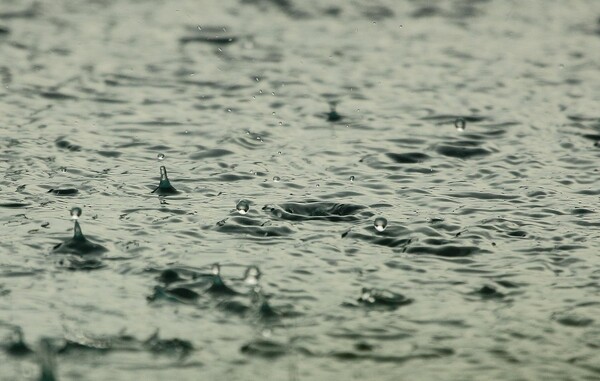
대기에서 생성된 삼불화아세트산(Trifluoroacetic Acid, TFA)는 비를 통해 지표수와 지하수로 이동한다. [사진출처(Photo Source) = Pixabay]
스위스 연방환경청(Swiss Federal Office for the Environment, FOEN)과 베른대학교(University of Bern)가 참여한 이번 연구에서 엠파(Empa) 연구진은 과불화화합물(PFAS) 가운데 가장 작은 분자인 삼불화아세트산(Trifluoroacetic Acid, TFA)이 대기 중에 생성돼 강수를 통해 수계로 유입되는 과정을 조사했다. 연구에는 3년에 걸친 측정 자료와 최근 수십 년간 보관된 물시료, 정교한 대기 모델이 활용됐다. 분석 결과, 이 물질의 환경 배출량은 최근 수십 년 사이 크게 늘었으며, 앞으로도 계속 증가할 것으로 나타났다.
PFAS는 퍼플루오로알킬 및 폴리플루오로알킬(per- and polyfluoroalkyl substances) 물질의 약자로, ‘영원한 화학물질(forever chemicals)’로 불린다. 이들 불소(F) 함유 유기 화합물은 분해가 거의 이뤄지지 않아 환경에 수십 년에서 수백 년까지 남을 수 있다. 이 과정에서 인간과 동물의 체내에 축적되며, 건강에 유해한 영향을 미칠 가능성도 있다. 이에 따라 예방적 조치가 필요하다는 지적이 나온다.
PFAS 계열에는 수천 개의 화학물질이 포함돼 있으나, 모든 물질이 충분히 연구된 것은 아니다. 다수의 PFAS에 대해서는 배출과 확산, 축적 그리고 그 영향에 관한 연구가 현재도 진행 중이다. 이 가운데 연구가 집중되고 있는 물질 중 하나가 TFA이다. PFAS 계열에서 가장 작은 분자인 TFA는 여러 물질의 분해 산물로 생성되며, 다수의 불소계 냉매와 추진제가 포함된다. TFA는 일단 생성되면 환경에서 거의 분해되지 않는다.
슈테판 라이만(Stefan Reimann) 엠파 대기오염물질·환경기술 연구실(Air Pollutants/Environmental Technology laboratory) 연구원은 “대기 중에서 생성된 TFA는 빠르게 강수로 유입되며, 이후 지표수를 거쳐 지하수로 이동한다”고 설명했다.
TFA가 대기 중에서 어디에서, 어떤 방식으로 생성되는지 그리고 어느 정도의 양이 수계로 유입되는지에 대해서는 지금까지 거의 연구되지 않았다. 이번 공동 연구에서 엠파 연구진은 FOEN, 베른대학교와 협력해 이 문제를 보다 정밀하게 분석했다. 연구진은 대기 중 TFA의 생성과 이동 경로를 모델링하고 그 결과를 환경 시료에서 측정된 TFA 자료와 비교했다. 이번 연구는 국제 학술지 『대기 화학과 물리학(Atmospheric Chemistry and Physics)』에 게재됐다.
FOEN은 3년에 걸쳐 강수와 지표수 시료에서 TFA를 분석했으며, 1984년까지 거슬러 올라가는 보관 수질 시료도 함께 검토했다. 동시에 엠파 연구진은 대기 중 TFA 유입을 정밀하게 반영한 모델을 구축했다.
이번 연구의 제1 저자인 슈테판 헨네(Stephan Henne) 연구원은 “TFA의 알려진 전구물질과 그 분해 경로, 중간 생성물뿐 아니라 이렇게 생성된 TFA가 강수를 통해 침적되거나 표면에 직접 쌓이는 과정까지 모두 모델링했다”고 설명했다. 이처럼 복잡한 모델을 통해 장기간에 걸친 예측을 높은 공간·시간 해상도로 수행할 수 있게 됐다. 헨네 연구원은 “이제 유럽 전역에서 특정 달에 얼마나 많은 TFA가 환경으로 배출되는지 계산할 수 있다”고 말했다.
TFA 환경 유입, 앞으로도 계속 증가할 전망
연구 결과에 따르면, 최근 수십 년 동안 강수와 지표수에서 검출되는 TFA 농도는 크게 증가했다. 연구진은 그 주요 원인으로 하이드로플루오올레핀(Hydrofluoroolefins, HFOs) 사용 확대를 지목했다. 이들 불소계 가스는 냉매와 추진제로 사용되며, 기후 온난화 효과가 큰 하이드로플루오로카본(Hydrofluorocarbons, HFCs)을 대체하고 있다. 수명이 긴 HFCs와 달리, HFOs는 대기 중에서 빠르게 분해되며 그 과정에서 TFA 등이 생성된다. 라이만 연구원은 “냉동 및 공조 시스템에서 하이드로플루오로올레핀(Hydrofluoroolefins, HFO) 사용이 계속 증가함에 따라, 향후 TFA의 침적량도 함께 늘어날 것으로 보고 있다”고 말했다.
TFA의 또 다른 중요한 발생원은 농약의 분해 과정이다. 다만, 이 경우에는 대기를 거치는 경로가 아니라 토양을 통해 거의 직접적으로 수계로 유입된다. 헨네 연구원은 “TFA가 한 번 물에 들어가면, 예외적인 경우를 제외하고는 거의 그대로 남아 있다”고 덧붙였다. 이에 따라 이처럼 잔류성이 강한 불소계 산의 최종 축적 장소는 결국 바다가 된다.
TFA가 인간을 포함한 생물체에 어느 정도까지 해로운지에 대해서는 아직 결론적으로 규명되지 않았다. 다만 최근 일부 연구에서는 장기 독성 가능성을 시사하는 증거가 제시되고 있다. 라이만 연구원은 “TFA는 매우 잔류성이 강하고, 물 환경에 점점 더 축적되며, 제거가 거의 불가능하다”고 강조했다. 이어 “예방 원칙에 따라 전구물질의 사용을 최대한 제한해야 한다”고 덧붙였다.
[원문보기]
Modeling the formation and distribution of trifluoroacetic acid (TFA) in the atmosphere - How a persistent chemical enters our surface waters
In collaboration with the Swiss Federal Office for the Environment (FOEN) and the University of Bern, Empa researchers have investigated how trifluoroacetic acid (TFA), the smallest of the PFAS molecules, is formed in the atmosphere and enters water bodies via precipitation. The study combined a three-year measurement period with archived water samples from recent decades and a detailed atmospheric model. The result: The release of this chemical into the environment has multiplied in recent decades – and will continue to increase in the future.
PFAS, short for per- and polyfluoroalkyl substances, are not called “forever chemicals” for nothing. These fluorine-containing organic molecules are difficult to break down and are likely to remain in the environment for decades or even centuries, where they can accumulate in humans and animals and may have harmful effects on health. This is a compelling reason to take precautionary measures.
The PFAS class of substances comprises thousands of chemical compounds. Not all of them have been thoroughly studied. The release, spread, accumulation, and effects of numerous PFAS are the subject of ongoing research. Among other things, researchers are focusing on TFA, short for trifluoroacetic acid. The smallest molecule in the PFAS family is formed as a degradation product of various other substances, such as many fluorinated refrigerants and propellants. Once formed, TFA is hardly degraded in the environment. “TFA formed in the atmosphere quickly enters precipitation, and from there it travels into surface waters and then into groundwater,” says Empa researcher Stefan Reimann from the Air Pollutants / Environmental Technology laboratory.
How and where exactly TFA forms in the atmosphere and in what quantities the substance enters water bodies has remained largely unexplored to date. In a joint new study published in the journal Atmospheric Chemistry and Physics, Empa researchers, in collaboration with the Swiss Federal Office for the Environment (FOEN) and the University of Bern, investigated this question in more detail. They modeled the formation and transport pathways of TFA in the atmosphere and compared them with TFA measurements from environmental samples.
Over a period of three years, the FOEN analyzed samples of precipitation and surface water for TFA and consulted archived water samples dating back to 1984. At the same time, Empa researchers created a detailed model of the atmospheric input of TFA. “We model the known precursors of TFA, their degradation pathways and intermediate products, as well as the deposition of the TFA formed in this way, both via precipitation and directly on surfaces,” explains Empa researcher Stephan Henne, lead author of the study. The complex model allows predictions to be made over long periods of time with high spatial and temporal resolution. “For every location in Europe, we can now calculate how much TFA is released into the environment in a given month,” says Henne.
Further increase expected
The results of the study show that concentrations of TFA in precipitation and surface waters have multiplied in recent decades. According to the researchers, this is primarily due to the increased use of hydrofluoroolefins (HFOs). These fluorinated gases serve as refrigerants and propellants, replacing climate-warming hydrofluorocarbons (HFCs) in this role. Unlike long-lived HFCs, HFOs decompose quickly in the atmosphere – among other things, into TFA. “As the use of HFOs in refrigeration and air conditioning systems continues to increase, we assume that TFA deposition will also rise in the future,” says Reimann.
Another significant source of TFA is the degradation of pesticides – in this case, however, the substance does not take a detour via the atmosphere but enters the water more or less directly via the soil. “Once TFA is in the water, it remains there almost without exception,” adds Stephan Henne. The final accumulation site for the persistent fluorinated acid is therefore the ocean.
The extent to which TFA is harmful to living organisms, including humans, has not yet been conclusively researched. Some recent studies provide evidence of possible long-term toxicity. “TFA is very persistent, accumulates more and more in our water, and is almost impossible to remove,” warns Reimann. “We should therefore act in accordance with the precautionary principle and restrict the use of precursor substances as much as possible.”
[출처 = 스위스 연방 재무부(Federal Department of Finance)(https://www.efd.admin.ch/en/newnsb/6E5OmGLi2YHr9spwKWF6C) / 2026년 1월 6일]
|  즐겨찾기 추가
 시작페이지로 설정
























