[북아메리카] [2026] [미국] “아버지의 미세플라스틱 노출이 자녀의 대사 건강에 영향 미친다“
이름
관리자
작성일
2026-01-02
조회수
965
파일첨부
[미국] “아버지의 후속플라스틱에 따라 자녀의 대사 건강에 영향을 미치다”
후속플라스틱 연결 생쥐, 자손의 후속 연결 기능 이상 확인
정자 소형 비암호화 RNA를 통해 세대 간의 영향 전달
분리된 분리, 분리과 차이 확인
해당 연구를 이끈 경주 창청(Changcheng Zhou) 캘리포니아대학교 리버사이드 의과대학 생물의과학과 교수 [사진 제공(사진 출처) = University of California, Riverside]미국 캘리포니아대학교 리버사이드(University of California, Riverside, UCR)가 가지고 있는 동물실험 연구에서 아버지의 후속플라스틱이어서 존재의 전송 건강에 영향을 미칠 수 있다는 사실을 처음으로 확인했습니다. [사진제공(사진출처)=Unsplash]
미국 캘리포니아대학교 리버사이드(University of California, Riverside, UCR)가 움직이고 있는 동물 실험 연구에서 아버지의 뒤섞인 플라스틱에 이어 자손의 대사 건강에 영향을 미칠 수 있다는 사실을 처음으로 확인했습니다. 이번 연구는 환경 물질이 부계를 통해 다음 세대의 건강에 영향을 미치게 됩니다.
연구 결과는 미국내분비학회지 『Journal of the Endocrine Society』에 '부계 미세플라스틱 노출은 정자의 작은 비코딩 RNA를 변화시키고 생쥐의 자손 대사 건강에 영향을 미친다'라는 제목으로 게재되었습니다. 분수는 생쥐 모델을 활용하여 아래쪽 플라스틱(마이크로플라스틱, MPs)에 소속된 생체 쥐의 자손(F1 자손)에서 대사 기능이 있다는 것을 분석했습니다.
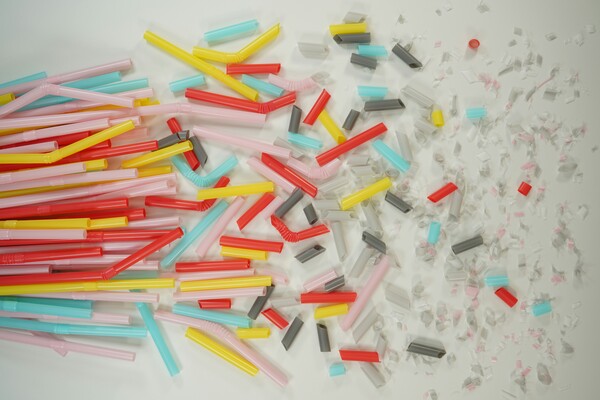
미세플라스틱은 소비재 및 산업 폐기물이 분해되며 생성되는 5㎜ 미만의 플라스틱 입자로, 이미 인간의 생식계에서도 검출된 바 있다. 다만 기존 연구는 주로 개인 단위의 영향에 초점을 맞췄으며, 부계 노출과 다음 세대 건강을 직접 연결한 연구는 없었다.
연구진은 자손의 대사 질환 취약성을 확인하기 위해 실험체에게 고지방 식이를 제공했다. 이는 정상 식이 조건에서 드러나지 않을 수 있는 부계 노출의 영향을 증폭해 확인하기 위한 실험 설계다. 아버지 생쥐는 일반 식이를 유지했으며, 자손에서 관찰된 비만과 대사 이상은 식이에 의해 유도됐다.
해당 연구를 이끈 저우 창청(Changcheng Zhou) 캘리포니아대학교 리버사이드 의과대학 생명의과학과 교수 [사진제공(Photo Source) = University of California, Riverside]
분석 결과, 미세플라스틱에 노출된 수컷 생쥐의 암컷 자손은 동일한 고지방 식이를 섭취한 조건에서도 비노출 수컷의 자손보다 대사 질환에 더 취약한 것으로 나타났다. 암컷 자손에서는 당뇨병형 표현형이 관찰됐으며, 간에서 염증 촉진 및 당뇨 유발 유전자 발현이 증가했다.
이러한 변화는 수컷 자손에서는 확인되지 않았다. 수컷 자손의 경우 당뇨병은 발생하지 않았으나, 체지방량이 소폭이지만 통계적으로 유의미하게 감소했다. 반면 암컷 자손에서는 근육량 감소와 함께 당뇨병 발생이 증가했다.
연구진은 이러한 세대 간 영향 전달 기전을 규명하기 위해 UCR에서 개발된 시퀀싱 기술인 PANDORA-seq을 활용했다. 분석 결과, 미세플라스틱 노출은 정자의 적재물(cargo)을 변화시키며, 유전자 발현을 조절하는 소형 RNA 구성에 영향을 미치는 것으로 나타났다.
특히 tRNA 유래 소형 RNA(tsRNAs)와 rRNA 유래 소형 RNA(rsRNAs)를 포함한 소형 비암호화 RNA 프로파일이 유의미하게 변화했다. 연구진은 이러한 RNA가 발달 과정에서 유전자 발현 수준을 조절하는 역할을 할 수 있다고 설명했다.
이번 연구의 교신저자인 저우 창청(Changcheng Zhou) 캘리포니아대학교 리버사이드 의과대학 생명의과학과 교수는 “이번 연구는 아버지의 미세플라스틱 노출이 정자의 소형 비암호화 RNA 프로파일을 변화시키고, 자손의 대사 질환을 유발할 수 있음을 보여준 최초의 연구”라고 말했다.
이어 저우 교수는 “이번 결과는 플라스틱 오염의 영향이 노출된 개인에 국한되지 않고, 자녀를 만성 질환에 취약하게 만드는 생물학적 흔적을 남길 수 있음을 시사한다”며 “부모 양측의 환경이 자녀 건강에 어떻게 기여하는지에 대한 논의를 확장한다”고 밝혔다.
연구진은 생쥐를 대상으로 한 이번 연구 결과가 인간에게도 시사점을 가질 가능성이 높다고 밝혔다. 특히 자녀 계획이 있는 남성의 경우 미세플라스틱과 같은 유해 물질 노출을 줄이는 것이 본인과 미래 세대의 건강 보호에 중요할 수 있다고 설명했다. 향후 연구를 통해 모계 노출이 유사한 위험을 유발하는지 여부와, 이러한 대사 변화가 완화될 수 있는 방법을 추가로 규명할 계획이다.
이번 연구에는 미국 UC 리버사이드대의 박승현(Seung Hyun Park), 판젠페이(Jianfei Pan), 린팅안(Ting-An Lin), 탕쓰제(Sijie Tang), 시헴 셸루피(Sihem Cheloufi), 미국 유타대학교 의과대학(University of Utah School of Medicine)의 장쉬둥(Xudong Zhang), 천치(Qi Chen), 미국 네바다대학교 리노 의과대학(University of Nevada, Reno School of Medicine)의 저우 통(Tong Zhou)가 참여했다.
한편, 해당 연구는 미국 국립보건원(National Institutes of Health, NIH)의 연구비 지원을 일부 받아 수행됐다.
[원문보기]
Fathers’ microplastic exposure tied to their children’s metabolic problems
UC Riverside-led mouse study finds microplastics affect male and female offspring differently
Astudy led by biomedical scientists at the University of California, Riverside, has shown for the first time that a father’s exposure to microplastics (MPs) can trigger metabolic dysfunctions in his offspring.
The research, conducted using mouse models, highlights a previously unknown pathway through which environmental pollutants impact the health of future generations.
While MPs have already been detected in human reproductive systems, the study, published in the Journal of the Endocrine Society, is the first to bridge the gap between paternal exposure to MPs and the long-term health of the next generation (the “F1 offspring”).
MPs are tiny plastic particles (less than 5 millimeters) resulting from the breakdown of consumer products and industrial waste. Metabolic disorders refer to a cluster of conditions — including increased blood pressure, high blood sugar, and excess body fat — that increase the risk of heart disease and diabetes.
To induce metabolic disorders in F1 offspring, the researchers fed them a high-fat diet. This approach helps reveal the effects of paternal exposure that might otherwise remain mild or hidden under normal diet conditions.
The high-fat diet mimics common unhealthy eating patterns, such as the Western diet, and amplifies metabolic risks. Because the fathers themselves were fed a regular diet, the obesity seen in F1 offspring is diet-induced.
The research team found that female offspring of male mice exposed to MPs were significantly more susceptible to metabolic disorders than offspring of unexposed fathers, despite all offspring being fed the same high-fat diet.
“The exact reasons for this sex-specific effect are still unclear,” said Changcheng Zhou, a professor of biomedical sciences in the UCR School of Medicine and the lead author of the study. “In our study, female offspring developed diabetic phenotypes. We observed upregulation of pro-inflammatory and pro-diabetic genes in their livers — genes previously linked to diabetes. These changes were not seen in male offspring.”
The research team found that while male offspring did not develop diabetes, they showed a slight yet significant decrease in fat mass. Female offspring showed decreased muscle mass alongside increased diabetes.
To understand how the trait was passed down, the researchers used a specialized sequencing technology called PANDORA-seq, developed at UCR. They found that MP exposure alters the “cargo” of the sperm, affecting small molecules that regulate how genes are turned on and off.
Specifically, the MP exposure significantly altered the sperm’s small RNA profile, including tRNA-derived small RNAs (tsRNAs) and rRNA-derived small RNAs (rsRNAs) — types of small non-coding RNAs.
Unlike DNA, which provides the “blueprint” for life, these RNA molecules may act like “dimmer switches” for genes, controlling how much or how little a gene is expressed during development.
“To our knowledge, ours is the first study to show that paternal exposure to microplastics can affect sperm small non-coding RNA profiles and induce metabolic disorders in offspring,” Zhou said.
Zhou emphasized that the study suggests the impact of plastic pollution is not limited to the individual exposed; it may leave a biological imprint that predisposes children to chronic diseases.
“Our discovery opens a new frontier in environmental health, shifting the focus toward how both parents’ environments contribute to the health of their children,” he said.
“These findings from a mouse study likely have implications for humans. Men planning to have children should consider reducing their exposure to harmful substances like microplastics to protect both their health and that of their future children.”
The research team hopes the findings will guide future investigation into how MPs and even smaller nanoplastics affect human development.
저우는 "향후 연구에서는 임신 중 노출이 유사한 위험을 초래하는지, 그리고 이러한 대사 변화를 어떻게 완화할 수 있는지 살펴볼 것"이라고 말했다.
이번 연구에는 UCR의 Seung Hyun Park, Jianfei Pan, Ting-An Lin, Sijie Tang, Sihem Cheloufi, 유타대학교 의과대학의 Xudong Zhang, Qi Chen, 그리고 네바다대학교 리노 의과대학의 Tong Zhou가 참여했습니다.
본 연구는 국립보건원(NIH)의 지원금으로 부분적으로 수행되었습니다.
논문의 제목은 "수컷의 미세플라스틱 노출이 정자의 소형 비코딩 RNA를 변화시키고 생쥐 자손의 대사 건강에 영향을 미친다"입니다.
 즐겨찾기 추가
 시작페이지로 설정