[네덜란드] 해수면 상승 시대, 모래로 지키는 연안 안전
모래 보충·자연기반해법으로 해수면 상승에 대응
국경 넘는 연안 협력, 지속 가능한 해안 관리 모색
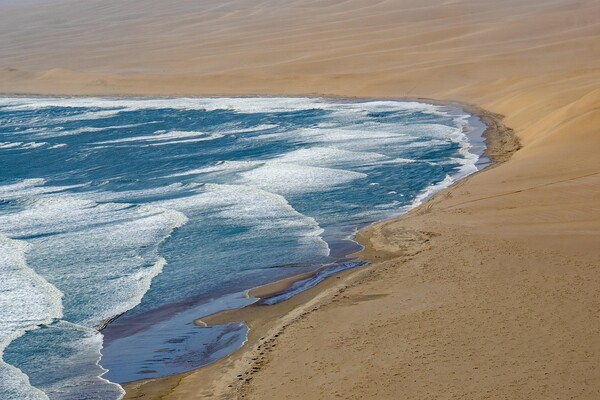
네덜란드가 해수면 상승에 대응하기 위해 모래 보충 등 자연기반해법(Nature-based Solutions)을 활용하고, 국제 협력을 통해 연안 보호 전략의 확산을 추진하고 있다. [사진출처(Photo Source) = Pixabay]
네덜란드에는 수백만 명이 해수면보다 낮은 지역에 살고 있다. 이는 이제 거의 의식되지 않을 정도로, 그저 일상의 일부로 받아들여지는 현실이다.
그러나 해수면은 변하고 있다. 20세기 동안에만 해수면은 약 20cm 상승했다. 네덜란드에서는 해수면 상승이 기후변화로 인한 가장 중대한 영향 중 하나로 꼽힌다. 이러한 변화에 대응하기 위해 국제 파트너들과 협력 방안을 모색해야 한다는 목소리도 커지고 있다.
해안선 유지의 중요성
사스키아 반 호울(Saskia van Gool) 네덜란드 공공사업·수자원관리청(Rijkswaterstaat) 해수면 상승 지식 프로그램 매니저는 “바다는 통제할 수 없는 강력한 자연 요소”라며 “아무런 조치를 하지 않는다면 바다는 육지를 잠식하게 될 것이고, 해수면이 더 높아질수록 그 영향은 내륙 깊숙이까지 이어질 것”이라고 말했다.
그는 “해수면 상승에 대응하는 해법은 사실 매우 단순하다. 해변에 더 많은 모래를 보충하면 된다”며 “우리가 실제로 하고 있는 일이 바로 그것”이라고 말했다. 이어 “해수면이 더 높아질수록 모래를 더 많이 투입해 해안선을 제자리에 유지하고 있다”고 설명했다.
이 과정을 ‘모래 보충(sand replenishment)’이라고 부른다. 특수 준설선이 해변이나 해저에 모래를 분사하거나 투입하는 방식이다. 준설선은 해안에서 10km 이상 떨어진 북해 해저에서 모래를 빨아들인다. 거대한 진공청소기처럼 흡입 장치를 해저 위로 끌며 모래를 흡입한 뒤, 이를 연안으로 운반해 해변에 쌓거나 분사한다.
자연과 함께하는 해안 조성
또한 네덜란드에서는 이미 존재하는 자연적 과정을 관찰하고 이를 활용한다. 사스키아 반 호울 매니저는 “예를 들어 전면 해안에 모래를 투입하면, 해류가 이를 자연스럽게 해변으로 옮긴다”며 “자연 소재를 사용하고, 그 적용 방식 또한 자연에 맡기는 접근”이라고 설명했다. 이어 “우리는 이를 자연기반해법(Nature-based Solutions)이라고 부른다”고 덧붙였다.
국경을 넘는 해안 대응
바다는 국경을 가리지 않는다. 이에 따라 네덜란드는 이웃 국가를 비롯한 여러 나라와 협력해 해수면 상승에 대한 회복력을 강화하고 있다. 그는 “우리는 하나의 자연 시스템 안에서 살아가고 있다”며 “예를 들어 벨기에가 해안선을 유지하기 위해 모래가 필요하다면, 우리에게 이를 요청할 수도 있다”고 말했다. 이어 “연안 관리는 어느 한 나라만의 노력으로는 이뤄질 수 없으며, 서로 의존할 수밖에 없다”고 강조했다.
이에 따라 네덜란드는 프랑스부터 스웨덴까지 5개국과 함께 MANABAS COAST(자연기반해법 연안 관리) 프로젝트를 추진하고 있다. 이 프로젝트의 목표는 자연기반해법의 활용을 확대하는 것이다.
사스키아 반 호울은 이 프로젝트의 프로그램 매니저를 맡고 있다. 네덜란드 공공사업·수자원관리청은 기후 회복력과 지속 가능한 연안 관리 분야에서의 국제적 목표가 중요하다고 판단해 이 프로젝트를 주도하고 있다.
선도에서 벤치마킹으로
MANABAS COAST 프로젝트는 해수면 상승과 연안 침식에 효과적으로 대응하기 위해 국가 간 지식을 공유하고 서로 배우는 데 초점을 맞추고 있다. 그는 “네덜란드는 기술적 노하우를 제공하는 한편, 파트너 국가들로부터는 지역 여건에 대한 대응 방식을 배운다”며 “이러한 조치들은 때로 지역사회에 부담으로 인식될 수 있다”고 말했다. 이어 “자연기반해법의 경우 공간이나 토지가 필요할 수 있는데, 이는 항상 모두에게 환영받는 것은 아니다”라고 설명했다.
모래 보충과 같은 자연기반해법은 효과적인 해결책이 될 수 있지만, 아직 북해 연안 전역에서 연안 보호의 주요 수단으로 대규모 적용되지는 않고 있다. MANABAS COAST 프로젝트는 이러한 자연기반해법을 연안 보호의 기준으로 정착시키는 것을 목표로 한다. 그는 “해수면 상승에 대응하기 위해서는 국제적인 지식 교류가 매우 중요하다”며 “서로에게서 배우는 노력을 계속해야 한다”고 말했다.
연안 안전, 긴급 대응이 관건
해수면 상승이 가져올 영향 가운데 현재 가장 큰 우려는 무엇일까. 그는 “기본적으로 연안 관리는 잘 이뤄지고 있다. 하지만 그렇기 때문에 긴급성이 약해지는 경우가 있다”며 “사람들이 이를 더 이상 필수적인 문제로 인식하지 않게 되면 대응이 뒤처지게 된다”고 말했다. 이어 “안주할 수는 없다”며 “안전한 삶을 지속하기 위해서는 제대로 된 연안 관리가 필수적”이라고 강조했다.
[원문보기]
Resilient to sea level rise: more sand, more safety
Millions of people in the Netherlands live below sea level. It is a fact that almost no one thinks about anymore: it’s something normal, just part of our existence.
But the sea level is changing. In the twentieth century alone, sea levels rose by approximately 20 cm. For the Netherlands, sea level rise is high on the list of the most significant consequences of climate change. How can we work with our international partners to formulate a response to this development?
Keeping the coastline in place
'The sea is a powerful element that cannot be controlled', says Saskia van Gool, Programme Manager of the Sea Level Rise Knowledge Programme at Rijkswaterstaat. 'If we did nothing, the sea would eat away at the land. With higher sea levels, this would just continue further inland.'
The most important way to prevent this is keeping the coastline in place. This is done by adding extra sand to the beach. 'The solution to dealing with sea level rise is actually quite simple: we just need to add more sand to the beach. And that’s precisely what we're doing. The higher the rise, the more sand we add. This ensures that the coast stays in place.'
We call this process sand replenishment. Special dredgers spray or dump sand on the beach or on the seabed. The ship sucks up sand from the North Sea seabed, more than 10 km from the coast. Like a giant vacuum cleaner, it drags its suction head across the seabed to suck up the sand. We then transport the sand to the coast to deposit or spray it.
Building with nature
Furthermore, in the Netherlands, we look at the natural processes that already exist and make use of them. 'For example, if we put sand on the foreshores, the current will naturally wash it onto the beach. So we use natural materials that we also implement in a natural way. We call this Nature-based Solutions.'
The coast as a shared front
The sea does not observe national borders. That is why we, in the Netherlands, are working together with our neighbours and countries beyond to make ourselves resilient to sea level rise. 'We live in a natural system. If Belgium needs sand to maintain its coastline, for example, they may look to us for it. Good coastal management cannot be done in isolation. You depend on each other.'
That is why we are collaborating with five other countries, from France to Sweden, in the MANABAS COAST project. The goal is to promote the use of Nature-based Solutions. Van Gool is the Programme Manager for this project. Rijkswaterstaat is leading this project because we consider the global objectives in the field of climate resilience and sustainable coastal management to be important.
From pioneering to benchmarking
The MANABAS COAST project involves us exchanging knowledge and learning from each other how best to deal with the consequences of sea level rise and coastal erosion. 'For example, while we contribute our ingenuity from the Netherlands, we learn from our partners how they deal with the locality, which can sometimes find these measures complex. Nature-based Solutions may require space or land, for example, which is not always welcomed by everyone.'
Although Nature-based Solutions such as sand replenishment offer a viable solution, they are not yet being applied on a large scale along the entire North Sea coast as the primary solution for coastal protection. The MANABAS COAST project aims to make these solutions the benchmark.
'International knowledge exchange is very important in order to deal with sea level rise. We must continue to learn from each other.'
Safety demands urgency
What is currently the biggest concern when it comes to the consequences of sea level rise? 'Basically, we have coastal management well under control. But that is precisely why a sense of urgency sometimes lessens. If people no longer feel that it is essential, you fall behind. We can’t afford to be complacent. Good coastal management is a prerequisite for continuing to live safely.'
[출처 = 네덜란드 수자원공사(Rijkswaterstaat)(https://www.rijkswaterstaat.nl/en/news/archive/2025/12/resilient-to-sea-level-rise-more-sand-more-safety) / 2025년 12월 15일]
|  즐겨찾기 추가
 시작페이지로 설정
























