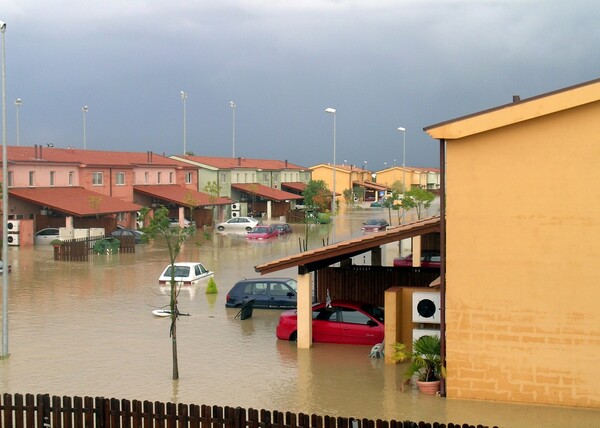
미국 워싱턴 D.C.에 위치한 하워드대학교(Howard University) 연구진이 인공지능(AI)·빅데이터를 활용해 납 오염과 도시 홍수 등 기후위기 관련 인프라·공중보건 위험 예측 기술을 고도화하고 있다. [사진출처(Photo Source) = Pixabay]
미국 워싱턴 D.C.에 위치한 하워드대학교(Howard University) 토목공학과 산지브 샤르마(Sanjib Sharma) 박사 조교수와 공과·건축대학(CEA) 연구팀은 기후변화 위기가 심화되는 가운데 인공지능(AI)이 긴급한 인프라 및 공중보건 문제 해결에 어떻게 기여할 수 있는지를 주제로 연구를 수행해 왔다.
미국 천연자원보호위원회(National Resources Defense Council, NRDC)에 따르면, 미국 전역의 지역사회는 노후화된 인프라와 오염된 상수도 시스템 그리고 점점 심각해지는 도시 홍수로 인해 갈수록 부담이 커지고 있다. 이러한 위험에 대응하기 위해서는 위험 요소를 보다 조기에 감지하고, 더 현명한 의사결정을 지원할 수 있는 새로운 도구가 필요하다는 지적이다.
CEA 연구진은 AI, 빅데이터, 고성능 컴퓨팅(HPC을 통합해 홍수·가뭄·폭염 등 극한 기상 현상의 예측 정확도를 높이는 데 연구의 초점을 맞추고 있다. 이들의 연구 성과 가운데 두 편은 국제 학술지 『Nature Scientific Reports(네이처 사이언티픽 리포트)』에 게재됐다.
딜런 달링(Dylan Darling) 하워드대학교(Howard University) 토목공학과 졸업생은 설명 가능한 머신러닝을 활용한 식수 납 오염 예측 연구를 주도했다. [사진제공(Photo Source) = 하워드대학교]
첫 번째로 발표된 연구는 ‘설명 가능한 머신러닝 기반 아동 혈중 납 농도 및 학교 식수 오염 예측: 워싱턴 D.C. 사례 연구(Explainable machine-learning-based predictions of blood lead levels and school drinking water contamination among children: a case study in Washington D.C.)’로, 지난 학기에 토목공학과를 졸업한 딜런 달링(Dylan Darling)이 연구를 주도했다. 해당 연구는 워싱턴 D.C.를 사례 지역으로 삼아 아동 공중보건과 식수 안전 문제를 분석했다.
해당 연구에서는 설명 가능한 머신러닝 기법을 활용해 상수도 시스템 내 납 오염 위험을 예측했다. 식수에 포함된 납은 심각한 건강 위험을 초래하며, 납 노출은 안전한 수준이 없는 것으로 알려져 있다. 실제로 미국에는 납이 포함된 급수관이 900만 개 이상 존재하는 것으로 추정된다.
연구 경험을 돌아보며 달링은 이번 프로젝트를 통해 데이터 과학과 공학이 결합해 실제 공중보건 문제를 해결하고, 지역사회가 안전을 지키는 데 도움이 되는 정보를 만들어낼 수 있다는 점을 배웠다고 밝혔다.
샤르마 박사는 “학부생이 영향력 있는 학술지에 게재된 연구를 주도하는 모습을 보는 것은 매우 고무적”이라며, “이는 과학적 이해를 넓히는 것은 물론 지역사회 복지 증진에도 기여하는 의미 있는 연구에 우리 학부생들이 얼마나 강한 헌신을 기울이고 있는지를 잘 보여준다”고 말했다.
AI 활용은 납 오염 위험이 가장 큰 지역을 정확히 찾아내는 데 효과적인 수단이다. 이러한 정보는 인프라 투자에 대한 보다 합리적인 의사결정을 내리는 데 도움이 된다.
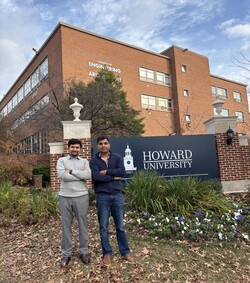
요게시 바타라이(Yogesh Bhattarai)는 딜런 달링(Dylan Darling)의 지도교수이기도 한 산지브 샤르마(Sanjib Sharma) 교수와 함께 연구를 수행했다.[사진제공 = 하워드대학교]
두 번째 연구는 ‘도시 홍수에 대비한 핵심 인프라 회복력 강화를 위한 앙상블 학습(Ensemble learning for enhancing critical infrastructure resilience to urban flooding)’으로, 토목공학과 박사과정생인 요게시 바타라이(Yogesh Bhattarai)가 연구를 주도했다. 해당 연구는 도시 홍수 예측의 정확도를 높이는 데 초점을 맞추고 있다.
바타라이는 “우리의 목표는 실시간 의사결정을 지원할 수 있는 모델을 구축하는 것이었다”며, “도시 홍수는 발생 지역이 매우 국지적이고 전개 속도도 빨라 기존의 홍수 모델로는 이런 세부적인 특성을 놓치는 경우가 많다”고 설명했다.
이어 “크라우드소싱 데이터를 AI 모델과 결합함으로써 지역사회와 재난 대응 담당자들이 활용할 수 있는 보다 정확하고 실질적인 정보를 생성할 수 있었다”고 말했다.
AI는 실시간으로 거리 단위의 예측을 제공함으로써, 해상도가 낮은 기존 홍수 모델이나 오래된 재해 위험 지도의 한계를 보완할 수 있다. 이러한 기술 발전은 재난 대응 담당자와 도시 계획가들에게 보다 신속하고 정밀한 정보를 제공해 지역사회가 극한 기상 현상에 더 효과적으로 대비할 수 있도록 돕는다.
이번 연구에는 하워드대학교 토목공학과 사라 카만말렉(Sara Kamanmalek) 박사 조교수와 컴퓨터공학과 비제이 차우더리(Vijay Chaudhary) 박사 강사가 공동 저자로 참여했다.
이번 연구는 하워드대학교가 의미 있고 책임 있는 AI 혁신을 추진해온 노력을 다시 한번 강화하는 성과로 평가된다.
[원문보기]
Howard University Civil Engineering Research Team Uses AI to Help Address Climate Change Crises
Howard University civil engineering assistant professor Sanjib Sharma, Ph.D., and his College of Engineering and Architecture research team have conducted studies on how artificial intelligence can help address urgent infrastructure and public health challenges in response to increasing climate change crises.
According to the National Resources Defense Council, communities across the country face growing challenges from aging infrastructure, contaminated water systems, and increasingly severe urban flooding. Addressing these risks requires new tools that can detect hazards earlier and guide smarter decisions.
The CEA researchers focus on integrating AI, big data, and high performance computing to improve predictions of extreme events, such as floods, droughts, and heatwaves. Two of their studies have been published in Nature Scientific Reports.
The first published study, Explainable machine-learning-based predictions of blood lead levels and school drinking water contamination among children: a case study in Washington D.C., was led by Dylan Darling (BSCE ’25), who graduated from the civil engineering program just last semester.
Explainable machine learning is used in the study to predict lead contamination risk in drinking water systems. Lead in drinking water poses a serious health risk. No level of lead exposure is considered safe. The United States has an estimated over 9 million service lines containing lead.
Reflecting on his research experience, Darling shared that the project taught him how data science and engineering can work together to tackle real public health challenges and generate information that helps communities stay safe.
“Seeing an undergraduate student lead research published in a high-impact journal is truly inspiring,” said Sharma. “It reflects the strong dedication our undergraduates bring to meaningful research that advances both scientific understanding and community well-being.”
The use of AI is a powerful way to pinpoint the location with the greatest risk of lead contamination. This information helps to make informed decisions on infrastructure investment.
The second study, Ensemble learning for enhancing critical infrastructure resilience to urban flooding, was led by Yogesh Bhattarai, Howard University civil engineering Ph.D. student. The research focuses on improving predictions of urban flooding.
“Our goal was to build models that can support real-time decision making,” said Bhattarai. “Urban flooding is highly localized and fast-moving, and traditional flood models often miss those details. By integrating crowd-sourced data with AI models, we’re able to generate more accurate, actionable information for communities and emergency managers.”
AI can overcome the limits of coarse flood models and outdated hazard maps by providing street-level predictions in real time. These advances give emergency managers and city planners sharper, faster insights, making communities better prepared for extreme weather.
Sara Kamanmalek, Ph.D., Howard University civil engineering assistant professor, and Vijay Chaudhary, Ph.D., Howard University computer science lecturer, contributed to the research studies as co-authors.
This research reinforces Howard University’s efforts to drive meaningful, responsible AI innovation.
 즐겨찾기 추가
 시작페이지로 설정