[미국] 미네소타대 공동연구팀, 지하수 PFAS 제거 기술 개발
미국 브라운대·미네소타대·제이콥스·아크·미 해군 연구진이 주도…『Journal of Hazardous Materials』에 게재
초미세 탄소 소재(CCP) 주입해 지하수 내 PFAS 포집 가능성 확인
지하수 PFAS 농도 10개월만에 만배 감소…장·단사슬 PFAS 모두 제거 및 비용 절반 절감
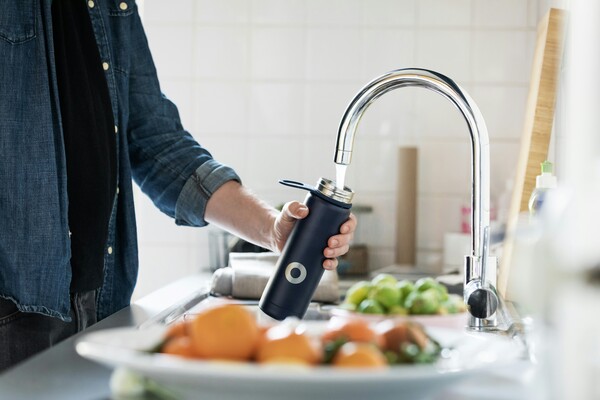
미국 브라운대학교(Brown University), 미네소타대학교(University of Minnesota), 제이콥스 엔지니어링(Jacobs Engineering), 아크(Arq Inc.), 미 해군 연구진이 주도한 새로운 연구는 실제 환경에서 PFAS를 저감할 수 있는 잠재적인 방안을 제시한다. [사진출처(Photo Source) = Unsplash]
과불화화합물(PFAS)은 수십 년간 프라이팬, 방수 의류, 식품 포장재, 화장품 등 다양한 소비재에서 대량을 사용돼 왔으며, 소방용 폼, 금속 코팅제, 기계 윤활유 등 여러 산업 분야에도 활용돼 왔다. 이러한 화학물질은 지하수에서 광범위하게 검출되며, 탄소-불소 공유 결합의 강력한 안전성으로 인해 전국 수백 곳에 달하는 군사, 산업, 지자체 시설에서 발생한 오염 지하수를 어떻게 정화할 것인가에 대한 중대한 문제가 제기되고 있다.
기존 연구에서는 실험실 환경에서 특정 PFAS를 제거할 수 있는 가능성이 입증된 바 있지만, 미국 브라운대학교(Brown University), 미네소타대학교(University of Minnesota), 제이콥스 엔지니어링(Jacobs Engineering), 아크(Arq Inc.), 미 해군 연구진이 주도한 새로운 연구는 실제 환경에서 PFAS를 저감할 수 있는 잠재적인 방안을 제시한다.
연구진은 '콜로이드 탄소 제품(CCP)'이라고 불리는 특수 설계된 초미세 탄소 소재를 지하에 주입해 지하수 내 PFAS를 포집할 수 있는지 확인하고자 했다. 이를 위해 '푸시-풀(Push-pull)' 테스트라는 방법을 사용했는데, 이는 먼저 탄소를 토양에 주입해 지하 필터를 형성한 뒤, 다시 물을 끌어올려 필터를 통과시킨 후 PFAS 농도가 감소하는지 측정하는 방식이다.
이 방법은 먼저 현장 토양으로 채운 소규모 실험실 모델에서 시험됐고, 이후 PFAS 농도가 매우 높은 해군 훈련장에서 실제 현장 실험으로 이어졌다. 연구진은 CCP 주입 전후의 PFAS 농도를 비교함으로써 탄소가 화학물질을 얼마나 효과적으로 포집하는지, 그리고 이 간단하고 비침습적인 방법이 실용적인 정화 대안으로 활용될 수 있는지를 평가했다.
『유해물질 저널(The Journal of Hazardous Materials)』에 발표된 연구 결과는 다음과 같다.
-현장 실험에서 PFAS 농도는 주입 10개월 후 5만ng/L 이상에서 검출 한계치 미만으로 떨어졌으며, 이는 최대 만 배(4 orders of magnitude)에 달하는 감소 수치다.
-이 처리 방법은 장사슬 및 단사슬 PFAS를 모두 효과적으로 제거했는데, 단사슬 PFAS는 일반적으로 포집하기 더 어려운 물질이므로 중요한 진전으로 평가된다.
-비용 분석 결과, CCP 처리의 장기 운영 비용은 다른 PFAS 제거 방법의 절반 이하로 나타나, 수십 년에 걸친 정화가 필요한 부지에서 비용 효율적인 대안이 될 수 있음을 보여줬다.
이번 연구의 공동저자인 매트 심칙(Matt Simcik) 미네소타대 공중보건대학 교수는 "이번 연구는 지하에 효과적인 처리 구역을 조성해 PFAS 농도를 획기적으로 낮추면서도 장기 비용을 크게 줄일 수 있음을 보여준다"며 "이 방법의 효과성과 시스템이 거의 지속적인 유지관리가 필요하지 않다는 점이 결합돼 실제 정화 작업에 매우 유망한 선택지가 된다. PFAS 오염에 직면한 지역사회에 있어 이는 식수를 보호하고 장기 노출 위험을 줄일 수 있는 실용적이고 지속 가능한 기술을 나아가는 중요한 진전"이라고 강조했다.
윌리엄 아놀드(William Arnold) 미네소타대 과학 및 공학대학 교수는 "이번 프로젝트는 실무자, 정부, 학계 간 협력의 중요성을 보여준다"며 "이 연구실-현장 연계 프로젝트의 성공을 위해서는 팀 구성원들의 전문성, 경험, 통찰력이 필수적이었다"고 말했다.
연구진은 이 정화 방법을 완전히 이해하고 최적화하기 위해서는 추가 연구가 필요하다고 밝혔다. 구체적으로는 지하 탄소 처리 구역이 PFAS를 얼마나 오랫동안 포집할 수 있는지, 다양한 토양 및 지하수 조건에서 이 접근법이 어떻게 작동하는지, 더 크고 장기간의 현장 실험을 수행하는 것, 그리고 CCP를 실제로 PFAS를 분해하는 기술과 결합할 수 있는지 등을 연구할 것을 권장했다.
이 연구는 미 해군의 환경 지속가능성 개발·통합 프로그램(Navy Environmental Sustainability Development to Integration Program)의 지원을 받아 수행됐다.
[원문보기]
New method for removing PFAS from groundwater
Per- and polyfluoroalkyl substances (PFAS) have been mass produced for decades in consumer products like frying pans, water-resistant clothing, food packaging and cosmetics. They have also been used in a range of industrial applications, including firefighting foam, metal coatings and mechanical lubricants.
The ubiquity of these chemicals in groundwater, along with the strength of their unique covalent carbon-fluoride bond, has raised a critical question: how can we remediate the contaminated groundwater at hundreds of military, industrial, municipal and other sites across the country?
While previous research has demonstrated the potential to destroy selected PFAS in laboratory-based settings, a new study led by researchers from Brown University, the University of Minnesota, Jacobs Engineering, Arq Inc. and the U.S. Navy demonstrates a potential solution to the challenge of mitigating PFAS in real-world situations.
Specifically, researchers wanted to see whether a specially-engineered, ultra-fine carbon material called colloidal carbon product (CCP) could be injected underground to trap PFAS in groundwater. They tested this using a method called “push-pull” testing, which involves first pushing the carbon into the soil to create an underground filter and then pulling water back out to see if PFAS levels dropped after passing through the filter.
Researchers tested this approach both in a small lab model filled with soil from the site, then in a real-world test at a Navy training area where PFAS levels were extremely high. By comparing PFAS levels before and after CCP was injected, the researchers could tell how well the carbon trapped the chemicals and whether this simple, noninvasive method could work as a practical cleanup option.
The paper, published in The Journal of Hazardous Materials, found:
-PFAS concentrations dropped by up to four orders of magnitude in the field test, from more than 50,000 ng/L to below detection limits 10 months after injection.
-The treatment effectively removed both long-chain and short-chain PFAS, an important advancement because short-chain PFAS are typically more difficult to capture.
-A cost analysis found that long-term operating costs of CCP treatment would be less than half those of other PFAS-removal methods, making it a cost-effective alternative for sites requiring decades of remediation.
“This study shows that we can create an effective treatment zone underground that dramatically reduces PFAS levels with far lower long-term costs,” said Matt Simcik, a professor in the School of Public Health and co-author.
“The effectiveness of this method, combined with the fact that the system requires very little ongoing maintenance, makes this a promising option for real-world cleanup efforts. For communities facing PFAS contamination, this represents a major step forward toward practical, sustainable technologies that can protect drinking water and reduce long-term exposure risks.”
“The project shows the importance of partnerships between practitioners, government and academia," said William Arnold, a professor in the College of Science and Engineering. "The expertise, experience and insight of the individuals that made up the team was needed for this lab-to-field project to succeed.”
Additional research is needed to fully understand and optimize this cleanup method. The team recommends studying how long the underground carbon treatment zone can keep capturing PFAS, testing the approach in different soil and groundwater conditions, conducting larger and longer-term field trials and exploring whether CCP could be combined with technologies that actually destroy PFAS.
This work was conducted with support from the Navy Environmental Sustainability Development to Integration Program.
[출처 = 미네소타대학교(University of Minnesota)(https://twin-cities.umn.edu/news-events/new-method-removing-pfas-groundwater) / 2025년 12월 17일]
|  즐겨찾기 추가
 시작페이지로 설정
























