[해외연구보고서] 뉴캐슬대학교, "화석연료가 유럽 겨울 강수 변화 25년 앞당겼다" 경고
화석연료 연소, 유럽 겨울 강수 변화 20여 년 앞당겨
기후모델 예측보다 더 빠르고 강한 변화… 홍수·가뭄 위험 동시 확대
영국·유럽의 인프라·적응계획, 현재 위험 수준 반영 못할 가능성 제기
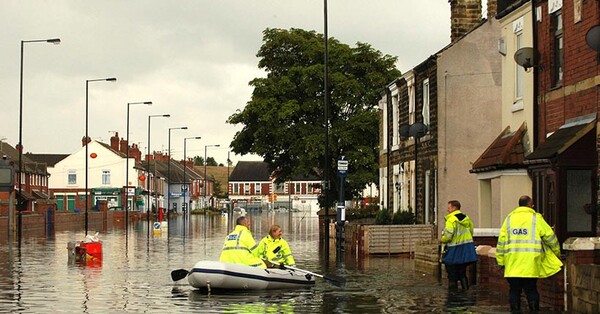
영국 뉴캐슬대학교(Newcastle University) 연구진은 화석연료 연소가 영국과 유럽의 겨울 강수 변화를 예상보다 약 25년 빠르게 앞당기고 있다고 밝혔다. [사진제공(Photo Source) = 영국 뉴캐슬대학교(Newcastle University)]
영국 뉴캐슬대학교(Newcastle University) 연구진은 화석연료 연소가 영국과 유럽의 겨울 강수 변화를 예상보다 약 25년 빠르게 앞당기고 있다고 밝혔다. COP30 협상이 화석연료 감축에 대한 새로운 약속을 확보하지 못한 가운데, 새 연구는 석탄·석유·가스 사용이 북유럽 전역의 겨울 강수량을 기후모델 전망보다 수십 년 앞서 위험한 수준으로 증가시키고 있음을 보여준다.
헤일리 파울러(Hayley Fowler) 뉴캐슬대학교 기후변화영향학과 교수는 “최근 먼머스(Monmouth)에서 겪은 일은 영국이 이미 화석연료 의존으로 인한 심각한 기상 재해를 겪고 있다는 또 하나의 분명한 증거”라고 말했다. 이어 “우리 연구는 겨울 강수량이 기후모델 예측보다 훨씬 빠르게 증가하고 있으며, 모델상 2040년대에서나 나타나는 수준에 이미 도달했음을 보여준다”고 설명했다.
파울러 교수는 COP30 결정문에서 화석연료 관련 문구가 제외된 상황을 언급하며 “정치인들이 과학을 이해하는 게 중요하다. 위험은 가속되고 있고, 행동을 늦출수록 더 많은 생명이 위험해진다”고 강조했다.
또한 시민들에게 지역구 의원에게 연락해 11월 27일 웨스트민스터(Westminster)에서 열리는 ‘국가 비상 브리핑’ 참석을 요구해 달라고 요청했다. 이 자리에서 파울러 교수는 크리스 패캄(Chris Packham)과 영국 주요 과학자들과 함께 발표할 예정이다.
파울러 교수는 “정치인들이 급증하는 극한 기상 현상을 심각하게 받아들여야 한다”며 “영국은 화석연료에서 벗어나 회복력 투자를 지금 당장 시작해야 한다”고 말했다.
연구팀은 학술지 『Environmental Research Letters』에 발표한 논문에서 화석연료 연소로 인한 온난화가 유럽의 겨울 강수 패턴 변화를 20년 이상 앞당겼다고 밝혔다. 원래는 2040년대 중반에 나타날 것으로 예상된 현상이 이미 현재 관측되고 있다는 것이다.
연구진은 1950~2024년 유럽의 겨울 강수량을 분석했으며, 북대서양 제트기류 이동 등 대규모 대기 순환 패턴이 인간 활동이 일으킨 온난화와 어떻게 상호작용하는지 조사했다. 분석 과정에서는 자연적 변동성과 화석연료 연소의 영향을 분리해 검토했다. 그 결과 자연 변동을 고려한 뒤에도 관측된 변화가 기후모델 예측보다 훨씬 강했다.
연구에 따르면 영국을 포함한 북유럽·중부유럽의 겨울은 현저히 더 습해져 홍수 위험이 증가하고 있으며, 지중해 지역의 겨울은 더 건조해지며 가뭄과 물 부족이 심화되고 있다. 연구팀은 기후모델이 이러한 변화의 속도와 규모를 크게 과소평가하고 있다고 밝혔다.
제임스 캐러서스(James Carruthers) 뉴캐슬대학교 공학부 박사는 “특히 북유럽의 미래 겨울 홍수 위험이 크게 과소평가되고 있을 가능성이 높다”며 “현재 우리가 직면한 위험 수준은 기후모델이 보여주는 것보다 이미 더 높다”고 말했다.
이번 연구 결과는 향후 20~30년 동안 기후위험을 과소평가하고 있을 수 있는 유럽 각국의 국가 적응계획, 인프라 투자, 비상 대응체계에 대해 긴급한 우려를 제기한다. 연구진은 악화되는 겨울 홍수로부터 지역사회를 보호하기 위해 영국과 유럽이 적응계획을 강화하고 속도를 높여야 한다고 강조했다. 또 다른 계절에서도 유사한 조기 강화 현상이 나타나는지 조사할 계획이다.
영국은 지금 2040년대 중반에서나 예상되던 강수량을 이미 경험하고 있으며, 홍수 방어시설·배수 시스템·비상 대응체계가 현재 위험 수준을 충분히 반영하지 못하고 있을 수 있다. 빠른 조치 없이 대응이 늦어지면 주거지, 교통망, 핵심 서비스 등 다양한 분야에 심각하고 빈번한 홍수 피해가 발생할 가능성이 커지고 있다.
이번 결과는 전 세계 기후협상이 화석연료 감축을 둘러싸고 교착 상태에 빠진 중요한 시점에 공개됐다.
[원문보기]
Fossil fuels speed up shifts in Europe’s winter rainfall
New study reveals burning of fossil fuels is accelerating winter rainfall changes in the UK and Europe, almost 25 years sooner than expected.
As COP30 negotiations failed to secure new pledges to cut fossil fuels, new research shows that the burning of coal, oil and gas is already driving dangerous increases in winter rainfall across northern Europe—decades ahead of climate model projections.
Professor Hayley Fowler, Professor of Climate Change Impacts at Newcastle University, said:
“What we saw recently in Monmouth is another stark reminder that the UK is already facing severe weather impacts driven by our continued reliance on fossil fuels. Our new study shows that winter rainfall is increasing far more quickly than climate models project—reaching levels now that models don’t detect until the 2040s.
“As fossil fuels were taken out of the COP30 decision text, it is vital that politicians understand the science: the risks are accelerating, and delaying action will put more lives at risk.
“I urge members of the public to contact their MP and ensure they attend the National Emergency Briefing on 27 November in Westminster, where I will be speaking alongside Chris Packham and many of the UK’s leading scientists. We urgently need our politicians to take these escalating weather events seriously. The UK must urgently transition away from fossil fuels and invest in resilience now, not decades from now.”
Burning of fossil fuels has accelerated Europe’s winter rainfall changes by 23 years
A new study published in the journal Environmental Research Letters reveals that warming caused by the burning of fossil fuels has accelerated shifts in Europe’s winter rainfall patterns by more than two decades. Conditions expected in the mid-2040s are already being observed today.
Newcastle University climate experts found that winters in Northern and central Europe—including the UK—are becoming significantly wetter, increasing winter flood risk. In contrast, winters in the Mediterranean are becoming markedly drier, deepening drought and water scarcity. Climate models significantly underestimate both the speed and magnitude of these changes.
The team analysed winter rainfall in Europe between 1950 and 2024 and examined how large-scale atmospheric circulation patterns, including shifts in the North Atlantic jet stream, interact with human-caused warming. Their methods separated the natural variability from the effects of burning fossil fuels.
Even after accounting for natural climate fluctuations, observed changes were much stronger than climate models predict for the same period.
Flood risks underestimated across northern Europe
These trends are contributing to increases in winter flood risk in Northern Europe. Lead author Dr James Carruthers, Newcastle University School of Engineering, said:
“Future winter flood risk, especially in northern Europe, is likely being significantly underestimated. The level of risk we face today is already greater than climate models indicate.”
The findings raise urgent concerns for national adaptation plans, infrastructure investment, and emergency preparedness across Europe which may be underestimating climate risks for the next 20 to 30 years.
The authors stress that the UK and Europe must accelerate and strengthen its adaptation planning to protect communities from worsening winter floods, as many systems are planned using these climate model projections. They plan to continue investigating whether similar early intensification is occurring in other seasons.
Why this matters for UK policymakers
The UK is already experiencing rainfall levels not expected until the mid-2040s.
Flood defences, drainage systems, and emergency services may be underprepared for current levels of risk.
Without rapid action, communities will face increasingly severe and frequent flood events, damaging homes, transport networks, and critical services.
The results come at a pivotal moment, as global climate negotiations stall on the phase-out of fossil fuels.
[출처 = 영국 뉴캐슬대학교(Newcastle University)(Fossil fuels speed up shifts in Europe’s winter rainfall) / 2025년 11월 24일]
|  즐겨찾기 추가
 시작페이지로 설정
























