[미국] 스탄텍, 상하수도 관리 방안 평가 위한 수자원 연구 및 혁신 프로그램 착수
제한된 재원·강화되는 규제·공간 제약 등 유틸리티 시급 과제 대응 위해 추진
영양염류·PFAS 제거 기술 평가 및 기계학습 활용 예측 유지보수 모델 개발 등 포함
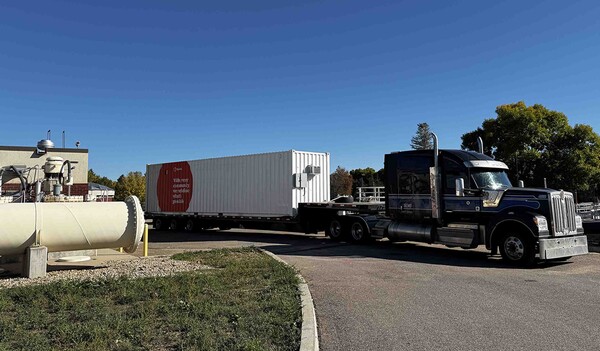
지속 가능한 설계 및 엔지니어링 분야의 글로벌 리더인 스탄텍(Stantec)은 새로운 상하수도 관리 방안을 평가하기 위해 세 가지 연구 프로그램을 시작했다고 밝혔다. [사진제공(Photo Source) = Stantec]
지속 가능한 설계 및 엔지니어링 분야의 글로벌 리더인 스탄텍(Stantec)은 새로운 상하수도 관리 방안을 평가하기 위해 세 가지 연구 프로그램을 시작했다고 밝혔다. 이번 연구 성과는 유틸리티가 처리 성능을 높이고, 비용 효율성과 지속가능성을 강화하는 데 기여할 것으로 기대된다.
스탄텍의 수자원 연구와 혁신에 대한 의지를 바탕으로 마련된 세 가지 프로그램은 제한된 재원, 강화되는 규제, 공간 제약 등 유틸리티가 직면한 가장 시급한 과제에 대응하기 위해 추진됐다.
이 파일럿 연구는 향후 고객 솔루션과 운영에 반영될 예정이다. 캘리포니아와 콜로라도에서 진행되는 이번 연구는 △영양염류 제거를 위한 공정 집약화 기술 시험 △과불화화합물(PFAS) 제거 기술 평가 △기계학습(ML)을 활용한 예측 유지보수 모델 개발 등을 포함한다.
산딥 사티야무르티(Sandeep Sathyamoorthy) 스탄텍의 수자원 연구·혁신·기술 그룹 부사장이자 이사는 "기술과 물산업의 전문성을 결합해 더 스마트하고 더 빠른 의사결정을 가능하게 하는 혁신적 솔루션을 개발하고 있다"며 "물유틸리티들은 디지털 인프라가 기존 인프라의 성능과 운영 향상시키는 데 핵심이라는 사실을 인식하고 있다. 이번 시범사업은 재정적, 환경적, 운영상의 과제를 해결하기 위해 이러한 관계를 탐구하고 있다"고 말했다.
식수 내 PFAS 제거를 위한 혁신적인 솔루션
상수원에서 PFAS를 제거하는 것은 유틸리티의 최우선 과제다. 올해 초 미국 환경보호청(EPA)은 식수 내 PFAS에 대한 새로운, 더 낮은 기준치를 설정했다. 증가하는 과학적 증거는 PFAS 노출이 인간과 생태계 건강에 중대한 위험을 초래한다는 사실을 보여주고 있다.
스탄텍은 높은 제거 효율과 운영의 간편성을 동시에 달성하기 위해 지표수 처리장의 PFAS 제거를 지원하는 선구적인 솔루션을 개발하고 있다. 이 이니셔티브는 다양한 여과 매체를 결합해 PFAS 제거 효과를 극대화하고, 운영 안정성을 높이며, 시설 직원의 부담을 줄이는 데 중점을 둔다. 초기 결과에 따르면, 혼합 매체 처리 전략은 역세척 빈도를 줄이면서 PFAS를 효과적으로 제거할 수 있는 것으로 나타났다.
지속 가능한 영양염류 제거
질소(N)와 인(P)을 포함한 영양염류 배출은 녹조 발생을 유발하고 수생 생태계에 훼손할 수 있다. 강화되는 규제, 증가하는 에너지 비용, 지역사회의 요구에 직면한 물회수시설(WRRFs)은 비용이나 배출을 늘리지 않고 하수에서 과잉 영양염류를 제거해야 하는 압박을 받고 있다. 일부 시설은 공간 제약 또한 큰 도전 과제로 작용한다.
이러한 과제를 해결하기 위해 스탄텍은 영양염류 제거를 강화하는 공정 집약화(process-intensification) 전략을 모색하고 있다. 새로운 프로그램은 첨단 센서와 계측 장비를 갖춘 40피트 규모의 모듈형·유연 처리 시스템(modular and flexible treatment system)을 활용해 다양한 영양염류 제거 전략의 성능과 운영상의 과제를 평가한다.
연구팀은 에너지 소비를 최소화하고 값비싸며 지속 가능하지 않은 화학물질 사용을 줄이면서 고효율의 영양염류 제거를 달성할 수 있는 방안을 검토하고 있다. 이번 연구는 WRRFs가 환경 관리 수준을 높이고 엄격한 규제를 준수할 수 있도록 확장 가능한 솔루션을 마련하는 데 기여할 것이다.
기계학습을 활용한 유입수량 예측
인공지능(AI)은 수자원 관리, 인프라 최적화 및 운영상의 과제를 해결하는 강력한 도구로 부상하고 있다. AI의 한 분야인 기계학습은 데이터를 기반으로 학습해 시간이 지남에 따라 성능을 개선하며, 이를 통해 장비 고장을 예측하고 처리 공정을 최적화하며 유입수량을 예측하고 의사결정을 강화할 수 있다.
스탄텍은 최근 WRRFs 유입수량을 최대 7일 앞서 예측할 수 있는 기계학습 모델을 개발했는데, 이는 현재 업계 표준인 24시간 예측을 뛰어넘는 성과다. 이 모델은 미국 전역의 30개 WRRFs에서 테스트됐으며, 3년 미만의 시설 데이터와 공개된 기상 예보만을 활용해 85% 이상의 정확도를 달성했다. 이러한 예측 능력의 도약은 유틸리티가 인력 배치 계획을 사전에 세우고 운영 요건을 관리하며 변화하는 상황에 자신 있게 대응할 수 있도록 한다.
유입수량 예측 시스템은 기계학습/인공지능 기반 연구 프로그램의 첫 사례다. 스탄텍은 영양염류 제거와 PFAS 연구에서 얻은 정보를 통합해 유틸리티가 운영 의사결정을 개선하고 미래 수요를 계획할 수 있도록 지원할 수 있다.
상하수도 혁신에 대한 헌신
스탠텍은 오랜 기간 동안 상하수도 유틸리티를 지원하며 효율성, 회복탄력성, 환경 관리 수준을 높이는 혁신적 솔루션을 개발해왔다. 기술과 전문성을 결합해 스탄텍은 유틸리티가 변화하는 규제를 준수하고 공중 보건을 보호하면서 운영 효율성을 유지할 수 있도록 돕고 있다.
이러한 파일럿 프로그램과 회사 전반의 지속적인 연구를 통해 스탄텍은 데이터·설계·전략을 연결해 고객이 운영 및 지역사회 요구를 충족하는 더 스마트하고 더 빠른 의사결정을 내릴 수 있도록 지원하고 있다.
[원문보기]
Stantec launches three water research and innovation programs
The programs will support PFAS management, sustainable nutrient removal, and machine learning for utilities
Stantec, a global leader in sustainable design and engineering, has launched three research programs to evaluate new water and wastewater management approaches. Outcomes from the research programs will enable water and wastewater utilities to improve treatment performance, cost-efficiency, and sustainability.
Driven by Stantec’s commitment to water research and innovation, the three programs were identified in response to utilities’ most pressing challenges, including limited funding, tightening regulations, and space constraints.
The pilots will inform client solutions and ongoing client operations. Based in California and Colorado, the research will test process intensification technologies for nutrient removal, evaluate per- and polyfluoroalkylated substances (PFAS) removal techniques, and use machine learning to develop predictive maintenance models.
“By fusing technology with water industry expertise, our teams are advancing innovative solutions that enable smarter and faster decisions,” said Sandeep Sathyamoorthy, vice president and director for Stantec’s Water Research, Innovation, and Technology group.
“Water utilities are learning that digital infrastructure is critical to the performance and operation of traditional built infrastructure. These pilots are exploring that relationship with the goal of solving financial, environmental, and operational challenges.”
Innovating solutions for PFAS in drinking water
Removing PFAS from water supplies is a top priority for utilities. Earlier this year, the U.S. Environmental Protection Agency established new, lower limits for PFAS in drinking water. Mounting scientific evidence links PFAS exposure to significant human and ecological health risks.
Recognizing the need for high-removal efficacy and operational simplicity, Stantec is pioneering solutions to help surface water treatment plants remove PFAS. The initiative centers on combining various filtration media to maximize PFAS removal, improving operational stability, and reducing the burden on facility staff. Early results indicate that a mixed media treatment strategy requires less frequent backwashing while still removing PFAS.
Advancing sustainable nutrient removal
Nutrient discharges, primarily nitrogen and phosphorous, cause algal blooms and can harm aquatic ecosystems. Facing tighter regulations, increased energy costs, and community demands, water resource recovery facilities (WRRFs) are under pressure to remove surplus nutrients from wastewater without increasing costs or emissions. Space constraints also pose a challenge for some facilities.
To address these challenges, Stantec is exploring process-intensification strategies that enhance nutrient removal. The firm’s new process-intensification program employs a 40-foot modular and flexible treatment system, equipped with state-of-the-art sensors and instrumentation, to evaluate the performance and operational challenges of a range of nutrient-removal strategies.
The research team is evaluating strategies that minimize energy consumption and reduce the need for expensive and unsustainable chemicals, while still delivering high-value nutrient removal. This research will inform scalable solutions for WRRFs to advance environmental stewardship and comply with stringent regulations.
Predicting influent flows using machine learning
Artificial intelligence (AI) is emerging as a powerful tool to address challenges in water resource management, infrastructure optimization, and operations. Machine learning (ML), a subset of AI that enables systems to learn from data and improve performance over time, can predict equipment failures, optimize treatment processes, forecast influent flows, and enhance decision-making.
Stantec recently developed an ML model that forecasts influent flows to WRRFs up to 7 days in advance—surpassing the current industry standard of 24-hour predictions. Tested at 30 WRRFs across the United States, this model delivers over 85 percent accuracy using less than three years of facility data and publicly available weather forecasts.
This leap in predictive capability empowers utilities to proactively plan staffing, manage operational requirements, and respond to changing conditions with unprecedented confidence.
The influent-flow forecaster is the first in a growing suite of ML/AI-powered research programs. By integrating information from the nutrient removal and PFAS research, Stantec will also be able to help utilities improve operational decision-making and plan for future requirements.
Committing to water utility innovation
Stantec has a long history of supporting water and wastewater utilities and innovating solutions that drive efficiency, resilience, and environmental stewardship. By fusing technology with expertise, Stantec is helping utilities comply with evolving regulations and safeguard public health—without compromising operational efficiency.
Through these pilot programs and ongoing work throughout the firm, the team is connecting data, design, and strategy to help clients make smarter and faster decisions that support operational and community needs. Learn more about water innovation at Stantec.
[출처 = 스탄텍(Stantec)(https://www.stantec.com/en/news/2025/stantec-launches-three-water-research-innovation-programs) / 2025년 11월 18일]
|  즐겨찾기 추가
 시작페이지로 설정
























