[WMO] 세계기상기구, COP30서 ‘기후–물 연계’ 전면 강화 촉구
COP30 바쿠 대화 고위급 회의에서 WMO, 글로벌 수문관측 및 데이터 공유 강화 필요성 제기
HSOS·세계 물 데이터 이니셔티브·조기경보체계 등 핵심 프로그램 보고
각국, 기후정책·적응계획에 물 관리 통합 및 유역·초국경 협력 확대 강조
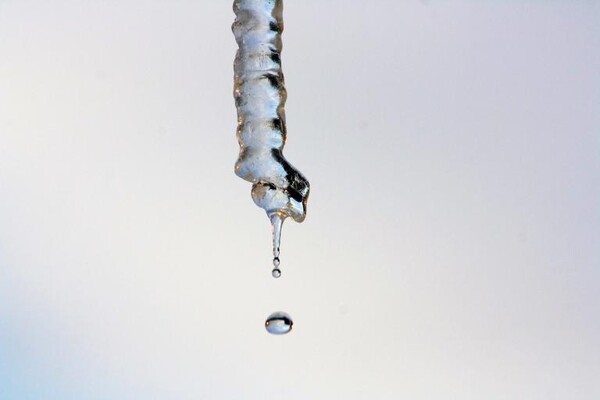
세계기상기구(WMO)가 COP30(브라질 벨렘)에서 열린 바쿠 대화(Baku Dialogue) 고위급 회의에서 기후위기 대응의 핵심 축으로 물 관리를 공식화하며, 데이터 기반 수문관리 혁신과 국제 협력 강화를 촉구했다. [사진제공(Photo Source) = WMO 도미니크 파피치(Dominik Papić)]
세계기상기구(WMO)가 COP30(브라질 벨렘)에서 열린 바쿠 대화(Baku Dialogue) 고위급 회의에서 기후위기 대응의 핵심 축으로 물관리를 공식화하며, 데이터 기반 수문관리 혁신과 국제 협력 강화를 촉구했다. 바쿠 대화는 2024년 COP29에서 출범한 플랫폼으로, 물부족·홍수·수질악화 등 전 세계 물 위기에 공동 대응하기 위한 협력 구조를 마련하기 위해 운영되고 있다.
셀레스트 사울로(Celeste Saulo) WMO 사무총장은 “데이터 없이 댐·홍수·수력발전소를 관리하는 건 불가능하다. 이는 생명과 경제를 눈가리고 위험에 맡기는 일”이라고 단언했다. 그는 “측정하지 않으면 관리할 수 없다”는 WMO의 기본 원칙을 강조하며 “기후와 물 모두에서 데이터 공유는 어느 때보다 중요하다. 투자비가 높아 보일지라도 홍수, 장기 가뭄, 신규 댐 건설에 드는 비용과 비교하면 말 그대로 ‘바닷물 한 방울’”이라고 말했다.
WMO는 바쿠 대화 체계에서 과학 기반 물관리 지원기관 역할을 맡고 있다. 사울로 사무총장은 “지상의 강뿐 아니라 하늘의 대기강 관리가 새로운 도전”이라며, “후퇴하는 빙하는 단기 재해를 유발하고 장기적인 물 불안정을 초래한다”고 우려했다.
니콜라 스페란차(Nicola Speranza) COP30 의장 비서실장은 “물은 기후 의제에서 일관되게 다뤄져야 할 핵심 요소다. 재원과 역량 강화를 기반으로 물문제를 사람들의 일상과 다시 연결해야 한다”고 말했다.
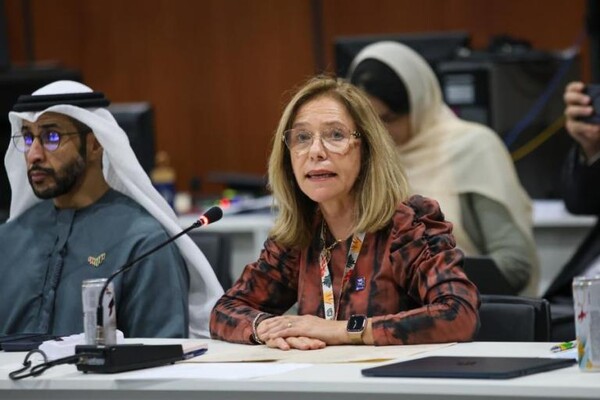
셀레스트 사울로(Celeste Saulo) WMO 사무총장이 브라질 벨렘에서 열린 COP30 ‘바쿠 대화’ 고위급 회의에서 발언하고 있다. [사진제공(Photo Source) = WMO]
■ WMO가 제시한 주요 프로그램
WMO 수문·물·빙권국을 이끄는 슈테판 울렌브룩(Stefan Uhlenbrook) 국장은 “국가들이 자국 물자원의 상태와 전망을 파악하고 물 관련 재난에 대비·회복·적응할 수 있도록 과학적 지원을 확대하겠다”고 밝혔다. 이날 소개된 대표 사업은 다음과 같다.
수문 현황·전망 시스템(HSOS)
전 세계·지역·유역 단위의 물자원 현황과 미래 전망을 제공해 국가의 수문 분석 역량을 강화하는 시스템이다.
세계 물 데이터 이니셔티브(World Water Data Initiative)
물자원·유역·생태계의 보전·복원·지속 가능한 관리를 위해 데이터 수집·공유 체계를 강화하는 프로젝트다.
조기경보 접근성 확대(Early Warnings for All)
물 관련 재난에 대한 대비·예방·복원·회복 역량을 강화해 모든 국가가 조기경보 혜택을 받을 수 있도록 지원하는 글로벌 프로그램이다.
이밖에도 WMO는 유역 단위 기후 시나리오, 취약성 평가 등 ‘물·기후 모니터링 체계’를 강화해 국가별 기후적응 전략 마련을 돕고 있다.
물·기후 통합 관리, 국가 기후정책의 필수 요소로
회의에 참석한 각국 장관과 고위급 패널들은 물이 국가 기후정책과 기후적응계획에서 핵심 요소로 자리 잡아야 하며, 국경을 넘는 유역 단위 협력을 확대해야 한다고 강조했다. WMO는 COP30 이후에도 바쿠 대화를 중심으로 국제사회가 물 위기를 공동 관리하고 데이터 기반 기후대응 체계를 강화할 수 있도록 협력을 지속할 계획이다.
[원문보기]
Baku Dialogue promotes integrated climate and water action
How can you manage a dam, a flood, or a hydroelectric plant if you have no information or data? You can’t. You are blind to the risks to lives, livelihoods and economies.
These were the opening words of WMO Secretary-General Celeste Saulo at the high-level meeting of the Baku Dialogue on Water and Climate Action at COP30 in Belém, Brazil.
The Baku Dialogue was launched at COP29 in 2024 as a platform promoting collaboration and initiatives that address water challenges and accelerate solutions for the water crisis. The Dialogue aims to ensure a consistent focus on water and its interplay with climate change, biodiversity loss, pollution, and desertification, and focuses on actions at international, regional, and river basin levels.
“Water is too important to drop in and out of the climate agenda. The Baku Dialogue ensures that water is given the attention it has long deserves,” COP 29 President told the event on 11 November which was jointly hosted with the COP30 Presidency and supported by WMO, the UN Environment Programme (UNEP) and the UN Economic Commission for Europe (UNECE).
Nicola Speranza, Chief of Staff to the COP 30 President, called for renewed multilateralism and for connecting water issues to people’s daily lives, identifying finance and capacity building as “the key to success.”
Under the Baku Dialogue framework, WMO is responsible for science-based support to advance water for climate action.
“The World Meteorological Organization’s always insists that we cannot manage what we do not measure. And this applies to both climate and to water. Data - and data sharing - is more important today than ever. And to achieve this we need better water data, water observation and information systems,” Celeste Saulo told the event.
“The cost of investment may seem high. But it is – literally - a drop in the ocean compared to the costs of a flooding event, of a long-lasting drought, or of the construction of a new dam,” she said.
WMO’s State of Global Water Resources 2024 report shows that the water cycle is becoming more unpredictable. Too much or too little – and at the wrong time or in the wrong place.
This has a cascading impact on economies and ecosystems, on key sectors like agriculture and energy, and – of course on public health and safety. This is why WMO’s top initiative – Early Warnings for All – places such priority on water.
“We now face the challenge of managing not just rivers on the ground – but atmospheric rivers in the sky. How can we do that? Even as a scientist, I have no ready answer,” said Celeste Saulo.
“And what about the water towers of the world? Our iconic glaciers which are retreating, and which bring so many short-term hazards and threaten so much long-time water insecurity,” she said.
In addition to discussing the challenges, the high-level event also examined the opportunities such as Artificial Intelligence, which is already supporting hydrological work across the value cycle — from monitoring to data management to modeling and forecasting.
Stefan Uhlenbrook, WMO Director, Hydrology, Water and Cryosphere emphasized WMO’s science-based support to help countries understand the status and outlook of their water resources, and improve preparedness, resilience, and recovery in response to water-related hazards.
WMO initiatives include:
The Hydrological Status and Outlook System, which will provide information and forecasts at global, regional and basin level. This seeks to strengthen countries' capacities to understand the status and outlook of water resources across the hydrological value chain);
WMO’s World Water Data Initiative aims at improving data collection and sharing to help in conserving, protecting, restoring and sustainably managing water resources, basins, and water-related ecosystems.
Early Warnings For All: supports interested countries in improving preparedness, prevention, resilience and recovery in response to water-related hazards and disasters.
State of water and climate monitoring: Disseminate and utilize basin-wide climate scenarios, and climate risk and vulnerability assessments related to water resources.
Ministers and high-level speakers at the event stressed the importance of ensuring that water considerations are integrated into national climate action and adaptation planning, as well as for transboundary and river-basin cooperation.
[출처 = 세계기상기구(WMO)(Baku Dialogue promotes integrated climate and water action) / 2025년 11월 18일]
|  즐겨찾기 추가
 시작페이지로 설정
























