[영국] 영국 물부족 직면…"물효율성, 국가적 우선순위로 삼아야"
환경청, '수자원 2024~2025: 물산업의 연간 성과 분석' 보고서 발표…수도 기업 누수 수리 시급
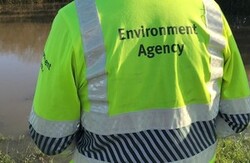 영국 환경청(Environment Agency)은 영국이 더 이상 물을 당연하게 여길 수 없다는 경고를 담은 '수자원 2024~2025: 물산업의 연간 성과 분석' 보고서를 공개했다.
세계 지도자들이 브라질에서 열린 기후 회담이 마무리 단계에 접어든 가운데, 영국 환경청은 현재 가뭄 상황에서 영국 내 물효율성 향상을 국가적 우선순위로 삼아야 한다고 강조했다.
환경청은 현재 강, 호수, 지하수는 지속 가능하지 않다고 지적했다. 또한 수도 기업, 규제 기관, 소비자를 포함한 모든 영국인이 물을 현명하게 사용하기 위해 각자의 역할을 다할 것을 촉구했다.
영국 「환경법」은 환경 보호와 식수 공급 확보를 위해 2038년 3월 말까지 1인당 상수도 사용량을 20% 감축한다는 야심 찬 목표를 설정한 바 있으며. 지금까지 감축량의 약 4분의 1이 달성되었다.
환경청 사람들이 자신의 물사용량을 파악하고 수도 요금을 절감할 수 있도록 수백만 대의 스마트 미터기를 신속하게 도입할 것을 촉구했다.
또한 올해 가뭄 기간 동안 소비자들의 물사용량을 줄이기 위해 수도 기업이 기울인 노력은 계속되어야 하며, 누수 감축을 위한 노력도 더욱 강화되어야 한다고 밝혔다.
헬렌 웨이크햄(Helen Wakeham) 환경청 수자원 국장은 "기후 변화와 인구 증가는 자원에 엄청난 부담을 주고 있으며, 올해 가뭄은 우리 모두가 물 소비에 더욱 주의를 기울여야 함을 분명히 보여준다"고 말했다.
이어 "다행히 우리는 누수 문제를 해결하고 새로운 수원을 찾을 수 있는 지식과 기술을 보유하고 있다"면서 "하지만 앞으로 몇 년이 매우 중요하다. 이 귀중한 자원을 보호하기 위해 수도 기업, 규제 기관, 정부, 그리고 사회 전체가 함께 힘을 모아야 한다"고 덧붙였다.
'수자원 2024~2025: 물산업의 연간 성과 분석' 보고서 주요 내용
- 취수량(ABSTRACTION): 수도 기업은 올해 1천463만6천㎥/일의 물을 취수했으며, 2023~2024년 취수량은 1천464만4천㎥/일, 2005년 취수량은 1천501만2천㎥/일이다.
- 물사용량(CONSUMPTION): 영국인의 1인 물사용량은 평균 136.5리터다. 이는 전년 대비 소폭 감소한 수치이지만, 수도 기업의 예상보다 여전히 많은 양이며, 환경에 불가피한 부담을 주고 있다.
- 계량기(METERS): 2024-2025년 영국 가구의 62% 이상이 사용량에 따라 요금을 납부하고 있다. 약 12%의 가구가 스마트 수도 계량기를 사용하고 있으며, 이를 통해 고객은 실시간 사용량을 파악하고 수도 회사는 시스템의 누수를 정확히 파악할 수 있다. 전국적으로 도입률에 상당한 편차가 있다.
- 누수량(LEAKAGE): 누수량은 20년 만에 최저 수준이지만 수도 기업이 고객의 수도꼭지에 도달하기 전에 손실하는 무수수량은 약 19%로 여전히 높다.
- 공급 계획(SUPPLY SCHEMES): 신규 저수지 건설과 같은 용수 공급 계획의 적시 공급은 성장 촉진 및 환경 피해 예방에 필수적이다.
환경청, 오프왓(Ofwat), 환경식품농림부(Defra) 등 규제 당국은 공동으로 수도 기업에 물안보 대해 취해야 할 조치를 담은 서한을 보내고 있다.
엠마 하디(Emma Hardy) 영국 환경농림식품부(Defra) 장관은 "영국은 물에 대한 압력이 커지고 기후가 변화함에 따라 가뭄이 더 자주 발생할 것"이라면서 "Defra는 1천40억 파운드(약 200조 원)의 민간 투자로 물산업의 장기적인 변화를 주도하고 있다. 이를 통해 9개의 새로운 저수지를 건설하고 고장난 배관을 교체하여 불필요한 누수를 줄일 수 있을 것"이라고 말했다.
이어 "물을 절약하는 것은 모든 사람에게 도움을 준다. 물과 에너지 비용을 모두 줄이는 동시에 환경에 더 많은 물을 남겨두어 향후 가뭄의 위험을 줄이는 데 도움이 된다"고 강조했다.
이 보고서는 요금 인상이 시행되는 이번 회계연도가 수도 산업에 매우 중요한 해가 될 것이라고 결론지었다.
수도 기업은 누수 감소를 위한 신규 배관 투자 외에도 2050년 이전에 9개의 신규 저수지 건설과 기타 새로운 공급 계획을 추진하기로 약속했다.
아울러 규제 당국은 수도 기업에 가뭄 대책의 강도를 유지하고 과거의 어려움을 교훈으로 삼을 것을 다시 한번 촉구했다.
이러한 가운데, 정부는 세탁기와 같은 백색 가전제품에 의무적인 물효율 라벨링 제도를 도입하는 데 진전을 보이고 있으며, 신축 건물의 물효율 기준 개선을 위한 제안 또한 협의 중이다.
[원문보기]
Water efficiency must become national priority says EA
Environment Agency urges water companies to speed up fixing of leaks
England cannot continue to take water for granted, the Environment Agency has warned in a new report examining the country’s latest water usage.
While world leaders conclude climate talks in Brazil, the regulator has said achieving greater water efficiency at home must become a national priority – particularly during the current drought.
The EA has said the current amount taken out of rivers, lakes and groundwaters is not sustainable. It has called on everyone, including water companies, regulators, and consumers to play their part to use our water wisely.
The Environment Act set an ambitious target to reduce the use of public water supply per person by 20% by the end of March 2038 to protect the environment and secure drinking supplies.
So far about a quarter of that reduction has been achieved. The EA has called for a fast rollout of millions of smart meters to help people understand their water use – and reduce their water bills.
It has also said the work done by water companies to help consumers use less water during this year’s drought must continue – as well as more work to cut leakage.
Helen Wakeham, EA Director of Water, said:
"Climate change and population growth are putting a tremendous strain on resources and this year’s drought is a stark reminder that we all need to be more mindful of our consumption."
"There is reason for optimism – we have the knowledge and technology to act on leakage and find new sources of water."
"But the next few years are critical. We need a concerted effort by water companies, regulators, the government, and society at large to work together to protect this precious resource."
The warnings come as part of the EA’s annual review of Water Resource Management Plans – analysing documents produced annually by each water company as part of their obligation to secure water supplies for the future.
The review looked at various metrics - such as demand, leakage, and metering - across the 24/25 financial year, which is immediately before the current drought took hold.
The key findings:
- CONSUMPTION: Average daily water use per person is 136.5 litres. This is a slight decrease from the previous year but is still more than water companies would have expected and puts avoidable pressure on the environment.
- METERS: In 2024–2025, over 62% of households in England are billed based on how much water they use. In total around 12% of homes have smart water meters, which allow customers to understand their real time usage and helps water companies to pinpoint leaks in the system. There are substantial differences in rollout rates across the country.
- LEAKAGE: Leakage levels are at their lowest for 20 years. However, the amount lost by water companies before reaching customers’ taps is still too high at around 19%. The industry has committed to reducing leakage by half by 2050, compared to 2017/18 levels.
- SUPPLY SCHEMES: Timely delivery of water supply schemes, such as new reservoirs, is essential for delivering growth and preventing environmental harm.
- ABSTRACTION: Water companies abstracted slightly less water than the previous year – 14,636 mega litres per day (million litres per day) from the environment compared to 14,664 mega litres per day in 2023-24. This is less than companies abstracted 20 years ago in 2005 at 15,012 mega litres per day.
Detailed letters are being sent to water companies jointly from the EA, Ofwat and Defra setting out the actions they need to take next on water security.
Water Minister Emma Hardy said:
"We face growing pressures on our water and, with a changing climate, we will see more frequent droughts."
"We are driving long-term change in the water industry, with £104billion of private investment. This will help the building of nine new reservoirs and replace broken pipes to reduce unnecessary leakages."
"Saving water benefits everyone. It reduces both water and energy bills whilst leaving more water in the environment to help reduce the risk of future drought."
The report concludes that this current financial year will be critical for the sector, with bill rises coming into effect.
As well as investing in new pipes to cut leakage, the industry has committed to building nine new reservoirs before 2050, alongside other new supply schemes.
The weekend saw heavy rainfall and flooding as Storm Claudia battered many parts of the country. But many areas are still in drought following record-low rainfall this year, with the EA warning of potentially worsening conditions next year.
The regulator has again called on water companies to maintain the intensity of their drought planning and learn from past challenges.
In the meantime, the government is making progress on introducing mandatory water efficiency labelling in white goods, such as washing machines. Proposals to improve the water efficiency standards in new buildings are also out for consultation.
[출처 = 영국 정부(UK GOV)(Water efficiency must become national priority says EA - GOV.UK) / 11월 18일]
|  즐겨찾기 추가
 시작페이지로 설정
























