[해외연구보고서] UNEP, "새로운 기후 공약, 지구온난화 예측 소폭 낮추는 데 그쳐"
새 감축 공약에도 지구 온도 상승 2.3~2.5℃ 전망
1.5℃ 초과 불가피, 온난화 되돌리기 어려워
주요국 목표 이행 지연, 국제 정세도 변수
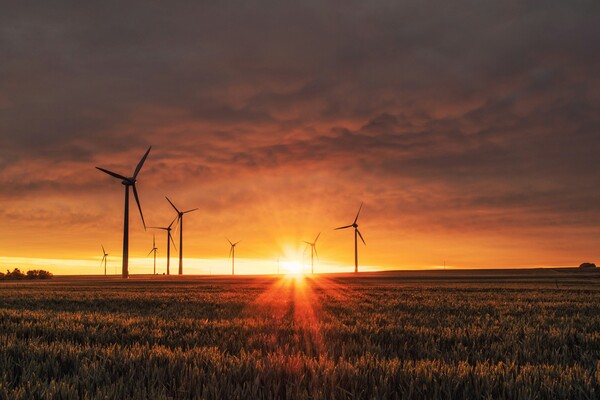
유엔환경계획(UNEP)은 파리협정(Paris Agreement)에 따른 각국의 새로운 기후 공약을 평가한 결과, 이번 세기 지구 평균 기온 상승폭이 소폭 낮아졌을 뿐 여전히 심각한 기후 위험과 피해가 우려된다고 밝혔다. [사진제공(Photo Source) = Unsplash Karsten Würth]
유엔환경계획(UNEP)은 파리협정(Paris Agreement)에 따른 각국의 새로운 기후 공약을 평가한 결과, 이번 세기 지구 평균 기온 상승폭이 소폭 낮아졌을 뿐 여전히 심각한 기후 위험과 피해가 우려된다고 밝혔다.
유엔환경계획의 '배출 격차 보고서 2025 : 목표 미달(Emissions Gap Report 2025: Off Target)'에 따르면, 각국이 제출한 국가결정기여(NDC)를 전면 이행할 경우 금세기 온도 상승폭은 2.3~2.5°C로 전망된다. 이는 지난해 보고서의 2.6~2.8°C에서 다소 낮아진 수치다. 반면, 현행 정책만 유지될 경우 온도 상승은 2.8°C에 이를 것으로 예측됐다(전년 3.1°C).
다만 이번 개선폭 중 0.1°C는 방법론 업데이트에 따른 결과이며, 미국의 파리협정 탈퇴 예정으로 또다시 0.1°C가 상쇄될 전망이다. UNEP은 “결국 새로운 NDC 자체는 거의 변화를 이끌어내지 못했다”고 지적했다. 각국은 여전히 ‘2°C 이하, 가능하면 1.5°C 이하’로 온도 상승을 억제한다는 파리협정 목표에서 멀리 떨어져 있다.
보고서는 “지구 평균기온의 수십 년 평균치가 1.5°C를 일시적으로 초과할 것”이라며, “이를 되돌리기 위해서는 온실가스 배출 감축 속도를 크게 높여 초과폭을 최소화하고, 생명과 경제 피해를 줄이며, 불확실한 탄소제거기술에 과도하게 의존하지 않아야 한다”고 밝혔다.
안토니우 구테흐스(António Guterres) 유엔 사무총장은 보고서 메시지에서 “과학자들은 2030년대 초반, 늦어도 그 무렵에는 1.5°C 초과가 불가피하다고 말한다”며 “하지만 이는 포기 이유가 아니라 행동 이유다. 세기 말까지 1.5°C 목표는 여전히 우리의 기준점이며, 의미 있는 수준으로 목표를 강화한다면 도달 가능하다”고 강조했다.
잉거 안데르센(Inger Andersen) UNEP 사무총장은 “각국은 파리협정 이행 약속을 세 차례나 갱신했지만 매번 목표를 빗나갔다”며 “국가별 기후계획(NDC)이 일정 부분 진전을 보였으나 속도가 너무 느리다. 전례 없는 규모의 감축이 매우 짧은 시간 안에, 더욱 복잡한 지정학적 환경 속에서 이뤄져야 한다”고 말했다.
그는 “아직 가능성은 남아 있다”며 “값싼 재생에너지 확대, 메탄 배출 감축 등 이미 검증된 해법이 존재한다. 지금이야말로 각국이 전면적으로 투자하고, 기후행동을 통해 경제성장·보건 향상·고용·에너지 안보·복원력을 함께 강화할 때”라고 덧붙였다.
목표미달
보고서에 따르면 2025년 9월 30일 기준, 전체 온실가스 배출의 63%를 차지하는 60개 당사국만이 2035년 감축 목표가 포함된 새로운 NDC를 제출하거나 발표했다. 서약 진전이 부족할 뿐 아니라, 대부분의 국가는 기존 2030년 목표조차 달성 궤도에 오르지 못한 상태다.
파리협정 목표에 부합하려면 기존 서약을 넘어서는 전례 없는 감축이 필요하다. 그러나 2024년 전 세계 온실가스 배출량은 전년 대비 2.3% 증가해 577억 톤(CO₂ 환산 기준)에 달했다. 2030년까지 배출량을 2019년 대비 2°C 경로에서는 25%, 1.5°C 경로에서는 40% 줄여야 하지만, 달성까지 남은 시간은 불과 5년이다.
모든 NDC를 완전 이행하더라도 2035년 전 세계 배출량은 2019년 대비 약 15% 감소에 그칠 전망이다. 미국 탈퇴를 감안하면 실제 감축 폭은 더 줄어든다. 이는 각각 35%, 55% 감축이 필요한 2°C·1.5°C 경로에 한참 못 미치는 수준이다.
1.5°C 목표 유지의 중요성
감축 규모가 크고 남은 시간이 짧은 만큼, 지구 평균온도는 향후 10년 안에 1.5°C를 초과할 가능성이 매우 높다. 단기적으로 급격한 감축을 단행하면 초과 시점을 늦출 수는 있지만 완전히 피하긴 어렵다. 따라서 그 폭과 기간을 최소화하는 것이 관건이다. 빠른 감축을 통해 2100년까지 1.5°C 수준으로 되돌리는 것이 목표다.
기온 상승의 소수점 단위 차이도 인명, 경제, 보건 피해를 줄이는 데 결정적이며, 특히 가장 취약한 국가일수록 피해가 크다. 또한 초과폭을 최소화하면 불확실하고 고비용인 탄소제거기술 의존도를 낮출 수 있다. 보고서는 “초과 0.1°C를 되돌리려면 현재 전 세계 연간 CO₂ 배출량의 약 5년치에 해당하는 양을 영구적으로 제거·저장해야 한다”고 밝혔다.
UNEP은 ‘2025년부터 신속한 완화 행동(rapid mitigation action from 2025)’ 시나리오를 제시했다. 이 경우 초과폭을 약 0.3°C로 제한할 확률이 66%이며, 2100년까지 1.5°C로 복귀할 수 있다. 이를 위해서는 2030년까지 배출량을 26%, 2035년까지 46% 감축해야 한다(2019년 대비).
행동 도구는 충분하지만 정치 환경은 난관
파리협정 채택 10년이 지난 현재, 예상 온도 상승폭은 3~3.5°C에서 2.3~2.5°C로 낮아졌다. 대규모 감축을 위한 저탄소 기술은 이미 존재하며, 풍력과 태양광 에너지의 급성장은 보급 비용을 낮췄다. 국제사회가 의지만 있다면 행동을 가속할 여력은 충분하다.
하지만 더 빠른 감축을 위해서는 복잡해진 국제 정세 속에서 개발도상국 지원을 대폭 늘리고, 국제 금융구조를 근본적으로 재설계해야 한다.
G20의 역할은 결정적이다. 아프리카연합(AU)을 제외한 G20 회원국이 전 세계 배출량의 77%를 차지한다. 현재 7개국이 2035년 목표를 담은 새로운 NDC를 제출했고, 3개국이 발표만 한 상태다. 그러나 이들 공약은 여전히 충분히 야심차지 않으며, G20 전체가 2030년 목표조차 달성 궤도에 있지 않다. 2024년 G20 배출량은 오히려 0.7% 증가했다. UNEP은 “최대 배출국들의 과감한 행동 강화가 절실하다”고 경고했다.
[원문보기]
New climate pledges only slightly lower dangerous global warming projections
- Under a third of Parties to Paris Agreement submitted new NDCs by 30 September 2025
- Global temperatures now predicted to reach 2.3-2.5°C, down from 2.6-2.8°C last year
- Lack of ambition and action means exceedance of 1.5°C is approaching
Nairobi, 4 November 2025 – A UN Environment Programme (UNEP) assessment of available new climate pledges under the Paris Agreement finds that the predicted global temperature rise over the course of this century has only slightly fallen, leaving the world heading for a serious escalation of climate risks and damages.
UNEP’s Emissions Gap Report 2025: Off Target finds that global warming projections over this century, based on full implementation of Nationally Determined Contributions (NDCs), are now 2.3-2.5°C, compared to 2.6-2.8°C in last year’s report. Implementing only current policies would lead to up to 2.8°C of warming, compared to 3.1°C last year.
However, methodological updates account for 0.1°C of the improvement, and the upcoming withdrawal of the US from the Paris Agreement will cancel another 0.1°C, meaning that the new NDCs themselves have barely moved the needle. Nations remain far from meeting the Paris Agreement goal to limit warming to well-below 2°C, while pursuing efforts to stay below 1.5°C.
The report finds that the multi-decadal average of global temperature rise will exceed 1.5°C, at least temporarily. This will be difficult to reverse – requiring faster and bigger additional reductions in greenhouse gas emissions to minimize overshoot, reduce damages to lives and economies, and avoid over-reliance on uncertain carbon dioxide removal methods.
"Scientists tell us that a temporary overshoot above 1.5 degrees is now inevitable – starting, at the latest, in the early 2030s. And the path to a livable future gets steeper by the day,” said UN Secretary-General António Guterres in his message on the report. "But this is no reason to surrender. It’s a reason to step up and speed up. 1.5 degrees by the end of the century remains our North Star. And the science is clear: this goal is still within reach. But only if we meaningfully increase our ambition."
“Nations have had three attempts to deliver promises made under the Paris Agreement, and each time they have landed off target,” said Inger Andersen, Executive Director of UNEP. “While national climate plans have delivered some progress, it is nowhere near fast enough, which is why we still need unprecedented emissions cuts in an increasingly tight window, with an increasingly challenging geopolitical backdrop.”
“But it is still possible – just. Proven solutions already exist. From the rapid growth in cheap renewable energy to tackling methane emissions, we know what needs to be done. Now is the time for countries to go all in and invest in their future with ambitious climate action – action that delivers faster economic growth, better human health, more jobs, energy security and resilience.”
Off target
The report finds that only 60 Parties to the Paris Agreement, covering 63 per cent of greenhouse gas emissions, had submitted or announced new NDCs containing mitigation targets for 2035 by 30 September 2025. In addition to the lack of progress in pledges, a huge implementation gap remains, with countries not on track to meet their 2030 NDCs, let alone new 2035 targets.
Aligning with the Paris Agreement requires rapid and unprecedented cuts to greenhouse gas emissions above the pledges – a task made harder by emissions growing 2.3 per cent year-on-year to 57.7 gigatons of CO2 equivalent in 2024. Emissions in 2030 would have to fall 25 per cent from 2019 levels for 2°C pathways, and 40 per cent for 1.5°C pathways – with only five years left to achieve this goal.
Full implementation of all NDCs would reduce expected global emissions in 2035 by about 15 per cent compared with 2019 levels – although the US withdrawal will change these figures. These reductions are far below the 35 per cent and 55 per cent needed in 2035 to align with 2°C and 1.5°C pathways, respectively.
Pursuing 1.5°C remains critical
The size of the cuts required, and the short time left to deliver them, means that the multi-decadal average of global temperature will now exceed 1.5°C, very likely within the next decade. Stringent near-term cuts to emissions could delay the onset of overshoot, but not avoid it entirely. The big task ahead is to strive to make this overshoot temporary and minimal, through rapid emissions cuts that keep returning to 1.5°C by 2100 in the realms of possibility.
Every fraction of a degree avoided reduces an escalation of the damages, losses and health impacts that are harming all nations – while hitting the poorest and most vulnerable the hardest – and reduces the risks of climate tipping points and other irreversible impacts. Minimizing overshoot would also reduce reliance on uncertain, risky and costly carbon dioxide removal methods – which would need to permanently remove and store about five years of current global annual CO2 emissions to reverse each 0.1°C of overshoot
The report looks at a "rapid mitigation action from 2025” scenario, which is designed to limit overshoot to about 0.3°C, with a 66 per cent chance, and return to 1.5°C by 2100. Under this scenario, 2030 emissions would have to fall by 26 per cent and 2035 emissions by 46 per cent compared with 2019 levels.
Tools there for faster action, but political climate challenging
Since the adoption of the Paris Agreement ten years ago, temperature predictions have fallen from 3-3.5°C. The required low-carbon technologies to deliver big emission cuts are available. Wind and solar energy development is booming, lowering deployment costs. This means the international community can accelerate climate action, should they choose to do so. However, delivering faster cuts would require navigating a challenging geopolitical environment, a massive increase in support to developing countries, and redesigning the international financial architecture.
G20 action and leadership will be pivotal as G20 members – excluding the African Union – account for 77 per cent of global emissions. Seven G20 members have submitted new NDCs with targets for 2035, while three members have announced such targets. However, these pledges are not ambitious enough, G20 members are collectively not on track to achieve even their 2030 NDC targets, and G20 emissions rose by 0.7 per cent in 2024 – all pointing to the need for a massive ramp up in action by the biggest emitters.
[출처 = 유엔환경계획(UNEP)(https://www.unep.org/news-and-stories/press-release/new-climate-pledges-only-slightly-lower-dangerous-global-warming) / 2025년 11월 4일]
|  즐겨찾기 추가
 시작페이지로 설정
























