[세계은행] 전 세계 담수 손실, 매년 2억8천만 명분 규모
부실한 토지·수자원 관리가 담수 손실 가속…“스마트 정책·투자로 반전 가능”
세계은행, ‘글로벌 물 모니터링 보고서(Global Water Monitoring Report)’ 11월 4일 발표
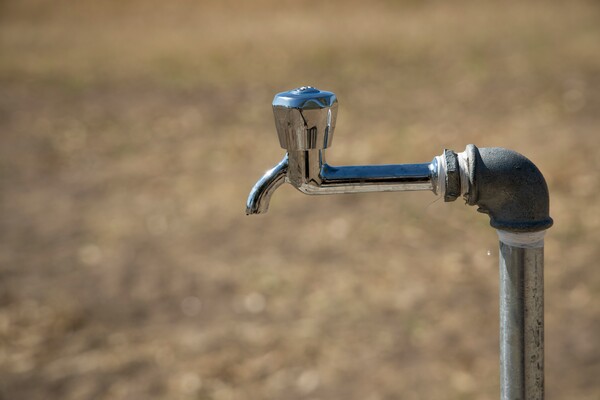
세계은행(World Bank)이 11월 4일 발표한 ‘글로벌 물 모니터링 보고서(Global Water Monitoring Report)’에 따르면, 전 세계는 매년 3천240억㎥의 담수를 잃고 있는 것으로 나타났다. [사진제공(Photo Source) = Unsplash(언스플래시) engin akyurt]
세계은행(World Bank)이 11월 4일 발표한 ‘글로벌 물 모니터링 보고서(Global Water Monitoring Report)’에 따르면, 전 세계는 매년 3천240억㎥의 담수를 잃고 있는 것으로 나타났다. 이는 2억8천만 명의 연간 물 사용량에 해당한다. 보고서는 악화되는 가뭄과 비지속적인 토지·수자원 관리가 이러한 손실을 가속화하고 있다고 지적했다.
‘대륙의 건조 : 우리의 공동 미래에 대한 위협(Continental Drying: A Threat to Our Common Future)’이라는 제목의 이번 보고서는 위성 자료와 모델링 기법을 활용해 전 세계 담수 감소 현황을 정밀하게 분석했다. 세계은행은 이를 통해 “물 관리 정책과 투자를 혁신하면 추세를 되돌릴 수 있다”고 강조했다.
악셀 반 트로첸버그(Axel van Trotsenburg) 세계은행 선임 전무이사는 “대륙의 건조화 추세는 심각하지만, 분석 결과는 해결책 또한 제시한다”며 “물은 가장 귀중한 자원이며, 이를 현명하게 관리하는 것이 스마트 개발의 핵심이자 살기 좋은 지구를 만드는 길”이라고 말했다.
보고서는 20년간의 위성 데이터를 기반으로 국가 및 지방 수준에서의 물 손실 현황을 분석하고, 수자원 가용성과 농업용수 수요 데이터를 결합해 취약 지역(hot spots)과 정책 개입이 필요한 우선 지역을 도출했다.
2000년 이후 전 세계 물 사용량은 25% 증가했으며, 그중 3분의 1은 이미 건조화가 진행 중인 지역에서 발생했다. 특히 중미, 동유럽, 북인도 등은 기존의 담수 부족 지역으로, 브라질 남동부처럼 원래 물이 풍부했던 지역에서도 물 스트레스가 새롭게 나타나고 있다.
사하라 이남 아프리카에서는 가뭄으로 인해 매년 60만~90만 명이 일자리를 잃는 것으로 나타났으며, 피해는 여성, 노년층, 무토지 농민, 저숙련 노동자에게 집중되고 있다.
또한 보고서는 지난 20년간 전 세계적으로 물 집약적 작물 재배가 늘어났으며, 건조 국가 중 37개국이 더 많은 물을 필요로 하는 농업으로 전환했다고 분석했다.
이 가운데 22개국은 건조 및 반건조 지역에 위치해 있으며, 비효율적인 관개의 3분의 2 이상이 쌀·밀·목화·옥수수·사탕수수 등 수자원 소모가 큰 작물과 관련된 것으로 나타났다.
보고서는 이러한 경향이 이미 물 부족을 겪는 지역의 수요를 더욱 악화시키고 있다고 지적하며, 물 지속가능성과 조화되는 작물 선택과 인센티브 정책의 필요성을 강조했다.
또한 ‘가상수 무역(Virtual Water Trade)’을 통해 물 집약적 상품을 수입함으로써 전 세계 물 사용량을 줄일 수 있다고 제시했다. 실제로 2010년 이후 가상수 무역으로 연간 약 4천750억㎥의 물이 절약돼 전체 소비의 10%를 줄인 것으로 추산됐다. 그러나 많은 물 부족 국가가 여전히 물 집약적 상품을 수출하고 있어, 무역 정책을 수자원 지속가능성 목표에 맞게 조정해야 한다고 경고했다.
보고서의 주 저자인 판 장(Fan Zhang)은 “대륙의 건조화는 불가피한 현상이 아니다”며 “수요 관리, 공급 확대, 공정한 물 배분을 통해 각국은 수자원 시스템을 안정화하고 미래를 지킬 수 있다”고 말했다. 그는 “데이터가 이미 해결책의 존재를 보여준다. 지금 필요한 것은 조정, 투자, 그리고 실행 의지”라고 강조했다.
세계은행은 이번 보고서에서 △기술·규제·인식 제고를 통한 물 수요 효율화 △재이용·해수담수화·저장시설 개선을 통한 대체 수자원 공급 확대 △산업·지역 간 공정한 물 배분 보장 등 세 가지 전략을 제안했다.
[원문보기]
World Annual Fresh Water Losses Could Supply 280 Million People
New report links poor land and water management to accelerating freshwater loss.
WASHINGTON, Nov. 4, 2025— The world is losing 324 billion cubic meters of freshwater every year, enough to meet the needs of 280 million people annually, according to the first edition of the Global Water Monitoring Report released today by the World Bank.
These losses are driven by worsening droughts and unsustainable land and water practices, including poor pricing policies, weak coordination, deforestation, wetland degradation, and excessive irrigation.
The report, Continental Drying: A Threat to Our Common Future, provides the most detailed picture yet of global freshwater decline, and offers a roadmap for reversing the trend through smarter policy and investment.
“The trend of continental drying is sobering, but the analysis also points to solutions,” said Axel van Trotsenburg, Senior Managing Director, World Bank. “With the right policies and investments, countries can turn the tide by managing water as the precious resource it is. This is smart development — and essential for building a livable planet.”
Drawing on two decades of satellite data enhanced through new modeling techniques, the report provides an unprecedented view of how land and water management decisions are shaping water availability. For the first time, leaders can see where water loss is happening— at national and county levels—and therefore identify where action is most urgently needed.
By combining water availability and agricultural water demand data, the report identifies vulnerability hot spots and priority regions for policy interventions. Global water use has risen 25% since 2000, with a third of that increase in areas already drying out. This includes areas already facing freshwater scarcity such as Central America, a large swath of Eastern Europe, and northern India. However, water stress is also emerging in historically water-abundant regions undergoing rapid agricultural, industrial, and urban growth, such as southeastern Brazil.
The strain on jobs, incomes, and ecosystems is most acute in vulnerable regions. In Sub-Saharan Africa, droughts leave 600,000 to 900,000 people without jobs each year, disproportionately affecting women, older individuals, landless farmers, and low-skilled workers.
The past two decades have seen a global shift toward the cultivation of more water-intensive crops. Among drying countries, 37 have transitioned to more water-intensive agriculture, including 22 located in arid and semi-arid regions. This structural shift, coupled with inefficiency, further intensifies water demand in already water-stressed countries.
More than two-thirds of the inefficient irrigation in drying areas is linked to the cultivation of water-intensive crops, such as rice, wheat, cotton, maize, or sugar cane. This underscores the need for smarter crop choices and incentives that align agricultural practices with water sustainability.
Virtual water trade, which can provide a way for water-scarce countries to import water intensive goods like crops and industrial products, can help reduce global water use. Since 2010, virtual water trade has saved 475 billion cubic meters of water each year or almost 10% of total global water consumption.
However, the report finds that many water-scarce countries are exporting products that are water intensive, highlighting the need to align trade policies with water sustainability goals.
“Continental drying is not inevitable,” said Fan Zhang, lead author of the Global Water Monitoring Report. “By managing demand, expanding supply, and allocating water more fairly and efficiently, countries can stabilize water systems and secure their future. The data show that solutions exist; what’s needed now is coordination, investment, and resolve.”
The report calls for a three-part strategy to address the crisis:
Manage water demand more efficiently through technologies, regulations, and public awareness
Expand alternative water supply via recycling, desalination, and improved storage
Ensure fair and effective water allocation across sectors and regions.
[출처 = 세계은행(World Bank)(https://www.worldbank.org/en/news/press-release/2025/11/04/world-annual-fresh-water-losses-could-supply-280-million-people) / 2025년 11월 4일]
|  즐겨찾기 추가
 시작페이지로 설정
























