[북아메리카] [2025] [해외연구보고서] 마이애미공대-마이애미비치시, UV기술 활용 빗물 속 박테리아 줄이고 도시 수질개선 위한 공동연구 진행
이름
관리자
작성일
2025-11-05
조회수
1172
파일첨부
[해외연구보고서] 마이애미공대-마이애미비치시, UV기술 활용 빗물 속 박테리아 줄이고 도시 수질개선 위한 공동연구 진행
도로 표면의 살균 효과 평가하는 데 자외선 활용…수질오염에 새로운 빛을 비추다
향상된 도로 청소 방식이 빗물 유출수에 포함된 박테리아를 줄여 도시 운하로 흘러들어가기 전에 차단할 수 있는지 2022년부터 본격적인 연구
마이애미공대-마이애미비치시, 공동연구 통해 UV 기술이 지역 수질개선에 어떤 방식으로 기여할 수 있는지 도시 수질 회복 프로젝트 진행
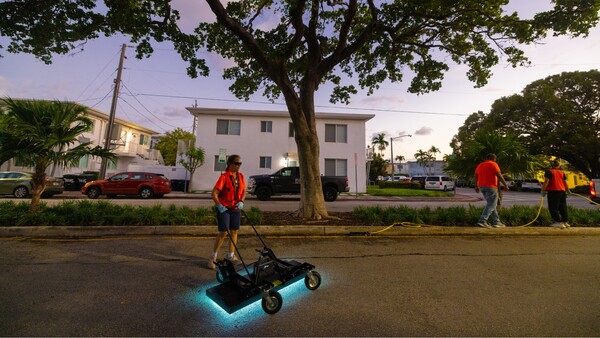
마이애미대학교 공과대학(University of Miami College of Engineering)과 마이애미비치시(City of Miami Beach)가 자외선(UV) 기술을 활용해 빗물 속 박테리아를 줄이고 도시 수질을 개선하기 위한 공동연구를 진행하고 있다. [사진제공(Photo Source) = 미국 마이애미대학교 (University of Miami)]
마이애미비치에 해가 떠오르기 전, 헬레나 솔로-가브리엘레(Helena Solo-Gabriele) 마이애미대 환경공학과 교수와 공과대학 학생들은 이미 현장에서 작업을 시작했다. 새벽녘, 73번가와 디킨스애비뉴(Dickens Avenue) 인근의 조용한 주택가에는 자외선 장비에서 나오는 밝은 푸른 빛줄기가 거리를 밝히고 있었다.
이번 실험은 솔로-가브리엘레 교수와 마이애미비치시가 수년간 이어온 연구 협력의 일환으로, 향상된 도로 청소 방식이 빗물 유출수에 포함된 박테리아를 줄여 도시 운하로 흘러들기 전에 차단할 수 있는지를 시험하고 있다.
2019년 4월 이후 파크뷰 운하(Park View Canal)에서는 높은 수준의 박테리아 농도가 지속적으로 기록됐다. 이러한 수치는 마이애미데이드 카운티(Miami-Dade County)의 다른 도시 운하들과 비슷한 수준이다. 마이애미대는 오염원의 원인을 규명하려는 이전의 노력에도 불구하고, 높은 수치가 지속되자 2022년에 본격적인 연구를 시작했다.
그해 솔로-가브리엘레 교수 연구팀은 운하 내 여러 지점에서 다양한 시간대에 걸쳐 물샘플을 채취했다. 조사 결과, 오염은 주로 도로와 보도에서 비롯된 것으로 드러났다. 오염이 지속되면서 한때 주민들이 카약과 패들보드를 즐기던 이곳에는 '접촉 금지 권고'가 내려졌다.
이번 연구는 도시 운하와 수로가 지닌 구조적 한계도 드러낸다. 이들 수로는 본래 시민의 여가나 관광을 위해 조성된 것이 아니라, 홍수를 방지하기 위한 배수시설로 설계됐다.
반면 인근 해변의 수질은 상대적으로 양호한 편인데, 이는 플로리다 보건부(Florida Department of Health)가 매주 정기적으로 수질을 검사하고 인명구조요원이 상시로 수질 상태를 점검하기 때문이다.
솔로-가브리엘레 교수는 "해변에서 허용되는 박테리아 기준치는 100㎖당 70마리지만, 때때로 2만4천 마리 이상을 측정했다"고 전했다. 이어 "우리가 측정한 박테리아는 장구균으로, 분변 오염의 지표 역할을 한다. 또한 미생물원 추적 지표(microbial source tracking markers)를 이용하면 이 박테리아가 개나 새 등 어떤 동물에서 비롯된 것인지까지 파악할 수 있다"고 설명했다.
가장 최근 실험에서는 세 가지 방식의 도로 청소 효과를 비교했다. 첫째는 아무 청소도 하지 않은 구간, 둘째는 일반 청소 차량으로 쓸어낸 구간, 셋째는 자외선 살균을 병행한 구간이다.
연구팀은 야외용으로 개조된 이동식 자외선 살균 장비(a mobile Sterilaser UV-C machine)를 이용해 각 구간의 도로와 보도를 청소했다. 이후 해당 구간에 인공 빗물을 내려 빗물이 흘러가는 상황을 재현하고, 그 유출수에 포함된 박테리아 양을 측정했다.
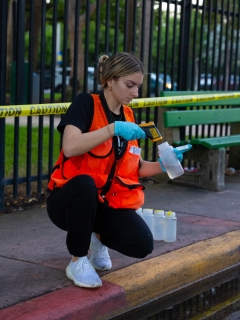
현장에서 수집한 데이터는 마이애미대 공과대학으로 가져가 분석했다. 매켄지 하월(Mackenzie Howell) 토목공학 전공 대학원생이 채취한 물샘플을 정밀하게 처리하고 세부 검사를 진행했다.
현장에서 수집한 데이터는 마이애미대학교 공과대학(University of Miami College of Engineering)으로 가져가 분석한다. [사진제공(Photo Source) = 미국 마이애미대학교 (University of Miami)]
월 대학원생은 "데이터가 실제 환경 변화와 어떤 관련이 있는지, 또 연구 결과가 빗물의 수질 개선에 어떻게 활용될 수 있는지 지켜보는 게 흥미롭다"고 말했다.
이어 그는 "이번 프로젝트를 통해 기술적인 역량은 물론 문제 해결 능력도 키울 수 있었고, 연구가 실제 해답으로 이어질 수 있다는 사실도 직접 확인했다"고 덧붙였다.
마이애미비치시는 이번 데이터를 활용해 파크뷰 운하의 수질을 인체 접촉이 가능한 안전 기준으로 회복하는 것을 목표로 하고 있다. 주요 기반 시설이 개선됐음에도 박테리아 수치는 여전히 해수욕 위생 기준을 초과하고 있다. 이 운하는 약 81에이커(약 32만8천㎡) 규모의 도심 지역에서 흘러든 빗물을 모은다.
마이애미비치의 장벽섬(barrier island) 안쪽에 자리해 있어 물이 자연스럽게 순환하기 어렵다. 물살이 거의 없는 탓에 오염물질과 박테리아가 빠져나가지 못하고, 시간이 지나면서 축적된다.
시는 솔로-가브리엘레 교수 연구팀의 연구 결과가 실질적인 개선 방향을 제시해 줄 것으로 기대한다. 더 나아가 반려동물 배설물 처리에 대한 주민 인식이 높아지면, 도로 청소 주기와 살균을 적용할 지역을 결정하는 데 도움이 되기를 바라고 있다.
에이미 놀스(Amy Knowles) 마이애미비치시 회복력책임관(chief resilience officer)은 "우리는 헬레나 솔로-가브리엘레 교수와 학생 연구팀과의 협력을 매우 중요하게 생각"하며 "이들은 도시의 수질 개선을 위해 힘을 보태는 과정에서 혁신적 분석과 새로운 아이디어를 제공해 왔으며, 이들의 전문성은 지역사회에서 높이 평가받고 있다"고 덧붙였다.
이번 프로젝트는 미국 남부 플로리다(South Florida) 지역에서 공학 연구와 지역사회의 협력을 통해 실제 문제 해결을 추진하려는 움직임이 확산되고 있음을 보여준다.
솔로-가브리엘레 교수는 "도로 표면의 살균 효과를 평가하는 데 자외선을 활용한 것은 이번이 처음"이라면서 "이번 결과는 지역사회는 물론 수로 내 박테리아 농도가 높은 다른 지역에서도 수질을 개선하는 데 활용할 수 있는 새로운 기술의 가능성을 열었다"고 밝혔다.
[원문보기]
Shining a new light on water pollution
A collaborative study between the University of Miami College of Engineering and City of Miami Beach explores how ultraviolet light could help make local waters cleaner.
Before the sun rose over Miami Beach, Helena Solo-Gabriele and a group of University of Miami College of Engineering students were already at work. In the predawn hours, a different kind of light filled the street as the bright blue beam of a UV machine moved through a quiet neighborhood near 73rd Street and Dickens Avenue.
The experiment, part of a yearslong research collaboration between Solo-Gabriele, a professor of environmental engineering, and the City of Miami Beach, is testing whether enhanced street cleaning can help reduce bacteria in stormwater runoff before it flows into the city’s canals.
Elevated bacteria levels have been documented in the Park View Canal since April 2019. The levels are not unlike other urban canals through Miami-Dade County. The University of Miami’s initiative began in 2022, after high readings persisted despite earlier efforts to identify the source.
That year, Solo-Gabriele’s research team collected water samples from multiple locations and at different times within the canal. Their findings showed that the pollution was coming primarily from the streets and sidewalks. The continued contamination has kept residents under a no-contact advisory for the canal, where they once kayaked and paddleboarded.
The study also highlights the challenges facing urban canals and waterways, which were built for flood control rather than recreation. In contrast, water quality at nearby beaches is typically higher, with regular weekly testing by the Florida Department of Health and the presence of lifeguards to monitor conditions.
“The acceptable level for beaches is 70 bacteria per 100 milliliters, but we’ve measured levels at times above 24,000,” Solo-Gabriele said. “The bacteria we’re measuring, called enterococci, are fecal indicators, and we can also use microbial source tracking markers to determine whether the bacteria are coming from dogs or birds.”
The most recent experiment compared three street-cleaning strategies: no cleaning, standard sweeping, and sweeping combined with UV light disinfection. Using a mobile Sterilaser UV-C machine retrofitted for outdoor use, the team disinfected each section of street and sidewalk. They then simulated rainfall over those areas to test the runoff for bacteria.
The data collected in the field is analyzed back at the College of Engineering, where civil engineering graduate student Mackenzie Howell processes the water samples.
“It’s been interesting to see how the data connects to real environmental impacts and how our results could be used to improve stormwater quality,” Howell said. “This project has definitely helped me build both technical and problem-solving skills while showing how research can lead to real solutions.”
The city’s goal is to use the data to help Park View Canal reach safe levels for public contact. Despite major infrastructure improvements, bacteria levels remain above recreational standards for beach bathing.
The canal receives stormwater runoff from an 81-acre urban area and, because it is tucked within Miami Beach’s barrier island, has little natural water circulation. The slow-moving water traps pollutants and bacteria, allowing them to build up over time.
The city hopes that findings from Solo-Gabriele’s team, along with greater community awareness about proper pet waste cleanup, will help guide how often to sweep streets and whether to deploy UV disinfection in certain hot spots.
“We value our partnership with Dr. Solo-Gabriele and her team of students,” said Amy Knowles, chief resilience officer for the City of Miami Beach. “They have provided a level of innovation and analysis that our community really appreciates as we work to improve water quality, which is a common challenge in urban areas.”
The project reflects a growing effort to combine engineering research with community action to provide real-world solutions in the South Florida region.
“This is the first time that UV light is used to evaluate the disinfection of street surfaces,” said Solo-Gabriele. “Results open the door for a new technology that can be used to improve water quality within our local communities and in other communities that suffer from excessive bacterial levels within their waterways.”
 즐겨찾기 추가
 시작페이지로 설정