[필리핀] GCF, ADB 빙하 융해 적응 프로그램에 2억5천만달러 지원
중앙아시아·남코카서스·파키스탄 등 빙하 의존 지역에 물 및 농업 시스템 구축
ADB, 향후 10년간 32억5천만달러 추가 투자…관개·저수·유역 관리 강화
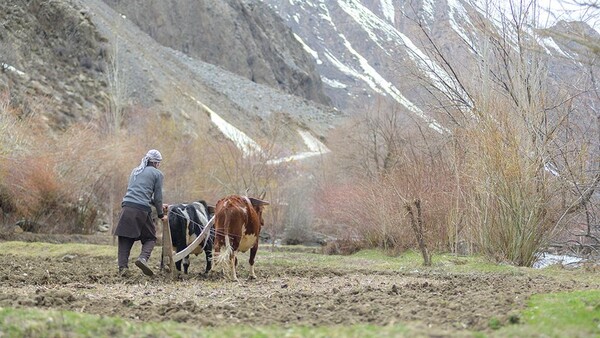
녹색기후기금(GCF)은 아시아개발은행(ADB)이 주도하는 대표적 기후 적응 프로그램인 '글래이셔스 투 팜스(Glaciers to Farms)'에 2억5천만 달러(약 3천556억5만 원)를 승인했다고 발혔다. 이 프로그램은 중앙아시아, 남코카서스, 파키스탄의 빙하 의존 지역에서 취약 계층을 위한 회복력 있는 물 및 농업 시스템을 구축하는 것을 목표로 한다. [사진제공 = ADB]
녹색기후기금(GCF)은 아시아개발은행(ADB)이 주도하는 대표적 적응 프로그램인 '글래이셔스 투 팜스(Glaciers to Farms)'에 2억5천만 달러(약 3천556억5만 원)를 승인했다고 발혔다. 이 프로그램은 중앙아시아, 남코카서스, 파키스탄의 빙하 의존 지역에서 취약 계층을 위한 회복력 있는 물 및 농업 시스템을 구축하는 것을 목표로 한다.
GCF의 자금은 대부분 보조금 형태로 제공되며, 향후 10년간 ADB가 32억5천만 달러(약 4조6천277억 원)를 추가로 투자해 참여국들이 선정한 프로젝트에 함께 투입될 예정이다. 효율적인 관개, 저수, 유역 관리에 대한 투자를 통해 가속화되는 빙하 융해로 가뭄과 홍수 발생 빈도가 높아지더라도 농업 생산성을 개선하는 데 기여할 것으로 기대된다.
야스민 시디키(Yasmin Siddiqi) ADB 농업·식량·자연·농촌개발국 국장은 "급격한 빙하 후퇴는 우리 지역이 직면한 가장 복잡한 개발 과제 중 하나"라며 "지역사회의 적응을 위해서는 실용적이고 확장 가능하며 과학에 기반한 솔루션이 필요하다. GCF의 촉매적 지원을 통해 '글래이셔스 투 팜스' 프로그램은 단편적 프로젝트를 넘어 현재와 미래 세대의 생명과 생계를 보호하는 체계적이고 장기적인 회복력을 갖추는 데 기여할 것"이라고 말했다.
'글래이셔스 투 팜스'는 아르메니아, 아제르바이잔, 조지아, 카자흐스탄, 키르기스스탄, 파키스탄, 타지키스탄, 투르크메니스탄, 우즈베키스탄 등 ADB 개발도상 회원국 9개국을 대상으로 한다. 이들 국가는 농업, 생활용수, 전력 생산을 위해 빙하와 눈 녹은 물에 크게 의존하고 있으며, 급속한 빙하 융해는 생태계 서비스와 생계가 위협하고 있다. 특히, 농업이 전체 일자리의 약 4분의 1을 차지하는 만큼 심각한 도전 과제로 떠오르고 있다.
이 프로그램은 중앙아시아의 나린(Naryn)강과 피얀지(Pyanj)강, 남캅카스의 쿠라(Kura)강, 파키스탄의 스와트(Swat)강 등 빙하가 공급하는 4개의 유역을 중심으로 약 2천700만 헥타르에 걸쳐 추진된다.
이 프로그램을 통해 농민과 산악 지역의 취약 계층을 포함한 약 1천300만 명이 직접적인 혜택을 받을 전망이다. 또한 국가 개발 계획과 투자 전략 수립에 필요한 기후 및 빙하 평가를 지원고, 빙하호 범람 홍수(glacial lake outburst floods)나 장기 가뭄과 같은 재해의에 대응할 수 있도록 모니터링 및 조기 경보 시스템을 강화한다.
농업 시스템 외에도 물부족과 극심한 폭염으로 피해를 입은 취약 지역사회를 위한 적응형 사회보호 제도와 보건 서비스가 지원된다. 특히, 여성이 운영하는 농업 기업을 지원할 수 있도록 지역 은행의 역량강화도 병행된다.
토마스 에릭손(Thomas Eriksson) GCF 동유럽·중앙아시아·중동 지역국 국장은 "'글래이셔스 투 팜스'는 중앙아시아와 서아시아 국가들이 빙하 기반 수계의 기후 영향을 관리하기 위해 적응 계획과 협력을 강화하는 데 기여할 대규모이자 혁신적이며 협력 모델"이라며 "지역의 수자원과 식량 시스템의 장기적인 회복력을 확보하기 위한 데이터, 조정 및 재정 지원 준비를 개선함으로써 혁신적인 기준을 제시한다"고 말했다.
세계 최대 기후 기금인 GCF는 지난 10월 29일 제43차 이사회에서 '글래이셔스 투 팜스'에 대한 양허성 자금 지원을 승인했다. 2024년에는 GCF가 지원한 빙하 위험 평가가 이 프로그램의 과학적·기술적 기반을 마련하는 데 중요한 역할을 했다.
[원문보기]
Green Climate Fund Approves $250 Million for ADB Glacial Melt Adaptation Program in Central Asia, South Caucasus, and Pakistan
The Green Climate Fund (GCF) has approved $250 million for Glaciers to Farms—a flagship adaptation program led by the Asian Development Bank (ADB) to build resilient water and agriculture systems for vulnerable communities in glacier-dependent regions of Central Asia, the South Caucasus, and Pakistan.
GCF’s funding will be provided mostly as grants and invested alongside $3.25 billion from ADB over the next decade in a series of projects identified by the countries covered by the program. By investing in efficient irrigation, water storage, and watershed management, the projects will help improve agricultural productivity even as accelerated glacial melt increases the frequency of droughts or floods.
“Rapid glacial retreat is one of the most complex development challenges faced by our region,” said ADB Director for Agriculture, Food, Nature, and Rural Development Yasmin Siddiqi. “We need practical, scalable, and science-based solutions to help communities adapt. With catalytic support from GCF, Glaciers to Farms will help move the region beyond fragmented projects and towards systemic, long-term resilience that protects lives and livelihoods now and for future generations.”
Glaciers to Farms covers nine ADB developing member countries: Armenia, Azerbaijan, Georgia, Kazakhstan, the Kyrgyz Republic, Pakistan, Tajikistan, Turkmenistan, and Uzbekistan—which all rely on glacier and snow-fed rivers for agriculture, domestic water, and electricity generation. Accelerated glacial melt threatens these ecosystem services and livelihoods, presenting a serious challenge in these countries where about one in four jobs are in agriculture.
The program will focus on four glacier-fed river basins—the Naryn and Pyanj in Central Asia, the Kura in the South Caucasus, and the Swat in Pakistan—covering roughly 27 million hectares.
About 13 million people, including farmers and vulnerable populations in fragile mountain regions, will benefit directly from the program. It will support climate and glacier assessments that will inform national development plans and investment pipelines. The program will also strengthen monitoring and early warning systems to help communities manage the impacts of hazards such as glacial lake outburst floods and prolonged droughts.
In addition to agricultural systems, Glaciers to Farms will also support adaptive social protection schemes and health services for vulnerable communities affected by water shortages and extreme heat stress. The program will also strengthen local banks’ capacity to support agricultural businesses, especially those led by women.
“The Glaciers to Farms program is the kind of large-scale, innovative, and collaborative effort that will help countries in Central and West Asia strengthen adaptation planning and cooperation to manage climate impacts on glacier-fed water systems,” said GCF Director of Eastern Europe, Central Asia and the Middle East Region Department Thomas Eriksson. “This program sets a transformative benchmark by improving data, coordination, and financing readiness for long-term resilience in the region’s water and food systems.”
GCF, the world’s largest climate fund, approved its concessional funding for Glaciers to Farms at its 43rd Board Meeting on 29 October. In 2024, GCF-funded glacier risk assessments helped to form the scientific and technical basis for the program.
ADB is a leading multilateral development bank supporting inclusive, resilient, and sustainable growth across Asia and the Pacific. Working with its members and partners to solve complex challenges together, ADB harnesses innovative financial tools and strategic partnerships to transform lives, build quality infrastructure, and safeguard our planet. Founded in 1966, ADB is owned by 69 members—50 from the region.
[출처 = 아시아개발은행(ADB)(https://www.adb.org/news/green-climate-fund-approves-250-million-adb-glacial-melt-adaptation-program-central-asia-south) / 2025년 10월 29일]
|  즐겨찾기 추가
 시작페이지로 설정
























