[아프리카] IWMI, 디지털어스와 함께 아프리카 물관리 심포지엄 공동 주최
디지털 기술 활용해 수자원 관리 역량 강화… 20개국 정부·기관 참여
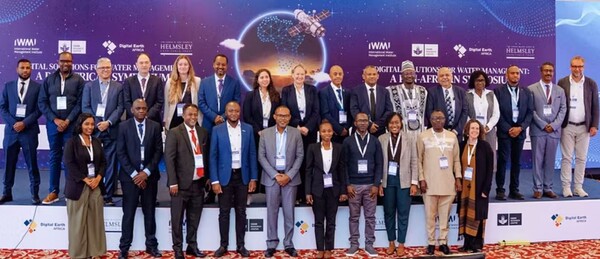
국제물관리연구소(IWMI)는 10월 21일부터 23일까지 에티오피아 아디스아바바에서 ‘범아프리카 물관리 디지털 솔루션 심포지엄(Pan-African Symposium on Digital Solutions for Water Management)’을 공동 주최하고, 디지털 기술을 활용한 수자원 데이터 관리 및 접근성 확대 방안을 논의했다. 사진은 물관리 디지털 솔루션 범아프리카 심포지엄에 참석한 정부 관계자, 혁신가, 연구자, 학생들의 모습. [사진제공(Photo Source) = IWMI]
아프리카의 수자원 미래는 더 나은 데이터와 스마트한 도구에 달려 있다. 그러나 위성 데이터와 기술을 활용해 대륙의 수자원을 관리하기 위한 투자는 여전히 부족하다. 이에 국제물관리연구소(IWMI)는 10월 21일부터 23일까지 에티오피아 아디스아바바에서 ‘범아프리카 물관리 디지털 솔루션 심포지엄(Pan-African Symposium on Digital Solutions for Water Management)’을 공동 주최하고, 디지털 기술을 활용한 수자원 데이터 관리 및 접근성 확대 방안을 논의했다.
이번 행사는 디지털어스 아프리카(Digital Earth Africa)와 헬름슬리 자선재단(The Helmsley Charitable Trust)의 지원으로 열렸으며, 20개국 이상의 정부 관계자, 연구자, 민간 전문가가 참석했다.
심포지엄에서는 위성자료, 오픈데이터, 인공지능 등 디지털 기술이 아프리카 수자원 관리에 기여할 수 있는 방안이 논의됐다. 특히 기후변화로 인한 가뭄과 홍수 등 극단적 기후 현상 속에서, 신속하고 정확한 데이터 확보가 정책 결정과 위험 관리의 핵심 요소로 강조됐다.
압디사 일마(Abdisa Yilma) 에티오피아 우주과학지리정보연구소 소장은 “에티오피아는 풍부한 수자원을 보유하고 있지만, 수요가 빠르게 증가하고 있다”며 “수자원을 이해하고 보호·개발하는 동시에, 관련 데이터가 아프리카 전역에서 공유돼야 한다”고 말했다.
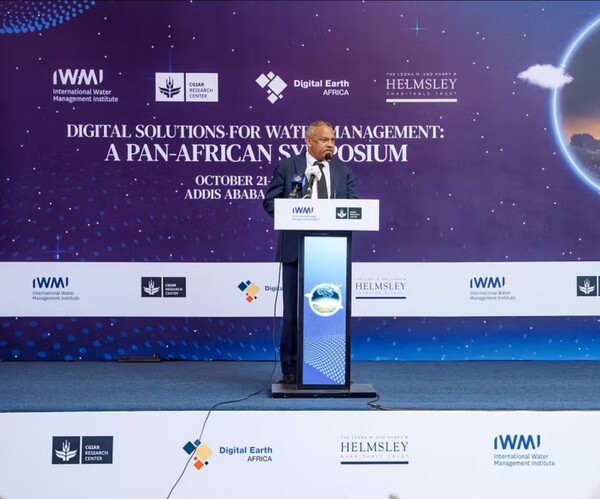
압디사 일마(Abdisa Yilma) 에티오피아 우주과학지리정보연구소 소장이 개회식에서 기조연설을 하고 있다. [사진제공(Photo Source) = IWMI]
아프리카는 막대한 수자원을 보유하고 있지만, 물 관련 지속가능발전목표(SDGs) 중 달성 궤도에 오른 것은 6%에 불과하다. 대륙 전체가 세계에서 가장 데이터가 부족한 지역 중 하나로 꼽히며, 이는 효과적인 정책 수립과 의사결정을 저해하고 있다. 한편, 기후 극한 현상으로 가뭄과 홍수가 빈발하면서 국가 간 협력과 데이터 공유를 통한 ‘물 데이터 격차 해소’의 필요성이 더욱 커지고 있다.
레이첼 맥도넬(Rachael McDonnell) IWMI 연구개발 부소장은 “디지털 혁신이 물 관리의 새로운 가능성을 열고 있다”며 “정확하고 시의적절한 데이터 접근은 정부가 합리적인 결정을 내리고 리스크를 관리하도록 돕는다”고 강조했다.
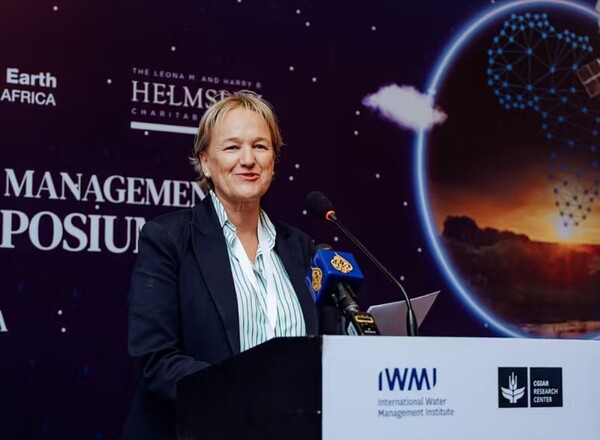
레이첼 맥도넬(Rachael McDonnell) IWMI 연구개발 부소장이 심포지엄에서 발언하고 있다. [사진제공(Photo Source) = IWMI]
전통적인 수자원 모니터링 체계가 약화되는 가운데, 위성영상, 오픈데이터 플랫폼, 신기술 등 디지털 도구가 수자원 모니터링, 가뭄·홍수 위험 평가, 기후 변동성 대응 계획 수립을 지원하고 있다. 그러나 단순한 데이터 확보만으로는 충분하지 않으며, 이를 해석·공유·활용하는 역량이야말로 효과적이고 공정한 물 관리의 핵심으로 지목됐다.
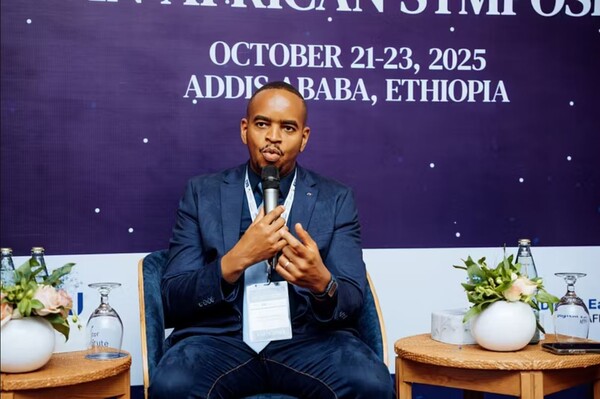
케네스 무베아(Kenneth Mubea) 디지털어스 아프리카 역량개발 책임자가 심포지엄에서 의견을 나누고 있다. [사진제공(Photo Source) = IWMI]
케네스 무베아(Kenneth Mubea) 디지털어스 아프리카 역량개발 책임자는 “디지털 역량 강화가 아프리카 변화의 핵심”이라며 “모든 국가가 지구관측 데이터를 활용할 수 있을 때 실질적인 정책 변화를 이끌 수 있다”고 말했다.
IWMI는 이번 논의를 바탕으로 데이터와 의사결정 간의 격차를 줄이고, 기술 혁신이 물 안보 향상으로 이어지도록 아프리카 각국과의 협력을 지속할 계획이다.
이번 행사에는 에티오피아 물에너지부, 우간다 물환경부, 세계은행, 유엔 아프리카경제위원회(UNECA), 볼타유역위원회 등 국제기구와 지역 기관이 참여했다. 참석자들은 물 분야의 디지털 전환을 위해 국가 간 협력과 데이터 공유가 필요하다는 점에 공감했다.
[원문보기]
Digital innovation to bridge Africa’s water data divide
IWMI co-hosts Pan-African symposium on digital solutions for water management in Ethiopia, exploring how open data and digital tools can chart a water-secure future for the continent.
Africa’s water future depends on better data and smarter tools. Yet, the lack of investments to use satellite data and technology to manage the continents’ water resources remains a challenge. To explore how digital innovations can transform the way Africa manages its water resources, the Pan-African Symposium on Digital Solutions for Water Management took place from October 21–23, 2025 in Addis Adaba, Ethiopia.
The symposium brought together government representatives, innovators, researchers and students from over 20 countries and was organized by the International Water Management Institute (IWMI) and Digital Earth Africa with support from The Helmsley Charitable Trust.
At the symposium’s opening, Abdisa Yilma, director general of Ethiopia’s Space Science and Geospatial Institute, emphasized the growing water challenges facing East Africa. “Ethiopia, for example, has many water bodies, but demand is rising rapidly across all sectors,” Yilma said. “To meet this demand, it is essential that we understand, protect and develop our water resources and make the data that supports these efforts accessible across Africa.”
Despite having vast water resources, only 6% of Africa’s Sustainable Development Goal targets on water are on track. The continent is also one of the most data-scarce regions globally, which constrains effective planning and decision-making. With climate extremes reshaping Africa’s landscapes, prolonged droughts, intense floods and growing uncertainty are underscoring the urgent need for collaboration to bridge Africa’s water data divide.
“Digital innovation is transforming what’s possible in water management,” said IWMI’s deputy director general — research for development, Rachael McDonnell, highlighting the central role of innovation in shaping Africa’s water future. “Access to accurate, timely data helps governments make better decisions, manage risks and invest in solutions that benefit both people and ecosystems.”
As traditional water monitoring systems decline, digital tools such as satellite imagery, open data platforms and new technologies are helping countries monitor water resources, assess drought and flood risks, and plan for climate variability. Yet, data alone is not enough. The ability to interpret, share and apply data effectively is key to managing water more effectively and equitably.
“Building digital skills is at the heart of Africa’s transformation,” said Kenneth Mubea, capacity development lead at Digital Earth Africa. “When Earth observation data becomes accessible and usable for every African nation, we empower decision-makers to act. This symposium is about turning that access into real change on the ground.”
Through digital tools and products, and partnerships like those showcased at the symposium, IWMI continues to work across Africa to bridge the gap between data and decision-making, ensuring that technological innovation contributes to a water-secure future for all.
The symposium gathered a wide range of partners, including Ethiopia’s Ministry of Water and Energy, Ministry of Foreign Affairs, Uganda’s Ministry of Water and Environment, Limpopo Watercourse Commission, World Bank, UN Economic Commission for Africa, regional water authorities such as Volta Basin Authority, research institutions and the private sector. This served as a reflection of the broad coalition needed to drive digital transformation in the water sector.
[출처 = 국제물관리연구소(IWMI)(https://www.iwmi.org/news/iwmi-and-partners-are-bridging-africas-water-data-divide-through-digital-innovation/) / 2025년 10월 27일]
|  즐겨찾기 추가
 시작페이지로 설정
























