[해외연구보고서] 코대, "온실가스 미래 전망, 속도보다 시기가 중요"
온실 가스 전망 및 빙상에 추가, 2200년까지 해수면 상승에 가장 큰 영향을 미칠 미쳐
스스로, 스스로 미래 모델 구축...2200년까지 해수면 활동 영향 요인 분석
미래의 군인, 10년만이라도이라도 해수면 상승할 청년점 가능성이 높은 노인
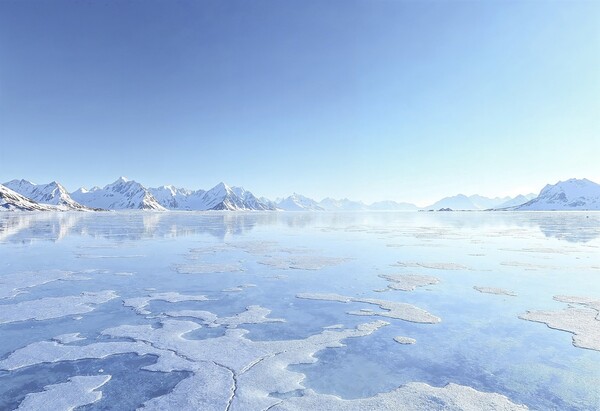
미국 코넬 대학교(Cornell University)는 보잉 해와 해수면의 예비적 청년점을 제외하고는 가스를 장래의 속도보다 훨씬 더 소중하다고 믿습니다. [사진출처(사진 출처) = Freepik]
미국 코넬 대학교(Cornell University)는 보잉 해와 해수면의 예비적 청년점을 제외하고는 가스를 장래의 속도보다 훨씬 더 소중하다고 믿습니다.
이번 연구는 지난 10월 10일 네이처 크라이밋 체인지(Nature Climate Change)에 의해, 다양한 향후 경로를 모델링한 결과, 할당과 빙상(Ice Sheet)에 포함된 2200년까지 해수면 발표에 가장 큰 영향을 미칠 것으로 나타났습니다.
벡 스리크리슈난(Vivek Srikrishnan) 코대 넬 생명과학대학 환경 공학과 조교수는 "대략 2065년에서 2075년 계산에 양이 해수면에 미치는 영향을 미치기 시작하며, 남극 빙상 환기와 관련하여 중요한 영향을 미치게 됩니다"며 "2060년, 2065년에 국면, 우리가 소환하는 날씨가 해수면 운동의 범위에로 영향을 미치기 시작했다고 설명했다.
미래의 경량이 지구 기후해, 빙상 용접해, 해수면에 영향을 미치고 있다는 사실은 잘 살고 있습니다. 그러나 근육이 고정되어 있습니다. 즉, 컨테이너점과 규격이 언제인지, 어떤 방식으로 보잉을 환영해와 해수면 급상승을 요구하는지, 그리고 이러한 헬리콥터점을 빼고는 무엇인지는 아직 남아있지 않습니다.
이전 연구와 모델은 주로 배출이 기온 상승에 미치는 영향에 초점을 맞췄으며, 시간이 지남에 따라 빙상과 해양 역학이 어떻게 상호작용하는지는 충분히 고려하지 않았다. 이에 스리크리슈난 교수 연구팀은 배출이 해수면 상승과 비선형적 관계를 가질 수 있는지, 즉 기온이 특정 임계치를 넘어설 때 빙상이 더 빠르게 녹기 시작하는 과정을 규명하고자 했다.
연구진은 자체 배출량 모델을 구축하고, 빙상 역학을 포함한 기존 기후 모델과 통합해 2200년까지 해수면 상승에 영향을 미치는 요인을 분석했다. 그 결과, 배출 감축을 단 10년만 늦추더라도 해수면 상승 임계점을 피할 가능성이 크게 줄어들며, 특히 배출량이 정점에 도달하는 시점이 빙상 붕괴 임계점을 넘어설 확률에 큰 영향을 미친다는 사실을 확인했다.
연구진은 2050년까지 배출량을 감축하지 못할 경우, 해수면이 0.4m 상승하는 임계점에 도달할 확률이 50%를 넘을 것으로 추정했다. 더 나아가 해양의 열 흡수 방식이나 다른 복잡한 지구물리학적 요인에 따라 상승 폭은 0.5m를 초과할 수도 있다. 해수면이 0.5m 오르면 대부분의 조위 관측소에서 홍수 위험이 10배 증가하고, 그중 절반 이상에서는 위험이 100배까지 치솟을 수 있다.
스리크리슈난 교수는 "만능 해결잭을 기다릴 필요는 없다"며 "물론 배출을 더 빨리 줄일수록 좋지만, 아무것도 하지 않는 것보다는 조금이라도 줄이는 것이 낫다. 이는 새로운 통찰은 아니지만, 이번 연구가 그 점을 다시 한 번 확인시켜준다"고 강조했다.
연구는 또한 21세기 해수면 상승의 변동성은 남극 빙상(Antarctic Ice Sheet)의 불확실성이 가장 잘 설명하지만, 22세기에는 그린란드가 더 큰 역할을 할 수 있다는 점도 밝혀냈다. 스리크리슈난 교수는 "그린란드가 기여할 수 있는 해수면 상승의 전체 규모는 상당히 클 수 있으며, 이는 지구상 여러 곳에서 매우 중요한 의미를 갖는다"고 설명했다.
더 나아가 이번 모델링 접근법은 배출량 및 정책 변화의 영향을 평가하고 지역사회가 자원을 배분하는 데 도움을 줄 수 있는 새로운 도구를 제공한다.
스리크리슈난 교수는 "우리의 목표 중 하나는 정책 변화에 따른 배출량 변화가 기후 위험에 어떤 영향을 미칠지 더욱 세부적으로 살펴볼 수 있는 시스템을 구축하는 것"이라며 "우리는 어떤 배출 경로가 더 타당한지, 그리고 그것이 적응 필요성 평가에 어떤 영향을 미칠지에 대한 지속적인 논의가 필요하다"고 말했다.
그는 또 "이 접근법은 아무도 정확히 예측할 수 없는 미래에서 ‘징후(signposts)’를 찾아내는 시도"라며 "불확실성은 최대한 정밀하게 이해하는 것이 중요하다. 그래야 의사 결정권자가 계획을 조정할 수 있도록 충분히 앞서 경고를 줄 수 있는 관측 지표, 임박한 불안정을 가리키는 명확한 징후를 식별할 수 있다. 이것이 핵심적인 질문”이라고 덧붙였다.
이번 연구는 스탠퍼드대학교(Stanford University)와 로체스터공과대학교(Rochester Institute of Technology)연구원들이 공동 저자로 참여했으며, 미국 에너지부와 미국 국립과학재단(National Science Foundation)의 지원을 받았다.
[원문보기]
To prevent rapid sea-level rise, reduce emissions now
The timing of emissions reductions, even more so than the rate of reduction, will be key to avoiding catastrophic thresholds for ice-melt and sea-level rise, according to a new Cornell study.
The study, published Oct. 10 in Nature Climate Change, models the impacts of different emissions trajectories, finding that emissions and uncertainties around ice sheet dynamics will have the most impact on sea-level rise through 2200.
“Roughly speaking, we found that somewhere between 2065 and 2075, emissions really start to become the dominant factor, as well as uncertainties related to emissions like Antarctic Ice Sheet tipping points,” said Vivek Srikrishnan, assistant professor of biological and environmental engineering in the College of Agriculture and Life Sciences. “As we get to 2060, 2065, the mitigation we do today will start to really materially impact the range of sea-level rise outcomes.”
It‘s well understood that future carbon dioxide emissions will impact global temperatures, the melting of ice sheets and sea-level rise, but there’s a great deal of uncertainty around what that will look like: We don’t know how or when emissions and increased temperatures will precipitate a rapid melting of ice sheets and surge in sea levels, or the best approach to avoid those tipping points.
Previous studies and models focused on or made central emissions’ impact on warming temperatures, without considering how those changes might interact with ice sheet and ocean dynamics over time in a detailed way. Srikrishnan and his team, including first author Chloe Darnell, M.S. ‘23, wanted to understand how emissions might have a nonlinear relationship to sea-level rise – as temperatures surpass thresholds and initiate a more rapid melting of ice sheets.
For more granular detail, the researchers used their own model of emissions and integrated it with a number of existing climate models, including ones that model ice sheet dynamics, to determine the factors impacting sea-level rise through 2200. They found that delaying emissions reductions by even a decade substantially reduces the chances of avoiding thresholds for sea-level rise, with the year emissions peak greatly influencing the probability of surpassing ice sheet tipping points.
They estimate that a failure to reduce emissions by 2050 will result in a greater than 50% probability of reaching the threshold that would raise sea-levels by 0.4 meters, which could surpass 0.5 meters depending on how heat is absorbed into the oceans and other complex geophysical dynamics. A sea-level rise of 0.5 meters could increase the entire distribution of flood risk at most tidal gauges by 10-fold, with a 100-fold increase in risk at more than half of those gauges.
“It’s not worth waiting for a silver bullet,” Srikrishnan said. “Obviously the faster we can reduce emissions the better, but any decrease is better than nothing. That’s not a new insight, but this reinforces it.”
The study also found that while uncertainties around the Antarctic Ice Sheet explain the most variability of 21st century sea-level rise, Greenland could play a larger role in the 22nd century.
“The overall volume of sea-level rise that Greenland could contribute could be quite large, and that matters a lot in a number of different places on the planet,” Srikrishnan said.
More broadly, the modeling approach provides a new tool to assess shifts in emissions and policy, and to help communities allocate resources.
“One of the goals is building a machinery that allows us to look more granularly at how changes in emissions – that we may see in response to changes in policy – might impact climate risk,” Srikrishnan said. “We need to have ongoing conversations around what emissions trajectories are more plausible and how that might impact our assessment of adaptation needs.”
Srikrishnan said the approach attempts to identify signposts in a future that no one can precisely predict.
"이러한 불확실성에 대한 이해를 더욱 구체화하는 것이 중요합니다."라고 스리크리슈난은 말했습니다. "그러면 우리는 다음과 같은 질문을 던져볼 수 있습니다. 의사 결정권자들이 계획에 적절한 조정을 할 수 있도록 충분한 사전 정보를 제공할 만한 것은 무엇일까요? 임박한 불안정성을 시사하는 명확한 지표는 무엇일까요? 이것이 바로 핵심 질문입니다."
공동 저자로는 스탠포드 대학과 로체스터 공과대학의 연구자들이 포함됩니다.
이 연구는 미국 에너지부와 미국 국립과학재단으로부터 자금 지원을 받았습니다.
[출처 = 코넬대학교(Cornell University) ( https://news.cornell.edu/stories/2025/10/prevent-rapid-sea-level-rise-reduce-emissions-now ) / 2025년 10월 10일]
|  즐겨찾기 추가
 시작페이지로 설정
























