[해외연구보고서] 워싱턴대, 신뢰할 수 있는 가정 수돗물 모니터링 강화
워싱턴대 연구진, 가정의 수돗물 모니터링 방식 개선하기 위한 야심찬 프로젝트 진행
공공 상수도 사업체 식수 공급량 정기적으로 모니터링하지만 각 가정의 수도꼭지에서 나오는 수질상태 확인할 방법 없어
미국 NSF 기술혁신 및 파트너십국 지원으로 ‘신뢰할 수 있는 수도꼭지 프로젝트(Trusted Tap Project)’는 2단계 진입
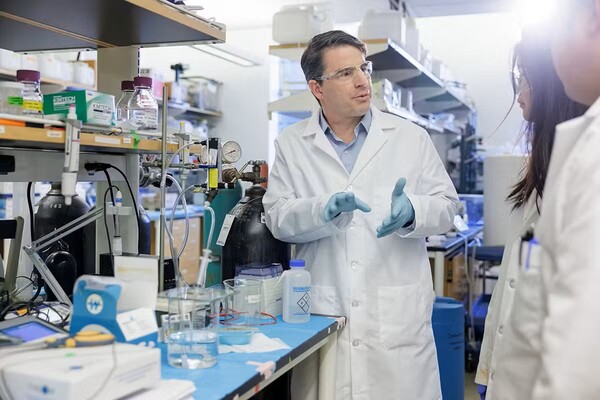
세인트루이스에 있는 워싱턴대학교(WashU)의 연구원들은 가정에서 수돗물을 모니터링하는 방식을 개선하기 위한 야심찬 프로젝트를 진행하고 있다. 댄 지암마르(Dan Giammar) 교수(왼쪽)와 동료들은 신뢰할 수 있는 수도꼭지 프로젝트(Trusted Tap Project)’의 다음 단계의 일환으로 정수 필터와 오염 물질을 검사할 예정이다. [사진출처(Photo source) = 워싱턴대학교(WashU)]
공공 상수도 사업체는 식수 공급량을 정기적으로 모니터링한다. 하지만 각 가정의 개별 배관에 물이 공급되면 수도꼭지에서 나오는 물을 확인할 방법이 없다.
수도시설과 개인 우물물을 사용하는 2천300만 미국 가정의 경우, 수도꼭지에서 나오는 물을 어떻게, 왜 신경 써야 하는지에 대한 지침이 거의 없다. 또한 가정 배관에서 납(Pb)이나 기타 잠재적 오염물질에 대한 우려가 있는 사람들에게는 이러한 우려를 해결할 수 있는 저렴한 대안이 많지 않다.
세인트루이스 워싱턴 대학교(Washington University in St.) 연구진은 간단한 계획으로 이러한 상황을 바꾸고자 한다. 바로 사람들이 직접 수돗물을 모니터링할 수 있는 방법을 제공하는 것이다.
‘신뢰할 수 있는 수도꼭지 프로젝트(Trusted Tap Project)’는 미국 국립과학재단(National Science Foundation, NSF) 기술혁신 및 파트너십국(Technology Innovation and Partnerships, TIP)의 추가 자금 지원을 받아 올해 2단계에 진입했다.
Trusted Tap 팀은 ‘미래의 물 시스템(Future Water Systems)’이라는 주제를 다루기 위해 2023년에 시작된 코호트에 속한다. 이 단계에 선정된 팀은 프로젝트 진행을 위해 3년 동안 최대 500만 달러(약 70억 원)를 지원받을 수 있다.
이 프로그램의 핵심은 각 가정에서 온라인이나 매장에서 시중에서 판매되는 정수 필터를 구매하여 교체 시기가 될 때까지 사용한 후, WashU(워싱턴대학교)로 보내 분석을 받는 것이다.
필터가 세척을 담당하지만, 사용한 필터를 보내는 대가로 각 가정은 물 속에 정확히 무엇이 들어 있는지 확인할 수 있다. 수질 데이터는 기록되며, WashU 과학자들은 우려되는 오염 물질이 있을 경우 다음 단계에 대한 지침을 제공한다.
Trusted Tap은 ‘미국 국립과학재단 기술혁신 및 파트너십국 디렉터리 컨버전스 가속기(NSF TIP Directorate Convergence Accelerator)’ 프로그램의 일환으로, 획기적인 기술을 가속화하고 미국인들이 새롭게 부상하는 고임금 및 고숙련 일자리에 대비할 수 있도록 지원한다.
“상대적으로 단기간에 국가적으로 영향력 있는 과학 연구를 도출하는 것이 중요하다”라고 워싱턴대학교 환경공학과 월터 E. 브라운 교수이자 워싱턴대학교 환경센터 소장인 댄 지암마르(Dan Giammar)는 말했다.
지암마르 교수는 워싱턴대학교를 비롯한 여러 분야의 파트너들을 연결하는 Trusted Tap의 수석 연구원이다. 이 프로젝트는 ‘연구, 교육, 환자 치료를 활성화하여 워싱턴대학교와 세인트루이스를 가장 심각한 사회적 과제에 대한 혁신적인 해결책을 위한 글로벌 허브로 자리매김’하려는 워싱턴대학교의 ‘여기와 다음(Here and Next)’ 전략 계획과 일맥상통한다.
장기적인 수질 모니터링을 가능하게 하는 시스템 구축은 이러한 과제 중 하나이며, 특히 미국 수원의 약 45%에서 검출 가능한 수준으로 발견되는 ‘영구 화학물질(forever’ chemicals)’로 흔히 알려진 과불화화합물(PFAS)의 건강 영향에 대한 인식이 높아지고 있는 상황에서 더욱 그렇다.
지속 가능한 수질 모니터링 시스템을 현실화하려면 다양한 배경을 가진 사람들의 참여가 필요하다. 이를 위해 WashU는 일리노이 대학교 어바나-샴페인 캠퍼스(University of Illinois Urbana-Champaign)와 협력하여 체로키족 환경보건국(Cherokee Nation Office of Environmental Healt), 시카고 수자원관리국(Chicago Department of Water Management), 그리고 여러 주의 우물 소유주들에게 다가가는 미드웨스트 지원 프로그램(Midwest Assistance Program) 및 RCAP 솔루션과 함께 시범 프로그램을 마련하기 위해 노력하고 있다.
또한, 이 프로그램은 맥켈비 공과대학(McKelvey School of Engineering), 환경센터(Center for the Environment), 공중보건대학 건강 커뮤니케이션 연구소(Health Communication Research Laboratory at the School of Public Health), 샘 폭스 디자인 및 시각예술대학(Sam Fox School of Design & Visual Arts), 그리고 스칸달라리스 학제간 혁신 및 기업가정신 센터(Skandalaris Center for Interdisciplinary Innovation and Entrepreneurship)를 포함한 WashU 전체의 다학제적 노력의 일환이다.
지암마르 교수는“우리는 미국 전국민이 안전한 식수를 마실 수 있기를 바라는 마음으로 이 자리에 섰다. 식수에 무엇이 들어 있는지 모른다면 안전한 식수를 마실 수 없다”라고 말했다.
진행 중인 프로젝트
프로젝트 1단계에서는 파트너십 구축, 고객 발굴 및 사용자 조사, 그리고 상업적으로 사용 가능한 필터 평가가 포함되었지만, 2단계에서는 이러한 작업이 가정으로 직접 전달된다.
제시 캠벨(Jesse Campbell)은 미드웨스트 지원 프로그램(Midwest Assistance Program)을 통해 민간 우물 프로그램 코디네이터로 활동하고 있다. 그는 연구자들에게 우물 소유주들의 필요 사항을 알리는 업무를 담당했다. 그의 주요 업무는 미드웨스트(Midwest) 지역을 순회하며 우물 소유주들을 교육하고 관련 자원을 연결하는 것이다.
캠벨은 “많은 우물 소유주들이 수질 전문가와 전혀 소통하지 못하고 있다”라면서 “이러한 사람들에게 다가가기 위해서는 Trusted Tap 프로세스를 사용하기 쉽고 비용 효율적으로 만드는 것이 중요하다”고 덧붙였다.
이 프로젝트의 최종 ‘결과(product)’는 캠벨이 제공하는 교육이다. WashU 과학자들은 완전히 새로운 필터를 개발하는 것이 아니다. 이 노력은 기존 상업용 필터 시장에서 구할 수 있는 필터를 사용하고, 소유주들이 다음 단계를 고민하도록 유도하는 수질 보고서를 작성하는 것이다.
캠벨은 “나는 우물 주인들에게 검사의 필요성과 수질을 알고 싶어하는 이유에 대해 항상 이야기한다”고 말했다.
워싱턴대학교 공중보건대학 조교수이자 이 프로젝트의 공동 책임 연구원인 레이첼 가르그(Rachel Garg)는 Trusted Tap의 다음 단계를 진행한다. 여기에는 청중 조사, 최종 사용자 테스트, 메시지 테스트, 그리고 프로토 타입 지침 및 수질 보고서 개발이 포함된다. 수질 분석이라는 과학적 원리만큼이나 대중이 그 과학적 원리를 받아들이도록 하는 방법도 중요하다.
보건 커뮤니케이터들은 샘 폭스 디자인 및 시각 예술대학과 협력하여 다음 단계와 발견된 오염물질을 정화하는 방법에 대한 지침을 제공하는 프로토타입 수질 보고서를 제작할 계획이다.
가르그 연구원은 “그들은 여러 가지 프로토타입을 만들고, 저희 팀은 메시지 테스트를 진행할 것”이라고 말했다.
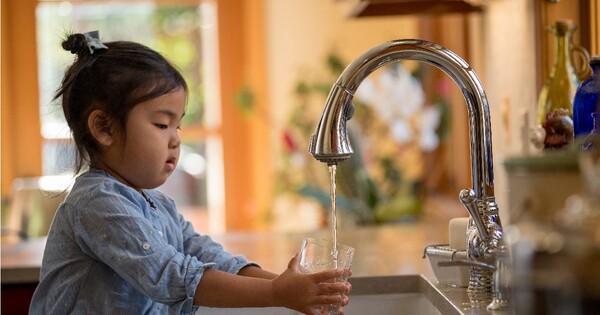
수도시설과 개인 우물물을 사용하는 2천300만 미국 가정의 경우, 수도꼭지에서 나오는 물을 어떻게, 왜 신경 써야 하는지에 대한 지침이 거의 없다. 또한 가정 배관에서 납(Pb)이나 기타 잠재적 오염물질에 대한 우려가 있는 사람들에게는 이러한 우려를 해결할 수 있는 저렴한 대안이 많지 않다. [사진출처(Photo source) = 산조세워터(San Jose Water)]
이 과정이 어떻게 진행될 수 있는지에 대한 잠재적인 예시는 다음과 같다.
우물 주인이 3개월 동안 사용할 수 있는 투수형 정수 필터를 사용한다고 가정해 보겠다. 우물 주인은 사용한 필터를 WashU로 보내면 환경 엔지니어들이 필터에서 권장 기준을 초과하는 6가 크롬 수치를 발견한다.
그러면 해당 부동산 소유주는 6가 크롬 처리 지침을 받게 되는데, 이를 위해서는 역삼투압(RO) 필터 설치가 필요하다. 장기적으로는 학계 외부에서 프로젝트를 계속 운영하기 위해 상업용 정수 업계와 협력할 계획이다. 결국 주택 소유주들은 이 필터를 Trusted Tap 회사에 보내게 될 것이다.
우물 주인과 개인 상수원 외에도, 이 시범 프로젝트에는 시카고 주택이 포함된다. 시카고는 현재 납 수도관 교체 작업을 진행 중이기 때문이다. 시카고의 상수도는 미국에서 가장 많은 납 수도관을 보유하고 있다.
수도관 교체는 배관이 파손되면 납과 같은 물질이 상수도에 비산될 수 있기 때문에 수질에 매우 위험한 시기이다. 사용한 필터 보고서를 통해 납 수치가 급증하는지 확인하고 개선 방안을 제시할 수 있다.
미스터리 해소
워싱턴대학교(WashU) 학생들도 이 야심 찬 프로젝트에 참여하고 있다. Trusted Tap 로고를 디자인하는 학생들부터 필터에서 오염물질을 제거하는 작업을 하는 엔지니어 훈련생까지 참여하고 있다.
맥켈비 대학교 에너지·환경·화학공학과 박사과정 학생인 제화 왕(Zehua Wang)은 “Trusted Tap에 참여하게 되어 매우 기쁘다”라면서 “나는 고등학교 시절부터 환경공학에 관심이 많았는데, 고향 수돗물이 누렇게 나오기 시작했을 때 걱정했던 기억이 난다”고 말했다.
위험한 오염물질은 아니었지만 “완전히 보고되지 않았고, 과학적 근거도 충분히 논의되지 않았다”라면서 “아무도 그 문제에 대해 이야기하지 않았다. 정말 무서웠다”라고 말했다.
왕은 이제 수돗물에 대한 미스터리를 해소할 기회를 얻었다. 그는 각 가정에서 보내게 될 필터에서 납과 크롬과 같은 금속 오염물질을 제거하는 방법과, 발견된 오염물질 정보를 각 가정에 보내는 보고서에 포함시키기 위해 오염물질을 가장 효과적으로 집계하는 방법을 연구하고 있다.
제화 왕(Zehua Wang)은 “다양한 필터가 어떻게 다양한 금속 오염물질을 제거할 수 있는지, 그리고 이러한 금속을 회수하는 효율적인 추출 방법을 개발하는 방법을 연구하고 있다”라고 말했다.
중고 필터 분석을 담당하는 엔지니어들의 다음 연구 단계는 미세 플라스틱과 미생물을 검출하는 방법을 포함하여 다양한 오염물질 제거 방법을 결합하는 것이다. 이 프로젝트에 참여하는 맥캘비(McKelvey) 엔지니어에는 공동 책임연구원, 부교수이자 공정 개발 연구 책임자인 킴파커(Kim Parker)와 파일럿 테스트 공동 책임자인 팡퀴옹 링(Fangqiong Ling) 조교수가 포함된다.
파커와 링은 사용된 필터에 포집된 오염물질을 식별하는 창의적인 새로운 방법을 고안하는 것이 가정에 WashU에 물병을 보내달라고 요청하는 것보다 많은 이점이 있다. “일반적으로 몇 달 동안 사용할 수 있는 시중 필터는 훨씬 더 오랜 기간 동안 수질에 대한 정보를 제공한다”라고 파커는 말했다.
예를 들어, 일부 오염물질의 수치는 많은 날에 걸쳐 낮은 수준으로 유지될 수 있다. 하지만 시스템 내에서 화학물질이 갑자기 급증하는 경우, “적절한 시기에 물 샘플을 채취하지 않으면 그 급증을 놓치게 된다”라고 그녀는 덧붙였다.
필터를 사용하는 또 다른 장점은 서로 다른 샘플링 기간의 물을 여러 갤런씩 배송하는 것보다 건조한 필터를 우편으로 보내는 것이 훨씬 쉽다는 것이다.
링 조교수에 따르면, 식수에서 미생물을 검출하는 데 있어 한 가지 어려움은 일회성 수질검사로는 검출하기에는 수치가 너무 낮은 경우가 많다는 것이다. 하지만 두 달 동안 사용할 수 있는 필터를 사용하면 처리가 훨씬 쉽다. 이 방법을 사용하면 화학 물질이 시간이 지남에 따라 축적될 가능성이 더 높아진다.
파커는 “이 과정의 협력적인 측면이 성공의 핵심”이라고 말했다. 성공하려면 쉬운 언어와 간단한 실행 단계를 사용하여 대중과 소통해야 한다. 일리노이 대학교 공중보건대학원, 샘 폭스 스쿨, 그리고 파트너들의 건강 커뮤니케이션 전문가들이 바로 이 부분에서 도움을 주었다.
[원문보기]
WashU’s Trusted Tap will empower households to monitor water quality
Researchers at Washington University in St. Louis are undertaking an ambitious project to improve how households monitor their tap water
Water utilities regularly monitor drinking water supplies. But once water enters the individual plumbing of households, there are no checks on what’s coming out of the tap.
For those homes served by water utilities and the 23 million American households using private well water, there is very little guidance about how or why they should care about what flows from the faucet. And those who have concerns about lead or other potential contaminants in their household plumbing do not have many affordable options to address those concerns.
Researchers at Washington University in St. Louis want to change that with a simple plan: Empower people with a method to monitor their own tap water.
The project, Trusted Tap, enters Phase 2 this year with additional funding from the U.S. National Science Foundation Directorate for Technology Innovation and Partnerships (TIP). The Trusted Tap team is part of cohort that started in 2023 to tackle the topic of “Future Water Systems.” Teams selected for this phase can receive up to $5 million over three years to advance the project.
The idea is that households purchase commercially available water filters online or in stores; use those filters until it’s time for replacement; and then mail those filters to WashU for analysis.
The filter does the cleaning, but in exchange for sending in their used filters, households can get a snapshot of what exactly is in their water. The water quality data is recorded, and WashU scientists can offer guidance on what to do next if there are contaminants of concern.
Trusted Tap is part of the NSF TIP Directorate Convergence Accelerator program which aims to accelerate breakthrough technologies and prepare Americans for the higher-wage and higher skilled jobs that emerge.
“It’s really about getting nationally impactful scientific research out in the relatively short term,” said Dan Giammar, the Walter E. Browne Professor of Environmental Engineering and director of WashU’s Center for the Environment.
Giammar is the principal investigator for Trusted Tap, which brings in partners from across disciplines at WashU and beyond. The project aligns with WashU’s Here and Next strategic plan to “mobilize research, education and patient care to establish WashU and St. Louis as a global hub for transformative solutions to the deepest societal challenges.”
Setting up a system to enable long-term water monitoring is one such challenge, especially with the increasing awareness of the health impacts of per- and polyfluoroalkyl substances (PFAS), commonly known as “forever chemicals,” which are found in detectable levels in some 45 percent of U.S. water sources.
To bring a sustainable system of water monitoring to reality takes a mix of people from different backgrounds. To that end, WashU has partnered with University of Illinois Urbana-Champaign and is working to put together a pilot program with the Cherokee Nation Office of Environmental Health, Chicago Department of Water Management and both the Midwest Assistance Program and RCAP Solutions, organizations that reach out to well owners across multiple states.
In addition, this is a multi-disciplinary effort from all over WashU, including the McKelvey School of Engineering, the Center for the Environment, the Health Communication Research Laboratory at the School of Public Health, the Sam Fox School of Design & Visual Arts, and the Skandalaris Center for Interdisciplinary Innovation and Entrepreneurship.
“We’re here because we want everybody in the country to have safe drinking water, and they can’t do that if they don’t know what is in their drinking water,” said Giammar.
What’s on tap
Phase 1 of the project involved setting up partnerships, conducting customer discovery and user research and evaluating the filters available for commercial use, but Phase 2 is where this work enters the home.
Jesse Campbell is a coordinator of the private well program through the Midwest Assistance Program. He was looped in to help inform researchers about well owners’ needs. His regular job is to travel the Midwest educating well owners and connecting them to resources.
“A lot of well owners never have interactions from any water quality professional at all,” Campbell said. Making the Trusted Tap process easy to use and cost effective is key to reaching this population, he added.
The final “product” in this project is the type of education that Campbell provides. WashU scientists are not building a brand-new filter; instead, this effort is about using filters that are available through the existing commercial filter market and producing water quality reports that engage the property owners with next steps, rather than overwhelm them.
“I am always talking to well owners about the need for testing, and why they would want to know what their water quality is,” Campbell said.
Rachel Garg, assistant professor at the WashU School of Public Health and co-principal investigator of the project, will lead the next steps of Trusted Tap that include audience research, end user testing, message testing and development of prototype instructions and water reports. Just as critical as the science of water analysis is the method for getting the public to buy into that science.
Health communicators will work in concert with the Sam Fox School of Design & Visual Arts to make prototype water reports that give instructions on next steps and how to clean up any contaminants found.
“They’ll create several different prototypes, and our team will do message testing,” Garg said.
One potential example of how this process might work:
Imagine a well owner uses a pitcher water filter that lasts three months: The well owner mails the used filter to WashU where environmental engineers find levels of hexavalent chromium on the filter that are beyond the recommended limit.
That property owner will then receive instructions for hexavalent chromium treatment, which requires a reverse osmosis filter to be installed. Longer term, the plan is to work with the commercial filter industry to keep the project running outside of academia. Eventually, homeowners will be sending those filters to a Trusted Tap company.
Beyond well owners and private water sources, the pilot project will involve Chicago homes because the city is in the middle of replacing its lead pipes. Chicago’s water system has the highest number of lead pipes in the country.
The replacement of plumbing is a treacherous time for water quality since materials like lead can flake into the water supply when pipes are disrupted. A used filter report could potentially let participants know if lead levels are spiking and offer remediation options.
Removing the mystery
WashU students are also part of the ambitious project, from students designing a Trusted Tap logo, to engineers-in-training working on contaminant removal from filters.
Zehua Wang, a PhD student in the Department of Energy, Environmental & Chemical Engineering at McKelvey, is thrilled to participate in Trusted Tap. He’s been interested in environmental engineering since high school, when he remembers being worried about the tap water of his hometown after it started coming out yellow.
It wasn’t likely a dangerous contaminant but “it was not really fully reported, and the science was not discussed very thoroughly,” he said. “Nobody talked about it. It was scary.”
Now, he has an opportunity to demystify those waters. He’s researching how to remove metal contaminants like lead and chromium from the filters households will be sending in - and then how best to tally up what he finds so that the information about the contaminants can be included in the reports that are sent back to households.
“I look at how different filters can remove different metal contaminants and how to develop an efficient extraction method to recover those metals,” he said.
The next phase of research for the engineers behind the used filter analysis will involve combining multiple methods of contaminant removal, including finding a way to detect microplastics and microbes.
McKelvey engineers on the project include Kim Parker, who is co-principal investigator, associate professor and the research lead for process development, along with Fangqiong Ling, assistant professor, who is a co-lead on pilot testing.
Coming up with creative new ways to identify the contaminants captured by the used filters has many benefits over asking households to send WashU jugs of water, Parker and Ling said.
A commercially available filter that typically lasts a couple months “gives us information about the water quality over a much longer period of time,” Parker said.
On many days, for example, the levels of some contaminants may remain low. But if there is a sudden surge of a chemical in the system, “if you aren’t collecting a water sample at the right time, you miss that spike” she added.
Another advantage to using the filters is it’s much easier to send a dry filter in the mail than shipping gallons of water from different sampling periods.
According to Ling, one challenge with detecting microbes in potable water is that they often appear in too low a level to be detected in a one-time water test. But working with a filter that captures a two month stretch of time is “much easier to process.” Chemicals can also get a better chance to accumulate over time with this method.
Parker said the collaborative aspect of this process is key to its success. To succeed, they need to communicate with the public using plain language and simple action steps. That’s where the health communication experts from the School of Public Health, the Sam Fox School and partners at the University of Illinois Urbana-Champaign come into play.
“That’s going to be a really exciting collaboration,” Parker said. I feel like I’ve already learned a lot from them.”
[출처 = 워싱턴대학교(WashU)(https://engineering.washu.edu/news/2025/WashUs-Trusted-Tap-will-empower-households-to-monitor-water-quality.html) / 2025년 9월 17일]
|  즐겨찾기 추가
 시작페이지로 설정
























