[세계은행] 태국, 세계은행과 손잡고 해양경제 육성…해양 보호 자금 마련
태국, 블루본드 발행으로 지속 가능한 해양경제 실현
맹그로브 복원·연안 보호로 기후변화 대응 강화
세계은행 기술 지원으로 친환경 해양 투자 확대
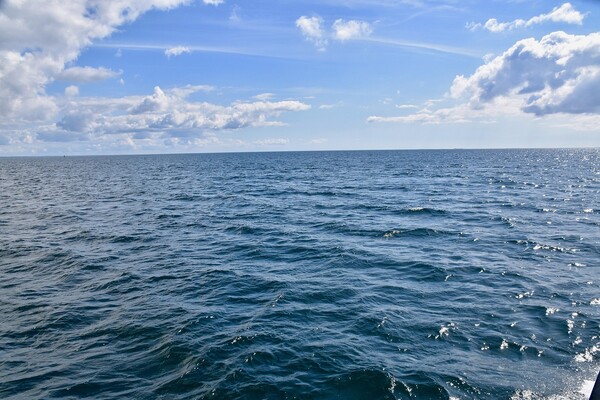
태국이 세계은행과 협력해 해양경제(블루 이코노미) 육성에 나선다. 이를 위해 지속 가능한 해양 기반 사업을 지원하는 국가 최초의 블루본드(Blue Bond) 발행도 검토 중이다. [사진제공(Photo Source) = 픽사베이(Pixabay)]
태국이 세계은행과 협력해 해양경제(블루 이코노미) 육성에 나선다. 이를 위해 지속 가능한 해양 기반 사업을 지원하는 국가 최초의 블루본드(Blue Bond) 발행도 검토 중이다.
세계은행이 최근 발표한 '태국의 혁신적 블루 금융 솔루션(Innovative Blue Financing Solutions in Thailand)' 보고서에 따르면, 태국의 23개 연안 주와 3천㎞에 이르는 해안선, 풍부한 해양 자원은 국내총생산(GDP)의 약 30%, 고용의 약 26%를 차지한다.
그러나 해안 침식, 오염, 남획, 투자 부족 등으로 심각한 위협을 받고 있다. 지난 30년간 해안선의 약 30%가 사라져 13억 달러(약 1조 8천146억 원) 규모의 경제적 손실이 발생했다.
보고서는 투자자 관심과 정책적 의지를 바탕으로, 블루본드가 태국에 적합한 금융 수단이라고 평가했다. 태국의 ESG(환경·사회·지배구조) 채권 발행 잔액은 2023년 6천590억 바트(약 28조 원)로, 2022년 대비 35% 증가했다.
멜린다 굿(Melinda Good) 세계은행 태국·미얀마 담당 국장은 “2026년 10월 세계은행·IMF 연차총회를 앞두고 태국은 풍부한 해양 자원과 블루 이코노미 혁신에서의 리더십을 보여줄 잠재력이 있다”며 “정부의 비전이 사람과 지구에 장기적 이익을 가져오도록 지원하게 돼 자랑스럽다. 이는 새로운 일자리와 생계를 창출하고, 미래 세대를 위해 해양 생태계를 보호하는 데 기여할 것”이라고 말했다.
현재 세계은행은 태국 공공채무관리국(PDMO), 천연자원환경부와 함께 다자 기금 ‘프로블루(PROBLUE)’를 통해 국가 해양 공간계획(MSP) 체계를 개발하고 있다.
이 계획은 자원 이용 갈등을 조정하고, 참여형 정책을 설계하며, 통합적 연안·해양 관리의 경제적 효과를 평가하는 것을 목표로 한다. 향후 공공·민간 투자 의사결정에도 지침이 될 전망이다.
아울러 세계은행은 자연 기반 해법(nature-based solutions)을 활용한 해안 침식 방지와 맹그로브 숲 복원, 지속 가능한 관광, 데이터 기반 해양계정 강화 등을 통한 블루 이코노미 투자 확대 방안을 논의 중이다.
이와 함께 태국의 저탄소 도시(LCC) 프로그램도 지원 중이다. 해당 프로그램은 도시의 탄소 배출 저감과 녹색 인프라 투자를 촉진하는 한편, 맹그로브 복원을 통해 블루 카본 크레딧을 창출할 수 있다. 이를 통해 공공 재정 의존도를 줄이고 민간 투자를 유치해 해안 보호 효과를 강화한다는 구상이다.
전문가들은 이러한 정책이 태국이 추구하는 지속 가능한 해양 기반 개발의 의지를 보여주는 사례라며, 국가의 장기적 환경·경제 목표와도 부합한다고 평가한다.
[원문보기]
World Bank Supports Thailand’s Blue Economy Ambitions with Innovative Financing and Coastal Protection Plans
Thailand is accelerating efforts to unlock the potential of its blue economy, with strong technical support from the World Bank, including plans for the country’s first sovereign blue bond to finance sustainable ocean-based development.
The country’s 23 coastal provinces and 3,000 kilometers of coastline and marine resources account for nearly 30 percent of GDP and about 26 percent of jobs, according to Innovative Blue Financing Solutions in Thailand, a new World Bank report.
Mounting pressures from coastal erosion, pollution, overuse, and underinvestment threaten these resources. Over the past three decades, about 30 percent of the country’s coastlines have eroded, resulting in economic losses of US$1.3 billion.
A readiness assessment highlighted in the report found blue bonds to be a promising instrument for Thailand, supported by growing investor interest and policy momentum. Thailand’s outstanding Environmental, Social and Governance (ESG) bonds reached THB 659 billion (US$20.3) in 2023, a 35 percent increase from 2022.
“As Thailand prepares to host the World Bank Group–IMF Annual Meetings in October 2026, the country has the potential to highlight its rich oceanic resources and its leadership in blue economy innovation,” said Melinda Good, World Bank Division Director for Thailand and Myanmar.
“We are proud to support the government’s vision that delivers long-term benefits for people and the planet—helping to create new jobs and livelihoods while protecting marine ecosystems for future generations.”
The World Bank is providing key technical assistance for Thailand on the blue economy and is working with Thailand’s Public Debt Management Office (PDMO) and the Ministry of Natural Resources and Environment to develop a National Marine Spatial Planning (MSP) Framework through PROBLUE— a multi-donor trust fund that supports the sustainable and integrated development of marine and coastal resources in a healthy ocean.
The framework aims to assess current conditions, resolve conflicts in resource use, design participatory policies, and evaluate the economic impacts of integrated coastal and marine management. It will guide future public and private investment decisions, balancing economic growth with environmental sustainability.
The World Bank is also discussing additional innovative investment solutions for the blue economy with PDMO. These include technical assistance and investments focused on protecting coastal erosion and mangrove restoration through nature-based solutions; supporting sustainable tourism; and strengthening Thailand’s ocean accounts to support data-driven marine spatial planning and blue economy investments.
The Bank is also supporting Thailand’s Low Carbon Cities (LCC) Program, which helps urban centers reduce emissions and invest in green infrastructure. Under the LCC, mangrove restoration efforts can be structured to generate blue carbon credits and reduce reliance on public budgets while attracting private investment to scale coastal protection.
These initiatives reflect Thailand’s commitment to sustainable ocean-based development and align with its long-term environmental and economic goals.
[출처 = 세계은행(World Bank)(https://www.worldbank.org/en/news/press-release/2025/09/01/-world-bank-supports-thailand-s-blue-economy-ambitions-with-innovative-financing-and-coastal-protection-plans) / 2025년 9월 1일]
|  즐겨찾기 추가
 시작페이지로 설정
























