[아프리카] UNEP·ICAO, 아프리카 공항 유해 소화약제 퇴출 프로젝트 출범
8천250만 달러 규모 FIRE 프로젝트… PFAS 없는 대체재 도입
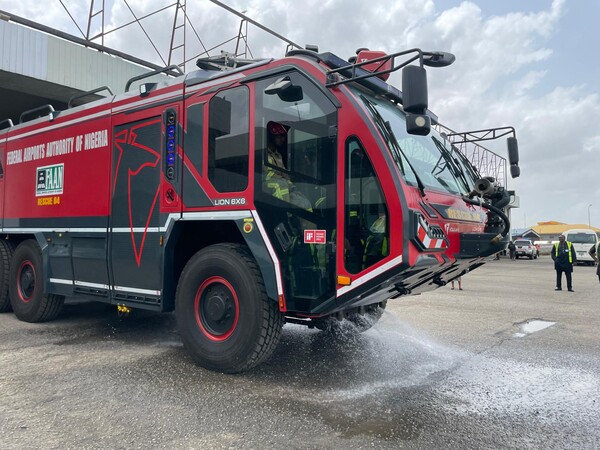
유엔환경계획(UNEP)과 국제민간항공기구(ICAO)가 아프리카 주요 공항에서 불소계 유해 폼 소화약제를 단계적으로 퇴출하는 대규모 프로젝트를 시작했다. [사진제공(Photo Source) = 국제민간항공기구(ICAO)]
유엔환경계획(UNEP)과 국제민간항공기구(ICAO)가 아프리카 주요 공항에서 불소계 유해 폼 소화약제를 단계적으로 퇴출하는 대규모 프로젝트를 시작했다.
8월 19일, 양 기관은 케냐 나이로비(Nairobi)에서 ‘책임 있는 소화 인프라 강화(Fortifying Infrastructure for Responsible Extinguishment, FIRE)’ 프로젝트를 공식 출범했다. 이번 사업은 이집트, 에티오피아, 케냐, 나이지리아, 남아프리카의 주요 공항을 대상으로 불소계 폼 소화약제를 안전한 대체재로 전환하는 것을 목표로 한다.
총 8천250만 달러(약 1천144억 원) 규모의 FIRE 프로젝트는 세계환경기금(GEF)에서 1천만 달러를 지원받고, 나머지 7천250만 달러(약 1,009억 원)는 파트너 공동 재원으로 조성됐다.
사업의 핵심은 ‘영원한 화학물질’로 불리는 PFAS(과불화화합물)를 포함한 소방용 폼을 단계적으로 퇴출하는 방안을 추진하고 있다. PFAS는 인체와 환경에 장기적 피해를 유발하는 대표적 유해물질로 꼽힌다.
아니르 수크데오(Anil Sookdeo) 세계환경기금 수석 화학 전문가는 “FIRE 프로젝트는 특정 산업 부문에 집중된 조치가 가치사슬 전반에서 유해 화학물질 제거를 어떻게 이끌어낼 수 있는지를 보여준다”며 “참여국과 더 넓은 항공 분야가 PFAS 없는 폼 소화약제로 전환하는 계기가 되기를 바란다”고 말했다.
실라 아가르왈-칸(Sheila Aggarwal-Khan) UNEP 산업·경제국장은 “FIRE는 폼 소화약제 공급망에서 가장 해로운 오염물질 중 하나를 제거하도록 각국을 지원하는 중요한 이니셔티브”라며 “환경·건강 보호와 사업 운영의 지속가능성은 양립할 수 있음을 보여준다”고 강조했다.
전문가들은 이번 프로젝트가 참여국과 항공 분야의 PFAS 없는 폼 소화약제 전환을 촉진할 것으로 기대했다. 실제로 프로젝트를 통해 참여 공항들은 불소 없는 폼 소화약제로의 전환을 추진하게 된다. 이를 통해 소방차에서 4천500톤의 PFAS 오염 물질을 제거하고, 130톤의 PFAS 기반 폼 농축액을 안전하게 폐기하는 것이 목표다.
모하무드 게디(Dr. Mohamud Gedi) 케냐공항공사 CEO 겸 전무이사는 “이번 프로젝트는 케냐가 공중 보건과 환경을 보호하겠다는 약속을 실현하는 중요한 진전”이라며 “PFAS 퇴출은 공동체를 지키고 모두를 위한 안전한 미래에 기여하는 길”이라고 밝혔다.
후안 카를로스 살라자르(Juan Carlos Salazar) ICAO 사무총장은 “국제민간항공기구는 전 세계 공항에서 더 안전하고 지속가능한 소방 관행이 채택되도록 지원할 것”이라며 “PFAS 대체재에 대한 접근성을 높이는 것은 수혜국들에 매우 중요한 전환점이 될 것”이라고 말했다.
롤프 파예(Rolph Payet) 바젤·로테르담·스톡홀름 협약 집행비서는 “PFAS는 시급한 국제적 대응이 필요한 보이지 않는 오염 시한폭탄”이라며 “FIRE와 같은 이니셔티브는 협약이 다자 협력과 혁신을 촉진하고, 관행을 변화시켜 더 깨끗한 환경과 건강한 지구를 만드는 과정을 보여준다”고 평가했다.
FIRE 프로젝트는 UNEP이 주관하고 ICAO가 집행하며, 세계환경기금이 자금을 지원한다. 이는 UNEP와 GEF가 함께 추진하는 잔류성유기오염물질(POPs) 감시·퇴출 활동의 일환으로, POPs가 인류 건강과 환경에 미치는 영향을 줄이는 것을 목표로 한다.
[원문보기]
UNEP and ICAO launch $82.5 Million project to eliminate harmful firefighting foams in African airports
The UN Environment Programme (UNEP) and the International Civil Aviation Organization (ICAO) have jointly launched the Fortifying Infrastructure for Responsible Extinguishment (FIRE) project, which aims to phase out the use of toxic fluorinated firefighting foams and replace them with safer alternatives at major airports in Egypt, Ethiopia, Kenya, Nigeria, and South Africa.
FIRE – a $82.5 million initiative with a $10 million grant from the Global Environment Facility (GEF) and $72.5 million in co-financing from partners – will phase out firefighting foams containing PFAS (per- and polyfluoroalkyl substances), hazardous “forever chemicals” linked to serious environmental and health risks.
“The FIRE project shows how sector-focused action can drive the elimination of hazardous chemicals across value chains,” said Anil Sookdeo, Senior Chemicals Specialist, Global Environment Facility (GEF). “The GEF is proud to support this effort, which we hope will inspire both participating countries and the wider aviation sector to transition to PFAS-free firefighting foams.”
“FIRE is an important initiative that empowers countries to eliminate one of the most harmful groups of pollutants found in firefighting foam supply chains,” said Sheila Aggarwal-Khan, Director of UNEP’s Industry and Economy Division.
“It supports a practical transition to safer, accessible, and affordable alternatives, showing that environmental and health protection can go hand in hand with business and operational viability.”
A safe and sustainable transition in airports and beyond
Together with participating airports, FIRE will support the transition from highly toxic firefighting foams to fluorine-free foams while maintaining safety and operational integrity. These efforts are expected to promote safe removal of 4,500 tonnes of PFAS-contaminated material from fire trucks and safe disposal of 130 tonnes of PFAS-based foam concentrate.
"This project marks a significant step forward in Kenya’s commitment to protecting public health and the environment,” said Dr Mohamud Gedi, CEO and Managing Director of Kenya’s Airport Authority. “By phasing out harmful PFAS chemicals from firefighting foams, we are safeguarding our communities and contributing to a cleaner, safer future for all."
“The International Civil Aviation Organization is committed to supporting the adoption of safer and more sustainable firefighting practices at airports worldwide,” said Juan Carlos Salazar, ICAO Secretary General at ICAO. “The facilitation of access to safe alternatives to PFAS foams will be a very significant step for the recipient countries.”
Turning Global Commitments into Action
“PFAS is an invisible pollution time bomb that demands urgent, globally coordinated action before it is too late,” said Rolph Payet, Executive Secretary of the Basel, Rotterdam and Stockholm Convention on Persistent Organic Pollutants.
“The inclusion of several major PFAS under the Stockholm Convention on Persistent Organic Pollutants marks a critical step in international efforts to reduce exposure and environmental contamination. Initiatives like FIRE, which aim to eliminate PFAS from high-risk open applications such as firefighting foams, demonstrate how the Convention fosters multilateral cooperation, drives innovation, and transforms practices—ultimately contributing to a cleaner environment and a healthier planet and people."
The FIRE Project is implemented by UNEP, executed by ICAO, and funded by the Global Environment Facility (GEF). This project is part of a broader set of UNEP-GEF activities dedicated to global monitoring and eliminating the use of Persistent Organic Pollutants (POPs) and reducing the impacts of POPs on human health and the environment.
[출처 = 유엔환경계획(UNEP)(https://www.unep.org/news-and-stories/press-release/unep-and-icao-launch-825-million-project-eliminate-harmful) / 2025년 8월 19일]
|  즐겨찾기 추가
 시작페이지로 설정
























