[영국] 국가가뭄그룹, 물부족 해결 위한 회의 개최…물부족, 국가 중대 사건 선포
현지시각 8월 11일 회의 개최해 가뭄 현황 공유 및 가뭄 계획 이행 촉구
영국, 5개 지역 가뭄 선포 및 6개 지역 가뭄 위험 단계
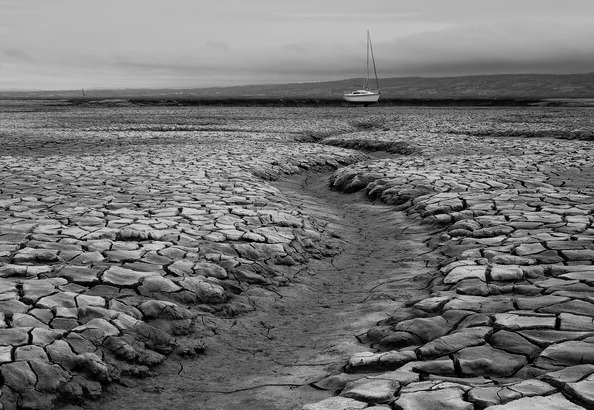
영국 국가가뭄그룹은 현지시각 8월 11일 물부족 해결 위한 회의를 개최해 현재 영국이 직면한 물부족을 '국가 중대 사건'이라고 선포했다. [사진출처 = 언스플래시(Unsplash) Mitchell Orr]
영국 국가가뭄그룹(National Drought Group)은 현지시각 8월 11일 회의를 개최해 영국의 현재 물부족 상황을 '국가 중대 사건(Nationally Significant Incident)'으로 공표했다.
현재 영국은 요크셔(Yorkshire), 컴브리아 및 랭커셔(Cumbria and Lancashire) 일대, 그레이터 맨체스터 머지사이드 및 체셔(Greater Manchester Merseyside and Cheshire) 일대, 이스트 미들랜즈(East Midlands) 웨스트 미들랜즈(West Midlands) 등 5개 지역에 가뭄이 선포됐으며,
노스이스트(Northeast), 링컨셔 및 노샘프턴셔(Lincolnshire and Northamptonshire) 일대, 이스트 앵글리아(East Anglia), 템즈(Thames), 웨식스(Wessex). 솔렌트 사우스 다운즈(Solent and South Downs) 일대 등 6개 지역은 1976년 이후 가장 건조한 6개월을 보내고 있어 가뭄 위험 단계에 직면해 있다.
지난 7월은 폭우와 소나기가 내리는 불안정한 기후에도 불구하고 기록상 다섯 번째로 더운 날씨를 기록했으며, 영국의 많은 강과 저수지의 수위는 전월 대비 지속 감소하고 있다. 저수지의 평균 저수율은 67.7% 수준이며, 이는 6개월 평균 강수량 보다 낮은 수치다.
8월 들어 건조한 날씨가 다시 시작되고 여름 들어 네 번째 폭염으로 인해 영국의 물부족은 가속화되고 있다.
영국 정부(UK GOV), 기상청(Met Office), 규제 기관, 수도기업, 전국농민연합(National Farmers’ Union), 커널 & 리버 트러스트(Canal & River Trust), 환경 보호 전문가 등으로 구성된 국가가뭄그룹은 이번 회의를 통해 각 부문에서 취하고 있는 물절약 조치를 강조했다.
또한 요크셔 워터(Yorkshire Water)는 정원 용수 사용 금지(Hosepipe Ban) 이후 물수요가 10% 감소했다고 보고했다. 이는 최대 8만㎥/일의 물을 절약하는 것과 같으며, 이는 올림픽 규격 수영장 32개를 채울 수 있는 양이다.
물사용량이 줄어들수록 지역 하천의 취수량도 줄어 하천과 야생 동물의 건강을 보호할 수 있다.
헬랜 웨이크햄(Helen Wakeham) 영국 환경청 수자원국장 겸 국가가뭄그룹 의장은 "현재 상황은 국가적으로 심각한 문제이며, 우리는 모든 사람이 각자의 역할을 다하고 수자원 환경에 가해지는 압박을 줄이는 데 동참해 줄 것을 촉구한다"고 강조했다.
이어 "수도기업들은 누수 문제를 신속히 해결하고 물 절약에 앞장서야 하며, 우리는 농부, 기업 등 이해관계자와 협력해 모두가 지속 가능한 방식으로 행동할 수 있도록 계속 노력할 것"이라면서 "이처럼 건조한 날씨 속에서도 물 절약을 위한 제한 조치를 준수해 주신 국민 여러분께 감사드린다. 수도꼭지를 잠그거나 오래된 이메일을 삭제하는 것과 같은 소소하고 일상적인 선택 또한 물수요를 줄이고 강과 야생 동물의 건강을 보존하기 위한 공동의 노력에 큰 도움이 된다"고 덧붙였다.
지난달 강우량 증가로 농부들이 한숨 돌렸지만 여전히 가뭄의 영향권에 있다. 전국농민연합은 올해 물부족이 농업에 큰 영향을 미치고 있다고 지적했다.
최근 강우량은 농부들에게 환영을 받았지만, 농부들이 수확을 계속하는 동안 건조한 날씨의 영향은 여전히 남아 있습니다.
레이첼 할로스(Rachel Hallos) 전국농민연합 부회장은 "영국 농부들은 극심한 가뭄에 계속 직면하고 있으며, 수확이 진행 중이지만 전국적으로 작물 수확량은 엇갈리고 있다. 일부 농장에서는 수확량이 크게 감소했다고 보고하고 있는데, 이는 농업계에 재정적으로 큰 타격을 줄 뿐만 아니라 영국 전체 수확량에도 영향을 미칠 수 있다"고 지적했다.
이어 "농업은 장기 산업이며, 앞으로 몇 달 동안의 상황에 대한 우려가 커지고 있다. 풀이 거의 자라지 않아 많은 축산 농가들이 이미 겨울을 나기 위해 비축한 사료를 사용하고 있어 연말 생산비 상승 위험이 커지고 있다"고 덧붙였다.
할로스 부회장은 "깨끗하고 안정적인 물공급은 식량 생산에 필수적이다. 이번 가뭄 기간 동안 효과적인 것은 허가 제한, 가뭄 허가 및 주문과 관련하여 이해관계자들과 조기에 조율된 소통을 통해 효과를 거두었으며, 이러한 소통이 지속되는 것이 매우 중요하다"면서 "극심한 가뭄과 홍수 사이의 변동을 피하고 식량 생산을 위한 물공급을 확보하기 위해서는 수자원 인프라에 대한 투자와 더욱 효과적인 계획 및 체계가 시급하다"고 강조했다.
건조한 날씨와 낮은 강 수위는 수중 산소량을 감소시켜 물고기 폐사와 녹조 발생 증가로 이어질 수 있다. 또한, 하천유량 감소는 야생동물이 상류나 하류로 이동하는 것을 방해한다.
습지가 건조해지면 습지에 의존하는 생물종에게 치명적인 영향을 미칠 수 있으며, 영국에서는 산불이 증가하고 있다.
윌 랭(Will Lang) 기상청 수석 기상학자는 "이번 주는 잉글랜드와 웨일즈 전역이 최근 들어 더운 날씨가 시작되고 있으며, 남부 일부 지역의 기온은 30℃ 중반까지 오르고 "남부 지역은 대체로 안정적인 기상 상태를 유지하고 있지만, 북서부 지역은 때때로 비나 소나기를 동반하며 기상 상황이 불안정하다"면서 "8월 하반기로 접어들면서 고기압이 형성될 조짐이 보이고 있어 전반적으로 기상 상태가 대체로 안정될 것으로 예상된다. 건조한 날씨가 예상되지만, 비, 소나기, 또는 뇌우 가능성도 배제할 수 없다"고 고 기상 전망을 설명했다.
엠마 하디 환경식품농림부(Defra) 수자원 담당 차관은 "정부는 국가가뭄그룹과 협력해 지속적인 가뭄의 영향을 성공적으로 관리하기 위해 긴급히 대응 태세를 강화하고 있다"고 밝혔다.
이어 "수도기업들은 이제 가뭄 계획을 이행하기 위한 조치를 취해야 한다. 만약 지연될 경우 책임을 묻겠다"면서 "향후 10년 동안 영국은 점점 심화되는 물부족에 직면해 있다. 그렇기 때문에 영국 정부는 변화 계획에 따라 근본적인 개혁을 추진하고 있으며, 여기에는 9개의 저수지 건설과 누수 차단을 위한 새로운 관로 건설에 1천40억 파운드의 민간 투자가 포함된다"고 말했다.
[원문보기]
National Drought Group meets to address “nationally significant” water shortfall
Five areas remain in drought with six more in prolonged dry weather
The National Drought Group met today (Monday 11 August) with the current water shortfall situation in England now defined as a “nationally significant incident.”
Five areas are officially in drought, with six more experiencing prolonged dry weather following the driest six months to July since 1976.
Despite the unsettled weather last month, many river flows and reservoir levels in England continued to recede compared to June.
Rainstorms and showers helped mask the fact that July was still the fifth warmest on record.
August has started to see a return of drier conditions and the fourth heatwave of the summer - putting more pressure on already struggling public water supplies and navigational waterways.
The National Drought Group - which includes the Met Office, government, regulators, water companies, the National Farmers’ Union, Canal & River Trust, anglers, and conservation experts – used the meeting to highlight the water-saving measures each sector is taking.
They also praised the public for reducing their own daily usage, with Yorkshire Water reporting a 10% reduction in domestic demand following their hosepipe ban. This equates to saving up to 80 million litres per day – equivalent to 32 Olympic-sized swimming pools.
The less water that is used, the less needs to be abstracted from local rivers – therefore protecting the health of our waterways and wildlife.
The Environment Agency’s Director of Water and NDG chair, Helen Wakeham said:
The current situation is nationally significant, and we are calling on everyone to play their part and help reduce the pressure on our water environment.
Water companies must continue to quickly fix leaks and lead the way in saving water. We know the challenges farmers are facing and will continue to work with them, other land users, and businesses to ensure everyone acts sustainably.
We are grateful to the public for following the restrictions, where in place, to conserve water in these dry conditions. Simple, everyday choices – such as turning off a tap or deleting old emails – also really helps the collective effort to reduce demand and help preserve the health of our rivers and wildlife.
The recent rainfall has been welcomed by growers, although the impacts from the dry weather remain as farmers continue their harvest.
The National Farmers Union noted how water shortages have impacted the growing season this year.
NFU Vice-President, Rachel Hallos said:
"British farmers and growers continue to face extremely dry conditions, with harvest underway and crop yields proving mixed across the country. Some farms are reporting a significant drop in yields, which is financially devasting for the farm business and could have impacts for the UK’s overall harvest."
"Farming is a long-term industry and there is growing concern about the months ahead. Minimal grass growth means many livestock farmers are already tapping into winter feed stocks, raising the risk of higher production costs later in the year."
"Access to clean, reliable water is essential for food production. What’s worked well during this drought has been early, coordinated communication with stakeholders around licence restrictions and drought permits and orders and it’s crucial this continues."
"To avoid the swing between extreme drought and flooding and to secure water supplies for food production, we urgently need investment in water infrastructure and a more effective planning system."
Periods of dry weather and low rivers reduce oxygen levels in water that can lead to fish kills and more algal blooms. Lower river flows also prevent wildlife from moving up or downstream.
Drying out wetlands can be devastating for species that depend on those habits while England has seen an increase in wildfires, devastating vulnerable areas of heathland and moorland.
The Met Office updated the group on the future weather outlook, noting drier weather has returned.
Chief Meteorologist at the Met Office, Dr Will Lang said:
"This week is starting off warmer than of late across England and Wales with temperatures getting towards the mid-30s Celsius for some in the south."
"While conditions remain mostly settled across the south, the picture is more unsettled further northwest, with rain or showers at times."
"As we move into the second half of August, there are indications of high pressure building and therefore largely settled conditions overall. Although dry weather is more likely, rain, showers or thunderstorms cannot be ruled out."
The heat and climate change also impact human health, through issues such as heatstroke, dehydration, and respiratory problems.
Steve Reed, Secretary of State for Environment, Food and Rural Affairs, and Philip Duffy, Chief Executive of the Environment Agency, have also briefed Pat McFadden, the Chancellor of the Duchy of Lancaster, about the situation.
Speaking after attending the meeting, Water Minister Emma Hardy said:
"Working with the National Drought Group, the Government is urgently stepping up its response to ensure we are successfully managing the impacts of ongoing dry weather."
"Water companies must now take action to follow their drought plans - I will hold them to account if they delay."
"We face a growing water shortage in the next decade. That’s why we are pushing ahead with root and branch reform under our Plan for Change, which includes £104 billion of private investment to build nine reservoirs and new pipes to cut leaks."
CURRENT SITUATION
- Drought has been declared in: Yorkshire, Cumbria and Lancashire, Greater Manchester Merseyside and Cheshire, East Midlands, and the West Midlands.
- Areas in prolonged dry weather (the phase before drought) are: Northeast, Lincolnshire and Northamptonshire, East Anglia, Thames, Wessex, Solent and South Downs.
- The remaining areas are normal: Hertfordshire, London, Kent, Devon and Cornwall.
- Yorkshire Water has a Temporary Usage Ban (TUB aka hosepipe ban) in place for all its customers.
- Thames, South East Water, and Southern Water have postcode-specific bans.
- Reservoirs fell by 2% last week and are now 67.7% full on average across England. The average for the first week of August is 80.5%. Last month, the average was 75.6%
- The lowest reservoirs are Blithfield (49.1%), Derwent Valley (47.2%), Chew Valley Lake (48.3%), Blagdon (46.3%).
- Rainfall in July was 89% of long-term average for the month across England. This is the sixth consecutive month of below average rainfall.
- Across the country, 51% of river flows were normal with the rest below normal, notably low or exceptionally low.
- Two rivers – Wye and Ely Ouse – were the lowest on record for July
- There are currently navigation closures or restrictions across sections of the Leeds and Liverpool, Macclesfield, Trent and Mersey, Peak Forest, Rochdale, Oxford and Grand Union Canal.
ACTIONS BY NATIONAL DROUGHT GROUP MEMBERS
- The UK Health Security Agency is working with the National Drought Group to update its public health impacts of drought guidance
- Water companies are communicating with customers about current risks and advising them how to use water wisely during this dry period.
- Water companies have stepped up action on leakage, with leaks down 41% compared to the level in 1989 when the industry was privatised.
- Over £700 million has been committed by water companies to tackle leaks over the next five years.
- Water companies have committed to reducing leakage by 50% from a 2017-18 baseline by 2050.
- Yorkshire Water reported that repairs of leaks identified by smart meters had saved 1.5 million litres per day.
- Yorkshire Water is fixing over 800 leaks per week.
- Dwr Cymru Welsh Water is fixing over 700 leaks per week.
- Over 500,000 customers with Anglian Water have had leaks identified via their smart meters. This helped the firm reduce leaks by a total of 187 million litres a day, equivalent to 75 Olympic-sized swimming pools.
- Anglian Water’s satellite technology has also helped prioritise leak detection, saving over 320,000 litres of water a day in rural areas, enough to supply 1,000 homes.
- Southern Water has 24,000 acoustic sensors attached to the 15,500km of their water network to help detect leaks.
- In the last 12 months, Southern Water have reduced leaks by almost 20%, saving 138.7 million litres per day.
- Severn Trent has handed out 700 x 1,100 litre bowsers to farmers and several to the West Midlands Safari Park so livestock and animals have water.
- Water-saving messaging has helped reduce demand in the Severn Trent area by 20%, compared to the peak on 11th July.
- United Utilities are repairing more than 800 leaks a week and have seen a 200% increase in reports of leaks from customers.
- United Utilities is offering free home water audits in some areas, with more than 3,700 booked in.
- Thames Water has installed over one million smart meters, which are critical in helping locate leaks.
- Since June, Thames Water has fixed over 1,000 leaks in the region impacted by the hosepipe ban.
[출처 = 영국 정부(UK GOV)(National Drought Group meets to address “nationally significant” water shortfall - GOV.UK) / 8월 12일]
|  즐겨찾기 추가
 시작페이지로 설정
























