[해외연구보고서] 호주 UniSA 연구진, “나무뿌리로 인한 하수관 손상 예방 위한 조기 경보 시스템 필요성 강조”
나무뿌리로 인한 하수관 손상으로 매년 수백만 달러 복구 비용 발생
기존 기계·화학적 제거 방식, 임시적 방편에 불과…토양오염 및 뿌리 재성장 위험
하수관 연식·재질·직경·수종 등 위험요인 분석해 고위험 지역 모델링 제공
'가로수 뿌리 침입 검토 및 예측 분석 활용을 통한 수자원 유틸리티 유지 전략 개선'이라는 제목으로 『지속 가능성(Sustainability)』저널에 게재
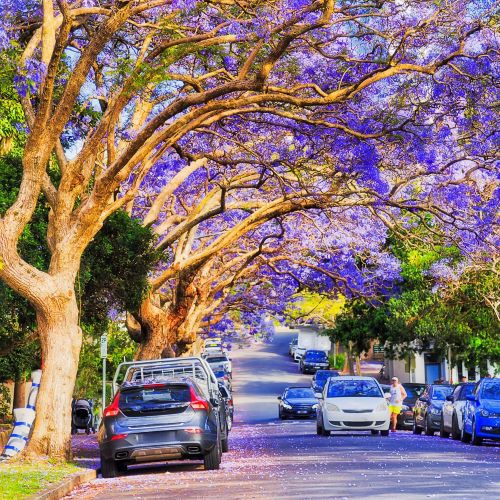
호주 사우스오스트레일리아 대학교(University of South Australia, UniSA)의 연구진은 나무뿌리로 인한 하수관 침투 문제가 매년 수백만 달러의 수리 비용을 초래하고 있다며, 이를 해결하기 위한 관리 방식에 근본적인 변화가 필요하다고 강조했다. [사진제공(Photo Source) = UniSA]
호주 사우스오스트레일리아 대학교(University of South Australia, UniSA)의 연구진은 나무뿌리로 인한 하수관 침투 문제가 매년 수백만 달러의 수리 비용을 초래하고 있다며, 이를 해결하기 위한 관리 방식에 근본적인 변화가 필요하다고 강조했다.
UniSA의 지속 가능한 인프라 및 자원 관리(SIRM)팀이 실시한 새로운 연구에 따르면, 현재의 유지관리 전략은 효과적으로 작동하지 못하고 있으며, 그 결과 반복적인 하수관 막힘, 환경 오염, 피해 비용 증가를 초래하고 있다.
이에 따라 연구진은 피해가 발생하기 전에 고위험 지역을 식별할 수 있도록 예측 분석을 활용한 보다 스마트하고 예방적인 접근 방식을 제안하고 있다.
『지속가능성(Sustainability)』 저널에 '가로수의 뿌리 침입 검토 및 예측 분석 활용을 통한 수자원 유틸리티 유지 전략 개선(Review of Root Intrusions by Street Trees and Utilising Predictive Analytics to Improve Water Utility Maintenance Strategies)'이라는 제목으로게재된 이번 연구에서 UniSA 연구팀은 전 세계의 관련 문헌과 유지관리 사례를 검토한 결과, 기계적 및 화학적 방식으로 나무뿌리를 제거하는 기존의 방법은 최선의 해결책이 아니라는 결론을 내렸다. 나무뿌리는 다시 자랄 수 있으므로 반복적인 피해 복구에 막대한 비용이 발생한다는 점도 함께 지적했다.
호수 사우스오스트레일리아주 상하수도 서비스 기관인 SA 워터(SA Water)는 애들레이드(Adelaide) 지역에서만 2020년 한 해 동안 나무뿌리 침입 사례가 3만 건 이상 발생했다고 보고했으며, 이는 전체 하수관 손상의 약 60%를 차지한다. SA 워터는 매년 하수관 막힘으로 인한 수리 및 유지 보수 비용으로 약 500만 달러를 지출하고 있다.
나무뿌리 침입은 전 세계적으로 공통된 문제로, 각국은 이를 해결하기 위해 매년 수백만 달러의 비용을 지출하고 있다. 현재 사용되는 복구 방식에는 배관 시스템 정비 및 뿌리 성장을 억제하는 기계적 및 화학적 기술뿐 아니라 배관에서 충분히 떨어진 곳에 나무를 심는 등의 예방적 접근도 포함된다.
그러나 이번 연구의 수석 저자인 크리스 차우(Chris Chow) UniSA의 수자원 과학 및 공학(Water Science and Engineering)과 교수는 이러한 기존 대응 방식은 일시적인 해결책에 불과하다고 강조했다.
차우 교수는 "나무뿌리는 전 세계 여러 도시에서 하수관 손상의 가장 흔한 원인"이라며 "뿌리를 제거하거나 화학약품을 사용하는 방식은 영구적인 해결책이 아니며, 화학약품은 토양을 오염시킬 수 있고, 뿌리는 오히려 더 공격적으로 다시 자라나는 경우가 많다"고 설명했다.
이에 따라 연구진은 예측 기반 접근 방식을 제안하고 있다. 즉, 하수관의 연식, 재질, 직경, 토양 유형, 수종, 기후 조건 등 주요 위험 요인을 분석함으로써 수도 사업체가 나무뿌리 문제가 발생할 가능성이 높은 지역을 모델링할 수 있도록 하는 것이다.
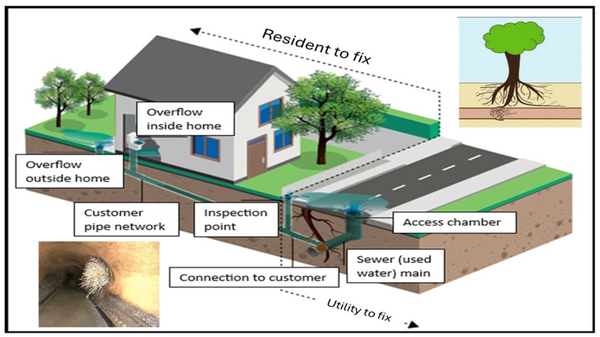
UniSA 연구팀은 전 세계의 관련 문헌과 유지관리 사례를 검토한 결과, 기계적 및 화학적 방식으로 나무뿌리를 제거하는 기존의 방법은 최선의 해결책이 아니라는 결론을 내렸다. [그림출처(picture source) = 『지속 가능성(Sustainability)』 저널]
이번 연구의 제1저자인 올리버 양(Oliver Yang) UniSA 연구 석사 졸업생은 "본질적으로 이는 조기 경보 시스템"이라며 "우리는 고위험 지역을 지도화하고 더 스마트한 수종 선택, 더 나은 배관 재질, 그리고 집중적인 유지 관리 전략을 제시할 수 있다"고 말했다.
현재 배관 손상에 대한 예측 모델은 재질이나 연식에 기반한 것이 대부분이지만 환경적 요인이나 식생 요소를 포함하는 모델은 거의 없다. 연구진은 뿌리, 토양, 수분, 기반시설 간의 복잡한 상호작용을 고려할 때 이러한 격차는 매우 중요하다고 강조한다.
유칼립투스(Eucalyptus), 포플러(Poplars), 버드나무(Willows), 히카란다(Jacarandas) 등 빠르게 자라는 수종은 특히 공격적인 특성을 지니며, 뿌리는 물을 찾아 수 미터까지 퍼질 수 있다. 특히 건조하거나 압축된 토양에서는 침투력이 더욱 강해진다.
반면 팽나무(Hackberry), 바니시 또는 락커 종(Varnish or Lacquer Species,), 브러쉬 박스(Brush Box), 도금양과의 나무(Willow Myrtle) 쿠라종 나무(Kurrajong Trees) 등의 수종은 침투성이 낮아 가로수 식재에 더 적합한 것으로 평가된다.
양 졸업생은 "전 세계적으로 도시들은 매년 같은 문제를 반복해서 해결하느라 수백만 달러를 지출하고 있다"며 "올바른 데이터와 모델링을 활용하면 이러한 문제를 해결할 수 있으며, 비용을 절감하고 기반시설을 보호하면서도 도시 녹지의 혜택은 그대로 누릴 수 있다"고 덧붙였다.
연구진은 지역 특화 연구와 나무, 배관, 토양, 환경 요인을 통합한 지역 맞춤형 예측 도구 개발의 필요성을 강조하고 있다.
[원문보기]
Early warning system could prevent a stink when it comes to street tree roots blocking sewer pipes
Researchers at the University of South Australia are calling for a major shift in how cities manage tree root intrusions into household sewer systems that cost millions of dollars in repair bills each year.
A new study by UniSA’s Sustainable Infrastructure and Resource Management (SIRM) team reveals that current maintenance strategies are falling short, resulting in repeated pipe blockages, environmental contamination, and mounting damage bills.
Instead, the engineering researchers propose a smarter, preventative approach using predictive analytics to identify high-risk areas before damage occurs.
In a new paper published in Sustainability, the UniSA team reviewed global literature and maintenance practices, concluding that removing tree roots using mechanical and chemical measures is not the best solution. Roots can grow back, and the damage is costly to fix.
In Adelaide alone, SA Water reported more than 30,000 cases of tree root intrusion in 2020, accounting for nearly 60% of all sewer failures. Each year, the utility spends approximately $5 million on repair works and maintenance caused by blocked sewer pipes.
Tree root intrusions are a global headache, costing countries millions of dollars each year. Worldwide, remediation options include mechanical and chemical techniques to clear pipe systems and control root growth, as well as proactive approaches such as planting trees well clear of pipes.
But the traditional responses are only temporary fixes, according to UniSA Water Science and Engineering Professor Chris Chow, a senior author on the paper.
“Tree roots are the most common cause of pipe failures in many cities around the world,” Prof Chow says.
“The challenge is that cutting roots or applying chemicals are not permanent solutions. The chemicals can contaminate the soil, and the roots often grow back more aggressively.”
Instead, his team is advocating for a predictive approach, analysing key risk factors – such as pipe age, material, diameter, soil type, tree species and climate conditions – so that water utilities can model where tree root problems are most likely to occur.
“It’s essentially an early warning system,” says lead author Oliver Yang, a Master of Research graduate at UniSA.
“We can map out high-risk zones and guide smarter planting choices, better pipe materials and targeted maintenance,” Yang says.
While predictive models already exist for pipe failures based on material or age, few incorporate environmental or vegetation factors. This gap is significant, the researchers say, given the complex interactions between roots, soil, moisture and infrastructure.
Fast growing species such as eucalyptus, poplars, willows, jacarandas and desert ash are particularly aggressive, with root systems that can spread many metres in search of water – especially in dry or compacted soils.
Trees such as hackberry, varnish or lacquer species, brush box, willow myrtle and kurrajong trees are less intrusive and better choices for street planting.
“Globally, cities are spending millions each year fixing the same problems over and over,” says Yang. “With the right data and modelling, we can address this, saving money, protecting infrastructure and still enjoying the benefits of urban greenery.”
The researchers are calling for more region-specific studies and the development of locally-calibrated predictive tools that incorporate tree, pipe, soil and environmental factors.
‘Review of Root Intrusions by Street Trees and Utilising Predictive Analytics to Improve Water Utility Maintenance Strategies’ is published in Sustainability. DOI: 10.3390/su17125263.
[출처 = 호주 사우스오스트레일리아 대학교(University of South Australia)(https://www.unisa.edu.au/media-centre/Releases/2025/early-warning-system-could-prevent-a-stink-when-it-comes-to--street-tree-roots-blocking-sewer-pipes/) / 2025년 7월 23일]
[연구논문 출처 = 『지속 가능성(Sustainability)』 저널
(Review of Root Intrusions by Street Trees and Utilising Predictive Analytics to Improve Water Utility Maintenance Strategies)
|  즐겨찾기 추가
 시작페이지로 설정
























