[해외연구보고서] “여러 수돗물 오염물질 줄이면 5만건 이상의 암 발병 예방할 수 있다”
미국 비영리 환경단체 ‘환경워크그룹(EWG)’, “비소·크롬-6·기타 오염물질 동시 처리하는 것이 건강에 유익하다”는 사실 밝혀
이번 연구 결과, 미국 주 및 연방정부의 오랜 관행인 수돗물 오염물질 한 번에 하나씩만 규제하는 효과에 의문 제기
EWG 연구진은 『환경 연구(Environmental Research) 저널』에 발표된 논문서 1만7천개 이상 지역사회 상수도 시스템서 10년 이상 축적된 데이터 분석
미국 전역 식수서 6가 크롬·비소가 흔히 발견…2억5천100만 명의 미국인에게 제공된 식수서 6가 크롬이 검출
물에서 6가 크롬·비소·질산염 제거에 가장 효과적인 가정용 정수 시스템은 RO 방식
이온교환 기술, 이러한 오염물질의 수준 낮추는 또 다른 방법
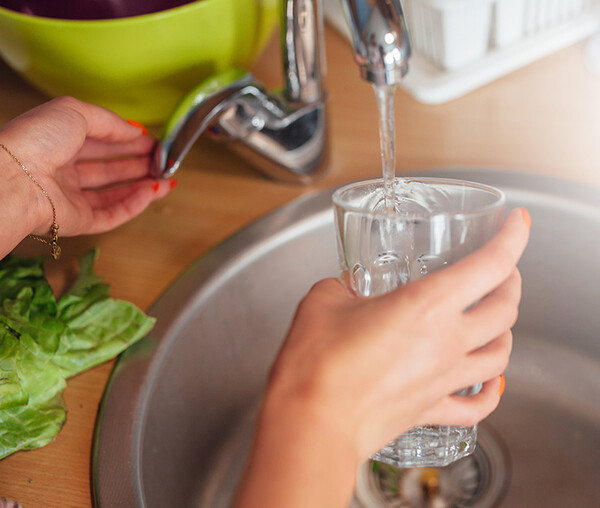
미국의 비영리 환경단체인 환경워킹그룹(EWG) 회원의 새로운 연구에 따르면, 여러 오염물질을 동시에 처리하는 다중 오염물질 처리 방식이 미국에서 평생 5만 건 이상의 암 발생 사례를 예방할 수 있는 것으로 나타났다. [사진출처(Photo source) = 환경워킹그룹(EWG)]
미국의 비영리 환경단체인 환경워킹그룹(Environmental Working Group, EWG) 회원의 새로운 연구에 따르면, 여러 오염물질을 동시에 처리하는 다중 오염물질 처리 방식이 미국에서 평생 5만 건 이상의 암 발생 사례를 예방할 수 있는 것으로 나타났다.
이번 연구 결과는 미국 주 정부와 연방 정부의 오랜 관행인 수돗물 오염물질을 한 번에 하나씩만 규제하는 것의 효과에 의문을 제기하는 것이다.
EWG 연구진은 『환경 연구(Environmental Research) 저널』에 발표된 논문에서 1만7천 개 이상의 지역 사회 상수도 시스템에서 10년 이상 축적된 데이터를 분석했다. 연구진은 비소(Arsenic, As)와 6가 크롬(Chromium-6, Cr6)이라는 두 가지 발암물질이 상수도 시스템에서 함께 발생하는 경우가 많으며, 동일한 기술로 처리할 수 있다는 사실을 발견했다.
6가 크롬 오염이 있는 수계에서 비소 수치를 27%에서 42%까지 낮출 수 있다면, 6가 크롬 수치만 낮추는 것보다 암 발생 건수를 최대 4배까지 줄일 수 있다는 연구 결과가 나왔다.
질산염과 같은 단일 오염물질을 식수에서 처리하는 것은 공중보건에 이점이 있다. 하지만 여러 오염물질을 동시에 처리하면 건강상의 이점이 더욱 커진다. 그리고 이러한 이점은 동시에 처리하는 오염물질의 수와 함께 확대될 수 있다.
EWG의 선임 과학자이자 이 연구의 주저자인 타샤 스토이버(Tasha Stoiber) 박사는 “식수는 대부분 혼합물로 오염되지만, 우리의 규제 시스템은 여전히 한 번에 하나씩 나타나는 것처럼 작동한다”라면서 “이 연구는 여러 오염물질을 함께 처리하면 수만 건의 암 발생을 예방할 수 있음을 보여준다”고 말했다.
미국 전역의 식수에서 6가 크롬과 비소가 흔히 발견된다. 특히 2억5천100만 명의 미국인에게 제공된 식수에서 6가 크롬이 검출되었다.
타샤 스토이버(Tasha Stoiber) 박사는 “동반 발생 오염물질을 해결하는 것이 과학적으로 가장 타당한 접근법이자 공중보건을 보호하는 효율적인 방법”이라고 덧붙였다.
캘리포니아에서만 예방 가능한 암 발생 사례 10건 중 거의 8건이 비소 노출과 관련이 있다.
애리조나, 캘리포니아, 텍사스는 비소 오염에 가장 큰 부담을 안고 있으며, 다중 오염물질 처리 노력으로 가장 큰 혜택을 볼 수 있다.
수질 오염물질의 건강 위험
6가 크롬, 비소, 질산염과 같은 독성 화학물질은 어린이, 임산부, 그리고 지하수에 의존하는 상수도 시스템을 사용하는 소규모 지역 사회 주민들에게 가장 큰 위험을 초래한다.
이러한 지역 사회 주민들에게 물을 공급하는 시스템은 종종 하나의 수원에만 의존하고 있으며, 소규모 지역 사회는 가장 심각한 건강 피해를 겪고 있음에도 불구하고 더 나은 정수 처리를 요구할 자원이 부족하다.

미국 전역의 식수에서 6가 크롬과 비소가 흔히 발견되는데, 특히 2억5천100만 명의 미국인에게 제공된 식수에서 6가 크롬이 검출되었다. [사진출처(Photo source) = 환경워킹그룹(EWG)]
6가 크롬(Chromium-6, Cr6)
영화 ‘에린 브로코비치(Erin Brockovich)’로 악명을 떨친 이 발암물질은 심각한 건강 위험과 관련이 있다. 연구에 따르면 식수에 낮은 농도라도 함유되면 위암, 간 손상, 생식 기능 장애의 위험이 높아질 수 있다.
2008년, 미국 국립 독성학 프로그램(National Toxicology Program)은 물 속 크롬-6에 노출된 실험 동물에서 위암 및 장암 발생률이 훨씬 높다는 사실을 발견했다. 이후 캘리포니아 연구진은 노출된 근로자들에게서 위암 위험이 더 높다는 것을 확인했다.
미국 환경보호청(EPA)은 식수 속 6가 크롬의 양을 제한하지 않고 있다. 6가 크롬과 대부분 무해한 3가 크롬을 포함한 총 크롬 함량을 규제하고 있다. 식수의 총 크롬 함량은 100ppb(10억 분의1)로 정해져 있다.
비소(Arsenic, As)
비소는 미국 50개 주 모두의 식수에서 발견된다. 비소는 자연 퇴적물과 채굴, 살충제 사용과 같은 인간 활동의 결과로 발생한다. 장기 노출은 방광암, 폐암, 피부암을 포함한 심각한 건강 문제와 심혈관계 및 발달 장애와 관련이 있다.
식수 내 비소의 법적 연방 기준치는 10ppb로, 건강에 가장 안전한 기준이 아닌, 오래된 치료비용 추정치를 기반으로 2001년에 설정되었다. 캘리포니아의 공중보건 목표는 0.004ppb에 불과하며, 과학자들은 이 수준이 평생 심각한 암 위험을 초래하지 않는다고 설명한다.
비소는 특정 식품, 특히 쌀과 쌀 기반 제품을 오염시킬 수 있으므로, 전반적인 노출을 줄이기 위해서는 깨끗한 물 기준이 더욱 중요하다.
질산염(Nitrate, NO₃-)
질산염(NO₃-)은 가장 흔한 식수 오염물질 중 하나이며, 특히 농업 지역 하류에서 비료와 분뇨 유출을 통해 상수도로 유입된다. 또한 농장이나 정화조 근처의 개인 우물에서도 발견된다.
식수의 질산염 노출은 대장암, 난소암, 조산, 저체중아 출산, 신경관 결손 등 심각한 건강 위험과 관련이 있다.
미국 환경보호청(EPA)은 1992년 유아에게 많이 발생하는 ‘청색증(메트헤모글로빈혈증, Blue Baby Syndrome)’을 예방하기 위해 질산염 허용 기준을 10ppm(mg/L)으로 설정했다. 하지만 30년 넘게 기준을 개정하지 않았다.
새로운 연구에 따르면 법적 허용 기준보다 훨씬 낮은 수준에서도 암과 출산 관련 질환이 발생할 수 있다. 유럽 연구에서는 질산염 농도가 높을수록 암 위험이 증가한다는 사실을 발견했다.
EWG 선임 과학 분석가이자 이번 연구의 공동저자인 시드니 에반스(Sydney Evans) MPH(공중보건석사)는 “모든 지역사회에 깨끗한 식수를 제공하는 것은 공정성과 형평성에 관한 것”이라고 말했다.
에반스 MPH는 특히 “지하수에 의존하는 미국 지역사회는 이러한 오염물질의 영향을 받는 경우가 많다. 새로운 정수처리 기술은 전반적인 수질을 개선할 수 있는 기회를 제공한다. 이는 행동과 투자의 필요성을 더욱 강화해야 한다”고 강조했다.
더 스마트한 정수 규정 요구
미국 연방정부 규정은 여전히 단일 오염물질 기준으로 정수처리의 비용과 편익을 평가하고 있는데, EWG 보고서는 이러한 모델이 시대에 뒤떨어지고 비효율적이라고 지적한다.
소규모 및 농촌지역의 정수 시스템은 새로운 정수처리 기술을 도입하는 데 드는 1인당 비용이 가장 높은 경우가 많다. 하지만 이러한 시스템은 오염 물질과 관련 위험에 가장 많이 노출되어 있다.
이러한 시스템은 노후화된 기반 시설을 개선하기 위한 자금과 기술 지원이 부족한 경우가 많아 주민들이 심각한 건강 위협에 노출된다. 이러한 취약성은 이러한 지역 사회를 위한 새로운 전략, 즉 자금 지원 확대와 더불어 더욱 효과적인 규제를 요구한다. 예를 들어, 식수에서 6가 크롬과 함께 흔히 발견되는 질산염은 건강 보호를 위한 중요하지만 간과되는 기회를 나타낸다.
EWG 중서부 지부장인 앤 셰칭거(Anne Schechinger)는 “질산염 오염은 특히 중서부 지역뿐 아니라 전국적으로 공중보건의 위기”라면서 “연방 질산염 기준은 수십 년 전 유아 사망을 예방하기 위해 설정되었지만, 이제는 그 구식 기준보다 훨씬 낮은 질산염 농도에서도 암과 출산 합병증이 발생한다는 것을 알게 되었다” 말했다.
앤 셰칭거는 이어 “질산염 수치를 약간만 낮춰도 수백 건의 암 발생을 예방하고 수천만 달러의 의료비를 절약할 수 있다. 특히 6가 크롬과 비소와 같은 다른 오염 물질에 대한 치료와 병행한다면 더욱 그렇다”라면서 “무행동에는 실질적인 비용이 따른다. 우리의 건강과 지갑은 더 나은 치료를 기다릴 여유가 없다”고 역설했다.
질산염 수치만 20%만 낮춰도 매년 130건의 암 발생을 예방하고 3천500만 달러(약 481억 원)의 의료비를 절약할 수 있다. 이온 교환 및 역삼투와 같이 이미 사용되고 있는 검증된 기술은 질산염, 6가 크롬, 비소를 동시에 제거할 수 있다.
EWG의 최고과학책임자(CSO) 대행인 데이비드 앤드류스(avid Andrews) 박사는 “이것은 깨끗한 물 그 이상의 문제이다. 건강을 보호하고 형평성을 증진하는 것”이라면서 “미국의 고장난 식수 시스템을 고칠 수 있는 공학적 해결책은 있지만, 사람들이 수돗물을 사용할 때 직면하는 현실을 반영하는 주 및 연방 정책이 필요하다”고 강조했다.
수돗물에 함유된 화학물질에 대해 우려하는 소비자는 오염물질 노출을 줄이기 위해 정수 필터를 설치할 수 있다. 물에서 6가 크롬, 비소, 질산염을 제거하는 데 가장 효과적인 가정용 정수 시스템은 역삼투압(Reverse Osmosis, RO) 방식이다. 또한 이온교환 기술(Ion exchange technology)은 이러한 오염물질의 수준을 낮추는 또 다른 방법이다.
EWG의 정수 필터 가이드에는 사용 가능한 옵션에 대한 자세한 정보가 포함되어 있다. 정수 필터를 제때 교체하는 것이 중요하다. 오래된 필터는 박테리아를 포함하고 오염물질을 통과시키기 때문에 안전하지 않다.
EWG의 전국 수돗물 데이터베이스(Tap Water Database)를 검색하여 수돗물에서 검출된 오염물질을 확인할 수도 있다.
미국의 환경워킹그룹(EWG)은 사람들이 더 건강한 환경에서 더 건강한 삶을 살 수 있도록 지원하는 비영리·비당파 단체이다. EWG는 연구, 옹호 활동, 그리고 독창적인 교육 도구를 통해 소비자의 선택권과 시민 행동을 촉진하고 있다.
[원문보기]
EWG: Reducing multiple tap water contaminants may prevent over 50,000 cancer cases
Study shows health benefits of tackling arsenic, chromium-6 and other pollutants at once
WASHINGTON - Drinking water treatment that pursues a multi-contaminant approach, tackling several pollutants at once, could prevent more than 50,000 lifetime cancer cases in the U.S., finds a new peer-reviewed study by the Environmental Working Group.
The finding challenges the merits of regulating one tap water contaminant at a time, the long-standing practice of states and the federal government.
In the paper, published in the journal Environmental Research, EWG scientists analyzed more than a decade of data from over 17,000 community water systems. They found that two cancer-causing chemicals - arsenic and hexavalent chromium, or chromium-6 - often appear together in systems and can be treated using the same technologies.
If water systems with chromium-6 contamination also reduce arsenic levels to a range from 27% to 42%, it could avoid up to quadruple the number of cancer cases compared to just lowering chromium-6 levels alone, the study finds.
Treatment of drinking water for one contaminant, such as nitrate, has advantages for public health. But tackling multiple contaminants at once increases the health benefits. And those benefits can expand along with the number of pollutants treated at the same time.
“Drinking water is contaminated mostly in mixtures, but our regulatory system still acts like they appear one at a time,” said Tasha Stoiber, Ph.D., a senior scientist at EWG and lead author of the study. “This research shows that treating multiple contaminants together could prevent tens of thousands of cancer cases.”
Chromium-6 and arsenic are commonly found in drinking water across the U.S. Chromium-6 has been found in drinking water served to 251 million Americans.
“Addressing co-occurring contaminants is scientifically the most sound approach, as well as an efficient way to protect public health,” added Stoiber.
In California alone, nearly eight out of 10 preventable cancer cases are linked to arsenic exposure.
Arizona, California and Texas bear the highest burden of arsenic pollution and would gain the most from multi-contaminant water treatment efforts.
Health risks of water contaminants
Toxic chemicals like chromium-6, arsenic and nitrate pose the greatest risks to children, pregnant people and those living in smaller communities served by water systems relying on groundwater.
Systems serving these populations often rely on only one water source and the smaller communities lack the resources to demand better treatment, despite facing the most serious health harms.
Chromium-6
This cancer-causing chemical made infamous by the film “Erin Brockovich” is linked to serious health risks. Studies show even low levels in drinking water can increase the risk of stomach cancer, liver damage and reproductive harm.
In 2008, the National Toxicology Program found much higher rates of stomach and intestinal tumors in lab animals exposed to chromium-6 in water. California researchers later confirmed a higher risk of stomach cancer in workers who had been exposed.
The Environmental Protection Agency does not limit the amount of chromium-6 in drinking water. It does regulate total chromium, which includes chromium-6 and the mostly harmless chromium-3. Total chromium is set at 100 parts per billion, or ppb, for drinking water.
Arsenic
Arsenic is found in drinking water in all 50 states. It occurs in natural deposits and as a result of human activities such as mining and pesticide use. Long-term exposure is linked to serious health issues, including bladder, lung and skin cancers, as well as cardiovascular and developmental harm.
The legal federal limit for arsenic in drinking water is 10 ppb, set in 2001 based on outdated cost estimates for treatment, not on what’s safest for health. California’s public health goal is just 0.004 ppb, the level scientists say would pose no significant cancer risk over a lifetime.
Arsenic can also contaminate certain foods, especially rice and rice-based products, making clean water standards all the more important for reducing overall exposure.
Nitrate
Nitrate is one of the most common drinking water contaminants, especially downstream from agricultural areas where it enters water supplies through fertilizer and manure runoff. It’s also found in private wells, often near farms or septic systems.
Exposure to nitrate in drinking water is linked to serious health risks, including colorectal and ovarian cancer, very preterm birth, low birth weight, and neural tube defects.
The EPA set the nitrate limit at 10 parts per million in 1992 to prevent “blue baby syndrome.” But it hasn’t updated the standard in over 30 years. New research shows cancer and birth-related harms can occur at levels far below the legal limit. European studies have found increased cancer risks at nitrate levels more than 10 times lower than the EPA limit.
“Ensuring clean drinking water for all communities is about fairness and equity,” said Sydney Evans, MPH, EWG senior science analyst and a co-author of the new study.
“Communities in the U.S. that rely on groundwater are often affected by these contaminants. New water treatment technologies offer a chance to improve water quality overall. This strengthens the case for action and investment.”
Call for smarter water rules
Federal regulations still evaluate the cost and benefit of water treatment on a one-contaminant basis, a model EWG’s report calls outdated and inefficient.
Small and rural water systems often face the steepest per-person costs to implement new treatment technologies. But they’re among the most exposed to pollutants and associated risks.
These systems frequently lack the funding and technical support to upgrade aging infrastructure, leaving residents exposed to serious health threats. This level of vulnerability calls for new strategies for these communities - a boost in funding coupled with more effective regulations.
For example, nitrate, often found alongside chromium-6 in drinking water, represents a major but overlooked opportunity for health protection.
“Nitrate pollution is a public health crisis, particularly in the Midwest but also across the country,” said Anne Schechinger, EWG’s Midwest director. “The federal nitrate limit was set decades ago to prevent infant deaths, but we now know see cancer and birth complications at levels of nitrate far below that outdated standard.”
“Even lowering nitrate slightly could prevent hundreds of cancer cases and save tens of millions of dollars in health care costs, especially when paired with treatment for other contaminants, such as chromium-6 and arsenic,” she said. “There’s a real cost to inaction - our health and our wallets can’t afford to wait for better treatment.”
Reducing nitrate levels alone by 20% could prevent 130 cancer cases each year and save $35 million in health care costs. Proven technologies like ion exchange and reverse osmosis, already used today, can remove nitrate, chromium-6 and arsenic at the same time.
“This is about more than clean water - it’s about protecting health and advancing equity,” said David Andrews, Ph.D., acting chief science officer at EWG. “We have the engineering solutions to fix the broken drinking water system in the U.S., but we need state and federal policies to reflect the reality people face when they turn on the tap.”
Consumers concerned about chemicals in their tap water can install a water filter to help reduce their exposure to contaminants. The home filter system that’s most effective for removing chromium-6, arsenic and nitrate from water is reverse osmosis. Ion exchange technology is another option for reducing levels of these contaminants.
EWG’s water filter guide contains more information about available options. It is crucial to change water filters on time. Old filters aren't safe, since they harbor bacteria and let contaminants through.
People can also search EWG’s national Tap Water Database to learn which contaminants are detected in their tap water.
Abut EWG(Environmental Working Group)
The Environmental Working Group is a nonprofit, non-partisan organization that empowers people to live healthier lives in a healthier environment. Through research, advocacy and unique education tools, EWG drives consumer choice and civic action.
[출처=환경워킹그룹(Environmental Working Group, EWG)(https://www.ewg.org/news-insights/news-release/2025/07/ewg-reducing-multiple-tap-water-contaminants-may-prevent-over) / 2025년 7월 8일]
|  즐겨찾기 추가
 시작페이지로 설정
























