[WHO 보고서] 안전한 식수·위생 시스템 지원 위한 54건의 병원균 배경 문서 공개
WHO, 병원균 상당수가 식수·오염된 음식·손·환경 통해서도 전파
장출혈성 대장균·콜레라균·살모넬라균·이질균·아데노바이러스·A형 간염 등이 10대 주요 병원균
6월21일 네덜란드서 열린 ‘제22회 건강 관련 수질 미생물학 컨퍼런스(WaterMicro25)’서 발표
새 문서, 물·위생 또는 둘 모두를 통해 위험 초래하는 병원균에 대한 자세한 개요 제공…10대 수질 관련 병원균 효과적으로 통제 가능
안전하지 않은 물, 부적절한 위생시설, 열악한 위생(WASH)은 매일 수십억 명에게 유해한 병원균 노출시켜
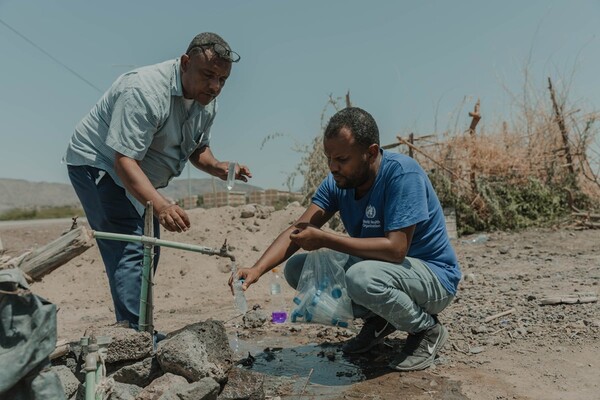
세계보건기구(WHO)는 수인성 질병에 대한 국제적 노력을 강화하기 위해 54건의 WASH 관련 병원균 관련 새로운 기술 배경 문서를 발표했다. 이 요약본은 배경 자료와 함께 6월 21일 네덜란드에서 개최되는 ‘제22회 건강 관련 수질 미생물학 컨퍼런스(WaterMicro25)’에서 발표됐다. [사진출처(Photo source) = 세계보건기구(WHO)]
세계보건기구(WHO)는 수인성 질병에 대한 국제적 노력을 강화하기 위해 54건 WASH(Water, Sanitation, Hygien, 물·위생시설 ·위생) 관련 병원균 관련 새로운 기술 배경 문서를 발표했다. 이 문서는 6월 21일 네덜란드에서 열린 ‘세계 수생미생물학 컨퍼런스(Global Water Microbiology Conference)에서 발표되었으며, 식수 및 위생 시스템과 관련된 병원균에 대한 최신 과학 정보를 담고 있다.
안전하지 않은 물, 부적절한 위생시설, 그리고 열악한 위생(WASH)은 매일 수십억 명의 사람들을 유해한 병원균에 노출시키고 있다. 이러한 체계적인 실패는 매년 140만 건 이상의 예방 가능한 사망을 초래하며, 특히 어린아이들에게 큰 영향을 미친다.
새로 발표된 문서는 물, 위생시설, 또는 두 가지 모두를 통해 위험을 초래하는 병원균에 대한 자세한 개요를 제공한다. WHO는 전통적으로 수인성으로 간주되지 않았지만 식수를 통한 전파 가능성에 대한 의문이 제기된 여러 병원균에 대한 문서를 포함시켰다.
각 배경 문서는 최신 과학 정보를 간략하게 요약을 제공한다. 여기에는 인체 건강에 미치는 영향, 질병 양상, 전파 경로, 그리고 배설물 오염원에 대한 정보가 포함된다.
이 자료는 또한 이러한 병원균이 물 순환의 다양한 부분을 포함한 환경에서 어떻게 발생하는지, 그리고 식수 및 위생 시스템 내에서 어떻게 탐지, 예방 및 관리되는지에 대한 자세한 정보를 제공한다.
이 기술 자료에는 또한 주요 위협을 조명하고, 관련 인식을 제고하며, 배경 문서에 제시된 증거와 조치에 대한 명확한 소통을 지원하기 위해 개발된 10대 수질 및 위생 관련 병원균 목록이 포함되어 있다. 잘 관리된 위생 및 식수 시스템은 이러한 10대 수질 관련 병원균을 효과적으로 통제할 수 있다.
이 요약본은 배경 자료와 함께 6월 21일 네덜란드에서 개최되는 ‘제22회 건강 관련 수질 미생물학 컨퍼런스(WaterMicro25)’에서 발표됐다.
질병 부담 데이터, WASH 전파 증거, 항생제 내성 등의 우려를 바탕으로, 10대 주요 병원균에는 △설사원성 및 장출혈성 대장균(Diarrhoea genic and Enterohaemorrhagic Escherichia coli), △콜레라균(Vibrio cholerae), △살모넬라균(Salmonella spp), △이질균(Shigella), △캄필로박터균(Campylobacter), △크립토스포리디움균(Cryptosporidium), △로타바이러스(Rotavirus), △노로바이러스(Norovirus), △아데노바이러스(Norovirus), △A형 간염(Hepatitis A)이 포함된다.
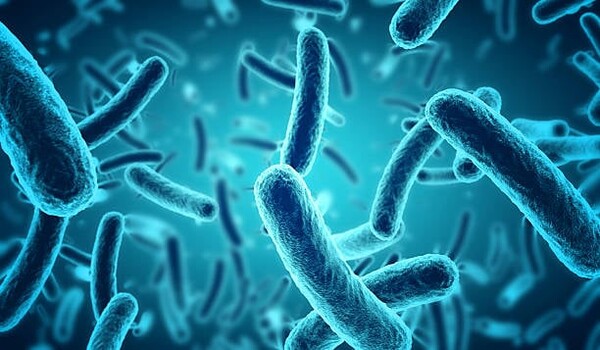
장출혈성 대장균·콜레라균·살모넬라균·이질균·아데노바이러스·A형 간염 등이 10대 주요 병원균이다. [사진출처(Photo source) = 세계보건기구(WHO)]
WHO의 브루스 고든(Bruce Gordon) 물·위생·보건국 책임자는 “우리는 사람들을 아프게 하는 원인을 알고 있으며, 이를 막는 방법도 알고 있다”라면서 “안전한 식수, 위생 시스템, 그리고 강력한 규제는 공중보건의 기반이지만, 여전히 수백만 명이 이러한 시스템에 대한 접근성을 확보하지 못하고 있다. 중요한 것은 모든 국가가 각자의 능력에 맞춰 노력하며, 이러한 병원균을 막기 위해 시스템을 점진적으로 개선해 나가는 것”이라고 강조했다.
전 세계적인 문제, 예방 가능한 부담
이러한 병원균의 상당수는 식수뿐만 아니라 오염된 음식, 손, 환경을 통해서도 전파된다. 관리가 부실한 위생 시스템, 신뢰할 수 없는 물 공급, 그리고 동물 배설물 노출은 모두 전염의 원인이 된다.
콜레라, 로타바이러스, 장티푸스, A형 간염 등 일부 질병에 대한 백신이 있지만, 대부분은 △물안전 계획 △위생안전 계획 △음용수에 및 위생에 대한 효과적인 규제 △발병 조기 감지를 위한 하·폐수 감시 등 장기적인 WASH 투자를 통해서만 예방할 수 있다.
■ 물 안전 계획 WHO 음용수 수질 지침(Drinking water quality standards)은 음용수 공급의 안전성과 수용성을 지속적으로 보장하는 가장 효과적인 수단으로 ‘물 안전 계획(Sanitation safety planning, WSP)’을 권장한다.
WSP는 취수원에서 소비자까지 물 공급의 모든 단계를 포함하는 위험 평가와 우선순위가 높은 위험에 초점을 맞춘 위험 관리 통제 조치의 이행 및 모니터링을 요구한다.
위험을 즉시 해결할 수 없는 경우, WSP 접근 방식을 통해 시간이 지남에 따라 체계적으로 점진적인 개선을 구현할 수 있다. WSP는 공중보건 맥락에서 시행되어야 하며, 명확한 건강 기반 목표에 부응하고 독립적인 감시를 통해 품질을 점검해야 한다.
WSP는 모든 유형과 규모의 급수 시스템에 적용 가능하며, 모든 사회경제적 환경에 효과적으로 적용될 수 있다. WSP 접근법은 안전한 식수 공급을 위한 모범 사례로 전 세계적으로 점점 더 많이 채택되고 있다.
■ 위생 안전 계획 위생 안전 계획(Sanitation Safety Planning, SSP)은 WHO에서 지역 차원에서 위생 및 보건 지침과 하·폐수, 배설물 및 중수도의 안전한 사용에 대한 지침을 이행하기 위해 권장하는 접근법이다.
이 두 번째 판에는 SSP 절차를 간소화하고, 안전한 최종 사용 단계가 있거나 없는 모든 시스템에 대한 위생 및 보건 지침을 준수하며, 기후 위험을 반영하기 위한 업데이트가 포함되어 있다.
SSP는 다음과 같은 기능을 하는 위생 시스템을 위한 위험 기반 관리 도구이다. 첫째, 위생 사슬(즉, 변기, 격납, 저장·처리, 운반, 처리, 최종 사용 또는 폐기) 전반에 걸쳐 건강 위험을 체계적으로 식별하고 우선순위를 지정하는 데 도움이 된다.
둘째, 위험에 따라 위생 시스템 관리 및 투자를 안내한다. 운영 모니터링 우선순위와 가장 높은 위험을 목표로 하는 규제 감독 메커니즘을 파악한다.
셋째, 위생 관련 제품 및 서비스의 안전성에 대한 당국과 대중의 확신을 제공한다.
■ 하·폐수 및 환경 감시 하·폐수 및 환경 감시(Wastewater and environmental surveillance, WES)는 하수 또는 인간의 하·폐수에 의해 영향을 받은 기타 환경 수역에서 채취한 샘플을 이용하는 질병 감시이다.
WES는 다른 질병 감시 방식과 함께 정보를 제공하여 다른 감시 데이터의 공백을 메우고 공중보건 대응에 필요한 정보를 제공할 수 있는 잠재력을 가지고 있다. WES는 소아마비 박멸 프로그램에서 수년간 성공적으로 활용되어 왔으며, 최근에는 ‘코로나19(COVID-19)’ 팬데믹 대응에도 활용되고 있다.
WHO는 협력적 감시 방식의 일환으로 하나 이상의 병원체에 대한 WES 지침 및 역량 개발을 추진하고 있다. WES 투자는 다음과 같은 목표에 집중된다. WES 데이터는 지역적 맥락에서 중요한 공중보건 문제에 대한 실행 가능한 정보를 제공하고, 기술 및 운영 측면에서 실행 가능한 방법을 제공하며, WES가 윤리적 및 법적으로 허용 가능하고, 다른 목표 및 임상 감시와의 통합을 통해 효과적으로 최적화될 수 있다.
WHO의 물·위생·위생 부문 수석 역학자인 소피 보이슨(Sophie Boisson) 박사는 “모든 병원균을 차단할 수 있는 효과적인 WASH는 백신 접종에 필수적인 보완책이다”라면서 “효과적인 WASH는 바이러스, 박테리아, 원생동물 기생충 등 50가지 이상의 수인성 병원균 전파를 막는 다양한 장벽을 제공한다”고 말했다.
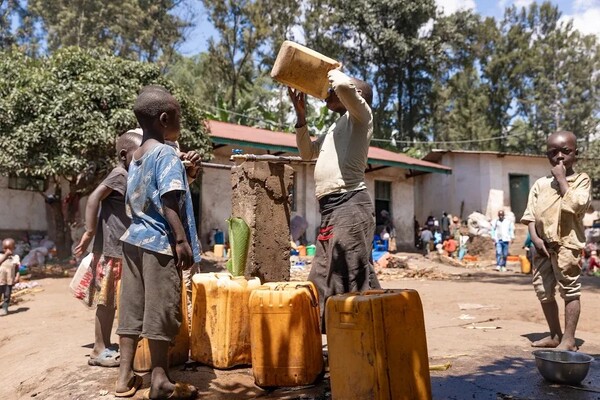
안전하지 않은 물, 부적절한 위생시설, 그리고 열악한 위생(Water, Sanitation, Hygiene, WASH)은 매일 수십억 명의 사람들을 유해한 병원균에 노출시키고 있다. 이러한 체계적인 실패는 매년 140만 건 이상의 예방 가능한 사망을 초래하며, 특히 어린아이들에게 큰 영향을 미친다. [사진출처(Photo source) = 유엔워터(UN Water)]
WHO의 행동 촉구
새로운 기술 배경 문서는 WHO의 위생 및 보건 지침 또는 식수 수질 지침에 대한 보조 정보이다. 이 문서들은 공중보건 종사자들이 물 및 위생 시스템의 위험을 더욱 효과적으로 평가하고 관리할 수 있도록 돕기 위해 마련되었다.
WHO는 WHO·유니세프의 물 공급, 위생 및 위생 공동 모니터링 프로그램(JMP)과 유엔-워터(UN-Water)의 세계 위생 및 식수 분석 및 평가(Global Analysis and Assessment of Sanitation and Drinking Water, GLAAS)와 같은 국제적인 노력을 통해 각국이 WASH 기준을 개발하고, 인력 역량을 구축하고, 진행 상황을 모니터링할 수 있도록 지원한다.
WHO는 가장 중요한 병원균과 이를 막을 수 있는 시스템을 파악함으로써 질병 예방을 근본적으로 강화하고자 한다.
보이슨 박사는 특히 “이제 공중보건 전략을 물과 위생 현실에 맞춰 조정해야 할 때”라면서 “병원균 전파의 근본 원인을 해결하지 않으면 질병 발생을 예방하기보다는 오히려 대응에 그치게 될 것”이라고 강조했다.
[원문보기]
WHO publishes 54 pathogen background documents to support safe water and sanitation systems
In a move to strengthen global efforts against waterborne disease, WHO has released 54 WASH-related pathogens new technical background documents - announced yesterday at a global water microbiology conference in the Netherlands - that capture the latest science on pathogens linked to drinking-water and sanitation systems.
Unsafe water, inadequate sanitation and poor hygiene (WASH) continue to expose billions of people to harmful pathogens every day. These systemic failures are responsible for more than 1.4 million preventable deaths each year, disproportionately affecting young children.
The newly published documents offer a detailed overview of pathogens that pose a risk through water, sanitation, or both. WHO has included documents for several pathogens not traditionally considered waterborne, but for which questions have been raised about possible transmission through drinking-water.
Each background document provides a concise summary of the current science. This includes information on human health impacts, disease patterns, modes of transmission, and sources of faecal contamination.
The profiles also detail how these pathogens occur in the environment - including in various parts of the water cycle - and how they are detected, prevented, and managed within drinking-water and sanitation systems.
The technical package also features a list of the top 10 water- and sanitation-related pathogens, developed to spotlight priority threats, raise awareness and support clear communication of the evidence and actions outlined in the background documents. Well-managed sanitation and drinking-water systems will effectively control WASH-related pathogens, including these top 10.
This summary, along with the background documents, is being launched at WaterMicro25, the 22nd Health Related Water Microbiology Conference today, in the Netherlands.
Based on burden of disease data, evidence of WASH transmission and concerns such as antimicrobial resistance, the Top 10 pathogens include diarrhoea genic and enterohaemorrhagic Escherichia coli, Vibrio cholerae, Salmonella spp., Shigella, Campylobacter, Cryptosporidium, rotavirus, norovirus, adenovirus and hepatitis A.
“We know what’s making people sick and we know how to stop it,” said Bruce Gordon, Head of WHO’s Water, Sanitation, Hygiene and Health Unit.
“Safe drinking-water, sanitation systems and strong regulations are the foundation for public health - yet millions still lack access to them. A key is for all countries to work within their means and make gradual improvements within their systems to stop these pathogens.”
A global problem, a preventable burden
Many of these pathogens are transmitted not just through drinking-water, but also through contaminated food, hands and the environment. Poorly managed sanitation systems, unreliable water supply and exposure to animal waste all contribute to transmission.
Although vaccines exist for some of these diseases - including cholera, rotavirus, typhoid and hepatitis A - most remain preventable only through long-term WASH investments, such as:
water safety planning
The WHO Guidelines for drinking-water quality recommend water safety plans (WSPs) as the most effective means of consistently ensuring the safety and acceptability of a drinking-water supply.
WSPs require a risk assessment including all steps in water supply from catchment to consumer, followed by implementation and monitoring of risk management control measures, with a focus on high priority risks.
Where risks cannot be immediately addressed, the WSP approach allows for incremental improvements to be implemented systematically over time. WSPs should be implemented within a public health context, responding to clear health-based targets and quality-checked through independent surveillance.
WSPs are adaptable to all types and sizes of water supply, and can be effectively applied in all socioeconomic settings. The water safety planning approach is increasingly being adopted globally as best practice for the provision of safe drinking-water.
Sanitation Safety Planning
Sanitation safety planning (SSP) is the approach recommended by WHO to support the implementation of the Guidelines on sanitation and health and guidelines on safe use of wastewater, excreta and greywater at the local level. This second edition includes updates to simplify the SSP process, align with the guidelines on sanitation and health for all systems with or without a safe end use step, and incorporate climate risks.
SSP is a risk-based management tool for sanitation systems that:
helps with systematically identifying and prioritizing health risks along the sanitation chain - that is, toilet, containment?storage/treatment, conveyance, treatment, and end use or disposal.
guides management and investments in sanitation systems according to risk.
identifies operational monitoring priorities and regulatory oversight mechanisms that target the highest risks; and provides assurance to authorities and the public on the safety of sanitation-related products and services.
Wastewater and environmental surveillance
Wastewater and environmental surveillance (WES) is disease surveillance using samples from sewage, or other environmental waters impacted by human wastewater. WES has potential to provide information alongside other forms of disease surveillance to fill gaps in other surveillance data and inform the public health response. WES has been successfully used for many years in the polio eradication programme and more recently in the COVID-19 pandemic response.
WHO is working on guidance and capacity development for WES, for one or more pathogen, as part of a collaborative surveillance approach with a focus on guiding WES investment to targets where; WES data provides actionable information for significant public health challenges in the local context, where methods are technically and operationally feasible, where WES is ethically and legally acceptable, and where WES can be effectively optimized though integration with other targets and clinical surveillance.
Pilot versions of the pathogen agnostic prioritization guidance and the first six WES pathogen summary sheets can be downloaded below (in English, French, Russian and Spanish).
“Effective WASH, which can stop all pathogens, is an essential complement to vaccination,” said Dr Sophie Boisson, Lead Epidemiologist in WHO’s Water, Sanitation and Hygiene Unit. “Effective WASH provides the multiple barriers that stop transmission of over 50 waterborne pathogens - viruses, bacteria and protozoan parasites.”
WHO’s call to action
The background documents are supporting information for WHO’s Guidelines on sanitation and health and/or the Guidelines for drinking-water quality. They are intended to help public health practitioners assess and manage risks in water and sanitation systems more effectively.
WHO supports countries to develop WASH standards, build workforce capacity and monitor progress through global efforts such as the WHO/UNICEF Joint Monitoring Programme for Water Supply, Sanitation and Hygiene (JMP) and the UN-Water Global Analysis and Assessment of Sanitation and Drinking-Water (GLAAS).
By identifying the pathogens that matter most - and the systems that can stop them - WHO aims to strengthen disease prevention from the ground up.
“It’s time to align public health strategies with water and sanitation realities,” added Boisson. "Without addressing the root causes of pathogen transmission, we will keep responding to outbreaks rather than preventing them."
[출처 = 세계보건기구(WHO)(https://www.who.int/news/item/21-06-2025-who-publishes-54-pathogen-background-documents-to-support-safe-water-and-sanitation-systems) / 2025년 6월 21일]
|  즐겨찾기 추가
 시작페이지로 설정
























