[OECD-UNDP 보고서] “야심찬 기후계획이 2100년까지 세계 GDP 최대 13% 증가할 수 있다”
기후 목표, 국가 개발전략에 통합함으로써 각국은 생산성·혁신·에너지 안보 강화할 수 있어
기후변화에 대응하기 위한 노력 강화 시급…야심찬 기후 계획 채택 시 수익성도 있어
더욱 과감한 기후 행동 덕분에 2050년까지 최대 1억7천500만 명이 극심한 빈곤에서 벗어날 수 있을 것으로 추산
OECD-UNDP, ‘성장과 발전 위한 기후에 대한 투자 : 국가 결정 기여 강화 사례(NDCs)’ 보고서 발표
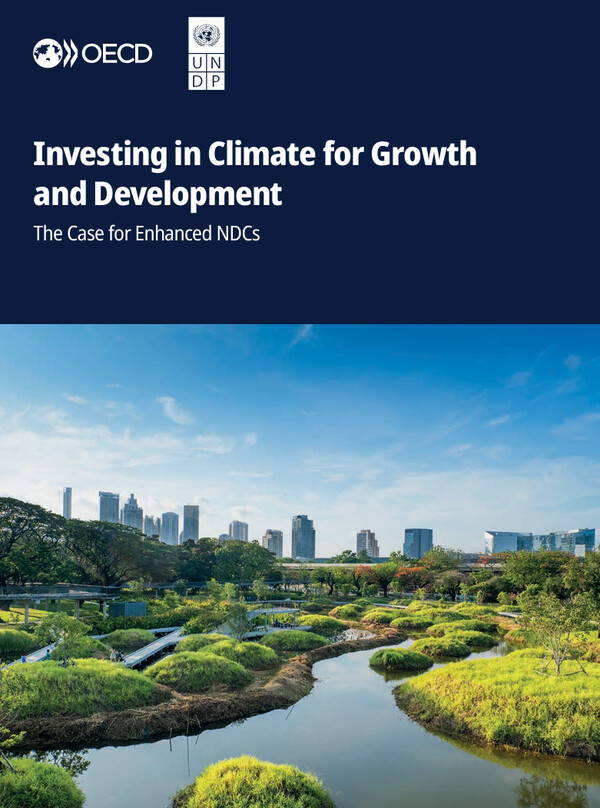
국제협력개발기구(OECD)와 유엔개발계획(UNDP)가 공동으로 6월 10일 발간한 ‘성장과 발전을 위한 기후에 대한 투자 : 국가 결정 기여 강화 사례(Investing in Climate for Growth and Development : The Case for Enhanced Nationally Determined Contributions, NDCs)’ 보고서 표지. [사진출처(Photo source) = 국제협력개발기구(OECD)]
국제협력개발기구(OECD)와 유엔개발계획(UNDP)가 최근 공동으로 발간한 새로운 공동 보고서는 “기후변화에 대한 노력을 강화하는 것이 시급할 뿐만 아니라 수익성도 높아 세계 각국이 더 야심찬 기후 계획을 채택하면 오는 2100년까지 세계 국내총생산(GDP)이 최대 13%까지 증가할 수 있다”고 밝혔다.
OECD와 UNDP가 공동으로 6월 10일 발간한 ‘성장과 발전을 위한 기후에 대한 투자 : 국가 결정 기여 강화 사례(Investing in Climate for Growth and Development : The Case for Enhanced Nationally Determined Contributions, NDCs)’ 보고서에 따르면, 강력한 이행과 투자 계획에 의해 뒷받침되는 야심찬 기후 목표는 경제적 기회를 제공하고, 투자를 촉진하며, 지속 가능한 개발과 성장을 지원하는 동시에 저공해 전환을 촉진시킬 수 있다고 밝혔다.
이 보고서는 기후 정책을 경제적 및 사회적 우선순위와 일치시키면 전 세계 GDP 증가, 빈곤 감소 가속화, 에너지 안보 개선 및 건강 결과 개선으로 이어질 수 있음을 보여준다.
지난 10년 동안 글로벌 기후 행동(Global Climate Action)이 크게 진전된 반면, 청정 에너지 투자가 화석연료를 넘어섰고, 탄소중립(Net-Zero) 목표가 현재 세계 경제의 거의 90%를 차지하고 있어 추가적인 진전이 필요하다고 보고서는 지적한다. 2024년 전 세계 배출량은 새로운 최고치를 기록했으며, 첫 해 평균 기온은 1.5℃를 넘어섰다.
![‘향상된 NDC’ 시나리오 하에서 기후 피해 감소로 인한 경제적 편익 피해 추정법을 통해 현재 정책 대비 회피된 세계 GDP 손실(%). [출처 = OECD/UNDP(2025년), 성장과 개발을 위한 기후 투자 : NDCs 강화의 필요성 [그림출처(picture source) = 국제협력개발기구(OECD)]](https://cdn.waterjournal.co.kr/news/photo/202506/81551_56000_53.jpg)
‘향상된 NDC’ 시나리오 하에서 기후 피해 감소로 인한 경제적 편익 피해 추정법을 통해 현재 정책 대비 회피된 세계 GDP 손실(%). [출처 = OECD/UNDP(2025년), 성장과 개발을 위한 기후 투자 : NDCs 강화의 필요성 [그림출처(picture source) = 국제협력개발기구(OECD)]
파리협정(Paris Agreement)에 따라 각국은 온실가스 배출을 더욱 줄이고 ‘국가적으로 결정된 기여(Nationally Determined Contribution,s NDCs)’를 통해 기후 영향과 위험에 적응하기 위해 5년마다 새로운 기후 계획을 제출해야 한다.
2025년 ‘국가적 결정 기여(NDCs)’ 보고서는 각국의 집단적 야망을 높일 수 있는 시의적절한 기회를 제공한다. 올해 5월 말까지 22개국이 새로운 NDCs를 제출했으며, 오는 11월 브라질 벨렘(Belem)에서 열리는 ‘제30차 유엔기후변화협약 당사국총회(COP30)’를 앞두고 더 많은 NDCs가 제출될 것으로 예상된다.
OECD-UNDP 공동보고서는 강력한 실행 프레임워크가 잘 설계되고 뒷받침된다면, 향상된 NDCs가 어떻게 포괄적인 경제 성장을 가속화하고 배출량을 줄일 수 있는지를 분석했다.
이 시나리오에서는 2022∼2040년 사이에 전 세계 GDP가 약 60% 성장할 것으로 예상되며, 현재 정책 시나리오의 지속에 비해 2040년에는 0.2% 더 높을 것으로 예상된다.
기후로 인한 사건의 위험을 줄일 경우 경제적 손실을 피할 수 있다는 점을 고려할 때 장기적으로 기후 야망에 대한 경제적 사례는 더욱 강력해질 수 있다.
OECD 모델링에 따르면 NDCs 야망이 강화되는 시나리오는 2050년까지 세계 GDP를 최대 3%, 2100년까지 최대 13%까지 끌어올릴 수 있는 것으로 나타났다.
현재 모델은 빙상 및 빙하가 녹거나 해양 순환 패턴이 역전되는 등 중요한 기후 변환점(Climate Tipping Point)을 넘어설 경우 발생할 수 있는 부정적인 경제적, 사회적 영향을 고려하지 않기 때문에 이러한 예측은 전체적인 이점을 과소 평가할 가능성이 높다. 이러한 부정적 영향은 기후 시스템에 돌이킬 수 없고 심각한 변화를 초래할 수 있다.
![‘SDG Push 3.0’ 시나리오 대비 ‘공정하고 저탄소적인 경로’ 시나리오(2050년) 변화. [출처 = OECD/UNDP(2025년), 성장과 개발을 위한 기후 투자 : NDCs 강화의 필요성. [그림출처(picture source) = 국제협력개발기구(OECD)]](https://cdn.waterjournal.co.kr/news/photo/202506/81551_56001_536.jpg)
‘SDG Push 3.0’ 시나리오 대비 ‘공정하고 저탄소적인 경로’ 시나리오(2050년) 변화. [출처 = OECD/UNDP(2025년), 성장과 개발을 위한 기후 투자 : NDCs 강화의 필요성. [그림출처(picture source) = 국제협력개발기구(OECD)]
OECD 마티아스 코르만(Mathias Cormann) 사무총장은 “이러한 증거는 각국이 기후 야망을 높이는 동시에 성장, 개발, 회복력을 지원할 수 있음을 보여주는 것”이라면서 “올바른 정책이 시행되면 야심찬 기후 목표는 공공 및 민간 투자를 저배출 미래와 일치시키고 빈곤을 줄이며 에너지 안보를 촉진하는 데 도움이 될 수 있어 더욱 야심차고 투자 가능하며 실행 가능한 기후 전략의 경제적 타당성은 분명하다”고 강조했다.
UNDP 아힘 슈타이너(Achim Steiner) 사무총장은 “이 보고서는 더 깨끗하고 친환경적인 경제로의 전환이 GDP 성장을 저해하는 것이 아니라 오히려 촉진할 수 있음을 보여준다”라고 말했다.
아힘 슈타이너 사무총장은 특히 “미래를 내다보면 녹색경제가 산업, 교통, 에너지 시스템 등을 주도할 것이라는 점은 분명하다”라면서 “UNDP의 기후 약속(Climate Promise)을 통해 강화된 ‘국가적 결정 기여(NDCs)’ 보고서는 파리협정과 기후협약에 대한 확고한 의지를 보여주는 것이며, 개발과 성장, 그리고 진보를 촉진하기 위한 야심찬 투자와 현명한 투자를 의미한다”고 역설했다.
기후 행동은 GDP 성장을 넘어 다른 긍정적인 경제 및 사회적 결과를 가져올 수 있다. 이 보고서에 따르면, 기후와 개발 전략을 통합하면 2050년까지 극빈층 인구 5명 중 1명이 더 큰 재정적 안정으로 이동하는 데 도움이 될 수 있다.
청정 에너지, 저공해 교통, 그리고 더 나은 도시 계획에 대한 투자는 특히 화석연료 관련 오염으로 인한 건강 부담이 여전히 높은 저소득 및 중산층 국가에서 공기질을 향상시킬 수 있다.
이 보고서는 국가들이 이러한 이점을 실현할 수 있도록 2025 NDCs 주기를 위한 일련의 전략적 우선순위를 제시하고 있다.
여기에는 △정부 전반의 고위급 정치적 공약 구축, △국가 및 지역 차원에서 기후 목표와 개발 목표의 일치, △초기 단계부터 민간 부문 참여, △공공 재정 및 국제 지원의 최적화와 활용, △공공 및 국제 금융 기관 강화, △전환의 영향을 가장 많이 받는 사람들을 지원하는 포용적 접근 방식 확보 등이 포함된다.
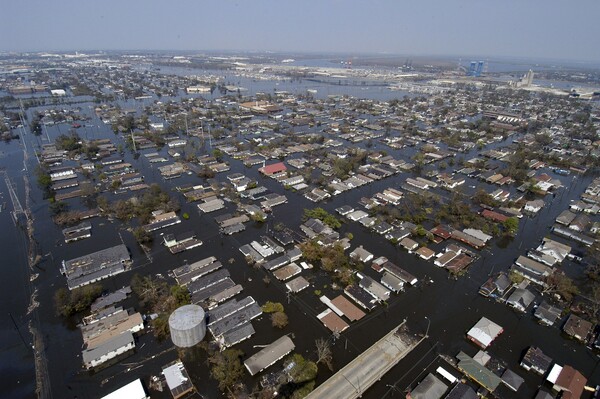
국제협력개발기구(OECD)와 유엔개발계획(UNDP)가 최근 공동으로 발간한 새로운 공동 보고서는 “기후변화에 대한 노력을 강화하는 것이 시급할 뿐만 아니라 수익성도 높아 세계 각국이 더 야심찬 기후 계획을 채택하면 2100년까지 세계 국내총생산(GDP)이 최대 13%까지 증가할 수 있다”고 밝혔다. [사진출처(Photo source) = 유엔환경계획(UNEP)]
OECD는 정책 분석, 역량 강화, 그리고 국제 대화를 통해 각국이 기후 공약의 설계 및 이행을 강화할 수 있도록 지속적으로 지원하고 있다.
세계 각국이 오는 11월 브라질 벨렘(Belem)에서 열리는 ‘제30차 유엔기후변화협약 당사국총회(COP30)’를 준비하고 있는 가운데, 이 보고서는 기후 목표가 어떻게 현재와 미래 세대의 장기적인 번영과 지속가능성의 토대가 될 수 있는지에 대한 시의 적절한 통찰력을 제공한다.
이 보고서는 6월 11일부터 13일까지 독일 베를린(Berlin)에서 열리는 글로벌 NDC 회의( Global NDC Conference)에서 발표되었다.
OECD는 100여 개국과 협력하는 글로벌 정책 포럼으로, 전 세계 사람들의 개인의 자유를 보호하고 경제적, 사회적 복지를 증진하기 위한 정책을 추진하고 있다.
[원문보기]
Accelerated climate action can be a driver of growth and development
Ambitious climate targets that are underpinned by robust implementation and investment plans can provide economic opportunities, unlock investment, and support sustainable development and growth, while facilitating low-emission transitions, according to a new joint report by the OECD and the United Nations Development Programme (UNDP).
Investing in Climate for Growth and Development: The Case for Enhanced Nationally Determined Contributions (NDCs) shows that aligning climate policies with economic and social priorities can lead to higher global GDP, accelerated poverty reduction, improved energy security and better health outcomes.
While climate action has progressed significantly over the past decade ? clean energy investment has surpassed that of fossil fuels, and net-zero targets now cover almost 90% of the global economy - the report points out that further progress is needed. Global emissions reached a new high in 2024, and average temperatures exceeded 1.5°C for the first full year.
Under the Paris Agreement, countries are required to submit new climate plans every five years to further reduce greenhouse gas emissions and adapt to climate impacts and risks through Nationally Determined Contributions (NDCs).
The 2025 round of NDCs provides a timely opportunity to lift countries’ collective ambition. By the end of May, 22 countries had submitted their new NDCs, with many more expected to be put forward ahead of the UN Climate Change Conference (COP30) in November.
The OECD-UNDP report analyses how enhanced NDCs, if well-designed and supported by strong implementation frameworks, can simultaneously accelerate inclusive economic growth and reduce emissions.
Under this scenario, global GDP is projected to grow by around 60% between 2022-40 and would be 0.2% higher in 2040 compared to a continuation of the current policy scenario.
The economic case for climate ambition becomes even stronger in the long run when considering avoided economic losses if the risks of climate-induced events are reduced. OECD modelling indicates that a scenario in which NDC ambition is enhanced could raise global GDP by up to 3% by 2050 and up to 13% by 2100.
These projections likely still underestimate the full benefits, as current models do not account for the alternative: negative economic and social impacts of crossing critical climate tipping points - such as melting ice sheets or reversing ocean circulation patterns - that could trigger irreversible and severe changes to the climate system.
“The evidence shows that countries can support growth, development, and resilience while raising climate ambition,” OECD Secretary-General Mathias Cormann said.
“With the right policies in place, ambitious climate targets can help align public and private investment with a low-emissions future, reduce poverty, and promote energy security. The economic case for more ambitious, investable, and implementable climate strategies is clear.”
"This report shows that the transition towards cleaner, greener economies can actually spur GDP growth - not hinder it,” UNDP Administrator Achim Steiner said. “As we look to the future, it is clear that green economies will drive industry, mobility, energy systems, and more. Enhanced NDCs, helped along by UNDP’s Climate Promise, are therefore a resounding commitment to the Paris Agreement and the Climate Convention to raise ambition and a smart investment in driving development, growth, and progress.”
Climate action can bring other positive economic and social outcomes beyond GDP growth. The report finds that integrating climate and development strategies could help one in five people in extreme poverty move to greater financial security by 2050.
Investments in clean energy, low-emission transport and better urban planning would also improve air quality, especially in low- and middle-income countries, where the health burden from fossil fuel-related pollution remains high.
To help countries realise these benefits, the report outlines a set of strategic priorities for the 2025 NDC cycle. These include building high-level political commitment across government, aligning climate and development goals at both the national and local levels, engaging the private sector from the outset, optimising and leveraging public finance and international support, strengthening public and international financial institutions, and ensuring inclusive approaches that support those most affected by the transition.
The OECD continues to support countries in strengthening the design and delivery of their climate commitments through policy analysis, capacity building, and international dialogue.
As countries prepare for COP30 in Belem, Brazil, this report offers timely insights into how climate ambition can serve as a foundation for long-term prosperity and the sustainability of current and future generations.
The report will be presented at the Global NDC conference, taking place from 11-13 June in Berlin, Germany.
For further information and media enquiries, journalists are invited to contact Elisabeth Schoeffmann (+33 1 85 55 44 06) in the OECD Media Office (+33 1 45 24 97 00).
Working with over 100 countries, the OECD is a global policy forum that promotes policies to preserve individual liberty and improve the economic and social well-being of people around the world.
[출처=국제협력개발기구(OECD)(https://www.oecd.org/en/about/news/press-releases/2025/06/investing-in-climate-for-growth-and-development-the-case-for-enhanced-ndcs.html) / 2025년 6월 10일]
[보고서 원문=https://www.oecd.org/en/publications/investing-in-climate-for-growth-and-development_16b7cbc7-en/full-report.html]
|  즐겨찾기 추가
 시작페이지로 설정
























