[해외사례] 미 INL, 쿠웨이트 미군 캠프에 물재생시스템(WRS) 설치로 물 가용성 높여
아이다호 국립연구소(INL), 캠프 뷰링의 샤워기·세면대서 사용한 물을 정화 후 변기에 재사용
변기로 흘러 내려간 모든 물은 하수도 시스템 통해 기지서 떨어진 인공 석호로 보내져 처리
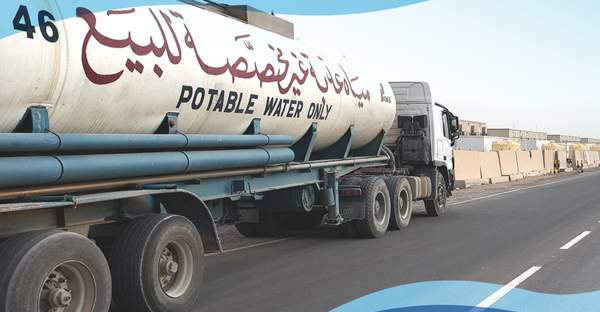
미국의 에너지, 국가 안보, 과학, 환경 분야에서 연구를 수행하는 아이다호 국립연구소(INL)는 쿠웨이트 북부에 위치한 미군 기지 캠프 뷰링(Camp Buehring)의 물부족 문제를 해결하기 위해 물재생 시스템(WRS)을 설치, 물을 재활용하여 급수 트럭 운행 횟수를 줄이고 있다. [사진출처(Photo source) = 아이다호 국립연구소(INL)]
이라크 국경에서 불과 20마일(약 32km) 떨어진 쿠웨이트 북부에 위치한 미군 기지 캠프 뷰링(Camp Buehring)은 우물, 강 또는 기타 쉽게 접근할 수 있는 수원이 없다는 도전에 직면해 있다.
이 건조한 지역에서 물은 귀한 자원이다. 군인들은 샤워, 식수, 화장실에 필요한 물을 트럭에 의존하여 운반한다. 이 지역의 연평균 강수량이 152.4mm(6인치) 미만이고, 겨울에는 21.1∼26.7℃(70∼80℉)에서 여름에는 42.2∼46.1℃(108∼115℉)에 달하는 기온을 기록하기 때문에 수자원 관리는 생존에 매우 중요하다.
미국의 에너지, 국가 안보, 과학, 환경 분야에서 연구를 수행하는 아이다호 국립연구소(Idaho National Laboratory, INL)의 제레미아 길버트(Jeremiah Gilbert) 분산 에너지 전력 시스템 엔지니어와 그의 동료 연구원들은 물 재생 시스템(Water Reclamation System, WRS)을 고안 및 설치하여 캠프의 물문제를 해결해주고 있다.
길버트 엔지니어는 “캠프 뷰링 근무자들은 기지 내에서 사용할 물이 부족해 모든 물을 끌어 와야 한다”라면서 “비용이 매우 많이 들 수 있기 때문에 물을 재활용할 수 있는 방법을 모색하고 싶었다. 우리의 목표는 군인들에게 물 복원력을 높여 기지에서 자급자족할 수 있는 군대의 임무를 지원하는 것이었다”라고 말했다.
길버트 엔지니어와 동료 연구원들은 미국 국방부(Department of Defense, DOD)로부터 이 지역의 두 군사 기지에 대한 에너지 평가를 수행하기 위한 자금을 지원받았다.
이번 프로젝트 매니저이자 시스템 연구 엔지니어인 마이크 셔틀리프(Mike Shurtliff)는 “우리는 캠프 뷰링 근무자들을 면밀히 검토하여 에너지 사용량을 개선하거나 줄일 수 있는 방법을 모색했다”라면서 “에너지와 비용을 절약할 수 있는 방법에 대한 여러 제안을 작성했다”고 말했다.
수용된 제안 중 하나는 물재생 시스템(Water Reclamation System, WRS)을 설치하는 것이었다. 이러한 시스템은 물을 재활용하여 물 운반 트럭의 운행 횟수를 줄일 수 있었다.
셔틀리프 엔지니어는 “미국 육군 규정에 따라 정에 따라 소비 및 사용에 필요한 모든 물은 통제된 수원에서 공급되어야 한다”고 말했다.
쿠웨이트의 물은 대부분 국내 담수화 시설에서 생산하여 공급된다. 이러한 시설에서 생산된 물은 육군 기준을 충족하는지 확인하기 위해 현장에서 테스트했다.
셔틀리프 엔지니어는 “캠프 뷰링 기지에서 확인한 바에 따르면, 기지의 복원력을 향상시키는 방법 중 하나는 물 재생이었다”고 라면서 “샤워기와 세면대에서 물을 끌어와 정화한 후 변기에 재사용하는 물재생 시스템을 설계하는 것이 우리의 제안이었다”고 말했다.
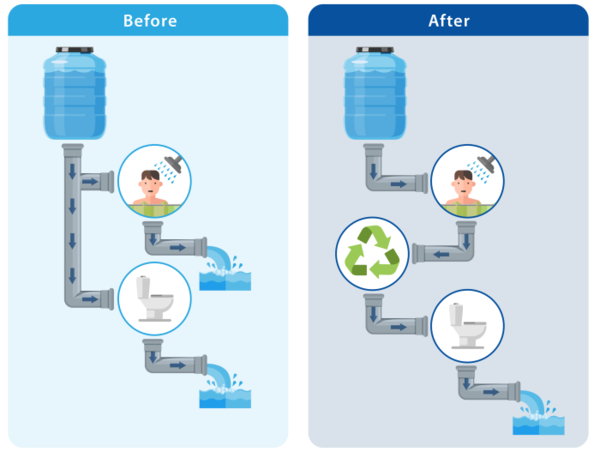
아이다호 국립연구소(INL)가 설계하여 캠프 뷰링에 설치한 물재생 시스템(WRS) 공정도(오른쪽). [그래픽 출처(graphic source) = 아이다호 국립연구소(INL)]
캠프 뷰링에서 사용되는 물은 배수구로 흘러 들어가 사실상 유실된다. 물재생 시스템(WRS)은 단일 사용량을 제거하여 기지의 물 가용성을 높일 수 있다.
미 국방부는 비용을 절감하고 기지의 물 복원력을 높이기 위해 이 제안에 자금을 지원했다. 아이다호 국립연구소(INL) 연구팀은 기존 여과 시스템을 살펴보고 해당 분야를 전문으로 하는 그레이터(Greyter)에 연락했다.
셔틀리프 엔지니어는 “그레이터는 주택과 아파트에 다양한 물 재생 시스템을 구축해 왔다”라면서 “그들의 제품은 중수도(Grey water)를 여과하고 정화할 수 있도록 설계되었다. 식수로는 사용할 수 없지만, 화장실이나 세탁에 사용할 수 있다”고 말했다.
셔틀리프는 이어 “우리 연구팀은 그레이터에 연락하여 기본 시스템을 구매, 아이다호 폴스 지역 기업인 다이버시파이드사(Diversified Inc.)와 협력하여 물재생 시스템을 보관할 이동식 저장 탱크를 맞춤 제작했다. 덕분에 배송, 연결, 운영 준비가 용이했다”고 말했다.
중수도는 싱크대, 샤워기, 세탁기 및 이와 유사한 공급원에서 나오지만 일반적으로 비누나 세제와 같은 화학물질이 포함되어 있다. 물 재사용 과정이 최대한 간단하고 효과적이기 위해서는 하·오수(Black water)와 중수도(Grey water)를 섞을 수 없다.
특히 사람의 배설물과 유해 박테리아, 병원균이 포함된 하·오수는 더욱 철저한 정화 과정이 필요하다.
그러나, 아이다호 국립연구소(INL) 엔지니어들이 실행 가능한 물재생 시스템을 설계하는 동안, 이 시스템을 쿠웨이트에 설치하는 데 어려움이 있었다.
셔틀리프 엔지니어는 “물재생 시스템(WRS)은 ‘코로나19’가 발생했을 때 바로 캠프 뷰링에 도착했다. 하지만 여행 금지 조치로 인해 약 1년 반 동안 방문할 수 없었다”라면서 “운송 중에 염소 정제 용기의 밀봉이 벗겨져 운송 컨테이너 안의 모든 것이 염소에 노출되었으며, 캠프에 도착하여 용기를 열었을 때쯤에는 회로기판과 표면을 포함한 대부분의 금속이 부식되어 있었다”고 말했다.
팀은 현장에서 WRS를 청소 및 수리하고 샤워실과 화장실에 연결했다. 그러나 WRS가 설치된 직후, 기존 화장실을 설치했던 계약업체가 서비스를 중단하고 해당 시설을 철거했다. 이에 따라 팀은 군 행정부와 협력하여 다른 계약업체가 설치한 두 개의 다른 화장실에 시스템을 연결하여 신속하게 대응했다.
캠프의 급수는 트럭으로 운반되어 식수 탱크로 펌핑되어 샤워와 손 씻기에 사용되며, 배수된 물은 중수도 집수 탱크로 보내진다. 그곳에서 WRS로 펌프질되어 여과 과정을 거친 후 염소와 혼합되어 저장 탱크에 저장된다.
화장실에 도착하기 전에, 물이 인체에 안전한지 확인하기 위한 추가 조치로 자외선 조사 과정을 거친다. 이후 물은 화장실, 식물 물주기, 먼지 제거 및 기타 식수로 불가능한 용도로 사용할 수 있다. 변기로 흘러내린 모든 물은 하수 시스템을 통해 기지 외부의 인공 석호로 보내져 처리된다.
길버트 엔지니어는 “WRS는 성공적이었다”라면서 “군에서는 마실 수 있는 물을 만들기 위해 추가적인 정화 단계를 거치는 데 관심을 보이고 있다”고 강조했다.
아이다호 국립연구소(INL)는 1년간 WRS를 관리한 후, WRS 유지관리를 육군에 인계했다. 이 프로젝트는 INL이 전 세계 국방부의 회복탄력성 및 자립 목표를 지원하기 위해 군 시설에 대한 솔루션을 혁신하고 구현하는 한 가지 사례에 불과하다.
셔틀리프 엔지니어는 “이 시범 프로젝트의 성공을 바탕으로 더 많은 프로젝트를 개발할 수 있기를 바란다”라고 말했다.
아이다호 국립연구소(INL)는 배텔 에너지 얼라이언스(Battelle Energy Alliance)는 미국 에너지부 원자력 에너지국(Office of Nuclear Energy)을 대신하여 INL을 관리하고 있다. INL은 미국 원자력 연구 개발의 중심지이며, 에너지부의 전략적 목표 영역인 에너지, 국가 안보, 과학, 환경 분야에서 연구를 수행한다.
[원문보기]
Water resiliency at Camp Buehring: INL’s innovative water reclamation system
Camp Buehring, a United States military base nestled in northern Kuwait just 20 miles from the Iraqi border, faces a challenge: there are no wells, rivers or other easily accessible sources of water.
In this arid region, water is a precious commodity. Soldiers rely on trucks to deliver the water they need for showers, drinking and flushing toilets. With an average annual rainfall of less than six inches and temperatures ranging from 70-80 degrees Fahrenheit in winter to a scorching 108-115 degrees in summer, managing water resources is crucial for their survival.
“They have to bring in all their water,” said Jeremiah Gilbert, a distributed energy power systems engineer at the Idaho National Laboratory (INL). “It can get really expensive, so we wanted to look at ways they could recycle water. Our goal was to create water resiliency for the troops and support the military’s mission to have their bases be more self-sufficient.”
Gilbert and his fellow researchers received funding from the Department of Defense (DOD) to perform an energy assessment of two military bases in the area.
“We went through the bases looking for ways they could improve or reduce their energy use,” said Mike Shurtliff, the project manager and a systems research engineer. “We wrote several proposals on how they could save energy and money.”
One of the accepted proposals was to install a water reclamation system (WRS). These systems recycle water, reducing the number of water truck trips.
Shurtliff said Army regulations require that all water provided for consumption and use must come from a controlled source. Water in Kuwait is largely provided by in-country desalination plants. The water from those plants is tested on-site to ensure it meets Army standards.
“One of the ways to improve their resilience, based on what we saw at the bases, was to reuse water,” said Shurtliff. “Our proposal was to design a water reclamation system that would take water from showers and sinks, clean it and reuse it to flush toilets.”
Water used at Camp Buehring goes down the drain and is effectively lost. The WRS eliminates single usage, increasing the base’s water availability. DOD funded the proposal to cut costs and increase the base’s resiliency. The team looked at existing filtration systems and reached out to Greyter, a company that specializes in that area.
“Greyter has done a lot of water reclamation systems for housing and apartments,” said Shurtliff. “Their units are designed to filter and clean gray water. It’s not considered potable (consumable), but the reclaimed water can be used for toilets or laundry. We contacted Greyter and were able to purchase their base system. We worked with Diversified Inc., a local Idaho Falls company, to custom-build a transportable storage container to house the water reclamation system so that it could be delivered, easily connected and ready to operate.”
Gray water comes from sinks, showers, washing machines and similar sources. It generally contains chemicals like soaps and detergents. For the water reclamation process to be as simple and effective as possible, black and gray water can’t mix. Black water, which contains human waste and harmful bacteria and pathogens, requires a more substantial cleansing process.
While the INL engineers designed a workable reclamation system, getting the system to Kuwait and installing it there posed challenges.
“The water reclamation system arrived at Camp Buehring right around when COVID hit,” said Shurtliff. “With the travel bans, we couldn’t go visit for about a year and a half. During shipping, the chlorine tablet containers were unsealed and exposed everything in the shipping container to chlorine. By the time we got to the camp and opened the container, most of the metal, including circuit boards and surfaces, was corroded.”
The team cleaned and repaired the WRS on-site and hooked it up to the shower and toilet units. However, soon after the WRS was set up, the contractor who provided the original toilet units withdrew their services and removed the units. The team quickly adapted by working with Army administration to connect the system to two other toilet units provided by a different contractor.
The camp’s water supply is delivered by truck and pumped into a holding tank and used for showers and hand washing. When it drains away, the water is sent to a gray collection tank. From there, it’s pumped to the WRS where it undergoes filtration, is mixed with chlorine and then put in a tank for storage.
Before it reaches the toilets, the water is run through ultraviolet exposure as an additional precaution to ensure the water is safe for human contact. Then the water can be used for toilets, watering plants, dust control and other non-potable uses. All water flushed down a toilet is sent through the sewer system to a man-made lagoon off base for treatment.
“The WRS has been successful,” Gilbert said. “There’s interest from the military in adding another layer of cleaning to create drinkable water.”
After managing it for a year, INL handed the WRS off to the Army to maintain. The project was just one example of how INL innovates and implements solutions for military installations to support DOD’s resilience and self-sufficiency goals around the world.
“Our hope is that we can use the success of this demonstration project to develop several more,” said Shurtliff.
About Idaho National Laboratory
Battelle Energy Alliance manages INL for the U.S. Department of Energy’s Office of Nuclear Energy. INL is the nation’s center for nuclear energy research and development, and also performs research in each of DOE’s strategic goal areas: energy, national security, science and the environment. For more information, visit www.inl.gov.
[출처 = 아이다호 국립연구소(Idaho National Laboratory, INL)(https://inl.gov/feature-story/water-resiliency-at-camp-buehring-inls-innovative-water-reclamation-system/) / 2025년 5월 6일]
|  즐겨찾기 추가
 시작페이지로 설정
























