[캐나다] 제이콥스와 손잡은 메트로 밴쿠버, 배출량 감축 착수
표적 온실가스 모니터링으로 하수처리의 지속가능성 강화
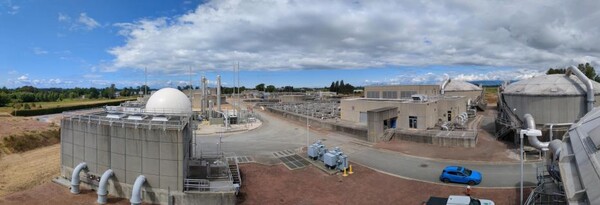
메트로 밴쿠버 지역구(Metro Vancouver Regional District)는 하수처리시설(WWTPs)에서 발생하는 온실가스(GHG) 배출을 줄이기 위해 제이콥스(Jacobs)를 파트너로 선정했다. [사진제공(Photo Source) = 제이콥스(Jacobs)]
보다 지속가능한 미래를 향한 주요 단계로, 메트로 밴쿠버 지역구(Metro Vancouver Regional District)는 하수처리시설(WWTPs)에서 발생하는 온실가스(GHG) 배출을 줄이기 위해 제이콥스(Jacobs)를 파트너로 선정했다.
메트로 밴쿠버 지역구는 선진적 사고를 가진 공공시설로, 브리티시 컬럼비아주(British Columbia) 전역의 3백만 주민에게 하수 관리를 포함한 지역 공공시설 서비스를 제공한다. 이 시스템은 매일 약 3억2천만 갤런(약 12억 리터 이상)의 하수를 처리한다. 하수 처리가 온실가스 배출에 미치는 영향을 인식한 메트로 밴쿠버 지역구는 2030년까지 2010년 대비 45% 감축, 2050년까지 탄소중립 달성이라는 야심찬 목표를 세운 바 있다.
제이콥스는 메트로 밴쿠버의 엔지니어링 서비스 컨설턴트로서, 우선 룰루 아일랜드 하수처리시설(Lulu Island WWTP)에서 비산 배출량을 식별하고 이를 감축하는 작업을 시작한 뒤, 이를 다른 시설로 확장해 나갈 예정이다.
100년 이상의 하수 프로젝트 경험과 메트로 밴쿠버 지역구 내 5개 하수처리시설에 대한 깊은 이해를 바탕으로, 제이콥스는 지역 맞춤형 계획을 수립하면서도 글로벌 모범사례를 통합해 지속적인 영향을 창출할 계획이다.
루시 코터(Lucy Cotter) 제이콥스 프로젝트 매니저는 “이번 프로젝트는 단순히 배출량을 측정하는 것을 넘어, 이를 줄이기 위한 구체적이고 실질적인 해법을 구현하는 데 초점이 맞춰져 있다”고 전했다.
제이콥스는 전 세계 하수처리시설에서 온실가스 감축 노력을 주도해왔다. 개념 설계 및 비용 분석부터 시작해, 아산화질소(N₂O) 생성을 최소화하고 바이오가스 포집을 극대화해 메탄 누출을 줄이는 혁신적인 프로젝트들이 포함된다.
또한 엠마 셴(Emma Shen) 제이콥스 하수 에너지 최적화 및 탈탄소화 부문 글로벌 책임자는 "이번 프로젝트는 시작에 불과하며, 향후 이 노력이 지역 내 다른 하수처리시설로 확장되기를 기대하고 있다. 기후변화 대응을 넘어, 하수 부문에서 환경 관리의 새로운 기준을 세우고자 한다"고 밝혔다.
제이콥스는 20년 넘게 메트로 밴쿠버를 위한 주요 물 및 하수 인프라 개선을 설계·제공해왔다. 여기에는 비굴착 기술을 활용해 공사 중 배출량을 줄여 상을 받았던 ‘뉴 웨스트민스터 컬럼비아 구간 차집관로(New Westminster Interceptor Columbia Section)’ 갱생 프로젝트와 노스웨스트 랭리 하수처리시설 업그레이드가 포함된다.
또한 2024년, 메트로 밴쿠버는 코퀴틀람 레이크(Coquitlam Lake) 수원 프로젝트와 아이오나 아일랜드(Iona Island) 하수처리시설 업그레이드를 위해 제이콥스를 선정했다. 60년 된 아이오나 시설의 현대화 및 수질 개선을 위한 계획 및 설계 초기 단계에서, 제이콥스는 다양한 처리 방식에 따른 온실가스 배출량을 분석하며 협력한 바 있다.
이번 협업은 제이콥스가 전 세계적으로 수행해온 물 부문 온실가스 감축 연구 및 해법과도 맥락을 같이한다. 여기에는 수자원연구재단(The Water Research Foundation)을 위한 아산화질소 배출 관련 연구도 포함된다.
[원문보기]
Treatment Emissions Alongside Metro Vancouver
Advancing sustainability through targeted greenhouse gas monitoring at treatment plants
In a major step toward a more sustainable future, Metro Vancouver has selected Jacobs to help reduce greenhouse gas (GHG) emissions from wastewater treatment plants (WWTPs).
Metro Vancouver, a forward-thinking utility, provides regional utility services for three million residents across British Columbia, including wastewater management. Its system processes around 320 million gallons (more than 1.2 billion liters) of wastewater daily. Recognizing wastewater treatment’s role in GHG emissions, Metro Vancouver has set ambitious goals: a 45% reduction from 2010 levels by 2030 and carbon neutrality by 2050.
As Metro Vancouver’s engineering services consultant, Jacobs will focus on identifying and reducing fugitive emissions, beginning with the Lulu Island WWTP and potentially extending to other facilities.
With more than 100 years of experience in wastewater projects and extensive knowledge of Metro Vancouver’s five WWTPs; Jacobs will develop a plan tailored to local needs while incorporating global best practices for lasting impact.
“Leveraging our global expertise and local knowledge, we’re working with Metro Vancouver to create a robust monitoring and mitigation plan,” says Jacobs Project Manager Lucy Cotter. “This project is about identifying emissions and implementing real, tangible solutions to reduce them.”
Jacobs has led GHG mitigation efforts at WWTPs worldwide, from conceptual design and cost analysis to innovation projects that minimize nitrous oxide (N₂O) formation and maximize biogas capture, reducing methane leakage where it matters most.
“This project is just the beginning. As we work with Metro Vancouver to reduce GHG emissions, we're excited about the potential to expand these efforts to other WWTPs in the region,” adds Jacobs Global Principal - Wastewater Energy Optimization and Sector Decarbonization Emma Shen. “Together, we're not just addressing climate change - we're setting a new standard for environmental stewardship in the wastewater sector.”
For more than two decades, Jacobs has designed and delivered critical water and wastewater infrastructure improvements for Metro Vancouver, including the award-winning New Westminster Interceptor Columbia Section Rehabilitation, where trenchless technology helped reduce construction emissions, and upgrades at the Northwest Langley WWTP. In 2024, Metro Vancouver also selected Jacobs for the Coquitlam Lake Water Supply Project – which will expand capacity for the region’s largest drinking water source – and upgrades at the Iona Island WWTP. During the early planning and design phases for the Iona program – which will upgrade the 60-year-old treatment plant and improve water quality – we worked with Metro Vancouver to analyze GHG emissions for various treatment options.
This latest collaboration aligns Jacobs’ global research and solutions for GHG emissions in the water sector, including N₂O emissions research for The Water Research Foundation.
[출처 = 제이콥스(Jacobs)(https://www.jacobs.com/newsroom/news/jacobs-tackle-wastewater-treatment-emissions-alongside-metro-vancouver) / 2025년 4월 1일]
|  즐겨찾기 추가
 시작페이지로 설정
























