[유럽] [2025] [영국] 환경청, 홍수 회복탄력성 향상에서 자연의 중요성 담은 연구자료 발표
이름
관리자
작성일
2025-02-18
조회수
1140
파일첨부
[영국] 환경청, 홍수 회복탄력성 향상에서 자연의 중요성 담은 연구자료 발표
논문 700편 이상 및 과학 연구 기반 통해 자연적 홍수 관리의 이점 강조
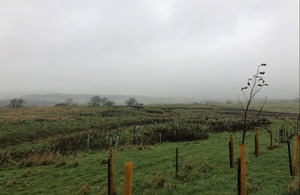
[사진출처 = 영국 정부(UK GOV) 출처]
영국 환경청(Environment Agency)은 현지시각 2월 12일 최신 '홍수 관리를 위한 최신 연구자료(Working with Natural Processes Evidence Directory)'를 발표했다.
이번 연구 자료는 자연이 홍수와 해안 침식에 대한 국가 회복탄력성 향상에 중요한 역할을 할 수 있다고 강조한다.
또한 이번 연구자료는 700편 이상의 논문을 포함한 중요한 과학 연구를 바탕으로 강과 범럼원, 삼림 벌목, 해안 및 하구 관리 등 17개의 자연적 홍수 관리(NFM) 조치에 대한 최신 증거를 요약하고 있다.
NFM은 홍수와 해안 침식을 줄이기 위해 강, 범람원, 유역 및 해안의 자연 기능을 보호, 복원 및 모방해 다양한 형태로 도시와 농촌, 강, 하구와 해안에서 구현할 수 있다.
이번 연구자료에는 조치의 다양한 이점을 보여준다.
연구 결과에 따르면, 나무가 우거진 저수 공간(catchment woodland)은 홍수 위험을 줄이는 데 도움이 될 뿐만 아니라 자연에 대한 접근성과 더불어 토양, 생물 다양성 및 수질에도 이점을 제공하는 것으로 나타났다.
나무가 우거진 저수 공간은 홍수 수위를 낮출 수 있으며, 소규모 사건에서는 가장 큰 감소가 나타났다. 컴브리아의 한 연구에 따르면 목초지에 비해 삼림에서 홍수 물의 흐름이 14~50% 느려지는 것으로 나타났다.
최신 과학은 또한 염습지와 갯벌 복원의 상당한 광범위한 이점을 보여주는데, 여기에는 대량의 탄소를 저장해 기후변화를 완화하는 데 도움이 되는 능력이 포함된다. 또한 퇴적물과 영양소를 걸러내어 수질을 개선할 수도 있다.
서머싯의 스티어트 습지에 250헥타르의 염습지를 조성한 결과, 이 습지는 복원 후 헥타르당 연간 36.6톤의 탄소를 저장했다.
최신 연구자료는 처음으로 세 가지 새로운 조치에 대한 새로운 증거가 포함돼 해안 암초, 수중 수생 식물 및 비버의 잠재적 홍수 위험 감소와 광범위한 이점을 강조한다. 굴이 자라고 발달하는 데 가장 적합한 깊이를 이해하는 동시에 파동 에너지를 효과적으로 줄이는 것을 포함해 밝혀야 할 점이 아직 많이 남았다.
새로운 연구자료는 NFM에 대한 증거가 상당히 증가해 홍수 위험 감소와 광범위한 이점에 대한 확신을 구축했음을 보여준다.
연구자료는 NFM에 대한 새로운 증거 기준을 제공하여 향후 투자 결정에 대한 정보를 제공하고 현장에서의 조치 선택을 지원환다.
줄리 폴리(Julie Foley) 환경청 홍수 위험 전략 및 국가 적응 책임자는 "기후변화로 인해 홍수와 해안 침식의 위협이 커지면서 환경청은는 전국적으로 회복탄력성을 높이기 위해 자연과 협력해야 한다"면서 "이는 환경청이 전통적인 공학적 홍수 방어와 함께 자연적 홍수 관리를 주류화하는 이유"라고 말했다.
이어 "2천500만 파운드 규모의 자연적 홍수 관리 프로그램은 최신 연구자료에 의해 형성됐다. 이 기금을 통해 미래 투자와 자연적 홍수 관리 제공에 대한 접근 방식을 테스트하고 있다"고 말했다.
새로운 증거는 여러 NFM 조치를 결합하는 것의 이점도 보여준다. 옥스퍼드셔의 이븐로드 강에서 5년간의 리틀스톡 브룩 실험은 나무 댐(woody dam) 설치, 230m의 새로운 수로 조성, 14.4헥타르의 새로운 삼림 벌목 등 여러 조치를 동시에 테스트했다. 실험 결과, 분석된 모든 폭우에서 홍수 수위가 최대 55.2% 감소한 것으로 나타났다.
연구에 따르면 이븐로드 프로젝트는 삼림 벌목과 농경지 조성으로 인한 대기 중 이산화탄소 순배출량 8천199톤을 줄이는 데 도움이 될 것으로 예상된다.
런던 북부 엔필드에 위치한 살몬스 브룩 NFM 프로젝트는 200헥타르의 숲을 심고 수로의 폭을 75% 줄였으며, 농촌 유역에 46개의 배수구를 설치했다. 모델링 결과, 25년에 한 번 발생하는 폭우에도 이 프로젝트는 홍수 흐름을 절반으로 줄이고 하류 도시 지역의 최고 수위를 10-30cm 낮출 수 있었으며, 숲이 우거짐에 따라 효과가 증가할 것으로 예상되됐다.
캐서린 브라운(Kathryn Brown) 야생동물 신탁협회(The Wildlife Trusts) 기후변화 및 증거 담당 이사는 "회복탄력성을 구축하기 위한 집단적 노력을 뒷받침할 수 있는 최고의 증거를 확보하는 것은 매우 중요하다. 자연적 홍수 관리에 관한 최신 과학이 환경청의 연구자료를 통해 한 곳에 모여 공동 이익에 초점을 맞추고 비버가 자연 홍수 관리에서 할 수 있는 역할에 대한 새로운 인식을 갖게 되어 기쁘다"면서 "이 연구자료는 야생동물 신탁을 포함한 전국의 NFM 작업을 지원하는 데 중추적인 역할을 해왔다"고 말했다.
원본 보고서의 결과는 미 육군 공병단에서 제작한 국제 지침서인 홍수 위험 관리를 위한 자연 및 자연 기반 특징에 관한 국제 지침에서 널리 참조되고 있다.
최신 연구자료를 게시하는 것은 2026년까지 보고서를 업그레이드하기 위한 홍수 및 해안 침식 위험 관리 전략 로드맵에서 환경청의 약속을 충족한다.
[원문보기]
Working with nature to boost nation’s flood resilience: New evidence of natural flood management benefits
Environment Agency publication captures latest research about natural flood management to help understand what works best where
Nature can play a major role in improving the nation’s resilience to flooding and coastal erosion, updated research from the Environment Agency underlines.
The Environment Agency has today (Wednesday 12 February) published a new Working with Natural Processes Evidence Directory, updating the internationally recognised product first released in 2017.
Informed by significant scientific research including more than 700 papers, the directory summarises the latest evidence for 17 natural flood management (NFM) measures relating to river and floodplain, woodland, run-off, and coast and estuary management.
NFM protects, restores and emulates the natural functions of rivers, floodplains, catchments and the coast to reduce flooding and coastal erosion. It takes many different forms and can be implemented in urban and rural areas, on rivers, and on estuaries and coasts.
The directory shows the wide variety in the benefits of the different measures.
Among the findings, catchment woodland is shown not only to help reduce flood risk but also to provide benefits for soil, biodiversity and water quality, alongside access to nature.
The review showed catchment woodland can reduce the height of flood water, with the greatest reductions during smaller events. One study in Cumbria suggested the flow of flood water was slowed by 14-50% in woodland compared to pasture.
The latest science also showcases the significant wider benefits of saltmarsh and mudflat restoration, including their ability to store large amounts of carbon, helping to mitigate climate change. They can also filter sediments and nutrients, improving water quality.
Managed realignment at Steart Marshes in Somerset created 250 hectares of saltmarsh. A recent study showed the marsh was storing 36.6 tonnes of carbon per hectare per year following restoration, a number which compares favourably with woodland.
For the first time, the updated directory includes emerging evidence for three new measures, highlighting the potential flood risk reduction and wider benefits of coastal reefs, submerged aquatic vegetation, and beavers. There is still more to learn about these measures, including understanding what the best depth for oysters to grow and develop while also effectively reducing wave energy is.
The new Working with Natural Processes directory demonstrates that the evidence for NFM has grown significantly, building confidence in the flood risk reduction and wider benefits.
The directory provides a new evidence baseline for NFM, helping to inform future investment decisions and support the selection of measures on the ground.
Julie Foley, Environment Agency Director of Flood Risk Strategy and National Adaptation, said:
"With climate change increasing the threats of flooding and coastal erosion, we must work together with nature to boost resilience across the country."
"That’s why the Environment Agency is mainstreaming the use of natural flood management alongside the use of traditional engineered defences."
"Our £25 million Natural Flood Management Programme was shaped by the Working with Natural Processes Evidence Directory. Through this fund we are testing our approaches to future investment and the delivery of natural flood management."
New evidence also demonstrates the benefits of combining multiple NFM measures. The five-year Littlestock Brook trial on the River Evenlode in Oxfordshire tested several measures at the same time, including putting in woody dams, creating 230m of new water courses, and planting 14.4 hectares of new woodland. Results from the trial show reductions in the height of flood waters of up to 55.2% across all the storms analysed.
Research suggests the Evenlode project will help remove 8,199 tonnes net of carbon dioxide to the atmosphere, attributed to creating the woodland and agroforestry.
The Salmons Brook NFM project in Enfield, north London, combined planting 200 hectares of woodland with reducing the width of the channel by 75% and installing 46 bunds in a rural catchment. Modelling found that, during a once-in-a-25-year storm, the combination could reduce flood flows by half and peak water levels by 10-30cm in the urban areas downstream, with the effectiveness expected to increase with the woodland’s maturity.
Kathryn Brown, The Wildlife Trusts Director of Climate Change and Evidence, said:
"Getting the best evidence to support our collective efforts to build resilience is critically important."
"I’m delighted to see the latest science on natural flood management coming together in one place through the Environment Agency’s Evidence Directory, with a focus on co-benefits – and to see new recognition of the role beavers can play in natural flood management."
"This well-used directory has been pivotal in supporting NFM work across the country, including through The Wildlife Trusts."
The findings of the original report are widely referenced in the International Guidelines on Natural and Nature-Based Features for Flood Risk Management, an international guide produced by the US Army Corps of Engineers.
Publishing the new Working with Natural Processes evidence directory meets the Environment Agency’s commitment in its Flood and Coastal Erosion Risk Management Strategy Roadmap to update the report by 2026.
 즐겨찾기 추가
 시작페이지로 설정