[미국] “ '프린터 스페이서 기술’이 역삼투압 시스템 수명 연장시켜”
마이크론 테크놀로지, 보이시(Boise) 공장서 2년간 아쿠아 멤브레인의 ‘인쇄 스페이서 기술’ 시험
반도체 산업에서 에너지 및 비용 효율적인 초순수(UPW) 생산 수단임을 입증
글로벌 시장은 2023년 5천100억 유로서 2033년에는 9천620억 유로 육박 예상
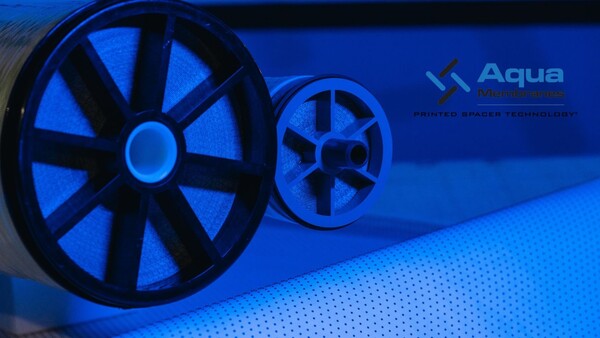
미국 굴지의 반도체 기업인 마이크론 테크놀로지(Micron Technology)은 메모리 칩(chip) 제조 공장에서 장기간의 테스트 기간을 통해 ‘프린트 스페이서 기술(Printed Spacer Technology)’이 반도체 산업을 위한 에너지 및 비용 효율적인 초순수(Ultra-Pure Water, UPW) 생산 수단임이 입증되었다고 밝혔다.[사진출처(Photo source) = 아쿠아테크(aquatech)]
미국 굴지의 반도체 기업인 마이크론 테크놀로지(Micron Technology)는 메모리 칩(chip) 제조 공장에서 장기간의 테스트를 통해 ‘프린트 스페이서 기술(Printed Spacer Technology)’이 반도체 산업을 위한 에너지 및 비용 효율적인 초순수(Ultra-Pure Water, UPW) 생산 수단임이 입증되었다고 밝혔다.
마이크론 테크놀로지는 미국 아이다호주 보이시(Boise) 공장에서 2년간 아쿠아 멤브레인( Aqua Membranes)의 ‘프린트 스페이서 기술’을 시험하여 기존의 초순수(UPW) 및 하·폐수 처리 역삼투압 시스템과의 성능을 평가했다.
이 시험을 통해 에너지 및 유지보수 비용을 절감하면서 성능이 획기적으로 개선되었으며, 그 결과 마이크론 테크놀로지는 전체 제조 네트워크에서 사용을 확대하기로 결정했다. 파일럿 기간 동안 아쿠아 멤브레인의 ‘프린트 스페이서 기술’이 에너지 비용을 29% 절감하고 업계 표준보다 4배 더 오래 지속된 것으로 나타났다.
마이크론 벤처스(Micron Ventures) 팀의 앤드류 번스(Andrew Byrnes)는 언론과의 인터뷰에서 “이 데이터는 거짓말을 하지 않으며, 이와 같은 데이터는 프린트 스페이서의 엄청난 이점을 보여준다”고 밝혔다.
반도체 문제
반도체는 가정용품부터 군용 차량에 이르기까지 거의 모든 분야에서 전자기기에 사용되며, 글로벌 시장은 2023년 5천100억 유로(763조 926억 원)에서 2033년 9천620억 유로(1천439조 4천21억 원)에 육박할 것으로 예상된다.
반도체 제조의 주요 단점 중 하나는 각 칩(chip)을 생산하는 데 필요한 초순수(UPW)의 양과 그 물을 만드는 데 필요한 에너지 소비이다. 각 칩에는 최대 2천200갤런(약 8.33㎥)의 UPW가 필요하며, 이는 막대한 양의 전기가 필요하기 때문에 비용이 많이 든다.
마이크론 테크놀로지 파일럿(Pilot)의 목표는 단순히 비용을 절감하는 것이 아니라, 2030년 지속가능성 목표를 달성하는 것이었다. 여기에는 직접 온실가스 배출량 42% 감소, 물 절약률 75%, 폐기물의 재사용과 재활용 및 회수율 을 95%에 이르게 하는 등이 포함되며, 매립에 유해한 폐기물을 전혀 배출하지 않겠다는 목표가 포함되었다.
회사가 온실가스 배출 감소, 물 절약, 폐기물 감소 및 에너지 효율 목표를 달성할 수 있도록 돕기 위해 정수처리 공정에 대한 더 나은 솔루션이 필요했다.
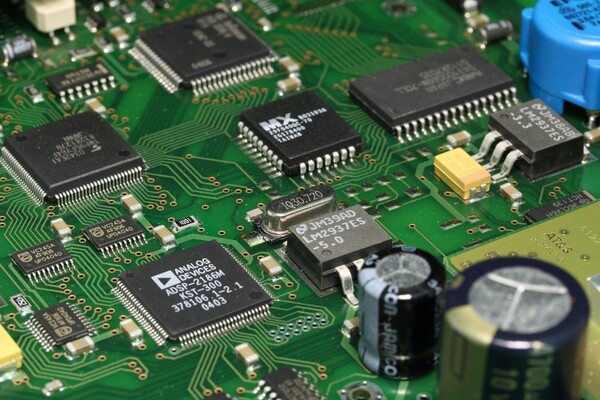
반도체 제조의 주요 단점 중 하나는 각 칩(chip)을 생산하는 데 필요한 초순수(UPW)의 양과 그 물을 만드는 데 필요한 에너지 소비이다. 각 칩에는 최대 2천200갤런(약 8.33㎥)의 UPW가 필요하며, 이는 막대한 양의 전기가 필요하기 때문에 비용이 든다. [사진출처(Photo source) = 아쿠아테크(aquatech)]
마이크론 테크놀로지는 에너지 비용을 절감하고 성능 효율을 개선하기 위해 아쿠아 멤브레인의 ‘프린트 스페이서 기술’을 선택했다. 스페이서(Spacer)를 서로 연결해야 하는 기존의 역삼투압(RO) 소자와 달리 아쿠아 멤브레인 스페이서는 멤브레인에 직접 프린트된다.
반도체 소자 구조에서 ‘스페이서(Spacer)’란, 게이트 단자의 사면을 측벽(Side Wall) 형태로 둘러싼 절연막이다. ‘공간을 채운다’라는 스페이서의 의미 자체는 이해하기 쉽지만, 스페이서를 측벽(Side Wall) 형태로 설치해야 하는 이유와 그 목적을 이해하는 데는 약간의 어려움이 따른다.
이러한 스페이서는 최적의 간격을 유지하기 때문에 기존 RO 시스템에 비해 공급 채널에서 부피를 훨씬 적게 차지하여 파울링(Fouling)과 스케일링(Scaling)을 줄인다. 특히, 벌크 파울링(Bulk Fouling) 속도를 늦추면 압력 강하의 빈도가 낮아지거나 급격히 감소한다.
여기에는 두 가지 주요 이점이 있다. 오염률이 느리면 청소 간격이 길어져 유지관리 비용이 낮아지고 막(Membranes) 수명이 길어진다. 동시에 압력 강하가 줄어들면 에너지 절약이 증가하고 배출량이 줄어든다.
이는 에너지 및 유지보수 비용 절감으로 이어지며 마이크론 테크놀로지의 2030년 지속가능성 목표를 달성하는 데 도움이 된다.
파일럿은 2년 동안 지속되었으며, 이 기간 동안 전통적인 메쉬 시스템(Mesh System)과 아쿠아 멤브레인의 ‘프린트 스페이서 기술’을 사용하여 RO를 정면으로 비교하는 두 단계의 테스트가 진행되었다.
첫 번째 단계에서 기준 설정 테스트를 통해 막 오염과 에너지 사용이 극적으로 감소한 것으로 나타났다. 이 시스템은 2023년 4월부터 2024년 1월 말까지 하루 24시간 지속적으로 작동했다.
이 파일럿 단계의 결과는 인쇄된 스페이서가 메쉬 스페이서에 비해 차압(Differential Pressure, DP) 증가율을 4배 감소시켜 오염이 현저히 적다는 것을 보여주었다. 에너지 절감 효과는 1년 동안 19%에서 22%로 증가했다.
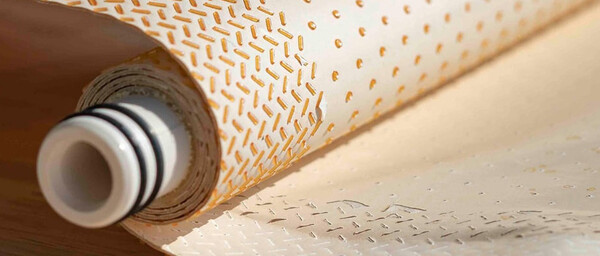
마이크론 테크놀로지의 파일럿 시험은 2년 동안 지속되었으며, 이 기간 동안 전통적인 메쉬 시스템(Mesh System)과 아쿠아 멤브레인의 ‘인쇄 스페이서 기술’(사진)을 사용하여 RO를 정면으로 비교하는 두 단계의 테스트가 진행되었다. [사진출처(Photo source) = 아쿠아테크(aquatech)]
2단계에서는 패턴과 요소 설계가 개선된 테스트를 진행했다. 두 달 동안 에너지 절약률은 29%에서 37%로 증가했다. 압력 강하율은 1단계 테스트와 비슷한 개선을 보였다. 이 시스템은 파일럿 기간이 끝난 후에도 마이크론의 보이시(Boise) 공장을 계속 가동하고 있으며, 회사는 비용 절감이 계속 증가하고 있다고 밝혔다.
마이크론 테크놀로지의 보이시 제조 공장의 파일럿은 특히 빠르게 확장되는 글로벌 반도체 시장에서 초순수(UPW) 생산에 있어 ‘프린트 스페이서 기술’의 분명한 잠재력을 입증했다.
[원문보기]
Printed Spacer Technology as an energy and cost-efficient means of producing ultra-pure water (UPW) for the semiconductor industry
Successful trial leads to extended usage
Micron Technology trialled Aqua Membranes' Printed Spacer Technology at its Boise, Idaho, USA, plant for two years to evaluate its performance against traditional UPW/wastewater treatment reverse osmosis systems.
The trial revealed a dramatic improvement in performance with both reduced energy and maintenance costs and, as a result, Micron Technology has decided to expand usage across its entire manufacturing network. Over the course of the pilot period, Aqua Membranes' Printed Spacer Technology saved 29 per cent of energy costs and lasted four times longer than the industry standards.
Andrew Byrnes, from the Micron Ventures team, told media: "Data doesn't lie, and data like this shows the massive benefit of printed spacers."
The problem with semiconductors
Semiconductors are used in electronic devices in virtually every sector, from household items to military vehicles, and the global market is projected to be worth close to €962 billion by 2033, up from €510 billion in 2023.
One of the major drawbacks with semiconductor manufacturing is the quantity of UPW that is needed to produce each chip and the energy consumption required to make that water. Each chip can require up to 2,200 gallons of UPW, which requires a huge amount of electricity, which comes at a cost.
The goal of the pilot for Micron Technology was not simply to reduce costs, it was also to meet its 2030 sustainability goals which include a 42 per cent reduction in direct greenhouse gas emissions, a 75 per cent water conservation rate and a 95 per cent reuse, recycling and recovery rate for waste, with an aspiration to achieve zero hazardous waste to landfill.
To help the company meet its greenhouse gas emission reduction, water conservation, waste reduction and energy efficiency goals, it needed a better solution for its water treatment processes.
The solution was found in space
Micron Technology chose Aqua Membranes' Printed Spacer Technology in a bid to reduce energy costs and to improve performance efficiency. Unlike traditional Reverse Osmosis (RO) elements, where spacers need to be connected to each other, the Aqua Membranes spacers are printed directly onto the membranes.
Because these spacers are optimally spaced, they occupy significantly less volume in the feed channel compared to traditional RO systems, reducing fouling and scaling. By slowing down the rate of bulk fouling, pressure drops are less frequent or drastic.
This has two main benefits: a slower fouling rate means longer intervals between cleaning, resulting in lower maintenance costs and longer membrane life. At the same time, a pressure drop reduction means greater energy savings and reduced emissions.
This leads to energy and maintenance cost savings and helps to meet Micron Technology's 2030 sustainability goals.
How were the membranes tested?
The pilot last for two years during which there were two stages of testing that involved head-to-head comparisons between RO with traditional mesh systems and Aqua Membranes' Printed Spacer Technology.
During the first stage, baseline establishment testing revealed dramatic reductions in both the fouling of the membrane and the use of energy. This system ran continuously 24 hours per day from April 2023 through to the end of January 2024.
The results of this pilot stage revealed that the printed spacers reduced the rate of differential pressure (DP) increase by four times, compared to mesh spacers, indicating significantly less fouling. Energy savings increased over the course of the year from 19 to 22 per cent.
Stage two tested an improved pattern and element design. Over the course of two months, energy saving increased from 29 to 37 per cent. Pressure drop rate showed a similar improvement to stage one testing. The system has continued to run Micron's Boise plant following the end of the pilot period, with the company stating that savings continue to increase.
The pilot at Micron Technology's Boise manufacturing plant has demonstrated clear potential for Printed Spacer Technology in the production of ultra-pure water, especially in the rapidly expanding global semiconductor market.
[출처 = 아쿠아테크(aquatech)(https://www.aquatechtrade.com/news/water-treatment/semiconductor-ultrapure-water-ro-spacer-technology-efficiency) / 2025년 1월 7일]
|  즐겨찾기 추가
 시작페이지로 설정
























