[EU] 유럽연합 위원회, ‘도시 하수처리 지침’ 개정…처리 규정 강화
PFAS 등 신규오염물질 및 바이러스 모니터링 강화해 공중 보건 보호
오염자 부담 원칙 적용…고도처리비용 책임 산업이 부담토록 규정
유럽 환경청, 디지털DB 제공해 하수 처리 데이터 보고 및 처리 간소화
 유럽연합(EU)이 '제로 오염' 목표를 달성하기 위한 중요한 단계를 밟고 있으며, 개정된 도시 하수 처리 지침이 지난 1월 1일부터 발효됐다고 밝혔다.
새로운 규정은 도시 하수의 유해한 배출로부터 인간의 건강과 환경을 더욱 보호하고 유럽 전역의 강, 호수, 지하수 및 해안을 더 깨끗하게 보호할 것이다.
개정된 지침은 2040년까지 연간 약 66억 유로의 재정적 이익을 가져다 줄 것이며, 회원국의 보고 의무 또한 간소화할 것으로 기대된다.
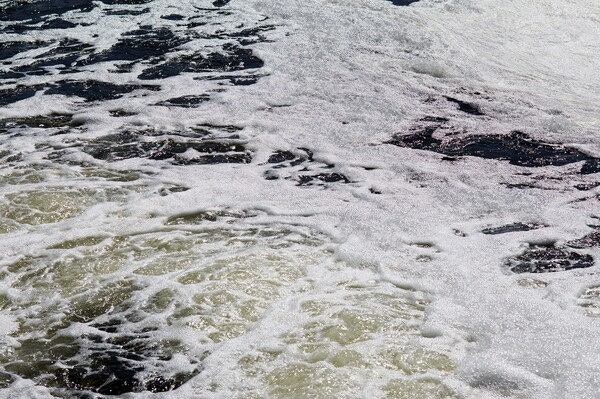
유럽연합(EU)이 '제로 오염' 목표를 달성하기 위한 중요한 단계를 밟고 있으며, 개정된 도시 하수 처리 지침이 지난 1월 1일부터 발효됐다고 밝혔다. [사진출처(Photo Source) = 픽사베이(Pixabay)]
개정된 도시 하수 처리 지침
이 지침은 1천 명 이상이 거주하는 소규모 인구 밀집 지역을 포함해 더 넓은 지역까지 적용된다. 이를 통해 도시 하수에서 영양소를 더 많이 제거하고, 미세오염물질에 대한 새로운 기준이 적용될 것이다.
또한 미세플라스틱과 PFAS(과불화화합물)에 대한 체계적인 모니터링을 비롯해 공중보건을 위협하는 항생제 저항성(Antimicrobial Resistance) 및 SARS-Covid와 같은 여러 바이러스의 모니터링을 실시해 전염병의 초기 징후를 감지할 것이다. 이러한 데이터를 적시에 수집해 공중 보건 비상 상황 시 신속한 의사 결정을 내릴 수 있도록 지원할 것이다.
'오염자 부담' 원칙에 따라 개정된 지침은 고도 처리 비용을 수도 요금이나 공공 예산이 아닌 책임 산업이 부담하도록 규정한다. 하수에서 미세오염물질을 가장 많이 생성하는 의약품 및 화장품 산업은 제거 비용의 최소 80%를 부담해야 한다.
새로운 규정은 하수 부문을 에너지 및 기후 중립으로 이끌 것이다. 또한 기후변화로 인한 폭우가 증가함에 따라 도시의 빗물 관리가 점점 더 중요해질 것이다.
회원국의 대도시는 폭우 시 도시 홍수와 오염 위험을 줄이는 빗물 처리를 위한 통합 관리 계획을 체계적으로 수립해야 한다. 이 계획에는 구체적인 관리 조치를 포함해야 하며, 자연 기반의 솔루션을 우선적으로 적용해야 한다.
순환성 증대는 개정된 지침의 핵심 요소이며, 하수 및 하수 슬러지에서 인(P)과 같은 가치있는 자원을 회수하기 위한 새로운 요구 사항이 도입됐다.
또한 이 지침은 처리된 물의 재이용을 촉진해 귀중한 자원인 물이 낭비되지 않도록 함으로써 물부족 지역의 물공급을 보장하고 공급망에 가해지는 압력을 완화하는 데 도움을 준다.
마지막으로, EU에서 가장 취약하고 소외된 200만 명의 사람들이 공공장소에서 위생 시설을 이용할 수 있도록 보장한다. 2029년 말까지 회원국은 취약하고 소외된 인구를 파악하고, 위생 시설에 대한 접근성을 개선하기 위한 조치를 시행하며, 1만 명 이상의 주민이 거주하는 도시 지역에서 자유롭게 이용할 수 있고 안전하며 위생적인 공공 위생 시설을 장려해야 한다. 이는 모든 사람에게 물에 대한 접근을 요구하는 개정된 식수 지침의 요구 사항가 일치한다.
EU의 시행 지원
하수 처리 데이터의 보고 및 처리를 간소화하기 위해 유럽 환경청은 회원국을 위한 디지털 데이터베이스를 제공할 예정이다. 더 이상 2년마다 서면 보고서를 제출할 필요가 없으므로 행정적 부담이 줄어들 것으로 기대된다.
개정된 지침은 향후 수십 년 동안 하수 관리에 대한 법적 요구 사항을 설정해 물 부문이 이에 따라 계획을 수립할 수 있도록 한다. 유럽연합 집행위원회는 회원국과 긴밀히 협력해 지침이 효과적으로 시행되고 유럽의 물 부문이 회복탄력성을 강화할 수 있도록 할 것이다. 여기에는 지침 준수를 촉진하고 지침의 목표를 달성하기 위한 지침과 지원을 제공하는 것이 포함된다.
제시카 로스월(Jessika Roswall) 환경, 물 회복탄력성 및 경쟁력 있는 순환 경제 담당 위원은 개정된 지침에 대해 "깨끗한 환경은 유럽 번영의 핵심이다. 도시 하수 처리를 위한 새로운 규정은 시민의 건강을 보호하고 혁신을 주도하며 순환성을 증진할 것이다. 이를 통해 회원국은 물 회복탄력성을 더욱 강화할 수 있다"고 말했다.
[원문보기]
New rules for more thorough and cost-effective urban wastewater management enter into force
The revised Directive will strengthen treatment rules, ensuring a higher level of protection for the public and the environment.
The EU is taking an important step towards achieving its ‘Zero Pollution’ ambition, with the revised Urban Wastewater Treatment Directive due to enter into force on 1 January.
The new rules will further protect human health and the environment from harmful discharges of urban wastewater and ensure cleaner rivers, lakes, groundwater and coasts across Europe.
The revised Directive will bring financial benefits of approximately €6.6 billion per year by 2040, far outweighing the estimated implementation costs, while simplifying reporting obligations for Member States.
Updated rules
The Directive applies to a broader number of areas, including covering smaller agglomerations starting at 1,000 inhabitants. More nutrients will be removed from urban wastewaters and new standards will be applied to micropollutants.
Systematic monitoring of microplastics and PFAS (often referred to as forever chemicals) is now required, as well as monitoring of public health parameters. This includes monitoring antimicrobial resistance, a growing public health threat, and several viruses, such as SARS-Covid, to spot early signs of an epidemic. This timely gathered data will support quick decision-making in case of a public health emergency.
In line with the ‘polluter pays' principle, the new law will ensure that the costs of advanced treatment will mostly be covered by the responsible industry, rather than by water tariffs or the public budget. The pharmaceuticals and cosmetics industries, whose products create the most micropollutants in wastewater, will be required to pay at least 80% of the cost for their removal. This will limit the cost of the new requirements for citizens.
The new rules will drive the wastewater sector towards energy and climate neutrality. They will also improve the management of stormwater in cities, which will become more and more important in view of increasing heavy rainfall events due to climate change.
For large cities, Member States will have to systematically develop integrated management plans to deal with stormwater that reduce the risk of urban floods and pollution during heavy rain. Smaller cities will have to do so when storm waters present a risk. In these plans, concrete management actions must be set out and nature-based solutions should be prioritised.
Increased circularity is a key element of the revised Directive, and new requirements have been introduced to recover valuable components from wastewater and sewage sludge, like phosphorus, a critical raw material in the EU. This allows for further use in sectors like agriculture.
Additionally, the Directive promotes stronger reuse of treated water, ensuring that no valuable resources are wasted, helping to protect water supplies in water-stressed regions and relieve pressure on supply chains.
Finally, it will ensure access to sanitation in public spaces for the two million most vulnerable and marginalised people in the EU. By the end of 2029, Member States must identify vulnerable and marginalised populations, implement measures to improve their access to sanitation facilities and promote freely accessible, safe and hygienic public sanitation facilities in urban areas with at least 10,000 inhabitants. This is in line with requirements set under the revised Drinking Water Directive, which requires access to water for all.
EU support for implementation
To simplify the reporting and processing of wastewater treatment data, the European Environment Agency will provide digital databases for Member States. They will no longer be required to submit written reports every two years as under the previous directive, therefore reducing administrative burden.
The recast Directive sets the legal requirements for wastewater management for the coming decades, giving the water sector the security to plan accordingly. The European Commission will work closely with Member States to ensure that the Directive is effectively implemented and contributes to a water-resilient Europe. This includes providing guidance and support to facilitate compliance and achieve the Directive's objectives.
Speaking on the Directive's entry into force, Commissioner for Environment, Water Resilience and a Competitive Circular Economy, Jessika Roswall, said:
"A clean environment is at the core of Europe’s prosperity. New rules on treating urban wastewater will ensure the protection of citizens’ health, drive innovation, and promote circularity. This will help Member States become more water resilient."
Background
The Urban Wastewater Treatment Directive was first adopted in 1991 and has been instrumental in improving the quality of water bodies across the EU.
However, after more than 30 years, the directive needed a general overhaul to address new sources of urban pollution, which have become more dominant (such as smaller cities, decentralised facilities or stormwater). New pollutants have also emerged including microplastics or micropollutants (such as pharmaceuticals or cosmetics).
Furthermore, the urban wastewater sector should tap its potential for energy neutrality thus contributing to the EU’s climate goals.
[출처 = 유럽연합 위원회(European Commission)(https://environment.ec.europa.eu/news/new-rules-urban-wastewater-management-set-enter-force-2024-12-20_en) / 2024년 12월 20일]
|  즐겨찾기 추가
 시작페이지로 설정
























