[글로벌 상하수도 처리 장비 시장 규모 ①] 2033년 1천억 달러(약 144조 8천600억 원) 규모 증가 예상
글로벌 시장조사기관 ‘마켓 US’, 2023년 580억 달러서 연평균 성장률 5.5%씩 증가…2033년 1천억 달러로 증가 예측
시장 점유율, 막 분리 기술 43.2%·여과 기술 49.3% 차지…아시아 태평양 시장 38.4%로 압도적
상하수도 처리 장비 분야 연간 특허 출원 건수, 지난 47년 동안 1천200배 증가
미국 뉴욕에 소재한 글로벌 시장조사기관인 ‘마켓 US(Market.US, https://market.us/)’는 업그레이드된 「글로벌 상하수도 처리 장비 시장(Water and Wastewater Treatment Equipment Market)」 보고서를 12월 13일 발표했다.
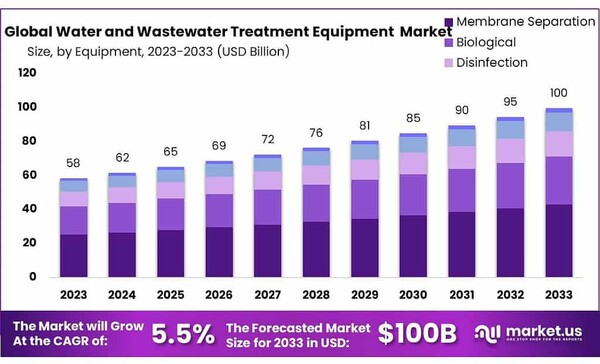
이 보고서에 따르면, 글로벌 상하수도 처리 장비 시장은 2023년 580억 달러(약 84조 304억 원)에서 5.5%씩 연평균 성장률(CAGR)을 보여 오는 2033년에는 약 1천억 달러(약 144조 8천600억 원) 규모에 이를 것으로 예상된다고 밝혔다. 이 보고서에 수록된 내용을 2회에 걸쳐 게재한다.
미국 뉴욕에 소재한 글로벌 시장조사기관인 ‘마켓 US(Market.US, https://market.us/)’는 업그레이드된 「글로벌 상하수도 처리 장비 시장(Water and Wastewater Treatment Equipment Market)」보고서를 12월 13일 발간했다.
전 세계 상하수 처리 장비 시장은 2023년 580억 달러에서 2033년 약 1천억 달러로 증가할 것으로 예상되며, 이는 매년 5.5%의 연평균 성장률(CAGR) 5.5%를 보일 것으로 예축된다. 이러한 성장은 주로 도시화, 하수 처리 및 재이용에 대한 규제 압력 강화, 처리 기술의 발전으로 인한 깨끗한 물에 대한 수요 증가에 의해 주도되고 있다.
그러나 이 분야는 첨단 수처리 기술의 높은 자본 및 운영비용 등 여러 가지 도전에 직면해 있다. 이러한 비용은 예산 제약이 더 심한 개발도상국에서는 특히 부담스러울 수 있다. 또한 복잡한 하수처리 프로젝트를 관리하고 진화하는 규제 표준을 준수하기 위해 지속적인 기술 혁신이 필요하다.
최근의 발전은 베올리아(Veolia), 수에즈(Suez)와 같은 주요 기업들이 기술 역량과 시장 입지를 강화하기 위해 전략적 인수를 통해 사업을 확장하는 등 이 분야의 역동적인 성격을 강조하고 있다.
주요 예로는 수에즈가 베올리아의 전 영국 기반 폐기물 처리 사업부를 24억 2천만 달러에 인수한 것이 있으며, 이는 서비스 제공 및 시장 입지 강화를 위한 업계의 통합 노력을 강조한다.
에코랩(Ecolab Inc.)은 아쿠아텍 인터내셔널(Aquatech International)에 대한 전략적 소수 지분 투자를 통해 수처리 시장에서의 입지를 강화했다. 에코랩은 이번 파트너십을 통해 수질개선과 산업용 물 사용량 감소에 필수적인 아쿠아텍의 첨단 수처리 기술을 통합하여 종합적인 물관리 솔루션을 강화할 수 있게 되었다.
혁신적인 디자인과 엔지니어링 솔루션으로 유명한 아쿠아텍은 물 재이용 및 재활용에 특화되어 있어 산업용 수처리 분야에서 핵심적인 역할을 하고 있다. 에코랩과의 협력은 아쿠아텍의 글로벌 범위를 확장하여 다양한 산업 분야에 통합 솔루션을 제공할 준비가 되어 있다.
글로벌 상하수도 처리 장비 시장 규모 (단위 : 10억 달러)
[그림출처(picture source) = 마켓 US(Market.US)]
■ 주요 시사점(Key Takeaways)
글로벌 상하수도 처리 장비 시장은 2033년까지 1천억 달러에 달할 것으로 예상되며, 2023년부터는 연평균 5.5%의 성장률을 기록할 것으로 예상된다.
·막분리 기술(Membrane Separation technology) 막분리 기술은 2023년에 43.2%의 시장 점유율을 차지했으며, 이는 정수에 필수적이다.
·여과 및 흡착 중요성(Filtration and Adsorption Importance) 34.3%의 시장 점유율 차지하는 여과(Filtration) 분야는 불순물을 제거하는 반면, 흡착은 유기 화합물과 중금속을 처리한다.
·1차 처리 지배력(Primary Treatment Dominance) 2023년 49.3%의 시장 점유율을 차지하여 하수에서 고형물과 유기물을 제거하는 데 필수적이다.
·지방자치단체의 신청 지배력(Municipal Application Dominance) 지방자치단체의 상하수도 처리 시장은 2023년에 69.3%의 시장 점유율을 차지하여 공공 보건 및 환경 보호를 보장하는 데 중요다.
·아시아 태평양 시장 리더십(Asia Pacific Market Leadership) 아시아 태평양 시장은 산업 활동과 도시화에 힘입어 38.4%의 압도적인 시장 점유율을 기록했다.
■ 하수처리의 혁신과 특허
·특허(Patents) 하수처리 분야의 특허 중 42.5% 이상이 장비 및 장치 관련 기술에 중점을 두고 있다.
·특허 성장(Patent Growth) 이 분야의 연간 특허 출원 건수는 지난 47년 동안 거의 1천200배 증가했으며, 하·폐수 기술 분야에서 상당한 혁신과 성장을 보여준다.
■ 신흥 트렌드(Emerging Trends)
·디지털 물관리(Digital Water Management) AI(인공지능), IoT(사물인터넷) 센서, 디지털 트윈의 통합은 실시간 모니터링과 자동 제어를 가능하게 함으로써 물 시스템을 혁신하고 있다. 이러한 기술은 수질을 개선하고 폐기물을 줄이며 자원 할당을 최적화한다.
예를 들어, AI를 이용한 예측 유지보수 및 누수·누출 감지는 운영비용을 크게 절감하고 서비스 중단을 방지할 수 있다. 이러한 스마트 관리 접근 방식은 물 부족에 직면한 지역에서 매우 중요한 물 분배 및 소비를 최적화하는 데에도 도움이 된다.
·첨단 여과 기술(Advanced Filtration Technologies) 나노 기술은 특히 의약품, 중금속, 박테리아와 같은 미세 오염물질을 물에서 제거할 수 있는 첨단 막 개발로 여과 시스템에 혁명을 일으키고 있다. 이러한 혁신은 적은 화학물질로 더 효율적인 정화를 가능하게 함으로써 수질을 개선한다. 예를 들어, 나노 구조 필터(nano-structured filter)는 멤브레인 성능을 향상시켜 수명을 연장하고 에너지 소비를 줄일 수 있다.
·분산형 수처리(Decentralized Water Treatment) 분산형 시스템은 특히 중앙 집중식 수처리 인프라가 실행 불가능한 농촌 및 개발도상국에서 주목받고 있다. 이러한 모듈식 시스템은 현장 수처리를 가능하게 하여 더 큰 유연성, 확장성 및 설치비용 절감을 제공한다. 특히 소규모 커뮤니티나 독특한 수처리 요구가 있는 산업에 적합하여 대규모 인프라에 대한 의존도를 낮추고 지역 물 부족에 대한 회복력을 높일 수 있다.
·지속가능한 재료 및 공정(Sustainable Materials and Processes) 수처리 분야는 점점 더 지속가능한 재료와 공정을 채택하고 있다. 조류 기반 시스템이나 미생물 연료 전지와 같은 바이오 기반 정화 방법은 전통적인 화학 처리에 대한 친환경적인 대안을 제공한다.
탄소 기반 정화 물질은 환경에 미치는 영향을 최소화하면서 오염물질을 더 효율적으로 여과할 수 있는 능력도 연구되고 있다. 이러한 혁신은 지속가능하고 저탄소 물관리 솔루션에 대한 수요 증가와 일치한다.
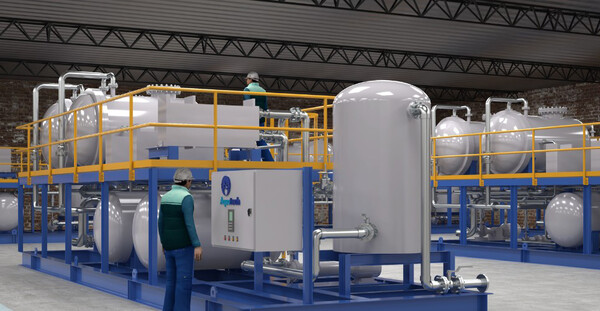
물 부족에 대한 우려가 높아지면서 담수화 기술이 발전하고 있다. 현대의 담수화 방법은 태양열과 풍력과 같은 재생 에너지원을 통합하여 이러한 공정과 관련된 높은 에너지 수요를 줄이고 있다. [사진출처(Photo source) = 아쿠아텍 인터내셔널(Aquatech International)]
·담수화 기술(Desalination Technologies) 물 부족에 대한 우려가 높아지면서 담수화 기술이 발전하고 있다. 현대의 담수화 방법은 태양열과 풍력과 같은 재생 에너지원을 통합, 이러한 공정과 관련된 높은 에너지 수요를 줄이고 있다.
또한 보다 효율적인 역삼투압 시스템과 혁신적인 담수화 방법은 바닷물을 담수로 전환하는 데 드는 경제적, 환경적 비용을 낮추는 데 도움이 되어 물 부족 지역에 더 효과적인 솔루션이 될 수 있다.
·물 재사용 및 재이용(Water Reuse and Recycling) 물 부족이 점점 더 우려됨에 따라 물 재사용 및 재이용 기술의 중요성이 커지고 있다. 이러한 시스템은 하수를 처리하고 농업, 산업 또는 심지어 음용 가능한 분야에서도 안전하게 재이용할 수 있도록 설계되었다.
■ 사용사례(Use Cases)
·산업 응용(Industrial Applications) 산업 환경에서 수처리는 폐기물을 관리하고 환경 규정을 준수하는 데 중요한 역할을 하다. 한 가지 주요 예는 제조 및 자동차와 같은 산업에서 트램 오일 분리기(tramp oil separators)를 사용하는 것이다.
이러한 분리기는 하·폐수에서 기름을 분리 및 제거하여 오염을 방지하고 수질을 보호한다. 이와 같은 시스템은 하·폐수를 효과적으로 처리함으로써 산업이 엄격한 환경 기준을 준수하는 동시에 수질오염을 줄이는 데 도움이 된다.
·지방 하수관리(Municipal Wastewater Management) 지방자치단체는 공중 보건과 환경을 보호하기 위해 첨단 수처리 기술에 의존한다. 하수에서 오염물질과 병원균을 제거하기 위해서는 막 여과, 첨단 산화(advanced oxidation), 생물학적 처리와 같은 기술이 필수적이다.
이러한 과정을 통해 처리수를 자연수역으로 방류하거나 관개나 산업 응용과 같은 목적으로 재사용하기에 안전한 물을 만들 수 있다. 이러한 기술을 활용함으로써 지방자치단체는 수질을 크게 개선하고 지속가능한 물관리 관행에 기여할 수 있다.
·농업(Agriculture) 처리된 하수는 농업에서 점점 더 가치 있는 자원이 되고 있다. 이 하수는 관개용으로 사용되고 있으며, 담수에 대한 지속가능한 대안을 제공하는 동시에 합성 비료에 대한 수요를 줄이고 있다.
질소(N)와 인(P)을 포함한 처리된 하수의 영양소 함량은 작물 성장에 도움이 되고 토양의 질을 향상시킨다. 이러한 접근 방식은 담수 자원을 보존하는 데 도움이 되며, 특히 물이 부족한 지역에서 매우 유용하다.
·스마트 물관리(Smart Water Managemen) AI, IoT, 디지털 트윈과 같은 디지털 기술의 통합은 수처리 공정에 혁명을 일으키고 있다. 이러한 혁신은 수질을 실시간으로 모니터링하고 처리 작업을 최적화하여 공정을 더욱 효율적이고 비용 효율적으로 만든다.
특히 스마트 물관리 시스템은 물 회수율을 개선하는 데 도움이 될 뿐만 아니라 문제 발생 전에 예측하고 유지보수 활동을 간소화하여 운영비용을 절감하는 데도 도움이 된다.
·농촌 지역을 위한 분산형 시스템(Decentralized Systems for Rural Areas) 대규모 수처리 인프라가 비현실적이거나 비용이 너무 많이 드는 농촌 지역에서는 분산형 수처리 시스템이 효과적인 솔루션임이 입증되고 있다.
이러한 더 작은 모듈식 설정은 비용 효율적이고 설치가 쉽고 유지보수가 적게 이루어지도록 설계되었다. 이 시스템은 원격 지역 사회에 지속가능하고 신뢰할 수 있는 깨끗한 물 접근성을 보장하여 중앙 집중식 시스템이 불가능한 지역의 공중 보건과 삶의 질을 향상시킨다.
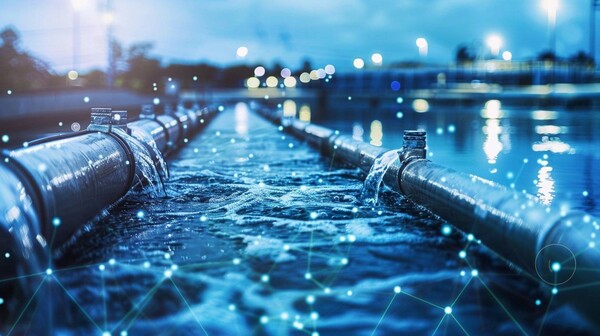
디지털 물관리(Digital Water Management)는 AI(인공지능), IoT(사물인터넷) 센서, 디지털 트윈의 통합은 실시간 모니터링과 자동 제어를 가능하게 함으로써 물 시스템을 혁신하고 있다. 이러한 기술은 수질을 개선하고 폐기물을 줄이며 자원 할당을 최적화한다. [사진출처(Photo source) = 보다폰(Vodafone)]
■ 주요 과제
·높은 자본 및 운영비용(High Capital and Operating Costs) 첨단 상하수도 처리 장비 도입에 있어 가장 큰 장애물 중 하나는 설치에 필요한 높은 초기 자본 투자이다. 역삼투압(RO) 및 첨단 여과(advanced filtration)와 같은 시스템은 설치비용이 수백만 달러가 들 수 있어 예산이 제한된 중소기업이나 지자체에서는 설치가 불가능하다.
예를 들어 역삼투압 시스템을 설치하는 데 드는 비용은 운영 규모와 복잡성에 따라 50만 달러(약 7억 2천400만 원)에서 1천만 달러(약 145억 원)까지 다양할 수 있다. 또한 에너지 소비, 유지보수, 인건비와 같은 운영 비용으로 인해 총 소유 비용이 증가할 수 있다.
·에너지 소비(Energy Consumption) 수처리 공정, 특히 담수화 및 역삼투압과 관련된 공정은 에너지 집약적이다. 예를 들어 담수화 플랜트는 생산된 물의 세제곱미터(㎥) 당 최대 3∼6kWh의 에너지를 소비할 수 있다.
이러한 높은 에너지 소비는 운영비용을 증가시킬 뿐만 아니라 특히 화석 연료에서 주로 에너지를 공급받는 지역의 환경 문제에도 기여한다. 이처럼 높은 에너지 비용으로 인해 이미 전력 부족이나 높은 전기 비용에 직면한 지역에서는 수처리의 지속가능성이 떨어지고 경제성이 떨어질 수 있다.
·기술적 한계(Technological Limitations) 기술의 발전에도 불구하고 현재의 수처리 장비는 효율성과 확장성에 한계가 있는 경우가 많다. 예를 들어 RO와 같은 막 여과 기술은 상당한 발전을 이루었지만 오염, 막힘, 높은 유지관리 요구사항과 같은 문제로 여전히 어려움을 겪고 있다.
막 표면에 오염물질이 축적되어 발생하는 막 오염은 효율성을 낮추고 청소 비용을 최대 30%까지 증가시킬 수 있다. 이로 인해 작동하지 않는 시간(downtime)이 증가하고 운영 효율성이 감소하여 지속적인 물 공급이 중요한 산업에서 특히 어려울 수 있다.
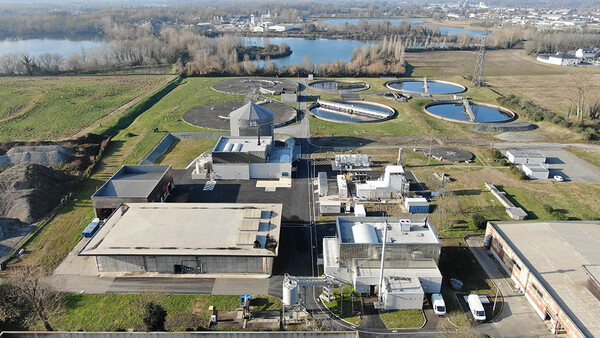
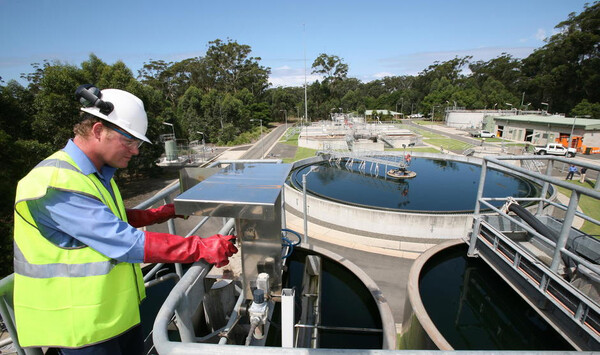
지방자치단체는 공중 보건과 환경을 보호하기 위해 첨단 수처리 기술에 의존한다. 하수에서 오염물질과 병원균을 제거하기 위해서는 막 여과, 첨단 산화, 생물학적 처리와 같은 기술이 필수적이다. [사진출처(Photo source) = 수에즈(Suez)]
·수질 변동성(Water Quality Variability) 계절적 변화, 오염 또는 산업 오염물질의 존재로 인한 수질 변동은 처리 시스템의 성능에 영향을 미칠 수 있다. 예를 들어, 농업 관개에 사용되는 물에는 염분이나 유기물이 많이 포함되어 있어 제대로 관리하지 않으면 처리 장비가 손상될 수 있다.
산업 환경에서는 폐수에 특수 처리 방법이 필요한 중금속, 오일 또는 화학물질이 포함될 수 있다. 지역마다 수질이 다르기 때문에 처리 장비의 비용과 복잡성은 이러한 특정 문제를 해결하기 위해 조정되어야 한다. 이러한 변동을 처리하도록 시스템이 설계되지 않으면 처리 과정의 효율성이 떨어지고 비효율적일 수 있다.
·숙련된 인력 부족(Lack of Skilled Labo) 고급 수처리 시스템을 운영하고 유지하려면 전문 지식과 숙련된 인력이 필요하다. 많은 개발도상국에서는 이러한 복잡한 시스템을 운영하고 유지할 수 있는 숙련된 인력이 부족하다.
[원문보기]
Water and Wastewater Treatment Equipment Market Size | CAGR 5.5%
Market.us News, we strive to bring you the most accurate and up-to-date information by utilizing a variety of resources, including paid and free sources, primary research, and phone interviews.
At Market.us News, We strive to bring you the most accurate and up-to-date information by utilizing a variety of resources, including paid and free sources, primary research, and phone interviews. Our data is available to the public free of charge, and we encourage you to use it to inform your personal or business decisions.
If you choose to republish our data on your own website, we simply ask that you provide a proper citation or link back to the respective page on Market.us News. We appreciate your support and look forward to continuing to provide valuable insights for our audience.
The global water and wastewater treatment equipment market is expected to experience significant growth, projected to rise from USD 58 billion in 2023 to approximately USD 100 billion by 2033, reflecting a compound annual growth rate (CAGR) of 5.5%. This growth is primarily driven by the increasing demand for clean water, accelerated by urbanization, stricter regulatory pressures for wastewater treatment and reuse, and advancements in treatment technologies.
However, the sector faces several challenges, notably the high capital and operational costs of advanced water treatment technologies. These costs can be especially burdensome in developing regions, where budget constraints are more pronounced.
Additionally, managing complex wastewater treatment projects and the need for constant technological innovation to comply with evolving regulatory standards add operational complexity.
Recent developments underscore the sector’s dynamic nature, with major companies like Veolia and Suez expanding through strategic acquisitions to enhance their technological capabilities and market presence.
A key example is Suez’s acquisition of Veolia’s former UK-based waste-treatment unit for USD 2.42 billion, highlighting the industry’s consolidation efforts aimed at strengthening service offerings and market positions.
Key Takeaways
Water and Wastewater Treatment Equipment Market set to reach USD 100 billion by 2033, with a 5.5% CAGR from 2023.
Membrane Separation technology captured 43.2% market share in 2023, vital for water purification.
Filtration (34.3% market share) removes impurities, while adsorption tackles organic compounds and heavy metals.
Primary Treatment Dominance Captured 49.3% market share in 2023, essential for removing solids and organic matter from wastewater.
Municipal Application Dominance Captured 69.3% market share in 2023, crucial for ensuring public health and environmental protection.
Asia Pacific Market Leadership Held a commanding 38.4% market share, driven by industrial activities and urbanization.
Water and Wastewater Treatment Equipment Statistics
Population Served: The WWTP serves 140,000 equivalent inhabitants during the high season and 69,000 off-season.
Wastewater Input: Wastewater is collected from various locations through 14 pumping stations.
Flow Rates: Maximum flow rates are 745 liters per second (l/s) during the high season and 322 l/s off-season.
Daily Wastewater Processed : Approximately 34 billion gallons are treated daily in the U.S.
Infrastructure Investment Needed : An estimated $271 billion is required over the next 25 years for maintenance and improvements of water facilities.
Energy and Environmental Impact
US Electricity Usage for Water Treatment : Water treatment processes account for about 4% of the total U.S. electricity consumption, or 30.2 billion kWh annually.
Energy Efficiency with LEDs : Retrofitting HID lighting with LEDs can reduce energy consumption by up to 70%.
CO2 Emission Reduction : Switching to LEDs can also cut CO2 emissions by up to 65%.
Plant Lifespan : Many wastewater treatment plants are designed to last 40 to 50 years.
Lighting in Plants : Lighting makes up about 25% to 40% of a plant’s electrical usage.
Innovation and Patents in Wastewater Treatment
Patents : Over 42.5% of patents in the wastewater treatment (IWT) sector focus on device-related technologies.
Patent Growth : Annual patent filings in this sector have increased almost 1,200-fold over the past 47 years, showing significant innovation and growth in wastewater technology.
Emerging Trends
Digital Water Management : The integration of AI, IoT sensors, and digital twins is transforming water systems by enabling real-time monitoring and automated control. These technologies enhance water quality, reduce waste, and optimize the allocation of resources.
For instance, predictive maintenance and leak detection using AI can significantly cut operational costs and prevent service interruptions. This smart management approach also aids in optimizing water distribution and consumption, crucial for areas facing water scarcity.
Advanced Filtration Technologies : Nanotechnology is revolutionizing filtration systems, especially with the development of advanced membranes capable of removing micropollutants such as pharmaceuticals, heavy metals, and bacteria from water. These innovations improve water quality by enabling more efficient purification with fewer chemicals. For example, nano-structured filters can enhance membrane performance, extending their lifespan and reducing energy consumption.
Decentralized Water Treatment : Decentralized systems are gaining traction, especially in rural and developing regions where centralized water infrastructure may not be viable. These modular systems allow for on-site water treatment, offering greater flexibility, scalability, and lower installation costs. They are particularly suited for small communities or industries with unique water treatment needs, reducing dependence on large-scale infrastructure and increasing resilience to local water shortages.
Sustainable Materials and Processes : The water treatment sector is increasingly adopting sustainable materials and processes. Bio-based remediation methods, such as algae-based systems or microbial fuel cells, offer eco-friendly alternatives to traditional chemical treatments.
Carbon-based purification materials are also being explored for their ability to filter contaminants more efficiently while minimizing environmental impact. These innovations align with growing demand for sustainable and low-carbon water management solutions.
Desalination Technologies : With rising concerns over water scarcity, desalination technologies are advancing. Modern desalination methods are incorporating renewable energy sources like solar and wind to reduce the high energy demands typically associated with these processes.
Furthermore, more efficient reverse osmosis systems and innovative desalination methods are helping lower the economic and environmental costs of converting seawater into freshwater, making it a more viable solution for water-stressed regions.
Water Reuse and Recycling : As water scarcity becomes an increasing concern, water reuse and recycling technologies are gaining importance. These systems are designed to treat wastewater and make it safe for reuse in agricultural, industrial, or even potable applications.
Use Cases
Industrial Applications : In industrial environments, water treatment plays a crucial role in managing waste products and ensuring compliance with environmental regulations. One key example is the use of tramp oil separators in industries such as manufacturing and automotive.
These separators remove oils and greases from wastewater, preventing contamination and protecting water quality. By ensuring that wastewater is treated effectively, these systems help industries adhere to stringent environmental standards while also reducing water pollution.
Municipal Wastewater Management : Municipalities rely on advanced water treatment technologies to protect public health and the environment. Techniques like membrane filtration, advanced oxidation, and biological treatments are essential for removing pollutants and pathogens from wastewater.
These processes make water safe for either discharge into natural water bodies or reuse for purposes such as irrigation or industrial applications. By utilizing these technologies, municipalities can significantly improve water quality and contribute to sustainable water management practices.
Agriculture : Treated wastewater is becoming an increasingly valuable resource in agriculture. It is being used for irrigation, offering a sustainable alternative to fresh water while simultaneously reducing the demand for synthetic fertilizers.
The nutrient content of treated wastewater, which can include nitrogen and phosphorus, benefits crop growth and enhances soil quality. This approach helps conserve fresh water resources, making it particularly valuable in water-scarce regions.
Smart Water Management : The integration of digital technologies like AI, IoT, and digital twins is revolutionizing water treatment processes. These innovations enable real-time monitoring of water quality and optimize treatment operations, making the process more efficient and cost-effective.
Smart water management systems not only help in improving water recovery rates but also reduce operational costs by predicting issues before they occur and streamlining maintenance activities.
Decentralized Systems for Rural Areas : For rural areas, where large-scale water treatment infrastructure may be impractical or too expensive, decentralized water treatment systems are proving to be an effective solution.
These smaller, modular setups are designed to be cost-efficient, easy to install, and low-maintenance. They provide remote communities with a sustainable, reliable means of ensuring access to clean water, enhancing both public health and quality of life in areas where centralized systems are not feasible.
Major Challenges
High Capital and Operating Costs : One of the most significant barriers to the adoption of advanced water and wastewater treatment equipment is the high initial capital investment required for installation. Systems like reverse osmosis (RO) and advanced filtration can cost millions of dollars to set up, making them prohibitive for small to medium-sized enterprises (SMEs) or municipalities with limited budgets.
For example, the cost of setting up a reverse osmosis system can range from $500,000 to $10 million, depending on the size and complexity of the operation. In addition, operating costs such as energy consumption, maintenance, and labor can increase the total cost of ownership.
Energy Consumption : Water treatment processes, especially those involving desalination and reverse osmosis, are highly energy-intensive. For example, desalination plants can consume up to 3-6 kWh of energy per cubic meter of water produced. This high energy consumption not only raises operating costs but also contributes to environmental concerns, particularly in regions where energy is primarily sourced from fossil fuels. The energy costs can make water treatment less sustainable and less economically viable in areas that are already facing power shortages or high electricity costs.
Technological Limitations : Despite advancements in technology, current water treatment equipment often faces limitations in efficiency and scalability. For instance, while membrane filtration technologies like RO have made significant strides, they still struggle with issues like fouling, clogging, and high maintenance requirements.
Membrane fouling, caused by the accumulation of contaminants on the membrane surface, can reduce efficiency and increase cleaning costs by up to 30%. This leads to higher downtime and reduced operational efficiency, which can be particularly challenging for industries where continuous water supply is crucial.
Water Quality Variability : Variations in water quality due to seasonal changes, pollution, or the presence of industrial contaminants can affect the performance of treatment systems. For example, water used in agricultural irrigation may contain high levels of salts or organic matter, which can damage treatment equipment if not properly managed.
In industrial settings, wastewater might contain heavy metals, oils, or chemicals that require specialized treatment methods. As water quality varies across different regions, the cost and complexity of treatment equipment must be tailored to address these specific challenges. The treatment process can become less effective if the system is not designed to handle these variations, leading to inefficiencies.
Lack of Skilled Labor : Operating and maintaining advanced water treatment systems requires specialized knowledge and skilled labor. In many developing regions, there is a shortage of trained personnel to operate and maintain these complex systems. [계속]
[출처 = 마켓 US(Market.US)(https://www.news.market.us/water-and-wastewater-treatment-equipment-market-news-2024/) / 2024년 12월 13일]
|  즐겨찾기 추가
 시작페이지로 설정
























