[미국] 제이콥스, 물연구재단 지원으로 물 부문 아산화질소 배출 연구 수행
아산화질소·메탄, 상하수 유틸리티 온실가스 배출량에 최대 75% 차지
25개 파트너 상하수 유틸리티 및 프린스턴 대학교와 협력해 업계 최초 아산화질소 모니터링 프로젝트 제공
수자원 회수시설 아산화질소 배출량 정량화 및 완화 위해 데이터베이스 및 의사결정도구 개발 예정
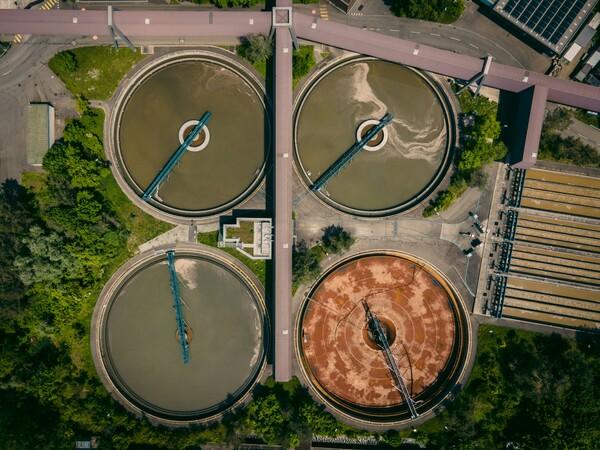
제이콥스(Jacobs)는 미국 물연구재단(Water Research Foundation, WRF)에서 자금을 지원받아 수자원 회수 시설(WRRFs)에서 발생하는 아산화질소(N₂O) 배출에 대한 글로벌 이해와 완화를 증진하는 연구 프로젝트를 주도하고 있다. [사진출처(Photo Source) = 언플래시(Unsplash)]
제이콥스(Jacobs)는 미국 물연구재단(Water Research Foundation, WRF)에서 자금을 지원받아 수자원 회수 시설(WRRFs)에서 발생하는 아산화질소(N₂O) 배출에 대한 글로벌 이해와 완화를 증진하는 연구 프로젝트를 주도하고 있다.
제이콥스는 25개 파트너 상하수 유틸리티와 프린스턴 대학교와 협력해 업계 최초의 N₂O 모니터링 프로젝트를 제공할 예정이다. 이 프로젝트에는 유틸리티의 N₂O 위험에 대한 이해도를 높이고, 완화 조치를 파악하는 것을 지원하는 프로젝트 데이터베이스와 의사 결정 지원 도구가 포함된다.
국가가 에너지 공급을 탈탄소화함에 따라 하수처리 과정에서 발생하는 N₂O와 메탄의 직접적인 배출량은 상하수 유틸리티에서 보고되는 온실 가스(GHG) 배출량의 최대 75%를 차지할 수 있다. N₂O는 이산화탄소(CO₂)보다 지구 온난화 잠재력(GWP)이 273배 더 높으며, WRRFs의 생물학적 처리 과정에서 생상된다.
재생 에너지 도입으로, 에너지 관련 배출량이 크게 감소한 국가에서는 부문별 탄소중립(Net Zero) 계획을 수립했다. 일례로, 덴마크는 최근 WRRFs에서 N₂O 배출량을 50% 줄이겠다는 목표를 지원하기 위해 N₂O 규제에 대한 제안을 발표했다. 스위스는 혁신적인 N₂O 감축 프로그램을 마련한 반면, 영국, 호주, 뉴질랜드는 범위 1 배출량을 줄이기 위한 부문별 및 유틸리티 수준의 목표를 설정했다.
WRRFs의 N₂O 배출량은 현장별 조건에 따라 매우 복잡하고 변동성이 크므로 정확한 모니터링, 정량화 및 완화에 어려움이 있다. 이 연구 프로젝트는 일반적인 처리 공정을 사용하는 여러 WRRFs에서 전체 플랜트 N₂O 배출량 추정치를 개발함으로써 N₂O 배출량에 대한 이해를 개선할 것이다. 추정치는 파트너 유틸리티 시설에서 최소 1년 동안 지속적인 온라인 모니터링을 통해 개발될 것이다. 이 프로젝트는 업계 최초의 N₂O 데이터베이스에 추가 데이터를 포함해 수집되며, WRRFs에서 N₂O 정량화 및 완화를 위한 표준 방법론과 지침을 제공하고 유틸리티 및 국가 수준의 구현을 지원하는 의사 결정 도구를 제공할 것이다.
엠마 쉔(Emma Shen) 제이콥스의 하수 에너지 최적화 및 부문 탈탄소화 글로벌 수석은 "기후 완화에 있어 하수처리 공정에서 발생하는 배출량을 줄이는 것은 물 부문에서 매우 중요하고, WRRFs에서 N₂O 생산 및 감소 잠재력을 이해하려는 공동의 노력이 필요하다"며 "이번 물연구재단 프로젝트는 제이콥스의 기술 전문성과 온실가스 배출을 해결하는 유틸리티의 글로벌 네트워크 협력을 바탕으로 N₂O 모니터링 및 완화에 대한 실질적인 지침을 개발할 것"이라고 말했다.
연구 결과는 제이콥스가 지원을 받는 별도의 물연구재단 프로젝트에도 기여할 것이며, 이 프로젝트는 미국 내 물 유틸리티를 위한 온실가스 배출 데이터 라이브러리를 개발하고 있다.
[원문보기]
Jacobs to Advance Nitrous Oxide Emissions Research in the Water Sector
New project for The Water Research Foundation will develop an industry-first database and decision support tool for N₂O quantification and mitigation
Jacobs is leading a research project funded by The Water Research Foundation (WRF) that will advance global understanding and mitigation of nitrous oxide (N₂O) emissions from water resource recovery facilities(WRRFs).
In collaboration with 25 partner water and wastewater utilities and Princeton University, Jacobs will deliver an industry-first N₂O monitoring project, including a project database and decision support tool providing utilities with an improved understanding of N₂O risks and mitigation measures.
As countries and states decarbonize their energy supplies, direct process emissions of N₂O and methane produced during wastewater treatment can account for up to 75% of the greenhouse gas (GHG) emissions reported by water and wastewater utilities. N₂O – which has a global warming potential (GWP) 273 times higher than CO₂ – is produced during the biological treatment processes at WRRFs.
In countries where energy-related emissions have come down significantly due to the adoption of renewable electricity, ambitious net zero plans have been set at the sector level. Denmark, for example, has recently published a proposal for N₂O regulation to support their ambition to reduce N2O by emissions by 50% at WRRFs. In Switzerland, an innovative N2O abatement program exists, while in the U.K., Australia and New Zealand, ambitious sector-level and utility level targets are being set to reduce Scope 1 emissions.
N₂O emissions at WRRFs are highly complex and variable depending on site-specific conditions, creating challenges for accurate monitoring, quantification and mitigation. The research project will improve understanding of N₂O emissions by developing whole-plant N₂O emissions estimates across multiple WRRFs that employ commonly used treatment processes.
The estimates will be developed by implementing continuous online monitoring for a minimum one-year period at partner utilities’ facilities. Compiled with additional industry data in a first-of-its kind N₂O database, the project will provide standard methodologies and guidance for N₂O quantification and mitigation at WRRFs and a decision-making tool to support utility and country-level implementations.
“Reducing process emissions is critical to the water sector’s role in climate mitigation and requires concerted action to understand N₂O production and reduction potential at water resource recovery facilities,” says Jacobs Global Principal for Wastewater Energy Optimization and Sector Decarbonization Emma Shen. “This Water Research Foundation project will develop practical guidance for N₂O monitoring and mitigation, drawing on our technical expertise at Jacobs and a collaborative global network of utilities tackling greenhouse gas emissions.”
The research findings will also contribute to a separate WRF project, supported by Jacobs, which is developing a GHG emissions data library for water utilities in the U.S.
[출처 = 제이콥스(Jacobs)(https://www.jacobs.com/newsroom/news/jacobs-advance-nitrous-oxide-emissions-research-water-sector) / 2024년 12월 17일]
|  즐겨찾기 추가
 시작페이지로 설정
























