물 관련 정보를 제공하는 미국의 『워터온라인(WaterOnline.com)』은 디지털 혁신 잡지인 『Revolutionized(revolutionized.com)』의 편집장인 에밀리 뉴톤(Emily Newton) 산업저널리스트가 기고한 ‘2025년, 중요한 수자원 인프라 현대화에 초점을 맞추다(2025 Brings Focus On Critical Water Infrastructure Modernization)’라는 제목의 칼럼을 최근 게재했다. 그 내용을 소개한다.
2025년에는 지방자치단체의 수도 종사자들이 물 인프라(물 기반시설) 업그레이드를 설치하기 위해 열심히 노력할 것이다. 현대화는 이미 오래 전에 이루어졌지만, 낡은 것을 고수하는 결과로 인해 새로운 것의 시행이 지연되고 있다. 2025년에는 도시와 유틸리티회사(공공수도회사)가 어떻게 협력하여 물 인프라에 새로운 활력을 불어넣을 수 있을까?
물 인프라를 개편해야 하는 이유
미국 토목학회(American Society of Civil Engineers) 4년마다 220만 마일(약 354만557km)에 달하는 수도관을 포함한 미국 물 인프라의 현재 상태를 자세히 설명하는 성적표(report card)를 발표하고 있다.
지난 2021년에 마지막 검토를 수행하여 식수가 C-(C 마이너스) 등급을 받았다. 주요 관심사는 자금 부족과 수도관의 노후화였다. 안전한 식수를 운송할 수는 있지만, 전국적으로 2분마다 주요 단수가 발생한다. 따라서 수도시설의 안정성에 의문이 제기되고 있다.
안타깝게도 물 인프라 업그레이드에 대한 투자는 수년 동안 국가적 요구에 부응하지 못했다. 따라서 2025년에는 이러한 상황이 바뀌어야 한다. 수도 종사자들은 여전히 값비싼 규정 준수 감사 비용과 유지 보수비용 증가에도 불구하고 이러한 부담에 직면해 있다. 운영비용도 증가하고 있다. 이러한 문제는 미국의 문제이기도 하지만 전 세계적인 문제이기도 하다.
설문조사에 따르면 미국이 전면적인 개혁을 위해 필요한 금액이 얼마인지 집계되었다. 하수 및 빗물과 함께 식수 인프라를 고려할 때 미국은 향후 20년 동안 무려 1조 2천억 달러(약 1천723조 4천400억 원)를 확보해야 한다. 이는 『수질오염방지법(Clean Water Act)』의 기준을 충족하고 수명이 다하는 수백만 개의 수도관을 교체하는 것이다.
자금을 조달해야 하는 이니셔티브 중 일부는 △비점오염원 소스 제어(Nonpoint source control) △분산 하·폐수 처리(Decentralized wastewater treatment) △물산업의 일자리 창출(Job vacancies in the water industry) △새로운 오염물질에 대한 연구(Research on emerging contaminants) △하수 재활용(Wastewater recycling) △처리시설 개선 및 확장(Treatment plant improvements and expansion) 등이다.
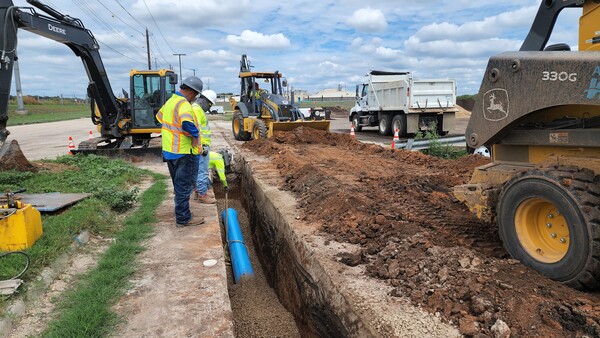
물 인프라 업그레이드에 대한 투자는 수년 동안 국가적 요구에 부응하지 못했다. 따라서 2025년에는 이러한 상황이 바뀌어야 한다. 수도 종사자들은 여전히 값비싼 규정 준수 감사 비용과 유지 보수비용 증가에도 불구하고 이러한 부담에 직면해 있다. 운영비용도 증가하고 있다. 이러한 문제는 미국의 문제이기도 하지만 전 세계적인 문제이기도 하다. [사진출처(Photo source) = 텍사스 오스틴워터]
자연재해 회복력과 물 업그레이드의 관계
자연재해 회복력은 정부가 고려해야 할 또 다른 비용이다. 중요한 물 인프라는 노후화로 인해 취약하며, 주로 홍수로 인해 넘칠 때 그렇다. 수도관이 갈라지고 파열되면 자동차, 주택 및 자원에 대한 치명적인 영향 외에도 지역 사회에 더 많은 피해를 입힌다.
이러한 시나리오에서 정부 지출은 수도관 처리 장비를 보강하는 대신 재건 및 복구에 자금을 투입해야 한다. 이 전략은 종종 영구적인 교체 대신 물 인프라에 대한 임시 수정을 권장한다. 악천후가 발생하고 인프라가 우선순위에서 제외됨에 따라 이러한 방치는 계속될 것이다.
미국 앨라배마주 모빌 카운트에 있는 프리차드(Prichard)를 비롯한 지역 주민들은 이러한 소홀감을 느끼고 있다. 이 마을은 수도 시스템의 고장으로 인해 극심한 홍수와 화재로 고통받고 있다. 누수로 인해 매달 구매하는 수돗물의 60%가 손실되고 있다. 새로운 수도 인프라는 혹독한 날씨에 대비하여 더 안정적인 물 공급을 제공할 할 수 있다.
물 기반시설의 업그레이드를 거부하는 것은 프리차드 지역이 주로 흑인 마을이기 때문에 환경정의(environmental justice) 문제도 강조한다. 유색인종, 장애인 등이 있는 소수자 커뮤니티는 불균형한 기후 문제에 직면해 있다. 물 인프라에 대한 부주의는 사회적 불평등을 심화시키고 이러한 가정에 과도한 압력을 가한다. 프리차드와 같은 마을은 내구성을 높이는 것 외에도 적응력 있고 역동적인 물 인프라가 필요하다.
특히, 다양한 예산 역량을 통해 복원력을 향상시킬 수 있다. 공공수도회사는 새로운 비용의 일부로 내구성과 지속 가능성을 높이는 개조 장비를 사용하는 것으로 시작할 수 있다. 또한 지역 사회는 주거용 빗물 수집 시스템을 설치하거나 처리수 재사용에 대한 교육과 같은 수자원을 다양화할 수 있는 방법을 찾을 수도 있다.
2025년에 기대되는 수자원 인프라 업그레이드
상수도기관들이 조건과 자금 및 자원을 어떻게 배분해야 하는지를 알고 고안한 가장 혁신적인 해결책은 다음과 같다.
■ 100년 홍수 모델의 변경(Changing the 100-Year Flood ModelZ) 이는 가시적인 업그레이드는 아니지만, 인력은 미래에 정보를 제공하기 위해 새로운 예측 및 분석 기술을 사용해야 한다. 물 전문가들은 수십 년 동안 사회, 환경(또는 생태) 및 경제의 세 부분으로 구성된 회계 프레임워크인 ‘트리플 바텀 라인(triple bottom line)’과 100년 홍수 모델을 사용해 왔으며, 이 모델은 과거 데이터를 활용하여 미래의 필요를 이해해 왔다.
그러나 과거는 더 이상 향후 몇 년을 정확하게 반영하지 못한다. 개인 및 기업의 소비는 물 부족의 만연과 함께 증가했다. 동시에 강우 패턴은 기후변화로 인해 그 어느 때보다 예측할 수 없다. 과거의 물 패턴과 현대의 현실 사이의 이러한 유사점은 해가 갈수록 점점 더 달라지고 있다.
일부 사람들은 그 대신 지난 수십 년 동안의 폭풍우(storms)만 살펴보자고 제안하는데, 그 이유는 폭풍우가 현대의 추세와 더 밀접하게 닮은 강도를 포함하기 때문이다. 관점을 지난 세기로 확장하면 이해가 너무 왜곡되고 물 인프라에 필요한 진정한 재작업을 과소 평가할 수 있다.
■ 린 수처리 도입(Adopting Lean Water Treatment) 상하수도 처리 시설은 매년 새로운 오염물질이 발견된다. 처리 시설은 국가를 더 안전하게 만들기 위해 오염물질을 제거하는 방법을 발견 및 개발하여 처리해야 하는 책임이 있다. 이 연구에는 에너지 및 노동 집약적인 운영 처리 활동 외에도 돈과 시간이 필요하다.
조직이 더 생산적으로 운영하기 위해 에너지와 자원을 절감하는 린 이데올로기(lean ideologies)를 도입하면 기술 혁신이 촉진된다. 이는 물을 보다 포괄적으로 처리할 수 있는 문을 열어준다.
예를 들어, 일부 처리장에서는 막 폭기 생물막 반응기(membrane-aerated biofilm reactors, MABR)를 구현하고 있다. 기존의 활성 슬러지 처리 시설은 기존 전략에 비해 영양소 제거에 필요한 정상 에너지 요구량의 5분의 1에 불과했다. 보다 효과적인 기술을 통해 이와 같은 전력 수요를 낮추면 처리 시설은 새로운 오염물질을 제거하는 데 더 빠르게 나아갈 수 있다.
■ 차세대 센서기술 설치(Installing Next-Generation Sensor Technologies) 펌프부터 폭기 탱크에 이르기까지 물 인프라의 모든 측면을 원격으로 모니터링한다고 상상해 보자. 마이크로 전자기계 시스템(Micro-electromechanical systems, MEMS)에는 기존의 감독 프로세스보다 누수와 위험을 조기에 감지할 수 있는 첨단 노이즈 로거(advanced noise logger), 가속도계(accelerometer), 수중청음기(hydrophone) 등이 포함되어 있다. 이러한 소형 장치는 빠르고 수도관 내 설치, 경보 시스템, 장거리 통신을 갖춘 시장에서 가장 정확한 장치 중 하나이다.
또한 하·폐수 작업자는 감독 제어 및 데이터 수집(Supervisory Control And Data Acquisition, SCADA) 시스템과 같은 설정도 고려해야 한다. 이러한 설정은 다양한 애플리케이션에 대한 데이터를 수집한다. 예를 들어, 기업은 이 정보를 디지털 트윈에 입력하여 새로운 시설 청사진을 시뮬레이션할 수 있다.
이 프로그램은 그 효과와 잠재적인 문제점을 파악할 수 있다. 이는 수자원 프로젝트의 모습을 정확하게 묘사하여 자원과 시간 낭비를 방지한다. 기업과 투자자는 현대적인 기대치를 충족하기 위해 개조에 의존하는 대신 첫 번째 시도에서 최첨단 기술을 구축할 가능성이 높다.
■ 입법 옹호(Advocating For Legislation) 미국의 「초당적 인프라법(Bipartisan Infrastructure Law)」은 2021년에 통과되었으며, 국가의 수자원 자산과 공급을 늘리기 위해 500억 달러(약 71조 8천100억 원)를 포함하고 있으며, 지금까지 130억 달러(약 18조 6천706억 원)가 배분되었다.
이 프로젝트는 가장 시급한 문제에 집중하기 위해 각 주에 자금을 지원했다. 2025년에는 더 많은 주에서 자금을 지원받아 프로젝트를 착공할 것이기 때문에 연방정부의 지원이 광범위한 시스템 개발의 주요 동력임을 증명할 것이다.
여기에는 △‘영원한 화학물질’인 PFAS(퍼플루오로알킬 및 폴리플루오로알킬 물질) 처리 △소외된 지역사회에 힘을 실어주기 △수자원 인력 활성화 △납 함유 수도관 교체 등이 포함된다.
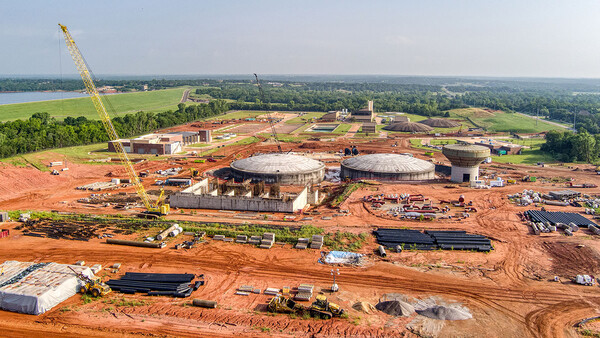
오클라호마주 에드먼드(Edmond)에서는 수돗물 공급 및 홍수 조절의 주요 원천인 아카디아 호수(Arcadia Lake)의 취수 구조를 갱신하고 있다. 2천만 달러(약 287억 2천400만 원)의 비용이 들고 여러 단계의 공사가 필요하지만, 이는 이 지역 사회에 안정을 되찾아줄 것이다. [사진출처(Photo source) = 에드먼드 공공사업청(Edmond Public Works Authority)]
이러한 자금으로 인해 진행 중인 이니셔티브에는 어떤 것이 있나 살펴보면, 오클라호마주 에드먼드(Edmond)에서는 수돗물 공급 및 홍수 조절의 주요 원천인 아카디아 호수(Arcadia Lake)의 취수 구조를 갱신하고 있다. 2천만 달러(약 287억 2천400만 원)의 비용이 들고 여러 단계의 공사가 필요하지만, 이는 이 지역 사회에 안정을 되찾아줄 것이다.
또 다른 성공사례는 미네소타주 실버 레이크(Silver Lake)에 있다. 주요 댐은 지역사회에 많은 도움이 되지만 호수의 생태계를 손상시켰다. 이러한 문제를 해결하려면 퇴적물 제거와 같은 현대식 댐 개조와 환경개선의 균형이 필요하다. 이러한 프로젝트는 수생생물과 도시의 빗물 배수 효율성에 대한 더 밝은 미래를 약속할 것이다.
현대적 요구사항은 현대적 인프라를 요구
수많은 마을에서 향후 몇 년 동안 강우량이 증가할 것으로 예상하고 있다. 높은 물 수요를 나타내는 인구 증가에 대한 이러한 우려가 가중되면 가장 준비된 지역사회에도 부담이 될 것이다.
이러한 이유로 2025년에는 수도 종사자들이 현대화와 업그레이드에 집중할 것이다. 따라서 조직, 계약업체, 정부는 사회를 보호하고 개선하기 위해 내년 의사 결정에 이러한 동기를 활용해야 한다.
[원문보기]
2025 Brings Focus On Critical Water Infrastructure Modernization
Local municipalities’ water workers will be working hard in 2025 to install infrastructure upgrades. Modernization is long overdue, and the consequence of holding onto the old is stalling the implementation of the new. How will cities and utility companies collaborate to ensure the coming year breathes new life into water infrastructure?
Why Water Infrastructure Needs An Overhaul
Every four years, the American Society of Civil Engineers releases a report card detailing the current state of American infrastructure, which includes 2.2 million miles of pipes.
It performed the last review in 2021, in which drinking water received a C- grade. The main concerns were inadequate funding and how old the pipes were. They could transport safe drinking water, but a water main break happens every two minutes in the nation. Their stability is in question.
Unfortunately, investments in water infrastructure upgrades have not matched national needs for years. This must change in 2025. Water workers face these burdens while still paying for expensive compliance audits and increasing maintenance costs. Operational expenses are rising, too. While these are problems in the U.S., they are also worldwide issues.
A collection of surveys tallied the amount the U.S. needs to fund a complete overhaul. When considering drinking water infrastructure alongside wastewater and stormwater, America must front $1.2 trillion in the next 20 years. This would meet the standards of the Clean Water Act and get rid of millions of pipes reaching the end of their lifecycle. These are some of the initiatives the money must fund:
Nonpoint source control
Decentralized wastewater treatment
Job vacancies in the water industry
Research on emerging contaminants
Wastewater recycling
Treatment plant improvements and expansion
How Natural Disaster Resilience Relates to Water Upgrades
Natural disaster resilience would be another expense governments must consider. Critical water infrastructure is vulnerable because of its age, primarily when overwhelmed with floodwaters. Pipes that split and burst cause more damage to communities on top of the catastrophic impact on cars, homes, and resources.
In these scenarios, governmental spending must divert money to rebuilding and recovery instead of reinforcing pipes and treatment equipment. The strategy often encourages temporary fixes to water infrastructure instead of permanent replacements. The neglect will continue as severe weather events rise and infrastructure is dismissed as a priority.
Neighborhoods feel this neglect, including Prichard, Alabama. The town suffers from intense floods and fires because of its failing water systems. Leaks cause it to lose 60% of its purchased freshwater monthly. New water infrastructure would provide more stability to fend off intense weather.
The refusal to tend to water infrastructure upgrades also highlights an environmental justice issue, as Prichard is a predominantly Black town. Minority communities with people of color, individuals with disabilities and others face disproportionate climate concerns. Inattentiveness to water infrastructure deepens societal injustices and places undue pressure on these households. Towns like Prichard would need adaptive, dynamic water infrastructure in addition to increased durability.
Enhancing resilience is possible with various budgetary capabilities. Water companies could start by using reconditioned equipment, which boosts durability and sustainability at a fraction of the cost of new. Communities could also find ways to diversify water resources, such as installing residential rainwater harvesting systems or educating on treated water reuse.
Water Infrastructure Upgrades To Expect In 2025
These are the most innovative solutions waterworks have devised, knowing the conditions and how they should allocate money and resources.
Changing the 100-Year Flood Model
While this is not a tangible upgrade, the workforce must use new predictive and analytics techniques to inform the future. Water experts have used the triple bottom line and 100-year flood model for decades, which has leveraged past data to understand future needs.
However, the past no longer accurately reflects the coming years. Individual and corporate consumption has escalated alongside the pervasiveness of water scarcity. Simultaneously, rainfall patterns are as unpredictable as ever. These similarities between past water patterns and modern realities are becoming more dissimilar by the year.
Some suggest only looking at the last several decades of storms instead because they encompass the intensity more closely resembling modern trends. Extending the view to the past century would skew understanding too much and underestimate the genuine rework water infrastructure requires.
Adopting Lean Water Treatment
Treatment facilities encounter new contaminants yearly. They are responsible for discovering how to remove them to make nations safer. The research requires money and time, in addition to the energy- and labor-intensive operational treatment activities.
Instituting lean ideologies - where organizations cut energy and resources to run more productively - encourages technological innovation. This opens doors for treating water more comprehensively.
For example, some plants are implementing membrane-aerated biofilm reactors (MABR). A conventional activate sludge plant only needed one-fifth of its normal energy requirements for nutrient removal compared to traditional strategies. Lowering power demands like this with more effective technology means treatment plants can move faster toward clearing emerging pollutants.
Installing Next-Generation Sensor Technologies
Imagine remotely monitoring every aspect of water infrastructure, from pumps to aeration tanks. Micro-electromechanical systems (MEMS) include advanced noise loggers, accelerometers, hydrophones, and more to detect leaks and hazards earlier than traditional oversight processes. These tiny devices are some of the most accurate on the market, with fast, in-pipe installation, alarm systems, and long-range communications.
Wastewater workers should also consider setups like supervisory control and data acquisition (SCADA) systems. These collect data for numerous applications. For example, companies can enter the information into a digital twin to simulate a new facility blueprint.
The programs could determine their effectiveness as well as their potential pain points. These are accurate portrayals of what water projects could look like, which prevents resource and time wastage. Companies and investors are more likely to build something state-of-the-art on the first try instead of relying on retrofits to meet modern expectations.
Advocating For Legislation
The Bipartisan Infrastructure Law was passed in 2021 and includes $50 billion to boost the nation’s water assets and supply, with $13 billion distributed so far. The project awarded money to each state to focus on the most pressing issues. The coming year will prove how federal backing is a main driver for widespread systemic development because more states will receive funds and break ground on projects. These will include:
Addressing per- and polyfluoroalkyl substances (PFAS)
Empowering disadvantaged communities
Revitalizing the water workforce
Replacing lead service lines
What are some of the initiatives underway because of these funds? In Edmond, Oklahoma, water workers are renewing the intake structure for its main water distribution and flood control source, Arcadia Lake. It will cost $20 million and require several construction phases, but it will bring peace back to this community.
Another success story lies in Silver Lake, Minnesota. Its main dam serves the community well, but it has damaged the lake’s ecosystem. Fixing these issues requires a balance of modern dam modifications and environmental remediation, like sediment removal. These projects will promise a brighter future for aquatic life and the city’s stormwater drainage efficiency.
Modern Needs Demand Modern Infrastructure
Countless towns are projecting increased rainfall in the coming years. Compounding this concern on population growth, which signals high water demand, will burden even the most prepared communities. These reasons are why water workers will focus on modernization and upgrades in 2025. Organizations, contractors, and governments must use this motivation in their decision-making for the coming year to defend and improve society.
About The Author
Emily Newton is an industrial journalist. She regularly covers stories for the utilities and energy sectors. Emily is also editor in chief of Revolutionized (revolutionized.com).
 즐겨찾기 추가
 시작페이지로 설정