[필리핀] ADB, 네팔 녹색 개발 및 식수 안보 증진 위해 2억9천만달러 지원
카트만두 밸리 수도 시스템 강화해 2030년까지 최소 200만명에게 물공급
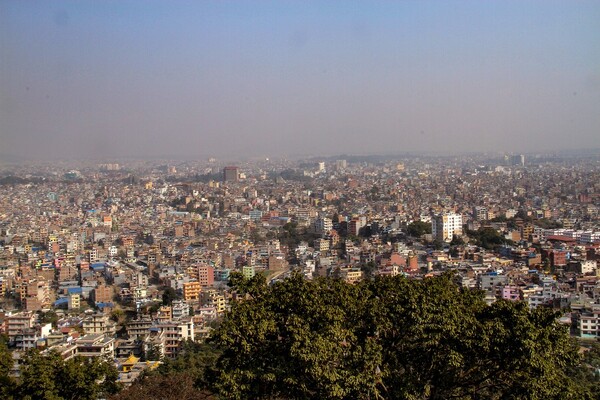
아시아개발은행(ADB)은 네팔이 보다 친환경적이고 회복탄력성 있는 국가로 거듭날 수 있도록 지원하기 위해 두 개의 프로젝트에 최대 2억8천800만 달러를 지원한다고 밝혔다. 사진은 네팔의 카트만두. [사진출처(Photo Source) = 픽사베이(Pixabay)]
아시아개발은행(ADB)은 네팔이 보다 친환경적이고 회복탄력성 있는 국가로 거듭날 수 있도록 지원하기 위해 두 개의 프로젝트에 최대 2억8천800만 달러를 지원한다고 밝혔다. 이 자금은 기후변화와 지질학적 사건으로 인한 위험을 해결하는 데에도 사용될 것이다.
아르노 카우초아(Arnaud Cauchois) ADB 네팔 책임자는 "네팔의 지속 가능한 발전을 향한 여정은 기후변화와 지질학적 위험 요소가 결합돼 발생하는 도전 과제에 직면해 있으며, 이는 지역사회, 인프라 및 시스템의 높은 노출 및 취약성과 함께 나타난다"며 "급속히 성장하는 카트만두 밸리는 현재 제한된 수자원으로 수도 시스템이 상당한 압박을 받고 있어 식수 안보를 강화하는 것이 생활 환경 향상에 필수적"이라고 말했다. 이어 "친환경 개발과 수도 개선에 중점을 둔 두 개의 ADB 지원 프로젝트는 네팔 정부가 이러한 긴급한 요구를 해결하고 회복탄력성을 구축하며 국가의 개발 목표를 향해 나아갈 수 있도록 지원하기 위해 설계됐다"고 덧붙였다.
ADB는 정책 기반 대출을 통해 친환경, 회복탄력성, 포용적 개발(Green, Resilient, and Inclusive Development)(GRID) 프로그램의 하위 프로그램 1에 1억 달러를 지원하고 있다. 이 대출은 중복되고 강화되는 일련의 위기를 총체적으로 해결하는 개발 계획 및 실행에 대한 새로운 자체 프로세스인 정부의 GRID 접근 방식을 지원한다. GRID 접근 방식은 네팔이 자연보존, 기후 적응, 회복탄력성 강화, 재난위험 관리, 성별 및 사회적 포용에 대한 약속을 이행할 수 있도록 지원한다. GRID 예산 지원 운영은 세계은행과의 협력 및 조정을 통해 설계됐으며, 세계은행은 두 번째 GRID 개발 정책 신용에 대한 병행 자금을 제공하고 있다.
첫 번째 하위 프로그램은 지속 가능한 수자원 관리, 재난 대비, 대체 에너지원 홍보, 보존 요구 및 인프라 개발의 균형을 보장하는 정책 및 법률 승인 지원에 중점을 둔다. 이는 또한 기후변화 및 재난 위험 관리와 관련된 약속을 이행하는 데 있어 다양한 수준의 정부의 역할과 책임을 정의함으로써 이해 관계자 간의 조정을 강화하는 것을 목표로 한다. 이 프로그램에는 후속 하위 프로그램 2에 따른 정책 조치와 실행 및 이행 기관의 역량과 지식을 강화하는 것을 포함한 기타 목표를 지원하기 위해 기술 지원 특별 기금(TASF)에서 100만 달러의 기술 지원 보조금이 제공된다.
카트만두 밸리 수도 개선 프로젝트(2단계)는 기후 및 재해에 강한 도시 수도 인프라를 구축하고, 카트만두 밸리에 연중 지속 가능한 식수 공급 시스템을 강화해 2030년까지 최소 200만 명이 혜택을 받도록 할 것이다. 멜람치강의 취수 시스템을 이전 및 구축하고, 순다리잘의 정수장 용량을 늘리며 수도 분배 시스템을 확장할 예정이다. 전체 수도 시스템에 대한 증거 기반 운영 및 실시간 성능 모니터링을 위해 이 프로젝트는 디지털 고객 데이터베이스, 대량 송수를 위한 다중 위험 조기 경보 시스템을 갖춘 의사 결정 지원 시스템, 물분배 네트워크를 위한 스마트 물관리 시스템 등 IT 지원 시스템을 구축할 예정이다.
ADB는 1억 7천만 달러의 양허 대출과 ADB의 최빈국과 가장 취약한 개발도상국에 보조금을 제공하는 아시아개발기금으로부터 1천500만 달러의 보조금을 제공할 예정이다. 일본 정부가 자금을 지원하고 ADB가 관리하는 일본 번영 및 회복력 있는 아시아 태평양 기금은 300만 달러의 보조금을 기부할 예정이다.
카우초아 책임자는 "이 프로젝트에 설명된 멜람치 취수 복원 전략은 취약한 취수 지역에 회복탄력성 있는 수도 시스템을 구축하는 모델이 될 수 있는 잠재력을 갖고 있다"고 말했다.
또한, ADB는 투자 프로젝트를 위해 TASF로부터 175만 달러의 기술 지원 보조금을 제공해 정보 기술 시스템의 현대화, 수자원 운영 절차의 표준화, 공정한 서비스 제공 모델의 제도화 및 목표 지향적 커뮤니케이션 전략 설계를 통해 수자원 공급 운영자와 자산 소유자의 역량을 강화할 예정이다. 추가로, 이 보조금은 카트만두 밸리를 위한 ADB 파이프라인 프로그램의 정책 및 제도 개혁 활동도 지원할 것이다.
[원문보기]
ADB Financing to Promote Green Development, Drinking Water Security in Nepal
The Asian Development Bank (ADB) has approved up to $288 million in financing for two projects to help Nepal become more green, resilient, and inclusive and to address risks due to climate change and geophysical events. These projects will promote a sustainable and environment-friendly investment approach to improve livability and enhance economic growth.
“Nepal’s path to sustainable development faces challenges from a combination of climate-induced and geophysical hazards, along with high exposure and vulnerability of communities, infrastructure, and systems,” said ADB Country Director for Nepal Arnaud Cauchois. “In the rapidly growing Kathmandu Valley, enhancing drinking water security is essential for improving livability, as current supply systems and limited water resources are under significant pressure. The two ADB-financed projects, focused on green development and improved water supply, are designed to support the Government of Nepal in addressing these pressing needs, building resilience, and advancing toward the country’s development goals.”
Through a policy-based loan, ADB is providing $100 million toward subprogram 1 of the Green, Resilient, and Inclusive Development (GRID) Program. This loan supports the government’s GRID approach, a novel homegrown process to development planning and implementation that holistically addresses a set of overlapping and reinforcing crises. The GRID approach enables Nepal to meet its commitments on conservation of nature, climate adaptation, resilience, disaster risk management, and gender and social inclusion. It addresses sustainability, resilience, and inclusiveness simultaneously and systematically; builds on and scales up Nepal’s successes; and convenes sectors, stakeholders, and financing around a joint platform for action. The GRID budget support operation was designed in coordination and collaboration with the World Bank, which is providing parallel financing for its Second GRID development policy credit.
The first subprogram focuses on supporting the approval of policies and laws that will ensure sustainable water resource management, disaster preparedness, promotion of alternative sources of energy, and balancing of conservation needs and infrastructure development. This also aims to enhance coordination among stakeholders by defining the roles and responsibilities of different levels of government in fulfilling commitments related to climate change and disaster risk management. The program comes with $1 million technical assistance grant from the Technical Assistance Special Fund (TASF) to support policy actions under the succeeding subprogram 2 and other objectives, which includes strengthening the capacity and knowledge of executing and implementing agencies.
The Kathmandu Valley Water Supply Improvement Project (Phase 2) will construct climate- and disaster-resilient urban water supply infrastructure and strengthen systems to deliver year-round potable water supply to the Kathmandu Valley, benefitting at least 2 million people by 2030. It will relocate and construct the Melamchi river water diversion intake system, increase the capacity of the water treatment plant at Sundarijal and expand the water supply distribution system. For evidence-based operations and real-time performance monitoring of the entire water supply system, the project will establish IT-enabled systems such as a digital customer database, decision support system with a multi-hazard early warning system for the bulk water transmission, and smart water management system for the water distribution network.
ADB will provide a $170 million concessional loan and a $15 million grant from the Asian Development Fund, which provides grants to ADB’s poorest and most vulnerable developing member countries. The Japan Fund for Prosperous and Resilient Asia and the Pacific, financed by the Japanese government and administered by ADB, will contribute a $3 million grant.
“The Melamchi intake restoration strategy outlined in the project has the potential to serve as a model for building resilient water supply systems in vulnerable catchment areas," said Mr. Cauchois.
In addition, ADB is providing a $1.75 million technical assistance grant from TASF for the investment project to strengthen the capacity of the water supply operator and the asset owner by modernizing their information technology systems, standard operating procedures for water utility operations, institutionalizing equitable service delivery models and designing a targeted communication strategy. Additionally, it will fund policy and institutional reform actions under ADB pipeline programs for the Kathmandu Valley.
ADB is committed to achieving a prosperous, inclusive, resilient, and sustainable Asia and the Pacific, while sustaining its efforts to eradicate extreme poverty. Established in 1966, it is owned by 69 members—49 from the region.
[출처 = 아시아개발은행(ADB)(https://www.adb.org/news/adb-financing-promote-green-development-drinking-water-security-nepal) / 2024년 11월 14일]
|  즐겨찾기 추가
 시작페이지로 설정
























