물 관련 정보를 제공하는 미국의 『워터온라인(WaterOnline.com)』은 디지털 혁신 잡지인 『Revolutionized(revolutionized.com)』의 편집장인 에밀리 뉴톤(Emily Newton) 산업저널리스트가 기고한 ‘수도 서비스에서 더 나은 의사 결정을 위해 데이터 정확성을 향상시키는 방법(How To Improve Data Accuracy For Better Decision-Making In Water Utilities)’이라는 제목의 칼럼을 최근 게재했다. 그 내용을 소개한다.
상수도 전문가들은 수도시설을 개선하기 위해 새로운 디지털 및 기술 전략을 통합하는 동시에 품질을 유지하기 위해 끊임없이 노력하고 있다. 데이터를 수집, 조직화 및 활용하는 것은 현대 수도관리에서 가장 최근의 운영 변화 중 하나이다.
그러나 부정확성은 이 분야를 혼란스럽게 한다. 정확성과 무결성이 없다면 수도서비스 및 처리는 수요를 충족하고 희소성을 극복하기 위해 긴급한 진전이 필요할 때 한 발짝 물러설 수 있다.
수도 데이터의 문제 발견
데이터 정확도는 현대 물 인프라의 근간이지만, 신뢰할 수 없고 일관성이 없는 것으로 알려져 있다. 이러한 평판의 원인은 무엇인가?
첫째, 계량의 부정확성(Metering Inaccuracies)이다.
미국의 대부분의 수도 인프라는 약 100년이 지났지만 여전히 수십억 달러만으로는 시스템을 정기적으로 활성화하고 업데이트하기에 충분하지 않다. [참고문헌 ① 영문 사이트 참조]
이로 인해 오래되고 결함이 있는 계량기가 수도시설에 대한 부정확한 판독값을 제공하게 되었다. 여기에 인적 오류와 잘못된 결정을 더하면 그로 인한 결과가 운영의 기본이 된다.
둘째, 데이터 입력 오류(Data Entry Errors)이다.
수도 작업자에게는 데이터를 입력할 수 있는 수많은 기회가 있다. 현장 분석, 수동 계량기 데이터 수집, 유지관리로 로깅(logging)은 수도 작업자가 데이터 품질을 저하시킬 수 있는 몇 가지 기회에 불과하다. 인프라 상태와 함께 고려해야 할 지형조사, 토양 측정 및 수질 테스트 결과가 있다. 데이터 다양성에 대한 표면적은 입력 오류의 원인일 가능성이 높다.
정보 전송은 또 다른 우려사항인데, 수도회사는 종종 지하 수도시설에서 작업하기 때문이다. 회사에서 도시 또는 고객에게 다양한 형식으로 데이터를 전송하면 혼란스러울 수 있다. 이와 같은 호환성 문제는 또 다른 유형의 데이터 입력 우려사항으로, 광범위한 중복 및 전략적 갈등으로 이어진다. [참고문헌 ② 영문 사이트 참조]
셋쩨, 인프라 문제(Infrastructure Concerns)이다.
불량 누수는 오작동 계량기나 오래된 수도관만큼이나 데이터 문제이다. 센서나 기타 기술로 측정되지 않은 미계량 손실은 작업자가 유틸리티(수도회사)가 얼마나 잘 수행되고 있는지에 대해 혼란스러워할 수 있다.
인프라 성능 데이터는 종종 시스템 지도와 유지보수 일정을 알려준다. 기술자는 막힘을 방지하고 이물질이 쌓이는 것을 방지하기 위해 정확한 데이터가 필요하며, 이는 더 심각한 문제로 이어질 수 있다.
넷째, 데이터 관리 문제(Data Management Problems)이다.
데이터 표준화는 여러 가지 이유로 어려움을 겪을 수 있다. 데이터 품질관리 또는 접근성 불일치로 인해 의사 결정에 장애가 발생할 수 있다. 지하 수도시설이 너무 분산되어 있거나 너무 많은 사람이 권한을 가지고 의도치 않게 데이터를 조작할 수 있다.
관리에는 수도 작업자가 발전을 도모하고 목표의 우선순위를 정하는 데 사용하는 도구와 전략을 포괄한 신뢰할 수 있는 관리 소프트웨어와 숙련된 직원이 지속적으로 감독하지 않으면 관리 습관이 사라질 수 있다.
다섯째, 의사 소통의 부족(Lack Of Communication)이다.
수도 작업자는 현장과 대규모 시설에 분산되어 있다. 협업 도구가 제한되어 부서 간 이해가 방해되면 의사 소통이 부족할 수밖에 없다. 또한 일부 이해 관계자는 손을 떼고 기존 데이터의 범위를 개념화하지 못할 수 있다.
여섯째, 사이버 위협(Cyberthreats)이다.
수도시설과 같은 중요 인프라는 사이버 범죄자들에게 가장 높은 가치를 지닌 표적 중 하나이다. 해커는 계량기를 수동으로 조작하고 디지털 시스템에 침투하여 랜섬(ransom) 정보를 얻거나 멀웨어(malware)를 설치할 수 있다. 부적절한 사이버 보안 조치는 많은 수자원 기업이 충분한 디지털 변환(digital transformation)이나 사이버 보안 교육을 받지 않았기 때문에 데이터 무결성에 대한 중요한 장벽이다.
위협 행위자의 의도도 광범위하다. 최근 캔자스주의 한 정수장에 대한 해커들의 공격이 사이버 보안 및 인프라 보안기관의 관심을 끌면서 추세가 시작되었다. 해커들은 다중 요소 인증이 없는 물 관련 장치를 발견하고 기본 암호를 사용했지만, 피해를 입은 회사들은 이러한 조작이 물 안전에 영향을 미치지 않았다고 밝혔다. [참고문헌 ③ 영문 사이트 참조]
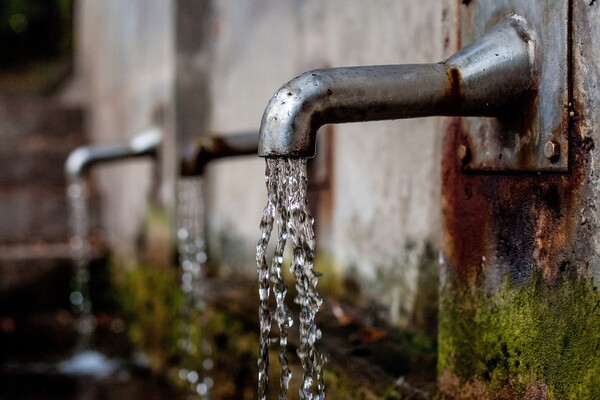
상수도 전문가들은 수도시설을 개선하기 위해 새로운 디지털 및 기술 전략을 통합하는 동시에 품질을 유지하기 위해 끊임없이 노력하고 있다. 데이터를 수집, 조직화 및 활용하는 것은 현대 수도관리에서 가장 최근의 운영 변화 중 하나이다. [사진출처(Photo source) = 픽사베이(pixabay)]
더 나은 솔루션 구현
정수 및 유틸리티 회사는 지역 수역에 대한 보다 정확한 정보를 얻기 위해 무엇을 할 수 있을까?
첫째, 급격한 변화 예측(Anticipate Abrupt Changes)이다.
심각하고 예상치 못한 기상변화로 인해 도시가 혼란에 빠지고 있다. 짧은 시간에 여러 차례 홍수가 발생할 것이며, 다른 지역에서는 수십 년 동안 발생하지 않았던 폭우가 내리고 있다. 이상 징후에 대비하면 수도 데이터를 더 쉽게 측정할 수 있다. 동적 강우량을 위해서는 동적 솔루션이 필요하다.
둘째, 스마트 계량기 및 관련 기술의 사용(Use Smart Metering and Related Tech)이다.
자동 검침(Automated meter reading, AMR)은 수도회사에 이상적인 보완 장치이다. 광범위한 수동 개입의 필요성을 완화하고 수많은 인적 오류를 방지한다. 데이터 입력은 올바른 위치에 올바른 센서를 배치하여 과거의 모습이 될 수 있다. 자동화된 이메일을 통해 중앙 집중식 데이터 허브, 교육 중인 인공지능(artificial intelligence, AI) 또는 이사회 등 가장 중요한 시스템으로 데이터를 자동으로 전송한다.
셋째, 데이터 관리 개선(Refine Data Management)이다.
많은 새로운 기술과 운영 관행을 설치하기 전에 기존 데이터를 분류하고 정리해야 한다. 데이터 과학자는 중앙 집중식 데이터 시스템을 정확하게 만들기 위해 미리 정의된 프로세스를 갖춰야 한다. 수도시설에 이 시스템이 없는 경우, 궁극적인 교육을 위한 메인스테이 문서를 작성하는 것이 장기적인 일관성을 위해 매우 중요하다.
넷째, 인공 지능 사용(Employ Artificial Intelligence)이다.
회사내 AI를 교육하는 것이 머신 러닝 알고리즘(machine learning algorithms)을 개선하는 방법이 될 수 있다. 이를 통해 예측 분석을 발전시켜 업계가 유출 및 결함에 더 잘 대응할 수 있다. 이는 정확한 추세 분석을 위해 필수적이며, 고객이 과거 데이터에 대해 물 자산과 기계를 어떻게 사용하는지 시각화하여 잠재적 위험을 더 잘 이해하고 직접 투자할 수 있다.
또한 물 사용량이나 이동 패턴의 이상을 발견하여 막힘과 장비 결함을 감지할 수 있다. 이는 이미 존재하는 데이터 세트를 통합하여 업계 전체에서 벗어나 회사의 자산을 보다 개인화하기 위해 확립된 노력을 더욱 강화할 것이다. [참고문헌 ④ 영문사이트 참조]
다섯째, 사이버 보안 강화(Amplify Cybersecurity)이다.
수도시설이 안전한 사이버 운영의 신호탄으로 자리매김할 수 있는 방법은 무수히 많다. 먼저, IT 직원과 잘 협력하는 경험이 풍부한 팀을 교육하는 것은 장기적으로 필수적이다. 모든 사람에게 데이터 보호 프로토콜, 규정 준수 프레임워크 및 기대치에 대해 교육하는 것이 정기적인 감사와 함께 진행된다면 탄탄한 기반을 마련할 수 있을 것이다.
그런 다음 분석가는 제3자와 협력하여 소프트웨어 취약점을 검토하고, 침투 테스트를 모색하고, 클라우드 보안을 검토하고, 기타 수많은 관행을 검토해야 한다. 사이버 보안을 강화하기 위한 모든 조치는 수도 시설에 유리하지만, 업계에서 가장 두드러진 위협을 파악하고 이를 먼저 방어하는 것이 가장 중요하다.
여섯째, 데이터 기반 문화 구축(Establish A Data-Driven Culture)이다.
정확한 데이터는 사이트 전체에 걸친 노력이다. 모든 사람이 동일한 기준으로 데이터의 중요성을 두지 않으면 안일함이나 오류가 발생한다. 이해관계자와 경영진은 모범을 보여 직원들에게 이러한 가치를 심어줘야 한다. 직원들은 데이터 위생과 인식에 적극적으로 참여해야 한다.
또한 직원들에게 일관되고 정확한 보고를 위해 인센티브를 제공하고자 할 수도 있다. 결국에는 지속적인 개선 마인드를 조성하고 직원들은 분석에 대한 그들의 헌신이 고객과 회사에 어떤 이점을 제공하는지 보게 될 것이다.
일곱째, 데이터로 수질 및 가용성에 미치는 영향(Impacting Water Quality And Availability With Data)이다.
물의 데이터 정확성은 기업에게 분석 기능을 제공하는 것 이상의 역할을 한다. 이는 커뮤니티에 지속적인 영향을 미친다. 제공업체가 해당 정보를 사용하여 관행을 개선함에 따라 고객의 접근성은 더욱 광범위하고 건강하며 저렴해진다.
또한 환경의 웰빙(wellness)을 개선했다. 최근 연구에서는 미국 항공우주국(NASA) 위성을 활용하여 지구를 보호하기 위해 물 데이터를 사용하는 방법에 대해 자세히 알아봤다. [참고문헌 ⑤ 영문사이트 참조]
가장 중요한 사실은 과학과 사용자간의 물 데이터 접근 방식에서 포용성과 광범위한 지식 공유로 전환해야 한다는 사실이었다.
데이터를 사용하는 물 분석 프레임워크는 NASA의 애플리케이션 준비 수준 척도를 기준점으로 삼아 과학 기반 자원 관리를 사용해야 한다. 이 프레임워크는 목표 설정과 제도적 문화 변화를 통해 상수도 시설에 대한 데이터 정확성의 기술적, 사회적 중요성을 정의한다.
정확한 물 데이터는 질병을 추적하고 재난에 대비하는 데도 도움이 된다. [참고문헌 ⑥ 영문사이트 참조]
기업은 오염물질이 어디에서 발생하는지, 처리가 얼마나 효과적인지, 자원이 어디로 이동하는지에 대한 투명성과 감독권을 갖게 된다.
여덟째, 데이터 의존성 및 차세대 물 분석(Data Dependence And Next-Generation Water Analytics)이다.
유틸리티 제공업체, 하·폐수 전문가, 처리장은 모두 디지털 공간을 활용하여 시민에게 최선의 서비스를 제공할 책임이 있다. 분석은 안전 인식, 자원 가용성 및 환경 영향에 대한 포털이다.
정확성은 물 부문에서 큰 문제였기 때문에 이러한 이점이 번성하는 것을 방지한다. 이해관계자와 직원은 서로 동기를 부여하여 문해력을 개선하고 효과적인 시스템을 구현해야 한다.
[원문보기]
How To Improve Data Accuracy For Better Decision-Making In Water Utilities
Water utility professionals are in a constant battle to preserve quality while integrating new digital and tech strategies to improve facilities. Collecting, organizing, and leveraging data is one of the most trending operational shifts in modern water management.
However, inaccuracies riddle the sector. Without accuracy and integrity, water utilities and treatment could take steps backward when urgent progress is needed to meet demand and defeat scarcity.
Discovering Water Data’s Problems
Data accuracy is the foundation of modern water infrastructure, yet it is known for unreliability and inconsistency. What caused this reputation?
Metering Inaccuracies
Most of the water infrastructure in the U.S. is around a century old, and billions of dollars are still not enough to revitalize and update systems regularly.1 This has led to outdated, faulty meters providing inaccurate readings for water facilities. Combine this with human error and poor decisions, and the resulting consequences become a staple of operations.
Data Entry Errors
Water workers have countless opportunities to input data. Field analyses, manual meter data collection, and maintenance logging are only a few chances water workers have to compromise data quality. There are topographical surveys, soil readings, and water testing results to consider alongside infrastructure health. The surface area for data variety is likely a reason behind entry errors.
Information transfer is another concern, as water utilities often work in silos. Sending data in various formats from company to city or client could become muddled. Compatibility issues like this are another type of data entry concern, leading to extensive duplication and strategic conflicts.2
Infrastructure Concerns
A rogue leak is just as much of a data problem as a dysfunctional meter or ancient pipe. Unaccounted water loss, if unmeasured by sensors or other technologies, could confuse workers about how well utilities are performing.
Infrastructure performance data often informs system maps and maintenance schedules. Technicians need correct data to prevent clogs and clear debris accumulation, which can lead to more serious concerns.
Data Management Problems
Data standardization suffers for several reasons. It could be because of data quality control or accessibility inconsistencies leading to decision-making obstacles. The silos may be too disparate, or too many people have permissions and manipulate data unintentionally.
Management encompasses the tools and strategies water workers use to drive progress and prioritize goals. Without reliable management software and curated staff to constantly supervise, management habits fall by the wayside.
Lack Of Communication
The water workforce is spread out into the field and inside massive facilities. Poor communication is inevitable when limited collaborative tools hinder understanding between departments. Additionally, some stakeholders may be hands-off, preventing them from conceptualizing the scope of existing data.
Cyberthreats
Critical infrastructure, such as water utilities, is one of the most high-value targets for cybercriminals. Hackers can manually tamper with meters and infiltrate digital systems to ransom information or install malware. Inadequate cybersecurity measures are a prominent barrier against data integrity because many water corporations have not undergone sufficient digital transformation or cybersecurity training.
The intentions of the threat actors are widespread, too. A recent attack by hacktivists on a Kansas water treatment facility began a trend that caught the Cybersecurity and Infrastructure Security Agency’s attention. The hackers found water-related devices without multifactor authentication and used default passwords, though the affected companies stated the manipulations did not impact water safety.3
Implementing Better Solutions
What can treatment and utility companies do to get a more accurate picture of community waters?
Anticipate Abrupt Changes
Severe and unexpected weather shifts are disrupting cities. Multiple floods will hit in a short time, while other places are experiencing heavy rains that have not in decades. Preparing for anomalies makes water data easier to measure. Dynamic solutions are required for dynamic rainfall.
Use Smart Metering and Related Tech
Automated meter reading (AMR) is the ideal supplement for water utilities. It alleviates the need for extensive manual intervention and prevents countless instances of human error. Data entry could become a figment of the past with the right sensors in the right places. These automatically transfer data to the most important systems, whether it be a centralized data hub, in-training artificial intelligence (AI) or board of directors in an automated email.
Refine Data Management
Before installing many new technologies and operational practices, existing data needs categorizing and cleaning. Data scientists should have a predefined process for making centralized data systems accurate. If the water facility does not have this system in place, creating mainstay documents for eventual training is crucial for long-term consistency.
Employ Artificial Intelligence
Training an in-house AI could be the way to refine machine learning algorithms. These will advance predictive analytics so the industry can better respond to leaks and defects. This is essential for accurate trend analysis, which will visualize how customers employ water assets and machinery against historical data to better understand potential risks and direct investments.
It will also be able to discover anomalies in water usage or movement patterns to detect clogs and faulty equipment. This will compound efforts established by incorporating already existing datasets to make the company’s assets more personalized yet away from the industry as a whole.4
Amplify Cybersecurity
There are countless ways water utilities can establish themselves as beacons of secure cyber operations. First, training a substantial, experienced team that works well with IT staff is essential for the long term. Educating everyone on data protection protocols, compliance frameworks, and expectations will create a solid foundation if paired with regular audits.
Then, analysts should partner with third parties to review software vulnerabilities, seek penetration testing, review cloud security, and countless other practices. Every action to increase cybersecurity is an advantage for water utilities, but knowing the industry’s most prominent threats and defending against those first is the most important.
Establish A Data-Driven Culture
Accurate data is a sitewide effort. If everyone does not place data importance at the same standard, there will be complacency or errors. Stakeholders and leadership should instill this value in staff by example. They must actively participate in data hygiene and awareness.
They may also want to provide incentives to employees for consistent, accurate reporting. Eventually, this will foster a continuous improvement mindset and staff will see how their dedication to the analytics delivers advantages to customers and the company.
Impacting Water Quality And Availability With Data
Data accuracy in water does more than provide corporations with analytics. It has a lasting impact on communities. As providers use the information to refine their practices, access becomes more widespread, healthier, and affordable for customers.
It also improved the wellness of the environment. Recent research leveraged NASA satellites to learn more about using water data to protect the planet.5 The most significant revelation was a need to shift from a science-to-user approach to water data to inclusivity and extensive knowledge-sharing.
Water analysis frameworks using data should use science-based resource management, using NASA’s Application Readiness Level Scale as a reference point. It defines the technical and social importance of data accuracy for water utilities through goal-setting and institutional cultural shifts.
Precise water data also helps track diseases and prepare against disasters.6 Companies will have transparency and oversight of where pollutants are coming from, how effective treatment is and where resources are going.
Data Dependence And Next-Generation Water Analytics
Utility providers, wastewater experts, and treatment plants are all responsible for leveraging digital spaces to best serve citizens. Analytics are the portal into safety awareness, resource availability, and environmental impact. Because accuracy has been such a problem in the water sector, it prevents these advantages from flourishing. Stakeholders and employees should motivate each other to improve literacy and implement effective systems.
 즐겨찾기 추가
 시작페이지로 설정