[유럽] [2024] [영국] 물 분야 독립위원회 출범…수도 민영화 이후 최대 규모 검토 착수
이름
관리자
작성일
2024-10-23
조회수
1513
파일첨부
[영국] 물 분야 독립위원회 출범…수도 민영화 이후 최대 규모 검토 착수
영국·웨일스 정부, 수도기업 경영진의 형사 고발 및 보너스를 금지하는 새로운 권한을 가진 주요 법안 도입
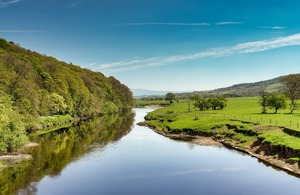
영국 환경식품농무부(DEFRA)는 현지시각 10월 23일 물 분야에 대한 물독립 원회와 위원회 관련 규정이 정부에 의해 출범한다고 밝혔다. [사진출처(Photo source) = 영국 정부(UK GOV)]
영국 환경식품농무부(DEFRA)는 현지시각 10월 23일 물 분야에 대한 물독립 원회와 위원회 관련 규정이 정부에 의해 출범한다고 밝혔다. 이는 수도 민영화 이후 물 분야의 최대 규모의 검토가 될 것으로 예상된다.
물위원회는 수로 청소, 인프라 제공 속도 향상, 물 분야에 대한 대중의 신뢰 회복에 필요한 투자를 유치하기 위해 충분히 강력하고 안정적인 규제 프레임워크를 확보하기 위한 정부의 장기적 접근 방식의 다음 단계를 형성한다.
이는 지난주 정부의 첫 국제투자정상회의에서 총리가 영국의 성장과 투자를 지원하기 위해 규제와 규제 당국의 필요성에 대해 언급한 데 따른 조치다.
영국과 웨일스 정부가 출범한 물위원회는 내년에 강, 호수, 바다를 건강하게 복원하고 미래의 과제를 해결하며 경제 성장을 촉진하기 위해 물 분야의 고질적 체계 문제를 해결하는 방법에 대해 정부에 권고하는 내용을 보고할 예정이다.
이러한 권고는 2050년까지 하루에 500만㎥의 물을 추가로 공급해야 하는 상황에서 경제에 수십억 파운드를 투자하고, 주택 건설을 지원하기 위한 인프라 공급을 가속화하고, 물부족 문제를 해결하는 등 장기적인 투자를 유치하고, 물을 영원히 정화하기 위한 추가 법안의 기초가 될 것이다.
물위원회의 위원장은 존 쿤리프(Jon Cunliffe) 전 잉글랜드 은행 부총재가 맡게 된다.
물위원회는 규제, 환경, 보건, 엔지니어링, 고객, 투자자 및 경제 부문의 전문가로 위원회를 구성할 예정이다. 또한 독립 위원회는 물 분야 재설성의 일환으로, 정부, 수도기업, 고객, 투자자, 그리고 물을 즐기고 환경을 보호하기 위해 노력하는 모든 사람들 간의 새로운 파트너십을 구축할 방침이다.
스티브 리드(Steve Reed) 환경식품농무부 장관은 "수로가 오염돼 수도 시스템을 시급히 회복해야 하는 상황"이라며 "수로를 청소하고 고장난 물인프라를 재건하는데 필요한 투자를 유치하기 위해 물위원회를 출범시켰다"고 말했다. 이어 "물위원회의 조사 결과는 물 분야의 고객과 환경의 이익에 제대로 부합하도록 개혁하기 위한 새로운 법안을 마련하는 데 도움을 줄 것"이라고 덧붙였다.
권고안은 내년에 환경식품농무부 장관 및 제1차관에게 전달될 예정이며, 그 후 영국 정부와 웨일스 정부는 조치를 취하게 된다.
내년에 데프라 국무장관과 제1차관 겸 기후변화 및 농촌 담당 내각 장관에게 일련의 권고안이 전달될 예정입니다. 그런 다음 영국 정부와 웨일스 정부는 앞으로 취할 제안으로 대응할 것입니다.
위원회의 목적은 규제 시스템이 제공할 수 있도록 조치를 권고하는 것이며 내용은 다음과 같다.
- 명확한 비전: 미래를 위한 명확한 결과와 환경, 공중 보건, 고객 및 경제적 결과를 제공하기 위한 장기적인 비전 수립
- 전략적 계획: 물관리, 오염 문제 해결 및 자연 복원을 위해 협력적이고 전략적이며 유역 접근 방식 채택
- 더 나은 규제: 기업이 더 나은 고객 및 환경 결과를 확보하기 위한 요구 사항 합리화
- 권한을 부여받은 규제 기관: 규제 당국이 불법 오염에 대해 수도기업에 책임을 묻는 데 효과적인지 확인
- 제공 개선: 깨끗한 강, 호수, 바다를 포함한 의무를 이행하는 동시에 혁신을 추진할 수 있는 부문의 역량 강화
- 안정적인 프레임워크: 투자를 유치하고 물 회사의 재정 회복력을 지원하는 규제 환경 보장
- 소비자 보호: 투명하고 공정한 거버넌스를 통해 소비자의 이익과 경제성 보호
- 탄력적인 인프라: 강력한 인프라를 적기 제공하고 유지 관리해 미래의 요구 사항 및 기후 문제 예측
물위원회는 정부 물전략의 세 번째 단계다. 스티브 리드 장관은 취임 첫 주에 수도기업과 오프왓(Ofwat)으로부터 주주 배당금과 보너스 지급으로 전용되지 않도록 중요한 인프라 개선을 위한 자금을 보호한다는 협정을 확보했다.
불과 70일 만에 정부는 수도기업의 고객 이탈을 단속하기 위한 강력한 새로운 조치를 마련하는 물(특별 조치) 법안도 발의했다. 여기에는 다음이 포함된다.
- 지속적인 법 위반에 대한 형사고발(구금 포함).
- 물관리자가 법 위반으로 개인적인 형사 책임을 지게 하기 위한 규제 강화
- 물 규제기관에 환경 기준을 충족하지 못하는 경우 보너스 지급을 금지할 수 있는 새로운 권한 부여
- 수도기업을 위한 새로운 '행동 강령'을 통해 수도기업 경영진의 책임을 강화해 고객이 이사회를 소환하고 임원에게 책임을 물을 수 있도록 고객 권리 강화
- 자동으로 엄중한 벌금을 부과할 수 있는 새로운 권한 도입
- 수도기업이 모든 하수도에 실시간 모니터링을 구축하고 규제 당국이 독립적으로 조사한 데이터를 제공하도록 요구
또한 규제 당국의 비용 회수 권한은 수도기업이 실패에 대한 대응으로 취한 집행 조치의 비용을 부담하도록 확대한다. 영국 환경청(Environment Agency)은 이러한 새로운 권한의 실행에 대한 협의를 진행할 예정이다.
[원문보기]
Governments launch largest review of sector since privatisation
The UK and Welsh Governments have introduced major legislation with new powers to bring criminal charges against water executives and a ban on bonuses.
An Independent Commission into the water sector and its regulation will be launched by the government tomorrow (Wednesday 23 October), in what is expected to form the largest review of the industry since privatisation.
The Commission forms the next stage in the Government’s long-term approach to ensuring we have a sufficiently robust and stable regulatory framework to attract the investment needed to clean up our waterways, speed up infrastructure delivery and restore public confidence in the sector.
It follows the Government’s inaugural International Investment Summit last week at which the Prime Minister spoke of the need for regulation and regulators to support growth and investment in the UK.
Launched by the UK and Welsh governments, the Commission will report back next year with recommendations to the Government on how to tackle inherited systemic issues in the water sector to restore our rivers, lakes and seas to good health, meet the challenges of the future and drive economic growth.
These recommendations will form the basis of further legislation to attract long-term investment and clean up our waters for good – injecting billions of pounds into the economy, speeding up delivery on infrastructure to support house building and addressing water scarcity, given the country needs to source an additional 5 billion litres of water a day by 2050.
Former Deputy Governor of the Bank of England, Jon Cunliffe, will chair the Commission. With several decades of economic and regulatory experience, his appointment demonstrates the Government’s serious ambitions.
The Commission will draw upon a panel of experts from across the regulatory, environment, health, engineering, customer, investor and economic sectors. It forms part of the Government’s reset of the water sector by establishing a new partnership between government, water companies, customers, investors, and all those who enjoy our waters and work to protect our environment.
Launching the review, Secretary of State Steve Reed said:
Our waterways are polluted and our water system urgently needs fixing.
That is why today we have launched a Water Commission to attract the investment we need to clean up our waterways and rebuild our broken water infrastructure.
The Commission’s findings will help shape new legislation to reform the water sector so it properly serves the interests of customers and the environment.
Water Commission Chair Sir Jon Cunliffe said:
I’m honoured to be appointed as chair of the government’s new Water Commission. It is vital we deliver a better system to attract stable investment and speed up the building of water infrastructure.
Working over many years in the public sector, in environment, transport and the Treasury, and the Bank of England, I have seen how the regulation of private firms can be fundamental to incentivising performance and innovation, securing resilience and delivering public policy objectives.
I am looking forward to working with experts from across the water sector, from environment and customer groups and investors, to help deliver a water sector that works successfully for both customers, investors and our natural environment.
Huw Irranca Davies, Wales’ Deputy First Minister with responsibility for Climate Change and Rural Affairs, added:
This vital review couldn’t come at a more urgent time for our water environment and water industry.
This shows the fresh approach of our two governments working together on an issue which affects us all as consumers, investors and as stewards of the natural world.
Both the Welsh and UK Governments are determined to improve water quality and the resilience of the water sector for future generations. We have clear priorities for reform and a shared sense of the work needed across both countries’ policy and regulatory regimes to make this change happen.
A set of recommendations will be delivered to the Defra Secretary of State, and Deputy First Minister and Cabinet Secretary for Climate Change and Rural Affairs next year. The UK Government and Welsh Government will then respond with the proposals they intend to take forward.
The objectives of the Commission are to recommend measures to ensure the regulatory system delivers:
Clear Vision: Establishing clear outcomes for the future and a long-term vision for delivering environmental, public health, customer, and economic outcomes.
Strategic Planning: Adopting a collaborative, strategic, catchment approach to managing water, tackling pollution and restoring nature.
Better Regulation: Rationalising and clarifying requirements for companies to secure better customer and environmental outcomes.
Empowered Regulators: Ensuring regulators are effective in holding water companies accountable, for example for illegal pollution.
Improved Delivery: Enhancing the sector’s ability to meet obligations, including clean rivers, lakes, and seas, while driving innovation.
Stable Framework: Ensuring a regulatory environment that attracts investment and supports financial resilience for water companies.
Consumer Protection: Safeguarding consumer interests and affordability through transparent and fair governance.
Resilient Infrastructure: Delivering and maintaining robust infrastructure on time, anticipating future needs and climate challenges.
The independent commission is the third stage of the government’s water strategy. In his first week in office, the Secretary of State secured an agreement from water companies and Ofwat to ringfence money for vital infrastructure upgrades so it cannot be diverted to shareholder payouts and bonus payments.
In just 70 days, the Government also introduced the Water (Special Measures) Bill, which sets out tough new measures to crack down on water companies failing their customers. This includes:
Bringing criminal charges against persistent lawbreakers, including imprisonment.
Strengthening regulation to ensure water bosses face personal criminal liability for lawbreaking.
Giving the water regulator new powers to ban the payment of bonuses if environmental standards are not met.
Boost accountability for water executives through a new ‘code of conduct’ for water companies, so customers can summon board members and hold executives to account.
Introduce new powers to bring automatic and severe fines.
Require water companies to install real-time monitors at every sewage outlet with data independently scrutinised by the water regulators.
In addition, the cost recovery powers of regulators will be expanded to ensure that water companies bear the cost of enforcement action taken in response to their failings. The Environment Agency will undertake a consultation on the implementation of these new powers.
Further quotes
Jon Phillips, Chief Executive of the Global Infrastructure Investor Association said:
The Secretary of State should be congratulated for acting swiftly to put in place this much needed review and reset of the water sector. No parties involved in the sector can be happy with the current arrangements, and that includes investors whose capital is vital to addressing current and future environmental challenges.
The government has heard loud and clear that the sector needs both a long-term plan and a regulatory framework that places greater emphasis on attracting investment. We look forward to the opportunity to support the Commission’s work and hope that its findings can be put into practice at the earliest opportunity.
Gail Davies-Walsh, CEO of Afonydd Cymru, said:
This independent review of Welsh and English water companies is very welcome news and something that we hope will ultimately result in a much needed boost for river health.
We would like to understand how long-term water company investment can be secured to deliver the environmental performance that we need.
Afonydd Cymru welcome the collaboration of Welsh Government and the UK Government on this matter, particularly given the current cross-border management issues that hinder river restoration efforts.
Richard Benwell, CEO of Wildlife and Countryside Link, said:
The water sector is a perfect example of where stronger, better enforced regulation can drive up investment and drive down pollution.
We welcome this significant review as the next step in Defra’s work to clean up our water environment. We’ll be looking for strong new rules that tie the industry into environmental investment and improve the way that money is spent in every river catchment to deliver quick, clean results for nature and communities.
Jamie Cook, CEO of Angling Trust, said:
The Angling Community has been calling for a root and branch review of Britain’s failing water sector, so we are pleased the Government has moved swiftly to set up an independent commission to deliver this.
However, there is inevitably going to be a difficult balancing act between economic, consumer and environmental priorities that this review will need to address. We are pleased the views of water users, like the two million anglers, are going to be a key part of this review.
The Angling Trust is committed to working with the commission to ensure the health of our rivers, lakes and seas remains front and centre of its work.
Mark Lloyd, CEO of Rivers Trust, said:
35 years after water privatisation, this review is long overdue, which makes it even more welcome. Our rivers have been flatlining for far too long, alongside the failure of our current systems to manage ageing infrastructure and population increase they face huge strategic challenges from climate change and biodiversity decline.
Incremental policy tweaks will not fix our water system, and the review must look beyond the water industry to include land and water management in both urban and rural areas. There needs to be much more focus on delivery of cost-effective solutions, through an integrated systems approach.
We will be keeping a close eye on the work of the commission to ensure it considers land use, nature, drought, flood and pollution in concert, because they are all intrinsically linked. We look forward to working closely with Sir Jon Cunliffe and his team on a new system.
Nicci Russell, CEO of Waterwise, said:
We welcome this review, its wide scope and the collaborative way the government is approaching it. We agree with the government that now is the time for a reset in the water sector - nothing happens without water, so access to water needs to be at the heart of everything the government does.
We will aim to put water efficiency at the heart of the Commission’s work, and look forward to working with Sir Jon and his team of experts to do this. The first objective in our Water Efficiency Strategy to 2030 is that governments and regulators show clear, visible leadership for water efficiency and reflect this in their policy and regulatory frameworks.
We are also delighted to see that Ministers are placing environmental and social outcomes as equally important to economic ones - because nothing happens without water. This is a great opportunity for the water sector to play a part in the Government’s mission of national renewal - not just in delivering a vital public service, but also in playing a proactive role to ensure a just society and a strong economy.
Joan Edwards, Director Policy and Public Affairs at The Wildlife Trusts, said:
This review comes not a moment too soon, given the precarious and polluted state of our waters, and the looming threat of future water shortages.
It’s crucial that regulation drives companies to invest in the solutions that can best deliver improvements for nature at the same time as limiting bill increases.
We look forward to supporting the Commission’s work by feeding in on the importance of a healthy environment and the changes needed to get us there.
 즐겨찾기 추가
 시작페이지로 설정