[유럽환경청 보고서] “유럽의 물위기는 긴급한 주의 필요”
유럽 수자원, 2009년 이후 큰 진전 없이 심각한 압박 받고 있는 것으로 나타나
지하수 25% 정도가 식수의 3분의 2를 공급하지만 화학물질 함유로 좋지 않아
강·호수·연안 해역의 화학적 상태 악화되어 30% 미만만이 오염기준 충족
유럽환경청(EEA), “물 프레임워크 지침(WFD)’ 엄격한 이행·생태계 복원 시급”
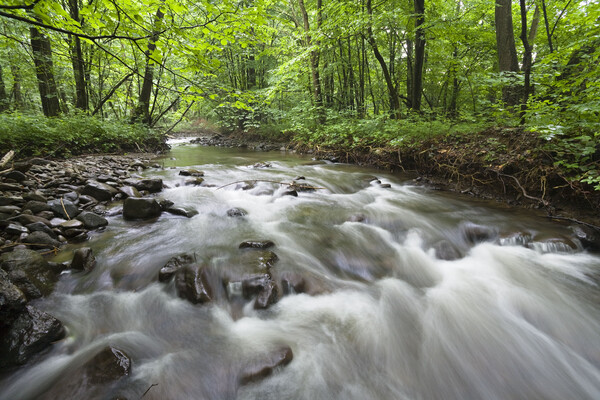
유럽환경청(EEA)의 새로운 보고서에 따르면, EU 회원국들이 유럽의 물을 보호하기 위한 조치를 이행하지 못해 유럽의 수자원은 2009년 이후 큰 진전이 없는 등 심각한 압박을 받고 있는 것으로 나타났다. [사진출처(Photo source) = 세계자연기금(WWF)]
유럽환경청(European Environment Agency, EEA)의 새로운 보고서에 따르면, EU 회원국들이 유럽의 물을 보호하기 위한 조치를 이행하지 못해 유럽의 수자원은 2009년 이후 큰 진전이 없는 등 심각한 압박을 받고 있는 것으로 나타났다.
이 보고서는 ‘물 프레임워크 지침(Water Framework Directive, WFD)’의 엄격한 이행, 농업 생산의 중대한 변화, 오염 감소, 생태계 복원의 시급한 필요성을 강조한다.
이 보고서의 주요 연구결과는 다음과 같다. 첫째, 현재 유럽의 강이나 호수와 같은 지표수의 경우 40% 미만만이 건강한 상태이다.
둘째, 지하수의 25% 정도가 식수의 3분의 2를 공급하고 있음에도 불구하고 화학물질 상태가 좋지 않다.
셋째, 강·호수·연안 해역의 화학적 상태는 더욱 악화되어 30% 미만만이 WFD에서 정한 오염기준을 충족하고 있다.
넷째, 유해한 농업 관행, 특히 영양소와 살충제의 집중적인 사용은 계속해서 물에 가장 큰 압력이 되고 있다. 농업으로 인한 확산 오염 압력은 지하수의 32%와 지표수의 29%에 영향을 미친다.
다섯째, 석탄 화력발전소의 화학적 오염과 댐 건설 및 개간으로 인한 하천 변화도 지표수에도 상당한 압력을 가한다.
세계자연기금(World Wide Fund for Nature, WWF)의 클레어 배퍼트(Claire Baffert) 유럽정책실 물 및 기후변화 적응 담당 수석 EU 정책 책임자는 “지속적으로 열악한 유럽 수역 상황은 회원국들이 해마다 물위기를 해결하지 못하고 있음을 보여준다”라면서 “‘물 프레임워크 지침(WFD)’은 20년 넘게 시행되어 왔지만, 각국 정부가 그 요구사항을 진지하게 받아들이지 않기 때문에 목표가 거의 달성되지 않은 상태이다”라고 말했다.
그는 이어 “안타깝게도 『드라기 보고서(Draghi report)』에 반영된 것처럼, 우리에게 진정으로 필요한 것은 수자원 보호를 우선시하는 것인데, 유해한 프로젝트를 촉진하기 위해 WFD 지침의 기준을 약화시켜야 한다는 강력한 요구가 있다”고 덧붙였다.
유럽환경국(European Environmental Bureau, EEB)의 사라 요한슨(Sara Johansson) 수질오염 방지 수석 정책책임자는 “유럽경제지역(European Economic Area, EEA) 데이터에 따르면 지표수의 30% 미만이 화학 물질 상태가 양호한 것으로 나타났다”라면서 “이러한 통계는 놀랍지만, 제한적이고 오래된 오염 물질 목록에 대해서만 평가되기 때문에 전체 그림조차 제공하지 못하고 있다. 다음 강 유역 관리 계획에 조치 모니터링과 계획이 포함될 수 있도록 물에 대한 새로운 품질 표준을 시급히 채택해야 한다”고 강조했다.
유럽낚시꾼연합(European Anglers Alliance, EAA)의 마크 오웬(Mark Owen) 이사는 “이 보고서는 EU 해역이 직면한 위기뿐만 아니라 회원국들의 지속적인 무활동으로 인해 시민들이 직면하게 될 상당한 비용을 강조한다”고 말했다.
오웬 이사는 이어 “이 보고서는 에스토니아가 댐과 하천 복원을 제거하고 32종으로 개선하여 생물 다양성을 높임으로써 3천300km의 강을 복원하는 사례를 통해 앞으로 나아갈 길을 보여준다”라면서 “이제 EU 전역에서도 유사한 조치가 필요하다”고 덧붙였다.
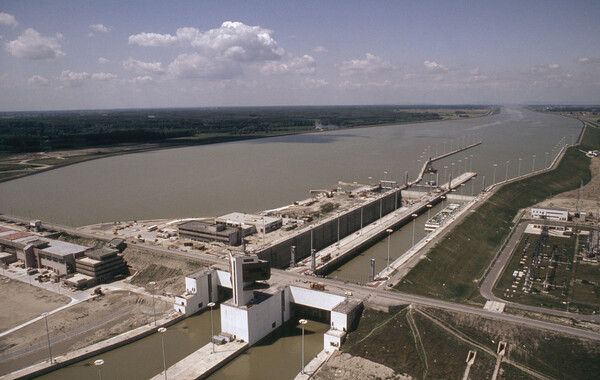
유럽의 강·호수·연안 해역의 화학적 상태는 더욱 악화되어 30% 미만만이 ‘물 프레임워크 지침(WFD)에서 정한 오염기준을 충족하고 있다.[사진출처(Photo source) = 세계자연기금(WWF)]
국제습지연합 유럽지부(Wetlands International Europe)의 담수 정책책임자 아이린 듀크(Irene Duque)는 “우리는 물의 복원력이 위험하다는 메시지를 크고 명확하게 들었다”라면서 “EU 목표를 달성하고 유럽 해역의 건강을 개선하기 위한 앞으로의 길은 부적응보다 습지 복원이다”라고 말했다.
듀크는 특히, “댐을 건설하고 회색 인프라에 의존하는 것은 계속해서 비생산적인 것으로 판명되어 해결하고자 하는 문제를 악화시키는 경우가 많다”라면서 “습지 복원은 EU 의제에서 여전히 낮은 우선순위로 남아 있지만, 파괴적인 홍수, 가뭄, 민물고기 감소 또는 인권으로서 물에 대한 접근성에 대해 우려하는 사람들에게는 이는 정말 당연한 일이다”라고 강조했다.
유럽자연보호협회(Nature Conservancy Europe)의 안드라스 크로롭(Andras Krolopp) 생물다양성 정책 책임자는 “유럽 해역 상황은 긴급한 조치를 촉구하는 경각심을 불러일으키고 있다. EEA 보고서에서 알 수 있듯이, 이는 유럽의 문제일 뿐만 아니라 전 세계적인 위기이다”라면서 “최소 2만5천km의 강을 자유롭게 흐르는 상태로 복원하는 것은 환경적으로만 필요한 것이 아니라 생물다양성과 우리의 미래에 대한 약속이다”라고 말했다.
크로롭는 또한, “유럽은 이 목표를 달성하기 위해 생물다양성협약(Convention on Biological Diversity)과 「자연복원법(Nature Restoration Law)」에 따라 전 세계적으로 노력하고 있다”라면서 “우리는 물 기본 지침의 이행을 가속화하고 모든 정책에 걸쳐 물과 생태계 보호를 우선시해야 하며, 행동할 때는 지금이며 지연은 선택 사항이 아니다”라고 강조했다.
유럽인들은 물위기에 대한 정부의 무대응에 대한 대가를 점점 더 많이 치르고 있다. 최근 유로바로미터(Eurobarometer) 설문조사에 따르면 유럽인의 78%는 EU가 수질오염 문제를 해결하기 위해 더 많은 노력을 하기를 원하는 것으로 나타났다.
리빙 리버 유럽(Living Rivers Europe) NGO 연합은 회원국들이 유럽의 물을 개선하고 모든 정책에 걸쳐 물과 생태계 보호를 통합하기 위해 WFD의 이행을 가속화할 것을 촉구하고나섰다.
유럽환경청EEA)의 새로운 보고서에 나타난 보고서를 요약하면 다음과 같다.
① 지표수의 화학적 상태가 악화되고 전반적으로 진전이 없는 추세는 회원국들이 모니터링 관행을 개선하여 이전보다 더 많은 오염물질을 식별하고 있다는 사실과 부분적으로 관련이 있다.
② 2018년 이전 평가에서 EEA는 “제3차 강 유역 관리 계획 초안(2019∼2021년)이 작성될 때쯤이면 1차 및 2차 RBMP에서 수행된 수천 개의 개별 조치 중 일부가 좋은 지위를 얻을 수 있다는 측면에서 긍정적인 영향을 미쳤을 것으로 예상할 수 있다‘고 보고했다. 이는 사실이 아니며, 많은 회원국이 계획된 조치를 이행하지 않았음을 보여준다.
③ 『드라기 보고서(Draghi report)』는 EU가 재생 에너지 설치 및 전기에 대한 관련 EU 환경 법안(예 : 환경영향평가 지침, 조류, 서식지, 물 프레임워크 및 잠재적으로 SEA 지침)에 대한 다른 표적 업데이트를 고려해야 한다고 지적한다.
④ 이 보고서는 기후 중립이 달성될 때까지 EU 환경 지침(예 : 서식지 지침 및 조류 지침)에 시간 및 주변 등 제한된 면제를 포함시키는 것을 고려한다. 면제 요건은 특정 조건(예 : 시설로 인해 개체군과 완화 조치가 위험에 처하지 않음)에서 충족되어야 한다.
⑤ 루마니아의 라스토리타 수력발전 프로젝트(Rastolita Hydropower Project)나 헝가리 다뉴브강의 투르누 마구렐 니코폴(TURNU MAGURELE NIKOPOL) 수압 구조물 프로젝트와 같이 생물 다양한 강에 피해를 주는 인프라 프로젝트의 부활에서 WFD의 불충분한 이행 사례를 찾을 수 있다.
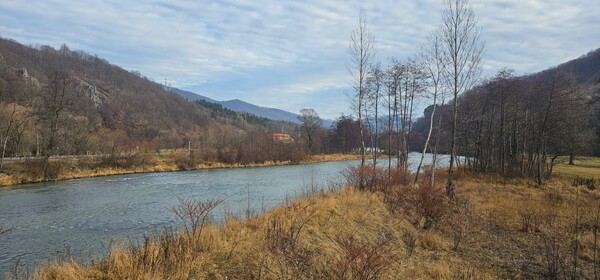
루마니아의 라스토리타 수력발전 프로젝트(Rastolita Hydropower Project)나 헝가리 다뉴브강의 투르누 마구렐 니코폴(TURNU MAGURELE NIKOPOL) 수압 구조물 프로젝트와 같이 생물 다양한 강에 피해를 주는 인프라 프로젝트의 부활에서 ‘물 프레임워크 지침(WFD)의 불충분한 이행 사례를 찾을 수 있다. [사진출처(Photo source) = 세계자연기금(WWF)]
[원문보기]
Europe’s water crisis needs urgent attention, says EEA’s State of Water report
A new report from the European Environment Agency (EEA) reveals that Europe’s water resources are under serious pressure, with no significant progress made since 2009.
The report underscores the urgent need for stricter implementation of the Water Framework Directive (WFD), significant changes to agricultural production, pollution reduction, and urgent ecosystem restoration.
Its main findings include : Less than 40% of surface waters, such as rivers and lakes, are currently healthy.
Nearly 25% of groundwater bodies are not in good chemical status, even though they provide almost two-thirds of our drinking water.
The chemical status of rivers, lakes, and coastal waters has further deteriorated, with less than 30% meeting the pollution standards set by the WFD.
Harmful agricultural practices, particularly the intensive use of nutrients and pesticides, continue to be the most significant pressure on water. Diffuse pollution pressures from agriculture affect 32% of groundwaters and 29% of surface waters.
Chemical pollution from coal-fired plants, along with alterations to rivers due to dam construction and straightening, also exerts considerable pressure on surface waters.
Claire Baffert, Senior EU Policy Officer, Water & Climate Change Adaptation at WWF European Policy Office, said : “The persistently lousy state of Europe’s waters shows that Member States are failing to address the water crisis, year after year. The Water Framework Directive has been in place for over two decades, but its goals remain largely unmet because national governments do not take its requirements seriously. Unfortunately, as reflected in the Draghi report, there are strong calls to weaken the directive’s standards to facilitate harmful projects, when what we truly need is to prioritise the protection of our water resources.”
Sara Johansson, Senior Policy Officer for Water Pollution Prevention at EEB, said : “The EEA data shows that less than 30% of surface waters are in good chemical status. While these stats are alarming, they’re not even giving the full picture as it’s only assessed against a limited and outdated list of pollutants. New quality standards for water must be adopted with urgency so that monitoring and planning of measures can be included in the next River Basin Management Plans.”
Mark Owen, Director of the European Anglers Alliance, said : “This report not only highlights the crisis that we face with the state of EU waters but also the significant cost that citizens will face by continued inaction by member states. The report showcases the way forward with the example in Estonia restoring 3,300 KM of rivers by removing dams and river restoration, increasing biodiversity with improvements to 32 species. Similar actions are now required across the EU.”
Irene Duque, Freshwater Policy Officer at Wetlands International Europe, said : “Thank you, EEA! We have heard the message loud and clear: our water resilience is at risk. The path forward to meet EU targets and improve the health of European waters is equally clear: wetland restoration over maladaptation. Building dams and relying on more grey infrastructure continues to prove counterproductive, often worsening the problems it aims to solve. Wetland restoration remains a low priority on the EU’s agenda, but for those concerned about devastating floods, droughts, the decline of freshwater fish, or access to water as a human right, this is truly a no-brainer.”
Andras Krolopp, Head of Biodiversity Policy at The Nature Conservancy Europe, said : “The state of Europe’s waters is a wake up call for urgent action. As the EEA report shows, this is not only a European issue, but a global crisis. Restoring at least 25,000 km of rivers to their free-flowing state is not just an environmental necessity : it’s a commitment to biodiversity and our future. Europe has a global commitment under the Convention on Biological Diversity and the Nature Restoration Law to achieve this goal. We need to accelerate the implementation of the Water Framework Directive and prioritise water and ecosystem protection across all policies. The time to act is now, and delay is not an option.”
Europeans are increasingly paying the price for their government’s inaction on the water crisis. According to the latest Eurobarometer survey, 78% of Europeans want the EU to do more to address water pollution.
The Living Rivers Europe NGO coalition urges Member States to accelerate the implementation of the WFD to improve Europe’s waters and integrate water and ecosystem protection across all policies.
Notes to editors ; The deteriorating trend in the chemical status of surface waters and the overall lack of progress are partially linked to the fact that Member States are improving their monitoring practices, thereby identifying more pollutants than before.
In its previous assessment from 2018, the EEA reported that “It can be expected that, by the time the third River Basin Management Plans are drafted (2019-2021), some of the several thousand individual measures undertaken in the first and second RBMPs should have had a positive effect in terms of achieving good status.” This has not been the case, showing that many Member States have failed to implement the planned measures.
The Draghi report notes that the EU should consider other targeted updates to relevant EU Environmental legislation (i.e. the Environmental Impact Assessment Directive, the Birds, Habitats, Water Framework and potentially the SEA Directive) for renewable energy installations and grids. It considers including limited (in time and perimeter) exemptions in EU environmental directives (e.g. the Habitats Directive and the Birds Directive) until climate neutrality is achieved. Exemption requirements need to be met under certain conditions (e g installations do not endanger the population and mitigation measures).
An illustration of insufficient WFD implementation can be found in the resurrection of infrastructure projects that damage biodiverse rivers, such as the Rastolita Hydropower Project in Romania, or the TURNU MAGURELE NIKOPOL hydraulic structure project on the Danube.
Living Rivers Europe is a coalition of organisations advocating for the defence, maintenance and implementation of the WFD in its current form. The coalition includes the European Anglers Alliance, the European Environmental Bureau, the European Rivers Network, The Nature Conservancy, Wetlands International, and WWF, representing a movement of over 40 million European citizens. See the Living Rivers Europe’s handbook for the 2024-2029 mandate.
For more information, please contac t:Ben Snelson, Communications Officer for Agriculture and Food, European Environmental Bureau, benedict.snelson@eeb.org
[출처 = 유럽환경국(EEB)(https://eeb.org/europes-water-crisis-needs-urgent-attention-says-eeas-state-of-water-report/) / 2024년 10월 15일]
|  즐겨찾기 추가
 시작페이지로 설정
























