[캐나다] 캘거리대학, 새로운 유량시설서 수도관 누수 감지 연구
캐나다 캘거리, 지난 6월 대형 수도관 파열로 도시 전체가 두 차례 걸쳐 장기간 물사용 제한 받아
휴고 박사 연구팀, 새로운 유량시설서 수도관 시스템의 누수 등 다양한 변수 제어 연구
배수 시스템서 식수 누수가 20∼25% 정도 발생 추정…작은 누수조차도 자원·물·에너지 낭비
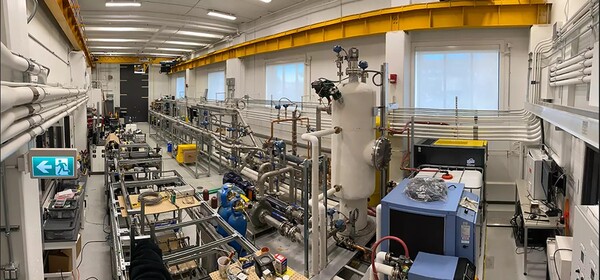
캘거리대학교(UCalgary)의 새로운 유량시설에서 진행하는 연구는 수도관 누수 감지 및 관련 수도 인프라를 발전시키는 데 도움이 되고 있다. 사진은 캘거리대학교의 기계공학 빌딩에 있는 고급 파이프라인 연구 및 혁신 연구소. [사진출처(Photo source) = 캘거리대학교(UCalgary)]
지난 여름 캐나다 캘거리(Calgary)에서 수도관 누수는 큰 문제로, 6월에 주요 수도관이 크게 파손된 후 도시 전체가 두 차례에 걸쳐 장기간 물사용을 제한 받았다.
하지만 캘거리대학교(University of Calgary, UCalgary)의 새로운 유량시설에서 진행하는 연구는 수도관 누수 감지 및 관련 수도 인프라를 발전시키는 데 도움이 되고 있으며, 이러한 사고가 발생할 때 물 처리에서 손실되는 에너지를 줄이는 방법을 찾는 것도 포함된다.
“내가 수행하는 연구는 수도관 시스템과 관련이 있으며, 우리가 특별히 살펴보는 것은 수도관이 누출되는지 여부를 감지하는 방법이다”라고 캘거리대학교 슐리히 공과대학(Schulich School of Engineering)의 기계 및 제조 공학과 교수이자 파이프라인 엔지니어링센터 소장인 론 휴고(Ron Hugo) 박사는 말했다.
론 휴고 박사는 “우리가 찾고 있는 것은 고장이 발생하거나 고장이 발생했음을 알려주는 기계적 시그니처를 찾을 수 있는 방법이다”라고 말했다.
이 연구는 가장 확실한 결과를 포착하기 위해 자연스러운 수도관 고장을 재현하는 독특한 접근 방식을 따른다.
휴고 박사는 특히 “파이프의 일부를 가져와 의도적으로 손상시킨다”라면서 “우리는 이를 유량이나 압력을 변경할 수 있는 유동시설에 넣고 고정된 유량에서 파이프가 고장나는 지점까지 압력을 증가시킨다”고 강조했다.
고급 파이프라인 연구 및 혁신 실험실(Advanced Pipeline Research and Innovation Laboratory, APRIL)은 2019년에 플레인스 미드스트림 캐나다(Plains Midstream Canada)에서 자금을 지원받고 나중에는 이전 캐나다 에너지 파이프라인협회(Canadian Energy Pipeline Association)에서 자금을 지원받은 유동 시설이지만 올해 2월에 가동을 시작했다. 기계공학 건물에 위치한 이 새로운 실험실은 보다 통제된 연구를 가능하게 한다.
휴고 박사는 “수도관 시스템 내에서 다양한 변수를 제어할 수 있기 때문에 세계적으로 독특한 시설이다”라고 말했다.
물에 초점을 맞춘 캘거리대학교는 국제연합대학교(United Nations University, UNU) 허브와 협력하는 것이 앞으로 연구를 발전시키기 위한 휴고 박사의 희망사항이다.
그는 캐나다 자연과학 및 공학연구위원회에 제출할 제안서를 토목공학 교수들과 함께 작업 중이며, 이를 통해 이 과제에 대한 향후 협업이 가능해질 것이라고 한다.
휴고 박사는 “철근 콘크리트 구조물과 수도관 시스템에서 수행하는 작업을 연구하는 토목공학 분야의 사람들을 모아 협업 연구 프로젝트를 진행하는 것은 좋은 조합이 될 것”이라고 말했다.
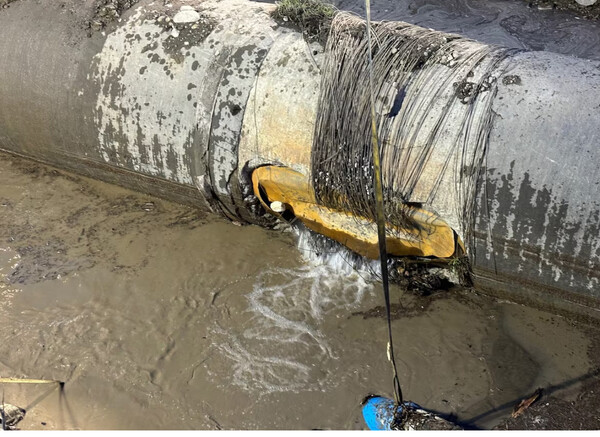
지난 6월 캐나다 캘거리시(Calgary)에서는 대형 수도관 파열로 도시 전체가 두 차례에 걸쳐 장기간 물사용을 제한 받았다. 사진은 캘거리시 상수도의 약 60%를 담당하는 베어스포(Bearspaw) 남부의 수도 본관이 파손되어 수돗물이 누출되는 모습. [사진출처(Photo source) = 캘거리시(City of Calgary)]
휴고 박사의 연구와 수자원 인프라의 연결은 도시 전체에 물이 분배되는 방식과 관련이 있으며, 감지되지 않고 물 사용 제한을 초래하지 않는 작은 누수조차도 여전히 자원, 물, 에너지를 낭비한다는 사실과 관련이 있다.
휴고 박사는 “배수 시스템에서 식수 누수가 20∼25% 정도 발생할 것으로 추산된다”라면서 “따라서 많은 에너지가 물 처리에 들어가고, 이는 누수가 발생하면 낭비되는 에너지이다”라고 말했다.
휴고 박사는 이어 “우리는 이러한 누수가 발생하지 않도록 더 나은 감지기술 개발을 지원할 수 있는 기회를 본다”고 덧붙였다.
휴고 박사는 APRIL(고급 파이프라인 연구 및 혁신 실험실) 유량시설과 수도관 누수 탐지 연구에 참여한 사람들의 도움으로 진정한 진전을 이룰 수 있다고 믿는다.
휴고 박사는 “이러한 환경에서 산업과 많은 협력 연구가 가능해졌고, 그로 인해 대학원생 교육이 가능해졌다”라면서 “따라서 이 생태계와 캘거리 대학에 있는 것은 그러한 관계를 성장시키는 데 매우 중요한 역할을 했고, 그로 인해 연구가 꽃피었다. 다른 곳에서는 찾을 수 없는 세계적 수준의 인프라를 제공했다”라고 강조했다.
[원문보기]
UCalgary’s new flow facility advances pipeline leak detection research
Water pipeline leaks were a big issue in Calgary this past summer, plunging the entire city into two extended periods of water-use restrictions after a mainline suffered a major break in June.
But research at a new University of Calgary flow facility is helping make advancements to pipeline leak detection and related water infrastructure, including finding ways to reduce energy lost in water treatment when such incidents occur.
“The research that I perform involves pipeline systems and what we specifically look at is methods of being able to detect whether or not a pipeline is leaking,” says Dr. Ron Hugo, BSc (Eng)’89, PhD, a professor in the Department of Mechanical and Manufacturing Engineering and director of the Pipeline Engineering Centre in the Schulich School of Engineering.
“What we’re looking for are ways to be able to find mechanical signatures that would tell us that a failure is coming, or a failure has occurred.”
The research follows the unique approach of recreating a natural pipeline failure in order to capture the most authentic results.
“We will take a section of pipe and we will intentionally damage it,” says Hugo. “We put it into a flow facility that we have where we can change either the flow rate or the pressure and so, at a fixed flow rate, we’ll increase the pressure to the point where the pipe fails.”
The Advanced Pipeline Research and Innovation Laboratory (APRIL) is a flow facility that began receiving funding from Plains Midstream Canada in 2019, and later the former Canadian Energy Pipeline Association, but became operational in February of this year. This new laboratory, located in the Mechanical Engineering Building, allows for more-controlled research.
“It’s a world-unique facility because it enables us to control a lot of different variables within a pipeline system,” says Hugo.
Collaborating with the UCalgary United Nations University (UNU) Hub, which is focused on water, is something Hugo hopes to do in the future to advance his research.
He says he is working on a proposal with civil engineering professors to be submitted to the Natural Sciences and Engineering Research Council of Canada that will enable future collaboration on this challenge.
“That would be a nice blend, by taking people from civil engineering who study reinforced concrete structures and the work that we do with pipeline systems and then bring them together for collaborative research projects,” Hugo says.
The connection between Hugo’s research and water infrastructure has to do with how water is distributed throughout the city, and the fact that even a small leak ? the type that goes undetected and does not result in water-use restrictions ? still wastes resources, water and energy.
“The estimate is between 20 to 25 per cent of potable water leaks from the distribution systems,” says Hugo. “And so, a lot of energy goes into the treatment of water and that’s energy that is being wasted when you have these leaks.
“We see the opportunity of being able to assist in the development of better detection technology to prevent these leaks from occurring.”
With the help of the APRIL flow facility and those involved in the research on pipeline leak detection, Hugo believes true progress can be made.
“In this type of environment, it has enabled a lot of collaborative research with industry, and that has enabled the training of graduate students,” says Hugo. “So, being in this ecosystem and the University of Calgary has been very instrumental in kind of growing those relationships and that has helped the research blossom.
“It’s given us world-class infrastructure that you wouldn’t find elsewhere.”
[출처 = 캘거리대학교(University of Calgary)(https://www.ucalgary.ca/news/ucalgarys-new-flow-facility-helps-advance-research-pipeline-leak-detection) / 2024년 10월 3일]
|  즐겨찾기 추가
 시작페이지로 설정
























