[미국] 미주리대 연구팀, 수도꼭지에 부착하는 미세 플라스틱 제거 필터 개발
저렴하고 생체 적합성 뛰어난 폴리머인 폴리비닐 알코올 섬유로 필터 제작
실험실 테스트서 미세 플라스틱 약 80% 및 납 70% 제거하는 성능 보여
『어플라이드 폴리머 사이언스(Applied Polymer Science)』에 게재
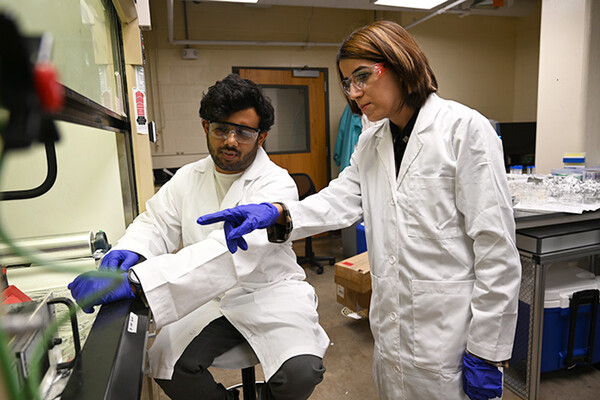
마리암 살레히(Maryam Salehi) 미주리대학교(University of Missouri) 조교수 연구팀은 천과 같은 필터를 통해 이러한 미세 플라스틱을 포집해 대중을 보호하는 새로운 방법을 고안하고 있다. [사진제공(Photo Source) = University of Missouri]
오늘날 시중에 판매되는 정수 필터는 일부 오염물질을 제거할 수 있지만 미세 플라스틱을 포집하도록 설계되지 않았다. 일부 정수 필터는 여과 과정을 통해 음용수에 미세 플라스틱을 방출할 수 있다. 더 심각한 것은 이러한 미세 플라스틱이 염증을 일으키고 암 위험을 증가시키며 다른 건강 문제를 유발하는 유해 화학 물질의 매개체 역할을 할 수 있다는 점이다.
마리암 살레히(Maryam Salehi) 미주리대학교(University of Missouri) 조교수 연구팀은 직물과 같은 필터를 통해 이러한 미세 플라스틱을 포집해 대중을 보호하는 새로운 방법을 고안하고 있다.
살레히 교수는 "수도꼭지에 부착할 수 있는 필터를 설계해 수돗물에서 미세 플라스틱과 납을 동시에 제거할 수 있도록 하는 것이 목표"라며 "모든 수도꼭지에 연결할 수 있는 저렴한 필터를 구상하고 있다"고 말했다.
필터 멤브레인은 현재 생물의학적 응용 분야에서 사용되는 폴리머인 폴리비닐 알코올 섬유로 만들어졌다. 연구팀이 이 소재를 선택한 이유는 저렴하고 생체 적합성이 뛰어나 사람, 동물 또는 식물에 독성이 없기 때문이다.
또한 이 필터는 미세 플라스틱을 효과적으로 제거하는 것으로 입증됐다. 실험실 규모 테스트에서 이 멤브레인은 대형 미세 플라스틱을 약 100%, 가장 작은 미세 플라스틱을 약 80% 제거하는 동시에 납의 경우 약 70%를 제거했다.
살레히 교수는 "필터가 소독제 사용 등 다른 조건을 어떻게 견디는지 테스트해야 하지만, 수돗물을 쉽게 정화할 수 있는 제품을 상용화할 수 있기를 바란다"고 말했다.
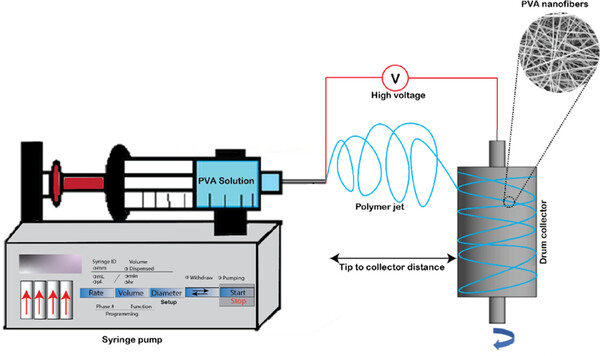
미주리대학교(University of Missouri)의 마리암 살레히(Maryam Salehi) 조교수 연구팀은 직물과 같은 필터를 통해 대형 미세 플라스틱을 약 100%, 가장 작은 미세 플라스틱을 약 80% 제거하는 동시에 납의 경우 약 70%를 제거했다. [그림출처(picture source) = phys.org]
연구팀은 『어플라이드 폴리머 사이언스(Applied Polymer Science)』에 게재된 표지 논문에서 연구 결과를 발표했다. 이번 연구의 공동 저자로는 아난두 고파쿠마르 네어(Anandu Gopakumar Nair) 미주리대 박사 과정생, 알렉산더 캉카파(Alexander Ccanccapa) 박사 후 연구원 , 케이티 벨(Kati Bell) 업계 파트너가 있다. 이 연구는 브라운 앤 코드웰(Brown and Caldwell)과 국립과학재단(National Science Foundation)의 지원을 받고 있다.
살레히 교수는 학계·산업계·정부 이해관계자가 모여 물연구를 발전시키기 위해 설립된 미주리 워터 센터(Missouri Water Center)의 핵심 연구원으로 재직하고 있다.
[원문보기]
Designing a better water filter
Mizzou researcher Maryam Salehi is developing a fabric-like filter to remove tiny plastics and lead from drinking water.
Water filters on the market today can remove some contaminants, but they’re not designed to capture microplastics. In fact, some of them may actually add small plastics into drinking water during the filtration process. What’s worse is these microplastics can cause inflammation, increase the risk of cancer and act as carriers for harmful chemicals that trigger other health problems.
University of Missouri researcher Maryam Salehi and collaborators are coming up with a new way to trap those tiny invaders — and protect the public — through a fabric-like filter.
“The idea is to design a filter that can be attached to a faucet so it can remove microplastic and lead at the same time from tap water,” said Salehi, an assistant professor of civil and environmental engineering in Mizzou’s College of Engineering. “We’re envisioning an inexpensive point-of-use filter that could connect to any faucet.”
The filter membrane is made from polyvinyl alcohol fibers, which are polymers currently used in biomedical applications. The team chose the material because it’s low-cost and biocompatible, meaning it’s not toxic to humans, animals or plants.
It’s also proving to be effective. In lab tests, the membrane was able to remove nearly 100% of larger microplastics and nearly 80% of the smallest microplastics, while at the same time removing about 70% of lead contamination.
“We still need to test the filter to see how it tolerates other conditions — such as disinfectant use in water — but the idea is to hopefully have something that can be commercialized and used to easily purify tap water,” Salehi said.
The team outlined their findings in a cover article published in Applied Polymer Science. Co-authors were Anandu Gopakumar Nair, a doctoral student at Mizzou, Alexander Ccanccapa, a post-doctoral researcher, and Kati Bell, an industry partner. The work is supported by Brown and Caldwell, as well as the National Science Foundation.
Salehi is a core researcher at the Missouri Water Center, which brings together stakeholders from academia, industry and government to advance water research.
[출처 = 미주리대학교(University of Missouri)(https://showme.missouri.edu/2024/designing-a-better-water-filter/) / 2024년 9월 16일]
|  즐겨찾기 추가
 시작페이지로 설정
























