[미국] “식수 안전에 대한 대중 신뢰도 전 세계적으로 낮다”
미국 노스웨스턴대학·노스캐롤라이나대학 공동연구팀, “전 세계 성인 절반 이상이 향후 2년 이내에 물로 인해 심각한 피해 입을 것으로 예상”
“수돗물 불신하면, 비싸고 환경에 해로운 포장된 물(생수)을 사고, 치아와 허리에 해로운 소다나 기타 설탕이 들어간 음료 마셔”
공동연구책임자인 세라 영 교수, “안전하지 않은 물에 노출된 사람은 심리적 스트레스도 더 크고 우울증에 걸릴 위험도 더 크다”
연구팀, “낮은 수질 신뢰도, 공공부패에 대한 인식과 관련 있어…안전한 식수 접근성 향상·수질검사 쉽게 이용 및 결과 공개·납 수도관 교체 제안”
수질에 대한 낮은 신뢰도, 공공부패(public corruption)에 대한 인식과 관련 있어
8월 26일자 『네이처 커뮤니케이션(Nature Communications) 저널』에 게재
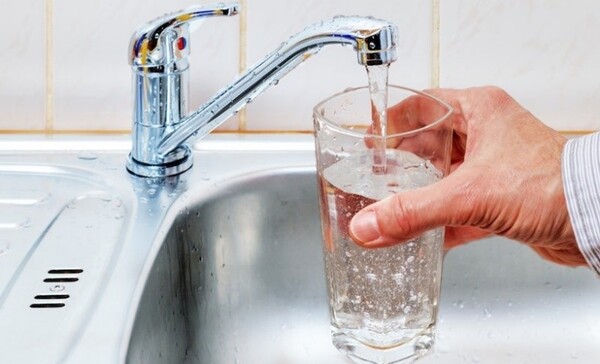
미국 노스웨스턴 대학교와 노스캐롤라이나 대학교의 글로벌 건강 전문가들이 주도한 새로운 연구에 따르면 전 세계 성인의 절반 이상이 향후 2년 이내에 물로 인해 심각한 피해를 입을 것으로 예상하고 있는 것으로 나타났다.
새로운 연구에 따르면 전 세계 성인의 절반 이상이 향후 2년 이내에 물로 인해 심각한 피해를 입을 것으로 예상하고 있는 것으로 나타났다.
미국 노스웨스턴 대학교(Northwestern University)와 채플힐(Chapel Hill)에 있는 노스캐롤라이나 대학교(University of North Carolina, UNC)의 글로벌 건강 전문가가 주도한 이 연구는 음용수 안전에 대한 대중의 인식을 이해하고자 했다.
특히 인식이 태도와 행동을 형성하기 때문에 수질에 대한 불신은 물이 안전 기준을 충족하더라도 사람들의 건강, 영양, 심리적, 경제적 행복에 부정적인 영향을 미친다.
노스웨스턴의 인류학 및 글로벌 건강 교수이자 새로운 연구의 수석저자인 세라 영(Sera Young) 박사는 “우리의 물이 안전하지 않다고 생각하면 사용하지 않을 것이다”라고 말했다.
세라 영 박사는 특히 “수돗물을 불신하면, 엄청나게 비싸고 환경에 해로운 포장된 물(생수)를 사고, 치아와 허리에 해로운 소다(soda)나 기타 설탕이 들어간 음료를 마신다. 그리고 고도로 가공된 조리식품을 섭취하거나 집에서 요리하는 것을 피하기 위해 레스토랑에 가는데, 집에서 요리하는 것은 건강에 덜 좋고 더 비싸다”라면서 “안전하지 않은 물에 노출된 개인은 심리적 스트레스도 더 크고 우울증에 걸릴 위험도 더 크다”고 강조했다.
세라 영 교수 박사는 정책연구소(Institute for Policy Research)의 모턴 O. 샤피로(Morton O. Schapiro) 교수이자, 폴라 M. 트리넨스 지속가능성 및 에너지연구소(Paula M. Trienens Institute for Sustainability and Energy)의 교수이며, 버핏 국제문제연구소(Buffett Institute for Global Affairs)의 물 불안정 가시 작업 그룹(Making Water Insecurity Visible Working Group)의 공동 리더이다.
저자는 2019년 ‘로이드 등록재단 세계 위험 여론조사(Lloyd's Register Foundation World Risk Poll)’에서 141개국 14만8천585명의 성인을 대상으로 한 국가 대표 데이터를 사용하여 물 공급으로 인한 예상 피해의 유병률이 높은 것을 발견했는데, 아프리카 잠비아가 가장 높고, 싱가포르가 가장 낮았으며 전체 평균은 52.3%이었다.
또한 식수로 인해 피해를 입을 것이라고 생각하는 사람들의 주요 특성을 파악했다. 여성, 도시 거주자, 교육 수준이 높은 개인, 현재 수입으로 어려움을 겪는 사람은 식수로 인해 피해를 입을 것으로 예상할 가능성이 더 높았다.
연구자들은 놀랍게도 부패인식지수(corruption perception index)가 높을수록 식수로 인한 피해의 예상을 가장 강력하게 예측할 수 있다는 것을 발견했으며, 이는 인프라와 국내총생산과 같은 요인보다 더 그런 것으로 조사됐다.
또한 기본적인 식수 서비스에 대한 접근성이 지속적으로 확보된 국가에서도 물의 안전성에 대한 의심이 널리 퍼져 있었다. 여기에는 설문조사에 참여한 사람의 39%가 단기적으로 식수로 인한 심각한 피해를 예상한 미국이 포함된다.
식수로 인한 자가 보고 경험 및 예상 피해의 유병률
![(A) 지난 2년 동안 식수로 인한 피해를 직접 경험했거나 경험한 사람을 알고 있다고 보고한 국가(N=142개국) 및 (B) 향후 2년 동안 식수로 인한 심각한 피해를 경험할 것으로 예상하는 국가(N=141개국)의 인구 비율. 로이드 레지스터 재단 2019년 세계 위험 여론 조사의 데이터를 기반으로 함. 보충 자료 1에 제공된 점 추정치. 그림출처(picture source) = 『네이처 커뮤니케이션(Nature Communications) 저널』]](https://cdn.waterjournal.co.kr/news/photo/202408/77149_50252_188.jpg)
(A) 지난 2년 동안 식수로 인한 피해를 직접 경험했거나 경험한 사람을 알고 있다고 보고한 국가(N=142개국) 및 (B) 향후 2년 동안 식수로 인한 심각한 피해를 경험할 것으로 예상하는 국가(N=141개국)의 인구 비율. 로이드 레지스터 재단 2019년 세계 위험 여론 조사의 데이터를 기반으로 함. 보충 자료 1에 제공된 점 추정치. 그림출처(picture source) = 『네이처 커뮤니케이션(Nature Communications) 저널』]
“우리의 연구는 안전한 식수를 공급하고 사람들이 수원에 대한 확신을 갖도록 하는 것이 필수적이라는 점을 강조했다”라고 노스캐롤라이나 대학교 길링스 글로벌 공중보건학교(UNC Gillings School of Global Public Health)의 박사과정 학생이자 이 연구의 첫 번째 저자인 조슈아 밀러(Joshua Miller)가 말했다.
연구자들은 많은 오염물질이 눈에 보이지 않고, 냄새도 나지 않으며, 맛이 없기 때문에 소비자가 물 공급의 위험성과 안전성을 판단하기 어렵다고 지적한다. 충분한 정보가 없으면 많은 사람들이 이전 경험, 언론보도, 개인적 가치와 신념에 따라 물의 안전성을 평가하게 된다.
세라 영 박사는 “사람들이 물의 안전성을 올바르게 판단할 가능성도 있다”라“플린트(Flint)의 선량한 사람들은 물을 신뢰하지 않았고, 그들은 옳았다”고 말했다.
“2019년 ‘로이드 등록재단 세계 위험 여론조사(Lloyd's Register Foundation World Risk Poll)’에서 141개국 14만8천585명의 성인을 대상으로 한 국가 대표 데이터를 사용하여 물 공급으로 인한 예상 피해의 유병률이 높은 것을 발견했는데, 아프리카 잠비아가 가장 높고, 싱가포르가 가장 낮았으며 전체 평균은 52.3%이었다”
공동 저자들은 △안전한 식수에 대한 접근성을 향상시키고 △수질검사를 보다 쉽게 이용할 수 있도록 하고 △수질검사 결과를 공개하고 △납 수도관을 교체하고 △오염물질이 감지되면 가정용 정수기를 제공하고 △가정에서 여과필터를 제공하는 등 식수에 대한 대중의 신뢰를 향상시키기 위해 관리들이 취할 수 있는 조치를 제안했다.
노스캐롤라이나 대학교 길링스 글로벌 공중보건학교 물 연구소(Water Institute)의 애런 잘츠버그(Aaron Salzberg) 소장은 “이것은 국가 개발 계획과 전략에서 이러한 서비스를 우선 시하려는 더 큰 관심과 정치적 의지를 촉진하고, 안전한 음용수에 대한 보편적 접근성을 달성하는 데 한 걸음 더 다가갈 수 있는 작업이다”라고 강조했다.
잘츠버그 소장은 미국 국무부에서 수자원 특별 조정관으로 일하면서 식수 및 위생, 수자원 관리 및 월경성 물 문제에 대한 미국 외 정책의 개발 및 시행을 관리하는 책임을 맡았다.
이 연구는 8월 26일자 『네이처 커뮤니케이션(Nature Communications) 저널』에 ‘141개국에서 음용수로 인한 자체 보고 예상 피해(Self-reported anticipated harm from drinking water across 141 countries)’라는 제목으로 게재되었다.
[원문보기]
Public trust in drinking water safety is low globally
Low confidence in water quality is associated with perceptions of public corruption
EVANSTON, Ill. --- A new study finds more than half of adults surveyed worldwide expect to be seriously harmed by their water within the next two years. Led by global health experts at Northwestern University and the University of North Carolina at Chapel Hill, the study sought to understand public perceptions of drinking water safety.
Because perceptions shape attitudes and behaviors, distrust in water quality has a negative impact on people’s health, nutrition, psychological and economic well-being ? even when the water meets safety standards.
“If we think our water is unsafe, we will avoid using it,” said Sera Young, professor of anthropology and global health at Northwestern and senior author of the new study.
“When we mistrust our tap water, we buy packaged water, which is wildly expensive and hard on the environment; drink soda or other sugar-sweetened beverages, which is hard on the teeth and the waistline; and consume highly processed prepared foods or go to restaurants to avoid cooking at home, which is less healthy and more expensive,” Young said. “Individuals exposed to unsafe water also experience greater psychological stress and are at greater risk of depression.”
Young is a Morton O. Schapiro Faculty Fellow at the Institute for Policy Research, a faculty fellow at the Paula M. Trienens Institute for Sustainability and Energy, and co-lead of the Making Water Insecurity Visible Working Group at the Buffett Institute for Global Affairs.
Using nationally representative data from 148,585 adults in 141 countries from the 2019 Lloyd’s Register Foundation World Risk Poll, the authors found a high prevalence of anticipated harm from water supply, with the highest in Zambia, the lowest in Singapore and an overall mean of 52.3%.
They also identified key characteristics of those who thought they would be harmed by their drinking water. Women, city dwellers, individuals with more education, and those struggling on their current income were more likely to anticipate being harmed by their drinking water.
The researchers found that, surprisingly, higher corruption perception index scores were the strongest predictor of anticipated harm from drinking water, more so than factors like infrastructure and Gross Domestic Product.
Further, even within countries with consistent access to basic drinking water services, doubts about the safety of water were widespread. This includes the U.S. where 39% of those polled anticipated serious harm from drinking water in the short term.
“Our research highlights that it is imperative both to deliver safe drinking water and to make sure that people have confidence in their water source,” said Joshua Miller, a doctoral student at the UNC Gillings School of Global Public Health and the study’s first author.
The researchers note that it is difficult for consumers to judge the hazards and safety of their water supply because many contaminants are invisible, odorless and tasteless. Without adequate information, many are left to evaluate the safety of their water based on prior experiences, media reports, and personal values and beliefs.
“It’s also possible that people correctly judge the safety of their water,” Young said. “The good people of Flint didn’t trust their water and they were spot on.”
The co-authors suggest actions officials can take to improve public trust around drinking water, including efforts to make testing more readily available, translate test results, replace lead pipes and provide at-home water filters when contaminants are detected, as well as provide improved access to safe drinking water.
“This is the kind of work that can catalyze greater attention and political will to prioritize these
services in national development plans and strategies, and get us closer to achieving universal access to safe drinking water,” said Aaron Salzberg, director of the Water Institute at the UNC Gillings School of Global Public Health.
Salzberg previously served as the special coordinator for water resources in the U.S. Department of State, where he was responsible for managing the development and implementation of U.S. foreign policy on drinking water and sanitation, water resources management and transboundary water issues.
The study “Self-reported anticipated harm from drinking water across 141 countries” published in the journal Nature Communications today (Aug. 26).
[출처 = 노스웨스턴 대학교(Northwestern University)(https://news.northwestern.edu/stories/2024/august/public-trust-in-drinking-water-safety-is-low-globally/?fj=1) / 2024년 8월 26일]
[연구논문 출처 = 『네이처 커뮤니케이션(Nature Communications) 저널』(https://www.nature.com/articles/s41467-024-51528-x#:~:text=These%20nationally%20representative%20data%2C%20drawn,in%20the%20next%20two%20years.) / 2024년 8월 26일자]
|  즐겨찾기 추가
 시작페이지로 설정
























